Vue lecture

Africa at the 2025 FIFA Club World Cup

Whether or not Al Ahly, Wydad, Espérance, or Sundowns lift the trophy, their participation matters, for themselves and for those who will take part in future editions of the Club World Cup.

By Tuka Letura 

This weekend marks the transformation of what was once a niche mid-season football contest. featuring just seven teams, each from FIFA’s six continental confederations and the host nation, into one of the most ambitious undertakings in global sport: the reimagined FIFA Club World Cup. With 32 elite football clubs competing across 11 U.S. cities, the tournament will span over a month, from 15 June to the final at East Rutherford’s MetLife Stadium on 13 July.

The 2025 tournament marks the first full-scale iteration of FIFA’s expanded Club World Cup: eight groups of four teams, a round of 16, and a $1 billion prize pool. Top clubs from six confederations converge not just for trophies, but for prestige, revenue, and brand elevation.

A club reaching the final can earn up to $125 million, an amount that dwarfs the annual budgets of most African teams. Even participating clubs will receive nearly $10 million in appearance fees. For the Confederation of African Football’s four representatives, this is not merely about footballing ability—it is a transformational opportunity for both financial growth and global visibility.

Yet, alongside the excitement, there are concerns. The tournament falls within an already congested June–July window, clashing with domestic calendars and off-season recovery periods. Global players’ union FIFPRO has warned of burnout, particularly for clubs with thinner squads and demanding travel schedules. For African sides, many of whom compete in grueling local and continental fixtures year-round, maintaining this level of intensity presents a significant challenge.

CAF has been allocated four slots at the Club World Cup, determined through a system that rewards both short-term excellence and long-term consistency. These slots were awarded based on two key criteria: winning the CAF Champions League during the qualification period (2021–2024), and ranking among the highest in CAF’s four-year club performance system, which reflects sustained success in continental competitions.
Club World Cup
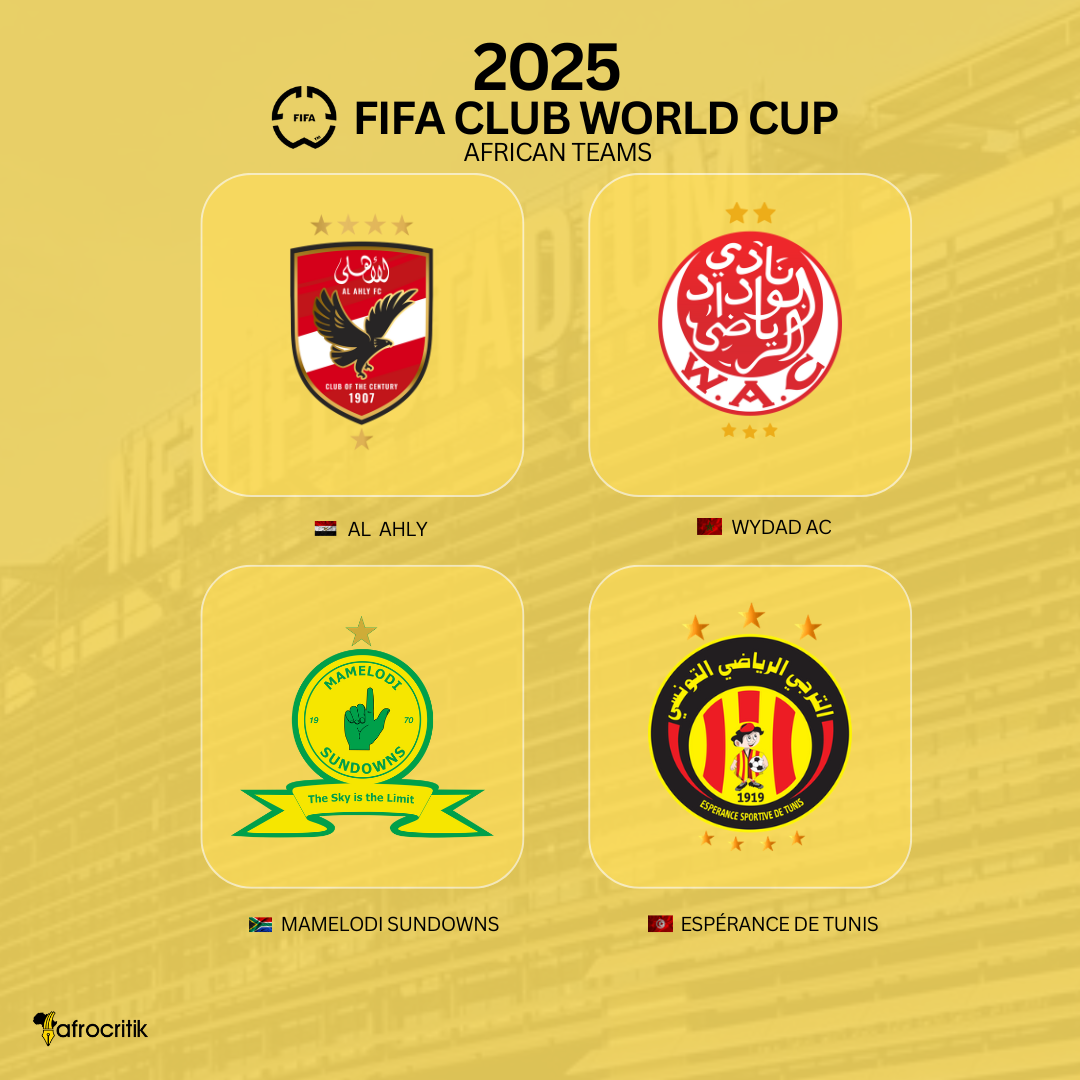
The African teams at the FIFA Club World Cup 2025
  • Al Ahly (Egypt) secured their place by winning the 2020–21 CAF Champions League. Widely regarded as Africa’s most decorated club, Al Ahly continues to set the standard for excellence on the continent.
  • Wydad AC (Morocco) followed as the 2021–22 Champions League winner, earning a deserved spot among Africa’s elite.
  • Espérance de Tunis (Tunisia) earned qualification through the CAF club ranking system, emerging as the highest-ranked club not to have won the Champions League during the qualification window.
  • Mamelodi Sundowns (South Africa) completed the lineup, claiming the final slot based on their consistent performance across multiple seasons as reflected in CAF’s four-year performance index.

THE GROUPS 

Al Ahly – Group A

Opponents: Inter Miami (USA), Palmeiras (Brazil), FC Porto (Portugal)
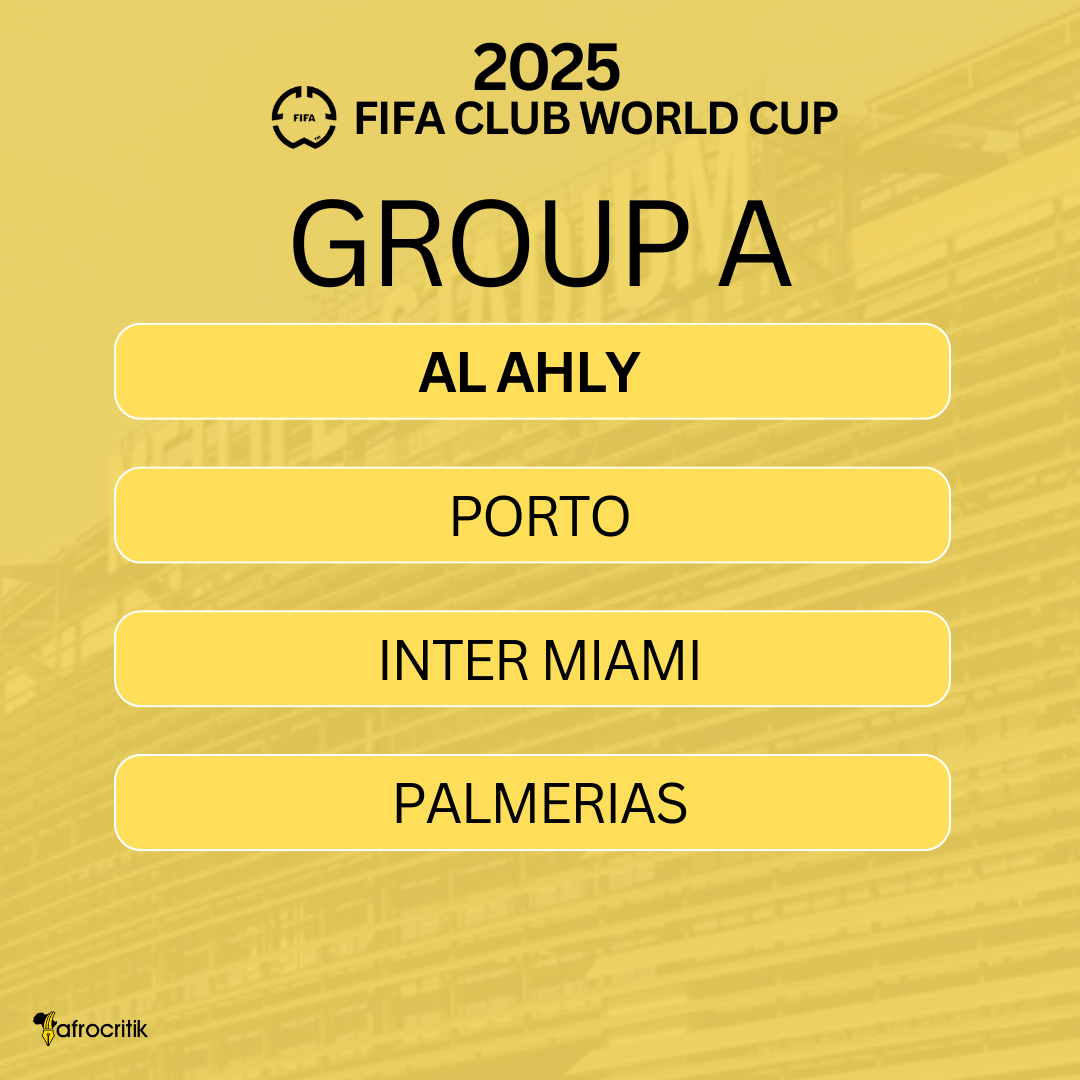
Club World Cup
Al Ahly

Al Ahly enters Group A with a blend of historic prestige and pragmatic discipline. Their alternating 4-3-3/4‑2‑3‑1 setup is built around midfield control and swift transitions, marshaled by the likes of Emam Ashour, Percy Tau, and Hussein El Shahat, and steered by Spanish coach José Riveiro.

They face three stylistically diverse teams from across three continents. 

  • Inter Miami, representing American flair and star-driven football (and possibly Messi-led finesse),
  • Palmeiras, a technically robust and high-intensity Brazilian side, and
  • FC Porto, masters of tactical precision and European tempo.

In this melting pot, the four-time bronze medalist in the competition must lean on their FIFA Club World Cup experience and adaptability. Every match will demand a little more than it did in previous editions if they wish to progress. Their chances are evenly balanced as the top two progress into the knockouts. 

Espérance de Tunis – Group D

Opponents: Chelsea (England), Flamengo (Brazil), Los Angeles FC (USA)
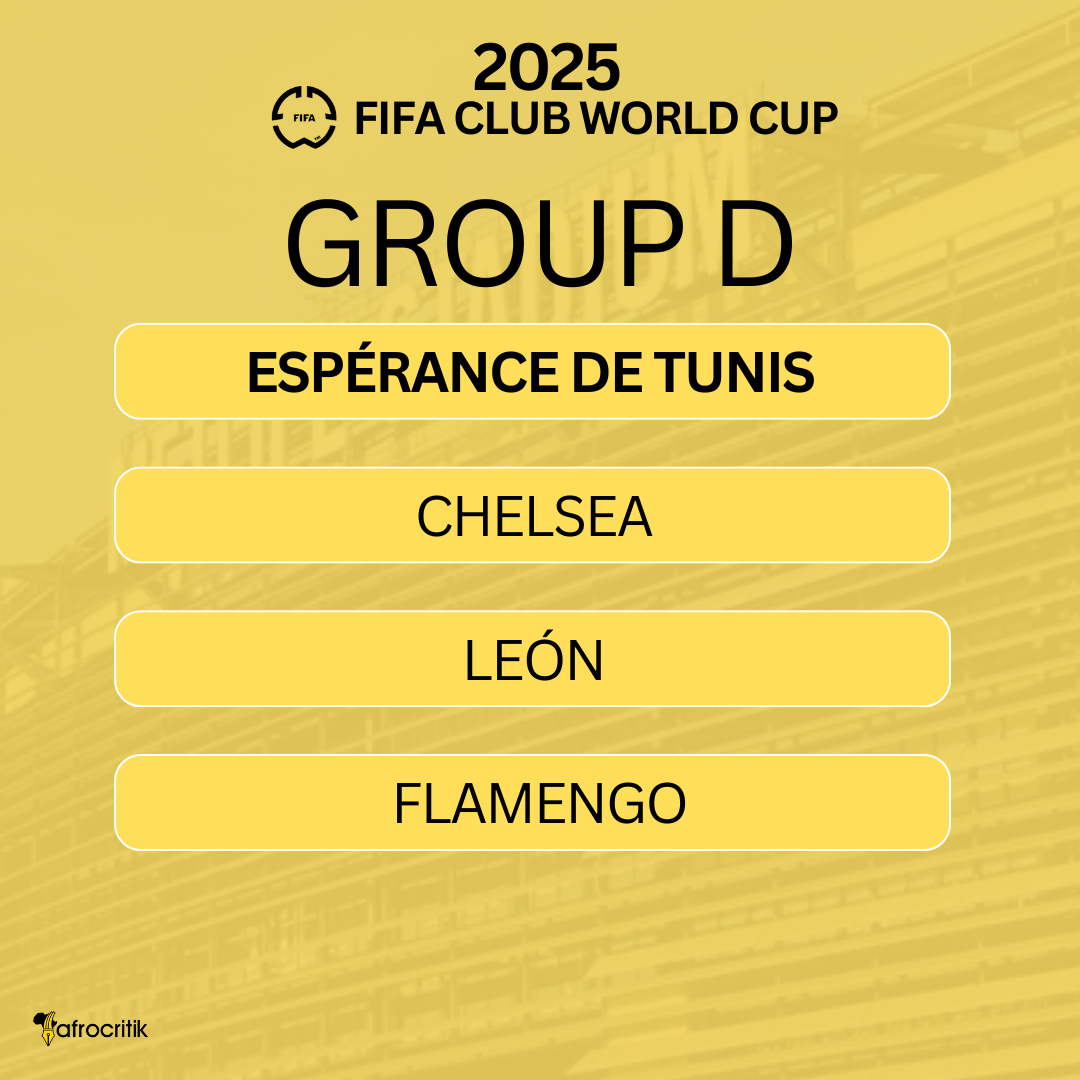
Club World Cup
Espérance de Tunis

Espérance relies on the tactical ability of Maher Kanzari, who tweaks his side into a 4‑3‑3 or 3-4-3 primarily, to match the opposition. They love to control games with smart possession play. Their group presents both European might and South American flair:

  • Chelsea brings pace, pressing, and depth from the Premier League, and on the back of their UEFA Conference League win, are favourites in the group. 
  • Flamengo, who nicked two titles this season, will also fancy their chances as they will bank on their previous Club World Cup experience, when they were runners-up in 2019
  • LAFC are currently one of the most in-form American sides and could make progression more difficult for Espérance.

To survive, Espérance must dictate rhythm, suffocate chaos with structure, and capitalize on narrow openings. Their key strength, defence, will be tested to its limit.

Mamelodi Sundowns – Group F

Opponents: Borussia Dortmund (Germany), Fluminense (Brazil), Ulsan Hyundai (South Korea)
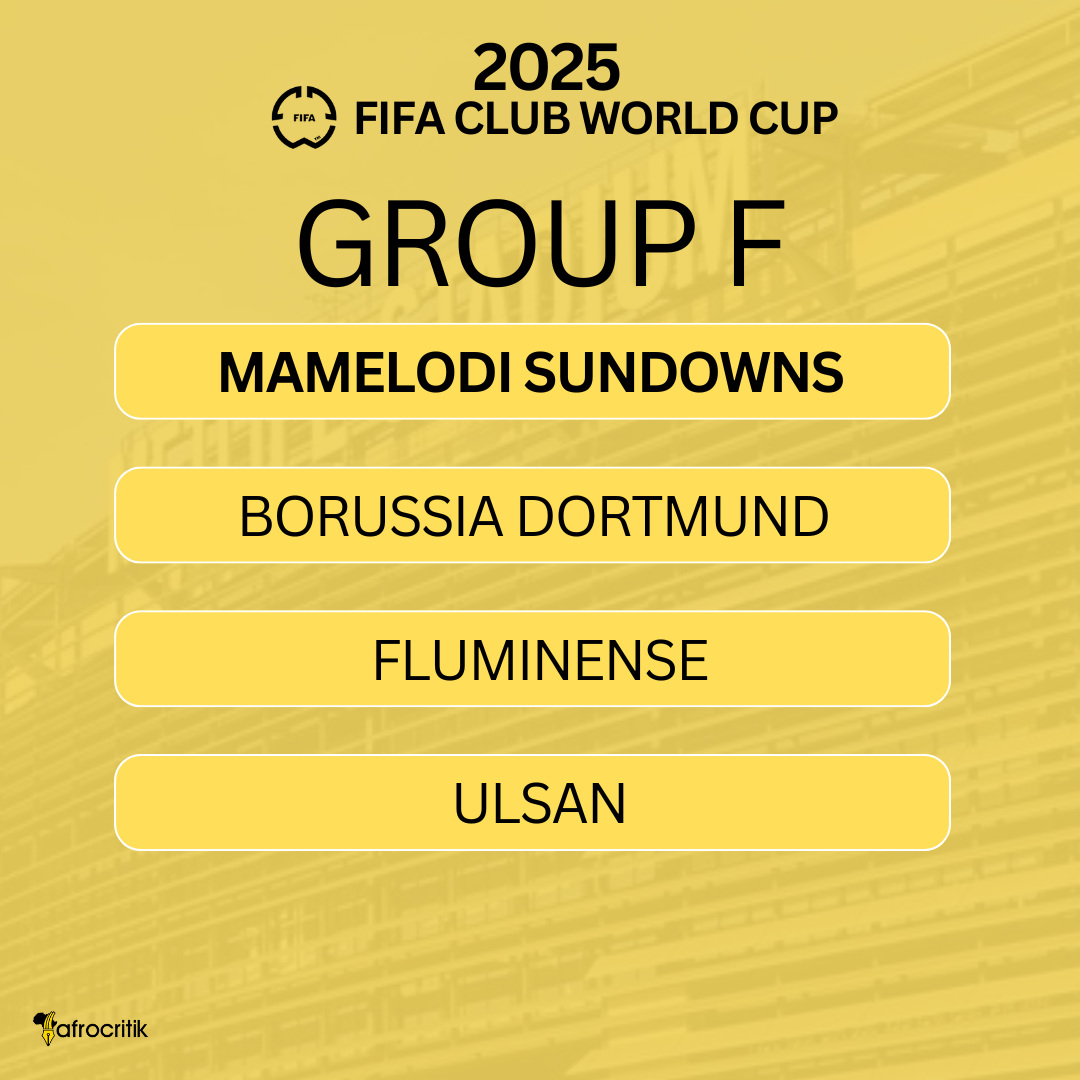
Mamelodi Sundowns
Mamelodi Sundowns

Sundowns’ nickname, “The Brazilians”, says it all. Their style is fluid, expressive, and possession-based, built around players like Lucas Ribeiro and Teboho Mokoena. Their tactics echo South American rhythm, with strong technical and positional awareness, but they will be facing that as well. 

  • Dortmund presses with high energy and youthful verve,
  • Fluminense, their stylistic cousin, plays a refined, tactical version of the jogo bonito.
  • Ulsan Hyundai brings Asian structure and efficiency, likely to challenge Sundowns’ space usage.

This group offers philosophical duels, especially the poetic clash with Fluminense. Sundowns’ strength will be in embracing their identity while adapting to opponents’ discipline. It’s not the easiest, but Sundowns possess enough to progress. 

Wydad AC – Group G

Opponents: Manchester City (England), Juventus (Italy), Al Ain (UAE)
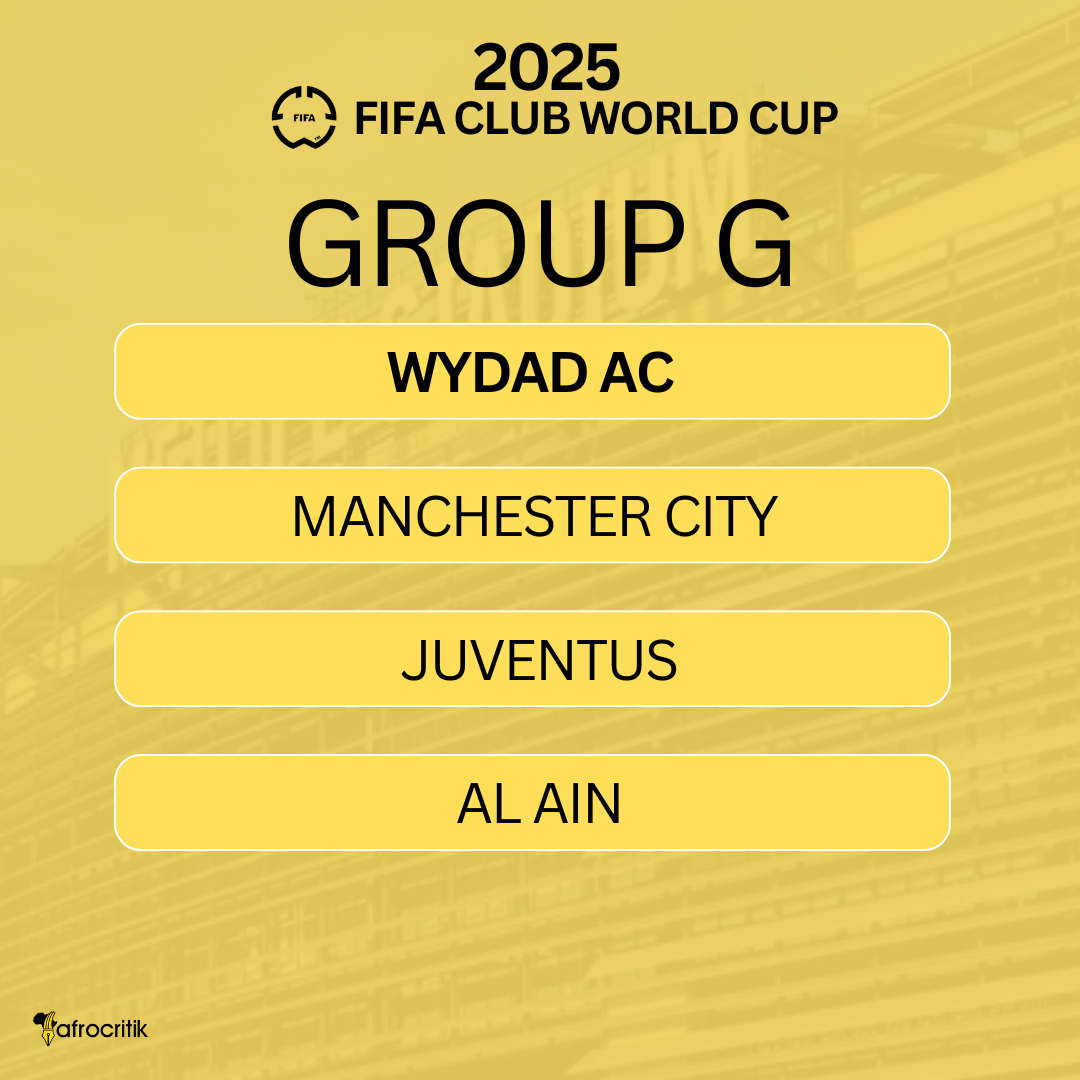
Wydad AC
Wydad AC

Wydad Casablanca faces a daunting challenge in what may be the toughest group for any African team at the Club World Cup. They are up against two European giants: Manchester City and Juventus. To have any hope of progressing, they will need to play with clear intent and make the most of every match. Realistically, their chances of advancing are slim, but in football, surprises do happen.

  • Manchester City, arguably the world’s best side, demands defensive perfection,
  • Juventus, tactically mature and transition-savvy, will punish positional slips,
  • Al Ain, while more beatable, is a familiar regional foe with strong support and tactical savvy.

Wydad’s path is narrow, but with tactical flexibility and mental resilience, they can grind out results.
This tournament isn’t just about pride; it’s about structure, reform, and sustainability from an African football perspective. A group-stage exit still yields millions in participation funds, but a Round-of-16 berth doubles both revenue and exposure. For clubs whose annual budgets sometimes fall below $5 million, this is era-defining.

Club World Cup
FIFA Club World Cup 2025

For national leagues and CAF itself, the Club World Cup serves as a proof of concept: can African clubs compete commercially and tactically on a global stage? Knockout qualification would signal progress. Even if that target is missed, strong performances and individual showcases could boost domestic visibility and global transfer potential.

Still, some caution against short-term thinking. The chances of going all the way remain—and that’s the least anyone should expect from the continent’s elite football clubs.

Whether or not Al Ahly, Wydad, Espérance, or Sundowns lift the trophy, their participation matters, for themselves and for those who will take part in future editions of the Club World Cup.

Match schedule and updates are available on FIFA’s Official Website here.

Tuka Letura is an experienced sports writer with over six years of experience in the craft. He uses data and statistics to provide analysis and commentary. From regional to worldwide competitions, he has covered a wide range of sports-related events and topics. He is devoted to sharing his enthusiasm for sports with his audience and engaging them with interesting anecdotes and viewpoints.

Cover photo credit: SuperSport

The post Africa at the 2025 FIFA Club World Cup first appeared on Afrocritik.

  •  

Basketball Africa League Season 5: Race for the Playoffs

As we head into Basketball Africa League Season 5, the competition is heating up with exciting matchups, standout performances, and the promise of more unforgettable moments. Let’s take a look at what’s happened so far and what you can expect in the coming weeks.

By Tuka Letura 

The Basketball Africa League (BAL) has returned for the 2025 season. This marks Season 5 of the BAL, where teams from across the African continent compete for the ultimate prize: to be crowned the continent’s best basketball club.

With two of the three conferences completed and the playoffs fast approaching, it’s the perfect time to explore the stories, team statistics, and standout moments from the already-concluded Sahara and Kalahari Conferences, and to preview what lies ahead in the Nile Conference.

Last year, in 2024, Petro de Luanda won the Basketball Africa League (BAL) championship, defeating Al Ahly in the final. After finishing second in the group stage, Petro de Luanda advanced through the quarterfinals and semifinals before ultimately claiming the top prize. In doing so, the Angolan side became the first non-North African team to win the championship. 

Basketball Africa League
Anderson Correia dunks vs Petro de Luanda

Before diving into this season’s action, it’s important to note a significant change in the qualification format for the 2025 Basketball Africa League (BAL). This year, only four teams earned their spots through the Road to BAL tournament, a reduction from six in previous seasons. This shift came after eight national champions were granted automatic qualification, including fresh direct entries for South Africa and Morocco.

The journey began with 26 teams competing in five groups across two divisions, with the top teams advancing to the Elite 16. From there, 16 teams clashed in two intense groups, with the top two from each group booking their tickets to the big stage. In the end, a total of 12 teams will compete in the 2025 Basketball Africa League season: four qualifiers plus the elite eight—Nigeria, Tunisia, Angola, Senegal, Egypt, South Africa, Morocco, and Rwanda.

As we head into BAL Season 5, the competition is heating up with exciting matchups, standout performances, and the promise of more unforgettable moments. Let’s take a look at what’s happened so far and what you can expect in the coming weeks.

Kalahari Conference

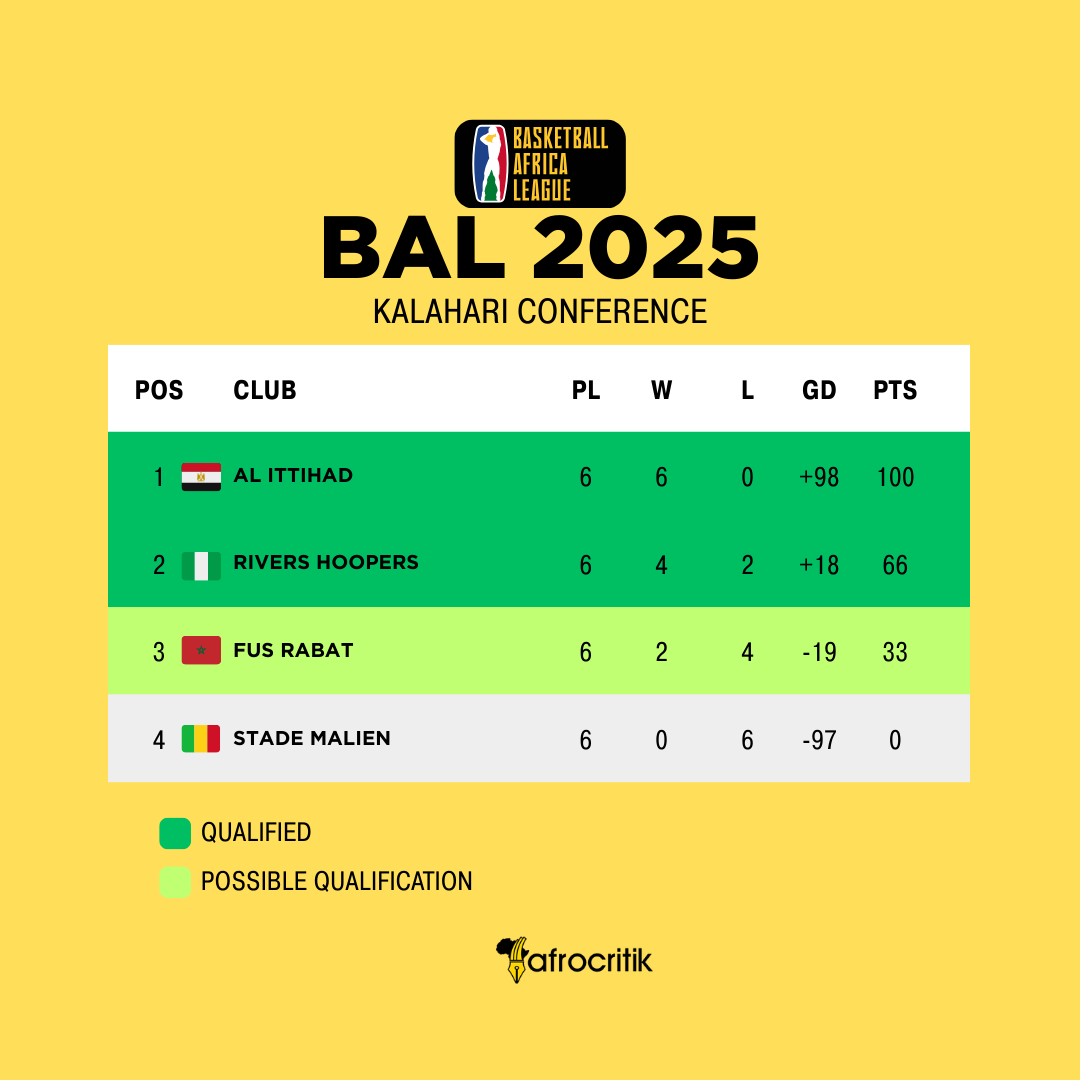
The Kalahari Conference was dominated by Al Ittihad Alexandria, whose flawless performance in all six of their matches set them apart. The Egyptian champions were in a class of their own from start to finish, averaging nearly 88 points per game and boasting the highest point difference in the group (+98).

Their perfect record included commanding victories over all their rivals, including a 100-point game against Rivers Hoopers, which they won 100-80. With six wins from six, they secured direct entry to the playoffs.

Nigeria’s Rivers Hoopers struggled to find the same rhythm as last year, but, like Al Ittihad, they are through to the playoffs, having won every game except those against the table-toppers, Al Ittihad. South Sudanese star Madut Akec has been a key player for the Hoopers, consistently delivering standout performances.

Basketball Africa League
Kalahari Conference final table

The conference hosts, FUS Rabat, were in a middle-of-the-pack position in the group, finishing with two scores below the cutoff line for direct qualification. Despite positive results, such as their 92–72 win over Stade Malien, the Moroccan club struggled to secure victories against the group leaders. Their competitive performance initially kept them in contention for one of the two spots for the best third-placed team, but this has now been reduced to one, as the third-placed team in the Sahara Conference finished with more points.

Meanwhile, Stade Malien ended in last place among the teams that participated in the Kalahari Conference group stage, having failed to win any of their six games. Some of their most competitive matches were those with the narrowest margins, the most memorable of which was an 86–89 defeat to Nigeria.

With Egypt and Nigeria already confirmed as semi-finalists, the next phase of the Basketball Africa League 2025 looks even more exciting. What remains to be seen is the emergence of new teams that could surprise with the quality of their gameplay.

Sahara Conference 

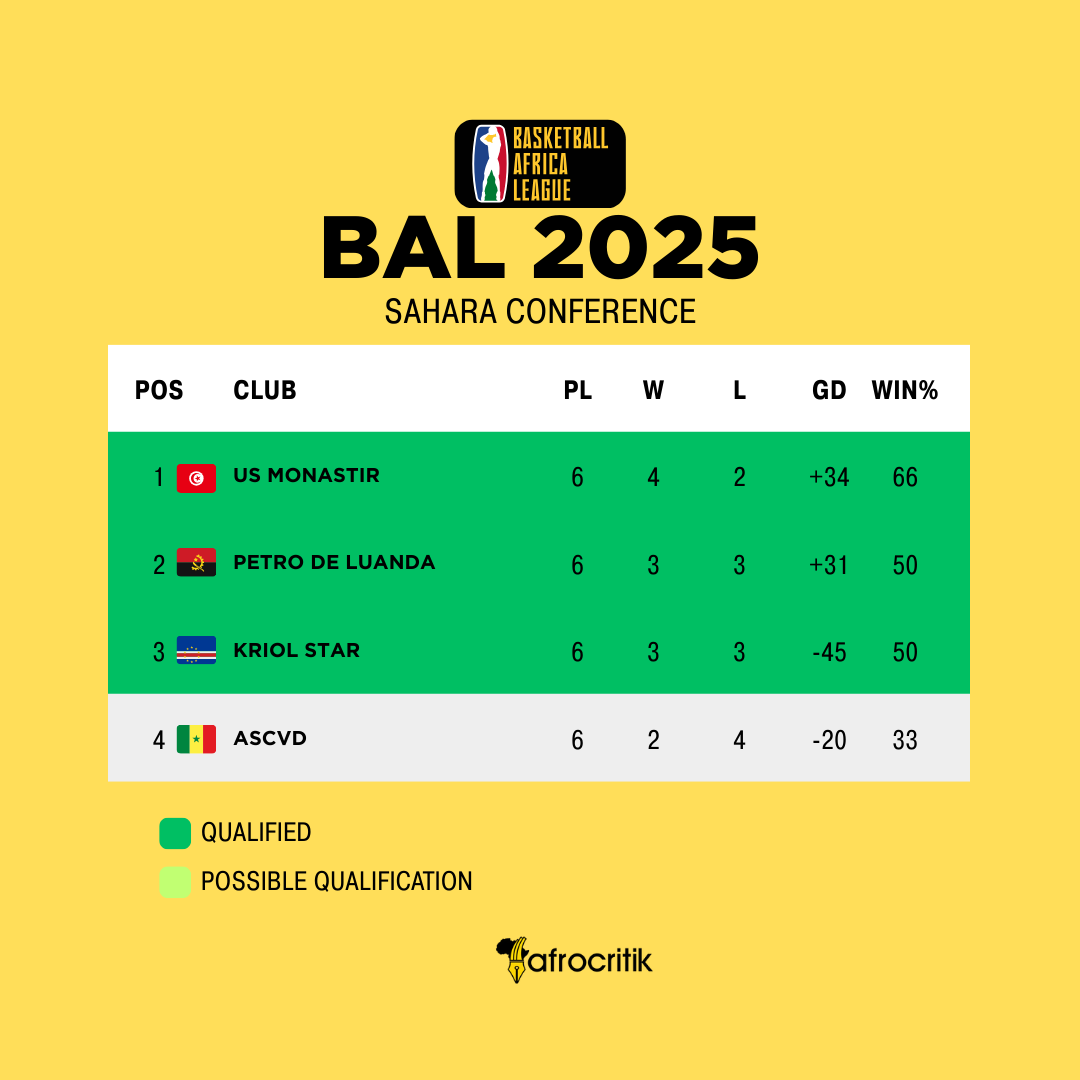
Tunisia’s US Monastir powered through to finish top of the standings in the Sahara Conference with a 4–2 record, securing their spot in the BAL Playoffs with authority. Their two losses came against Senegal’s ASC Ville De Dakar and Angola’s Petro de Luanda.

Petro de Luanda balanced their wins and losses evenly, picking up three of each, which was enough to secure second place. They defeated every team in the group once and also suffered a loss to each, marking a perfectly balanced outing.

Basketball Africa League
Sahara Conference final table

Host team, ASC Ville de Dakar, impressed early on, but after their win against US Monastir in the opening game, they managed only one more victory, leaving them at the bottom of the group and missing out on progression.

But the breakout story of the tournament? Cabo Verde’s Kriol Star. In their debut season, they made history by becoming the first-ever team from Cabo Verde to reach the Basketball Africa League Playoffs. Their campaign was highlighted by a gritty 71–69 overtime thriller against Angolan giants Petro de Luanda, a win that not only secured their place but also eliminated a former BAL finalist in dramatic fashion.

Nile Conference 

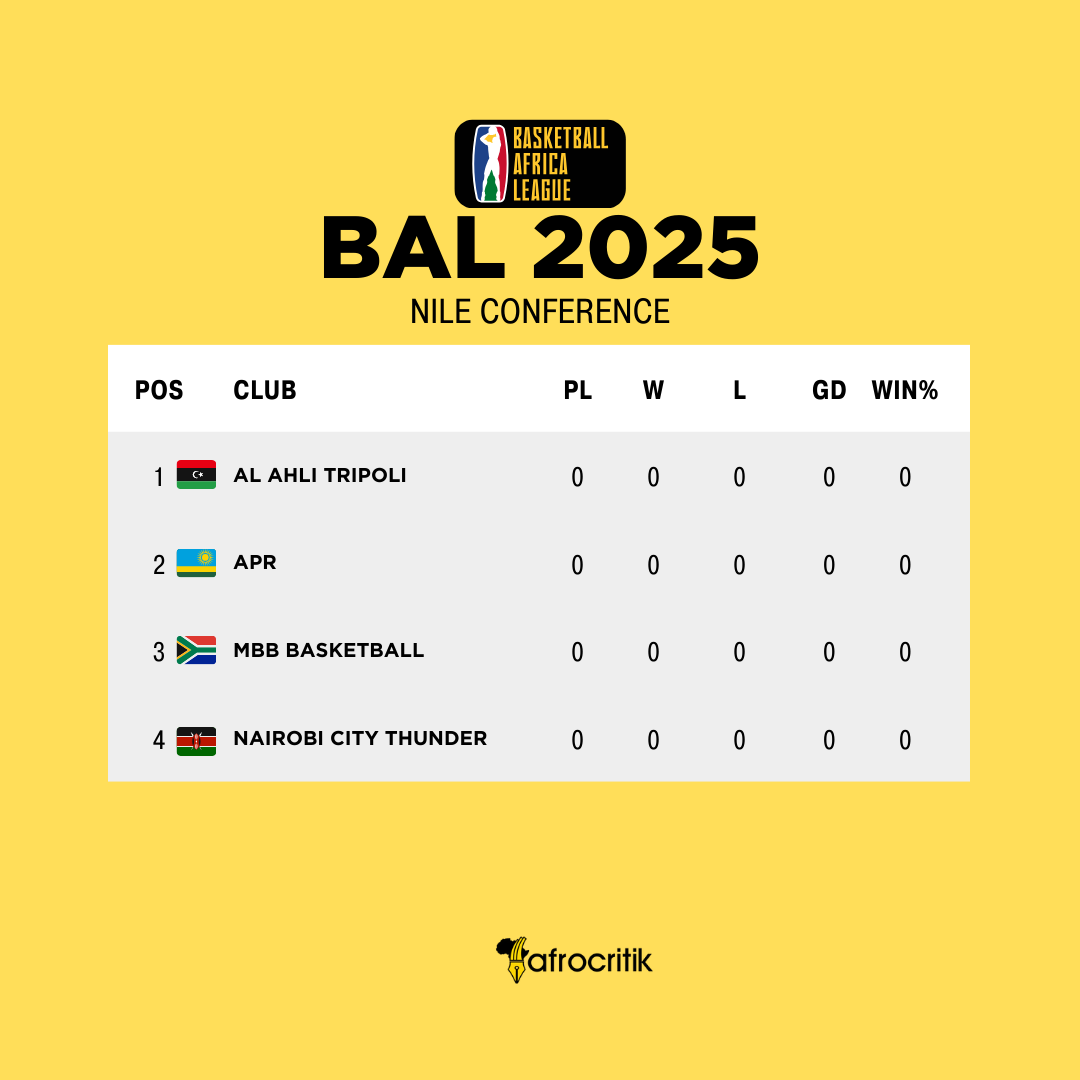
Rwanda is set to host the Nile Conference of the Basketball Africa League (BAL) for the first time. From May 17 to 25, the BK Arena in Kigali will welcome four top clubs from across the continent, all vying for a spot in the BAL playoffs.

APR Basketball, the Rwandan champions, return for their second consecutive BAL appearance following their debut in 2024. Despite missing the playoffs last season, APR have strengthened their credentials by winning both the Rwanda Cup and the 2024 national league. They now aim to capitalise on home-court advantage and make a deeper run in 2025.

They are joined by Made Ball Blue Basketball (MBB) from South Africa, who will make their BAL debut in 2025. The Johannesburg-based team earned qualification by winning the 2024 Basketball National League title. They are one of the most exciting new entrants in the competition and are definitely a team to watch closely. 

Teams in the Nile Conference

From North Africa, Al Ahli Tripoli returned to the Basketball Africa League after qualifying through the Road to BAL. The Libyan champions secured their place in the 2025 season with a crucial semifinal victory over ABC Fighters in November 2024.

Nairobi City Thunder complete the group, entering the Basketball Africa League as the first Kenyan team in league history. The Thunder qualified through the Road to BAL and significantly strengthened their roster during the process, including the addition of BAL veterans Abdoulaye Harouna and Ater Majok. They sealed their qualification with a win over City Oilers in December 2024.

With all four teams hungry for playoff contention, fans can expect high-intensity matchups, tactical showdowns, and breakout performances in Kigali.

As we head deeper into BAL Season 5, the competition is shaping up nicely with teams already booking their places. So far, Al Ittihad, Rivers Hoopers, US Monastir, Petro de Luanda, and Kriol Star have secured their tickets to the 2025 Basketball Africa League Playoffs, set for June 6–14 at the SunBet Arena in Pretoria, South Africa.

That leaves just three playoff spots up for grabs, adding extra intensity to every game in the Nile Conference. Will APR deliver in front of a home crowd? Can MBB, Al Ahli Tripoli, or Nairobi City Thunder rise to the occasion? And don’t forget FUS Rabat, who could still sneak in if the third-place team in the Nile Conference finishes with a lower win percentage.

With everything to play for, Kigali is set to be the stage where dreams are made or dashed.

Tuka Letura is an experienced sports writer with over six years of experience in the craft. He uses data and statistics to provide analysis and commentary. From regional to worldwide competitions, he has covered a wide range of sports-related events and topics. He is devoted to sharing his enthusiasm for sports with his audience and engaging them with interesting anecdotes and viewpoints.

The post Basketball Africa League Season 5: Race for the Playoffs first appeared on Afrocritik.

  •