Vue lecture

👨🏿‍🚀TechCabal Daily – MultiChoice begins Canal+ restructuring

Good morning. ☀

Get ready for Moonshot 2025 🚀

At Moonshot 2025, we’re bringing together the builders, dreamers, and doers who are turning ideas into impact and scaling what’s next for Africa’s digital economy.

Picture this: 5,000 attendees, founders, creators, investors, policymakers, and industry leaders in one space, sharing playbooks, lessons, and finding collaborators who understand the grind of building. This isn’t just a conference; it’s a propeller. Whether you’re fine-tuning your startup, scaling your operations, or creating digital products that push culture forward, Moonshot is the place to gain the insights, connections, and energy to keep building.

Don’t just watch the future take shape, be a part of the force driving it

Get tickets here.

Let’s dive in.

Companies

Multichoice kicks off Canal+ restructuring
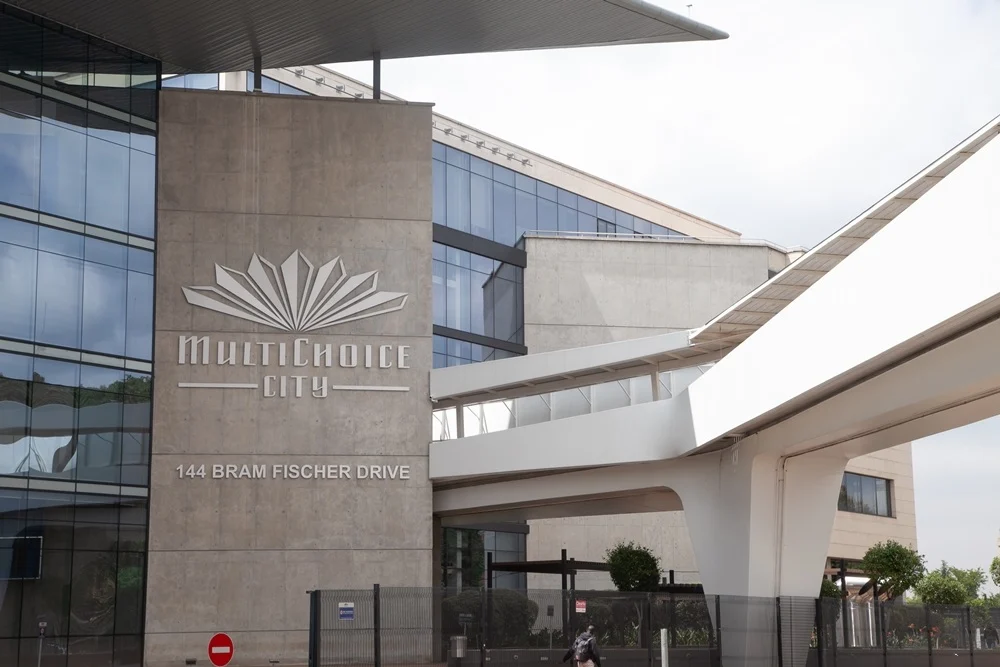
Image source: MyBroadBand

We have no crystal ball, but you likely had two reactions when you saw MultiChoice in today’s newsletter: ‘Did the pay-TV company finally reduce its DSTv prices?’ or ‘has it entered trouble with another regulator?’

Your thoughts are well…your thoughts. But MultiChoice is hogging the headlines again for the high-profile Canal+ takeover. On Tuesday, the company said it has started restructuring its businesses to accommodate the French media outfit operated by the Vivendi Group. The R55 billion ($3.17 billion) buyout, which has been a public spectacle since Canal+ first bought shares five years ago, is coming to an end.

Catch up: After Canal+ made a mandatory buyout offer to acquire 36.6% of the South African pay-TV company in 2024, it triggered a clause that gave the acquirer the right to make a takeover bid. It offered R125 ($7.21) per share to take over MultiChoice. Following approval of the deal, both companies have been scrambling to set up rules that allow Canal+ to own controlling stakes.

State of play: MultiChoice has since established a subsidiary, LicenceCo, which holds its broadcasting licences. It will reduce its controlling stake in LicenceCo to 20% to allow the deal to meet competition and foreign takeover requirements in South Africa.

Questions, questions: With this restructuring, where do consumers fit in? What changes for them? MultiChoice continues to oversee its operations, media content, and branding across platforms, according to CEO Calvo Mawela. The deal is unlikely to include a resource-sharing pact, so Canal+, one of France’s largest streamers, won’t merge its content into MultiChoice or vice versa.

We are edging closer to a monumental shakeup in Africa’s pay-TV market, with one of the continent’s biggest companies at the centre of it.

eCommerce Without Borders: Get Paid Faster Worldwide
Whether you sell in Lagos or Nairobi, customers want local ways to pay. Let shoppers check out in their local currency, using cards, bank transfers, or mobile money. Set up seamless payments for your global online store with Fincra today.

Banking

Tanzania’s biggest bank upgrades its core banking system to chase growth
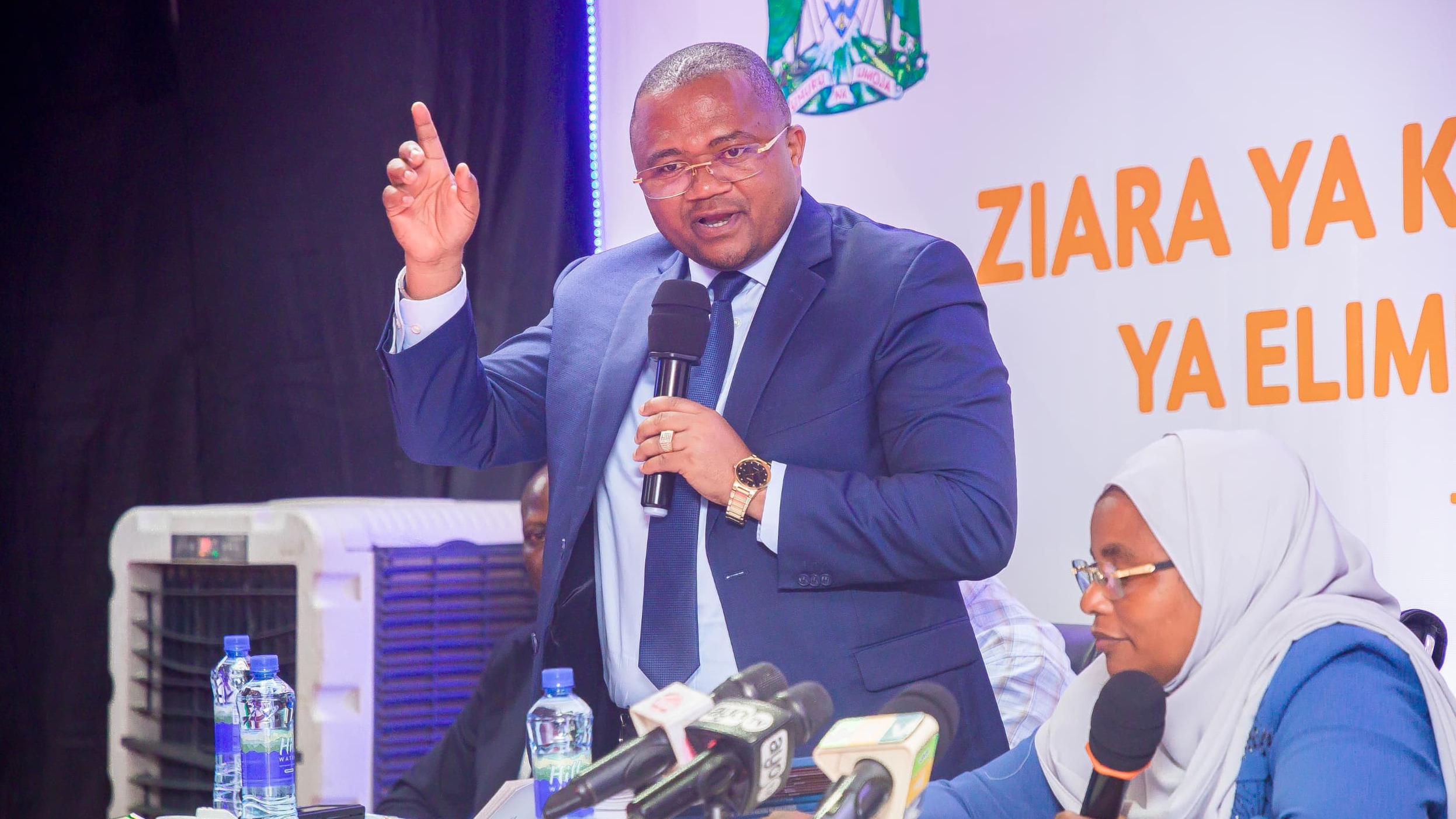
CRDB’s chief executive Abdulmajid Nsekela. Image source: CRDB

Tanzania’s largest bank by assets, CRDB Bank, has replaced its old core banking system, the Fusion Banking Essence (FBE) by Finastra, with Temenos T24, the Swiss platform used by heavyweights such as KCB and Stanbic Bank. This migration happened in early September.

Why? CRDB wants to move beyond East Africa into Dubai, and you can’t really make that big move with outdated infrastructure. Not to mention keeping pace with regional competitors.

Core banking isn’t like upgrading a mobile app. It requires shifting millions of sensitive user records at a go. CRDB’s migration had the usual teething problems of service lags and balance mismatches. But they insist it was a critical move for efficiency.

What’s new? CRDB can now allow people to initiate transactions in English, Swahili, French, Kirundi, and Arabic. The new system also supports transactions in multiple currencies.

Why it matters. By jumping on Temenos T24, CRDB is signalling regional and global players that it is ready to play hardball. The upgrade gives the lender the backbone to chase diaspora money in Dubai and roll out products faster. With the Bank of Tanzania (BoT) nudging local banks to modernise their systems, other East African banks are likely to follow CRDB’s footsteps.

Shop anywhere with Paga’s physical prepaid card

Own every checkout with Paga’s Physical Prepaid Card. Suitable for all your security and speed needs. Just fund, shop, and pay anywhere with confidence. Get yours today.

Companies

South Africa’s Naspers wants to make its shares 5 times cheaper for investors
Image Source: Bloomberg

Remember when Alphabet, the parent company of Google, did a 20-for-1 stock split on the NASDAQ in 2022? Did you buy its shares? Because Naspers, one of Africa’s largest technology conglomerates, is following suit.

When it comes to the stock market. Some may think it’s all just an expensive gamble with a bunch of imaginary numbers and prices for big players that make little sense. Naspers wants everyone to think differently. 

State of play: It announced a 5-for-1 share split on the local bourse, the Johannesburg Stock Exchange (JSE), which will be effective from October 6. A stock split means each existing share is divided into smaller units, so the price per share drops, but the overall value of your investment stays the same. Companies with pricey shares typically use stock splits to make them affordable for smaller investors. 

By the close of market on Tuesday, Naspers’ shares were trading for R5,885.40 ($339) per unit; this means buying 100 shares costs nearly R600,000 ($34,500) before the split, among the highest prices on the JSE and locking out smaller investors. With this new split, the R600,000 ($34,500) investment could become R120,000 ($6,900) for the same ownership stake.

Between the lines: Most of Naspers’ valuation comes from its roughly 23% stake in the Chinese technology giant, Tencent. Tencent is valued at approximately $760 billion. Despite Nasper’s high stake, it is only valued at $53 billion; this gap tends to raise eyebrows. 

The split doesn’t change the company’s value, but it lowers the price per share, boosting liquidity and making the stock more accessible. 

This move is part of a bigger clean-up: Naspers has been buying back shares and tidying up its structure to convince investors that its value should be closer to what its books show.Stock splits can’t solve everything, but they can help close that valuation gap by drawing in smaller investors and improving market trading activity.

Accept Payments with Apple Pay on Paystack!
Anyone can get paid globally. With Paystack and Apple Pay, let customers pay you instantly and securely from 60+ countries. Get started here →

Economy

Nigeria’s inflation rate goes down for the fifth consecutive month

Image Source: TechCabal

Nigeria’s inflation numbers are in, and they are a mixed bag. While inflation has eased for the fifth time in a row, reactions trailing the results question why the numbers don’t seem to match everyday economic reality. In August, Nigeria’s Inflation eased to 20.12%.

The stats say something: Inflation is way down from 32.15% a year ago, meaning prices are still rising, just at a slower rate. Essentially, if your internet bill increased by 20% instead of 30%, you’re still paying more than last year. In 2024, Nigeria’s inflation was one of the highest in Africa. The inflation surge between 2023 and 2024 was mainly due to issues with sourcing foreign exchange, the fuel subsidy removal that increased the cost of logistics, and other agricultural disruptions that increased food prices. 

The Central Bank will decide next week whether to hold interest rates steady in its fight against inflation. Keeping rates unchanged would ease pressure on businesses and consumers who rely on fintech loans for daily expenses, but it could also risk prolonging inflationary pressures.

Nigeria is pushing ambitious economic reforms to boost investor confidence and hit a $1 trillion economy by 2030. But strong headline numbers don’t always translate into relief for ordinary Nigerians. Prices remain high, and consumer spending is still weak.

    HOT TAKE!

    Digital assets make up only 0.2% of global commerce, and stablecoins won’t change that overnight. The tech is impressive, but commerce runs on what people can actually use. For informal retailers, stablecoins are hard to grasp, and no one wants to fiddle with blockchain networks at the point of sale. Until stablecoin payments are built into familiar tools like cards, POS machines, and mobile apps that make the blockchain invisible, it’s hard to see them powering street-level commerce anytime soon.

CRYPTO TRACKER

The World Wide Web3

Source:

CoinMarketCap logo

Coin Name

Current Value

Day

Month

Bitcoin $115,207

– 0.58%

– 2.03%

Ether $4,514

– 3.13%

+ 0.86%

Avantis $1.12

+ 8.00%

+ 278.42%

Solana $234.32

– 3.55%

+ 21.83%

* Data as of 05.30 AM WAT, September 17, 2025.

Opportunities

  • Applications are now open for Techstars’ Spring 2026 accelerators. Startups that make it in get a $220,000 investment, mentorship, lifetime access to a global network of investors and alumni, plus over $4 million worth of partner perks. Techstars says graduates raise an average of $1 million+ after the programme. Apply by November 19.

Written by: Opeyemi Kareem and Ifeoluwa Aigbiniode

Edited by: Ganiu Oloruntade

Want more of TechCabal?

Sign up for our insightful newsletters on the business and economy of tech in Africa.

P:S If you’re often missing TC Daily in your inbox, check your Promotions folder and move any edition of TC Daily from “Promotions” to your “Main” or “Primary” folder and TC Daily will always come to you.

Email Us
  •  

CEMAC bets on interoperability, but at what cost for startups?

16 septembre 2025

Welcome to The Next Wave: Francophone Africa, your weekly look at the tech ecosystem in French-speaking Africa. This newsletter is in French by default, but you can click the button below to read an English version.


Bonjour 👋,

La semaine dernière, j’ai évoqué comment l’interopérabilité au sein de l’Union économique et monétaire ouest-africaine (UEMOA), portée par la Banque centrale des États de l’Afrique de l’Ouest (BCEAO), marque un tournant historique pour la finance numérique ouest-africaine. Après des années d’innovation fragmentée, notamment portée par Wave, le lancement de la Plateforme interopérable pour le système de paiement instantané (PI-SPI) promet un marché plus inclusif et compétitif, qui redistribue les cartes en érodant les avantages initiaux des pionniers. Ce cadre illustre comment une réglementation proactive peut transformer un secteur dominé par quelques acteurs en un écosystème plus équilibré, au bénéfice des consommateurs.

Mais l’Afrique de l’Ouest n’est pas la seule à emprunter cette voie. En Afrique centrale, la BEAC (Union économique et monétaire de l’Afrique centrale) a été encore plus précoce dans son approche. En 2018, elle a posé les bases de l’interopérabilité régionale via le système GIMACPAY, désormais (relativement) opérationnel et adopté (quoique partiellement) par des dizaines d’acteurs. Contrairement à l’UEMOA, où l’adaptation a mis à mal les dirigeants établis, la Communauté économique et monétaire de l’Afrique centrale (CEMAC) a opté d’emblée pour une approche plus centralisée, offrant un environnement de jeu réglementé mais parfois moins agile.

En Afrique centrale, l’interopérabilité est devenue un élément clé de la transformation numérique du secteur financier. Elle désigne la capacité des différents acteurs – banques, opérateurs de téléphonie mobile, fintechs – à communiquer entre eux pour permettre aux utilisateurs d’échanger des valeurs, quel que soit leur fournisseur. Dans une région comme la CEMAC, caractérisée par une faible bancarisation et une forte dépendance aux espèces, cette réforme était attendue.

Discutons de l’approche de la CEMAC dans la newsletter d’aujourd’hui.

Le cadre réglementaire de la BEAC : GIMACPAY comme pivot

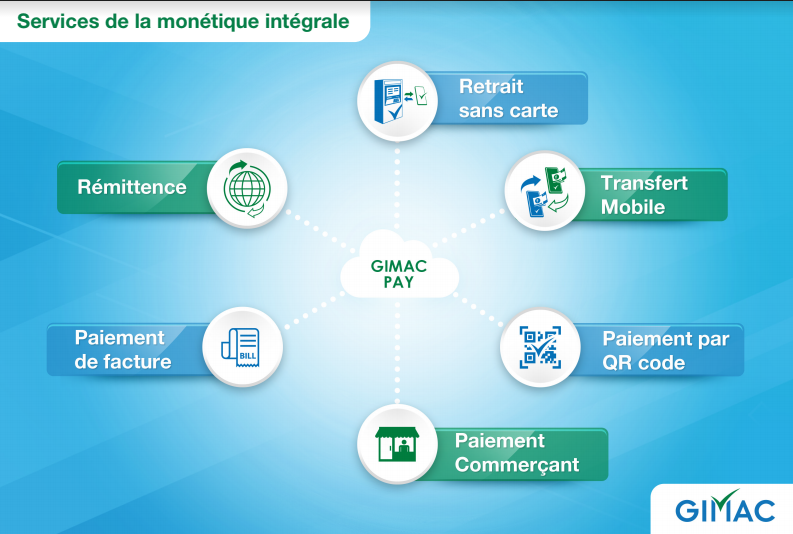
En 2018, la Banque des États de l’Afrique centrale (BEAC) a publié l’Instruction 001/GR/2018, définissant les principes d’interopérabilité (argent mobile, cartes bancaires, virements) via le système GIMAC. Deux ans plus tard, le gouverneur Abbas Mahamat Tolli a annoncé que l’interopérabilité mobile au sein de la zone CEMAC était désormais opérationnelle. Le lancement de GIMACPAY, une infrastructure intégrée de monnaie électronique gérée par le Groupe du Fonds monétaire interbancaire de l’Afrique centrale (GIMAC), a marqué un tournant.

La mise en œuvre de GIMACPAY permet désormais d’envoyer de l’argent entre utilisateurs de différents comptes (portefeuilles ou comptes bancaires), dans toute la zone CEMAC, ainsi qu’au sein de l’UEMOA. Contrairement à l’UEMOA, où Wave dominait, dans la CEMAC, ce cadre a été centralisé dès le départ via la BEAC, ce qui a structuré un environnement de jeu plus régulé dès le départ. Depuis 2020, plus de 70 acteurs – banques, opérateurs d’argent mobile et prestataires de services de paiement – ​​y ont été connectés.

Qu’est-ce qui a été réalisé d’ici 2025 ?

  • Fintechs : Contraintes strictes en matière de licences, mais accès à un marché plus vaste.
  • Banques et institutions de microfinance : Compétitivité accrue par rapport aux opérateurs télécoms.
  • E-commerce et marketplaces : Méthodes de paiement interopérables, frictions réduites.
  • Agritech et Healthtech : Paiements décentralisés, utiles en zones rurales. Insurtech et microassurance : Collecte simplifiée des primes.
  • Transferts de fonds de la diaspora : Réception fluide et multi-portefeuilles.

Le point de vue d’un fondateur de startup sur sa collaboration avec GIMACPAY

Image Source: iStock

Pour mieux comprendre la réalité à laquelle sont confrontées les startups, j’ai discuté avec un entrepreneur de la région qui a accepté de partager son expérience de manière anonyme, étant donné que l’entreprise est toujours en pourparlers réglementaires.

Cette interview a été légèrement modifiée pour plus de clarté.

Comment votre startup s’est-elle adaptée à l’obligation d’interopérabilité de la BEAC ?

D’un point de vue réglementaire et technique, nous n’avons pas eu beaucoup d’adaptations, car nos API étaient déjà conçues pour l’interopérabilité. Elles étaient utilisées par d’autres et vice versa. J’avais anticipé que l’interopérabilité arriverait tôt ou tard. Mais la réalité s’est avérée bien différente de ce que j’avais imaginé.

GIMACPAY a-t-il créé davantage d’opportunités ou davantage de défis ?

Les deux. Sur le papier, c’est une opportunité, mais sa mise en œuvre pose d’énormes défis.

Quels sont les principaux coûts et obstacles liés à l’intégration ?

Les frais réglementaires annuels sont élevés, notamment pour les acteurs locaux. Il y a aussi des coûts logistiques : l’envoi d’ingénieurs pour travailler sur l’intégration implique des frais de transport, d’hébergement, etc. Mais le véritable obstacle réside dans la capacité technique. L’infrastructure est encore immature et le niveau de compétences n’est pas toujours suffisant. Les serveurs sont parfois obsolètes au regard des exigences d’interopérabilité, et certains tests sont encore effectués manuellement, ce qui est lent et fastidieux.

Considérez-vous l’interopérabilité comme une menace ou un catalyseur d’innovation ?

Pour les acteurs historiques, c’est une menace, car ils préfèrent captiver leurs clients. Mais pour ceux qui souhaitent innover, c’est une opportunité. Il n’y a aucune raison que le paysage des paiements dans la CEMAC reste fragmenté. À terme, il y aura plusieurs acteurs, et seuls quelques-uns sortiront vainqueurs.

Comment voyez-vous l’écosystème fintech de la CEMAC dans cinq ans ?

Cinq ans, c’est trop court. Les choses évoluent lentement. Les opérateurs télécoms resteront dominants grâce à leurs ressources et à leur clientèle. Des acteurs comme Wave vont également bouleverser le marché, et il sera intéressant d’observer leur impact.

Conclusion : Un New Deal pour la finance numérique

La CEMAC a choisi d’emblée une voie centralisée et réglementée. Le système GIMACPAY, bien que limitant parfois l’agilité, crée un marché structuré, transparent et plus inclusif. Pour les startups, l’enjeu est désormais de se différencier non seulement par la fluidité des paiements, mais aussi par des services financiers à forte valeur ajoutée.

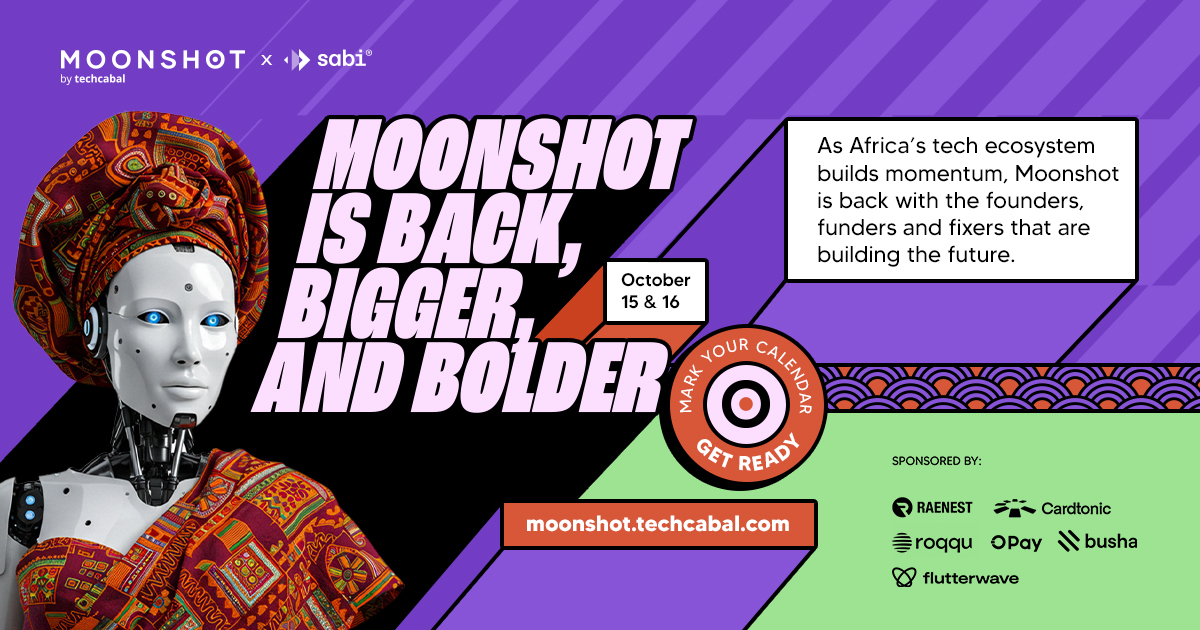
Mark your calendars! Moonshot by TechCabal is back in Lagos on October 15–16! Join Africa’s top founders, creatives & tech leaders for 2 days of keynotes, mixers & future-forward ideas. Early bird tickets now 20% off—don’t snooze! Get your tickets.

Revue des principaux titres

Avez-vous apprécié ? Partagez cette newsletter avec d’autres personnes.

Quelqu’un de génial t’a envoyé ça?

Abonnez-vous à cette newsletter

17, Eniyansoro Street, Ajao Road off Ogunlana Drive, Surulere, Lagos 101212, Nigeria

You received this because you signed up for our newsletter

Unsubscribe

  •  

Next Wave: Money is coming back to African startups; we need a better story to make it stay

Next Wave Logo

27 July, 2025

After consecutive steep drops in the amount of venture capital funding made out to startups in both halves of 2023 and 2024, the first half of 2025 has been a collective sigh of relief for stakeholders across Africa’s technology landscape.

But make no mistake, the uptick in startup fundraising is only part of a larger trend towards revising the case for investing in an African startup. I find that more people—fund managers, founders and other enablers are asking hard questions about what it means to build commercially viable businesses on the continent. And the 166% growth in the concentration of fundraising into fintech reflects an unspoken consensus that investors are clustering around what has been proven to work under the current “Africa opportunity narrative” versus where innovation meets deeper risk.

But, unlike mature technology business ecosystems, where concentrated investor interest in large language artificial intelligence models is the driving force behind the resurgence in startup investing, concentration narratives like the simplistic “fintech for inclusion” story is showing signs that it is near its structural limit. Even fintech-focused firms are modulating this story in their communications. It tells me that:

  1. Our startup and capital archetypes are evolving.
  2. The overarching story of startup and tech in Africa is losing its compelling power.

An overarching narrative is a set of stylised facts that explain something. It is the foundational set of generally accepted and simplified realities or idealized patterns that theories are constructed around to advance capital and entrepreneurial utility.

Next Wave continues after this ad.

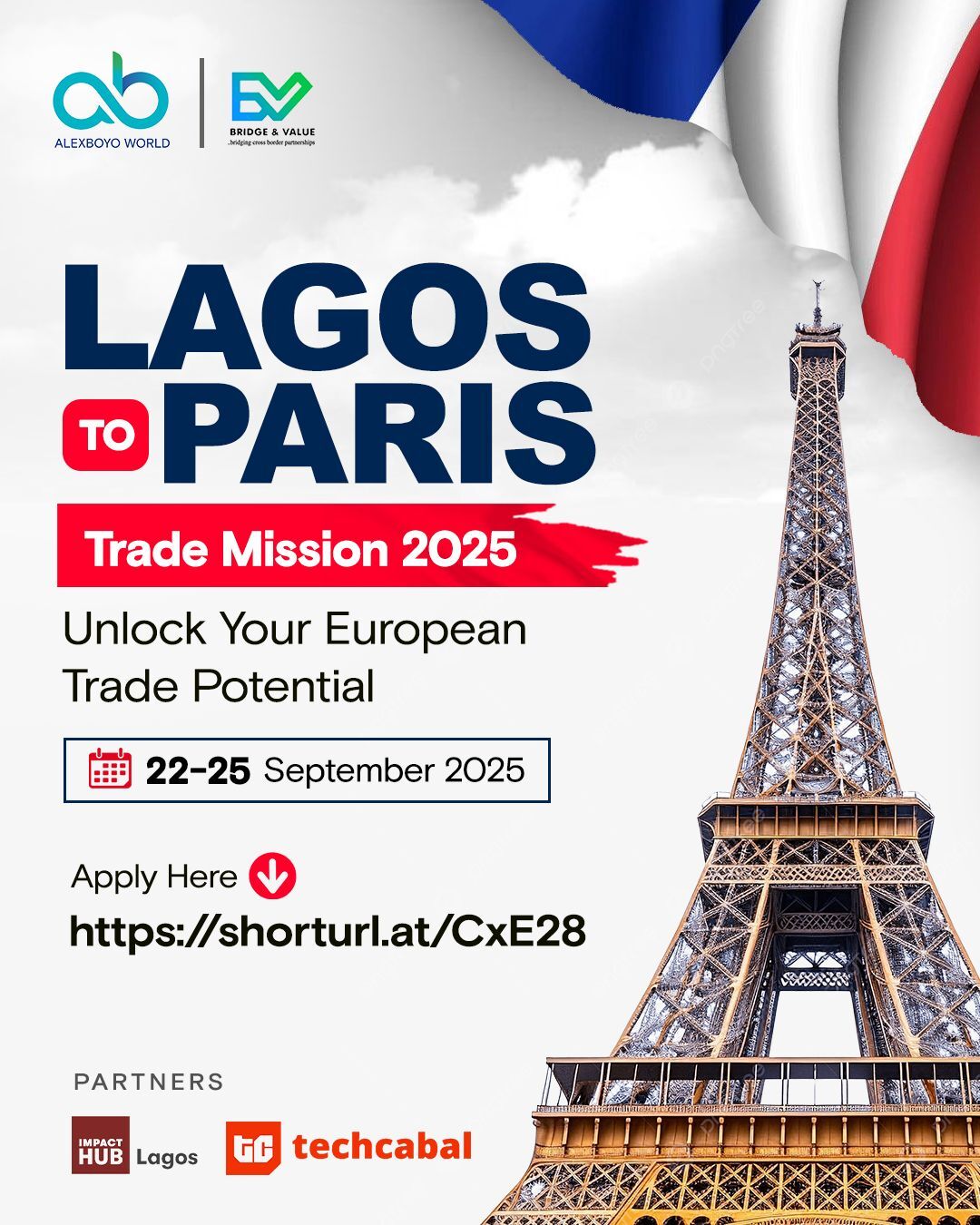
Join Us in Paris for the Bridge & Value Trade Mission: Sept 22–26, 2025.

This trade mission offers unparalleled access for Nigerian businesses seeking strategic partnerships, market entry support, and visibility across the European economic landscape. It is an exceptional opportunity for forward-thinking companies ready to scale, partner, and expand to Europe.

Register here!

For us in Africa, the major narratives oscillated between Africa’s demographic expansion and the implied market opportunity it represented. And the opportunity to create, shape and capture market share in some of the fastest-growing economies globally by deploying new technology to leapfrog institutional gaps and market failures.

Sectorally, “financial inclusion,” for example, drove financing flows and policy reform that fueled fintech ventures. That ship has lost steam today. Solar-based micro-grids, for example, drove financing to the models that produced the M-KOPAs of this world. That story has evolved into more complex models today, just as climate adaptation is driving funding to smallholder farm improvement technologies.

While many of the underlying stylised facts remain mostly true, the collision of the grand narrative with market realities and global capital flows has damaged the prevailing story. Unfortunately, most investors and even founders are still caught on the wrong side of a compelling non-moralistic narrative about building and investing in startups. In this sense, the current rebound in startup fundraising is a positive surprise.

Thus, while it’s easy to call the rebound in startup funding a “flight to quality,” it sounds and looks more like a “flight to safety” to me. It tells me that the big story that drove building and investing in startups is due for an upgrade.

Next Wave continues after this ad.

ICTEL

The Lagos Chamber of Commerce and Industry (LCCI) is proud to announce the 11th edition of the ICTEL Expo, set for July 29–30, 2025, at the Lagos Oriental Hotel, Victoria Island. Under the theme “Leveraging Technology for Innovation and Development in Africa,” the event aims to further position ICTEL as a premier platform for digital transformation, regional collaboration, and economic progress

Join us!

Billions of dollars were raised and deployed based on the existing stories. Unicorns were created, new fund managers joined the VC gravy train, and growth in startup hiring created work opportunities for thousands of brilliant young talent. 

But when the private startup capital market broke down from 2023 onwards, it became clear to anyone paying attention that the stories that turned on the capital spigot were not enough to keep the taps flowing. And most importantly, those stories probably worked because of cheap global money, and not always because of their commercial soundness. 

We now need stories that are less correlated to the global state of capital, and this applies whether your capital is local or not, because all capital is universal, if not geographically, then in terms of opportunity cost.

Next Wave continues after this ad.

Termii

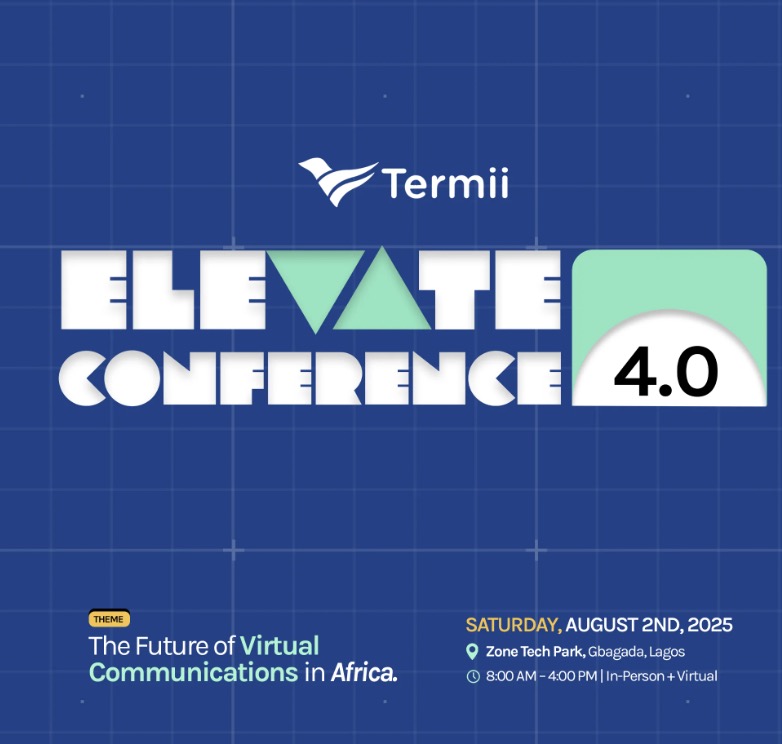
Join Africa’s builders at Termii Elevate 4.0 on August 2 – where AI, APIs, and digital infrastructure take center stage. With Iyin Aboyeji, Wetech, and other top voices. Free to attend:

Get your ticker here!

The State of Tech in Africa H1 2025 is a brilliant snapshot of the numbers and context behind a 6-quarter record haul in startup funding, startup layoffs, shutdowns, M&A, and deal count.

It is one thing to read a report about technology startups in Africa and focus on the headline numbers. But a better way for the reader to parse this compilation is to test where the reported numbers improve or disprove your set of stylised facts on building or investing in African startups. And this applies regardless of what your story was, e.g. demographic opportunity, leapfrogging, or even the failings of the VC model.

Next Wave continues after this ad.

moonshot

Africa’s tech ecosystem is alive with ambition, and Moonshot 2025 is catalysing it into unstoppable momentum. Our theme, “Building Momentum,” honours past builders and calls for doubling down on systems, capital, policies, and partnerships.

Expect new formats, deeper conversations, and broader voices. This is where vision becomes action. If you’re building, funding, or enabling Africa’s innovation economy, join us October 15–16 in Lagos. Early Bird tickets are 20% off! Let’s build the future, faster, smarter, together.

Reserver your spot!

Again, this applies whether your focus is on local or global capital because money and business are mobile, and narratives are a powerful vehicle for universal capital mobility.

The point is that despite the rebound in startup funding, the case for updating our commercial and collective narrative for investing in and building African startups has never been more urgent. Don’t believe me? Ask any of the more than two dozen local VC firms that are actively raising capital today.

Abraham Augustine

Ecosystem & Marketing Manager, Norrsken

Thank you for reading this far. Feel free to email abraham[@]norrskenfoundation.org, with your thoughts about this edition of NextWave. Or just click reply to share your thoughts and feedback.


We’d love to hear from you

Psst! Down here!

Thanks for reading today’s Next Wave. Please share. Or subscribe if someone shared it to you here for free to get fresh perspectives on the progress of digital innovation in Africa every Sunday.

As always feel free to email a reply or response to this essay. I enjoy reading those emails a lot.

TC Daily newsletter is out daily (Mon – Fri) brief of all the technology and business stories you need to know. Get it in your inbox each weekday at 7 AM (WAT).

Follow TechCabal on Twitter, Instagram, Facebook, and LinkedIn to stay engaged in our real-time conversations on tech and innovation in Africa.

If you liked this edition of Next Wave, please share with your friends. And feel free to reply with thoughts and feedback. We welcome those.

17, Eniyansoro Street, Ajao road off Ogunlana Drive, Surulere, Lagos.

View in Map
You received this email because you signed up on our website or made purchase from us. If you know longer wish to recieve these emails, please unsubscribe
  •  

Kenya’s cybersecurity ‘talent gap’ is a hiring problem

Next Wave Logo

First published O6 July, 2025

Kenya’s cybersecurity ‘talent gap’ is a hiring problem

cybersecurity

Image: Pixbay


This week, my colleague Adonijah published a piece about how Kenya’s digital economy is expanding rapidly and how that growth has come with its own set of problems. Banks, telecom companies, and insurers are expanding their mobile-first services. Government services are also going online, and with that comes a sharper need for cybersecurity. The risks are growing, and so is the demand for talent that isn’t just there, or so we have been made to believe.

Kenya’s cybersecurity workforce gap is often framed as a supply problem, and the result, we’re told, is understaffed banks, overworked tech teams, slow response to incidents, and dangerous exposure to digital threats. But, this version of the story sidesteps a harder question: what if the problem isn’t that the talent doesn’t exist, but that hiring systems are too rigid and narrow, and too flawed to recognise it?

The dominant logic across these sectors (especially in banking, for this context) is that hiring cybersecurity professionals should be technical, standardised, and rigorous. Roles are posted with lengthy checklists that include multiple certifications, years of experience, and specialised areas of expertise. Interviews, if they happen at all, are modelled after global formats, usually by solving a puzzle on a whiteboard, proving you know complex algorithms, or passing a coding test under pressure. But few local candidates make it through these filters, not because they aren’t skilled, but because the format itself works to exclude them.

Next Wave continues after this ad.

cardtonic

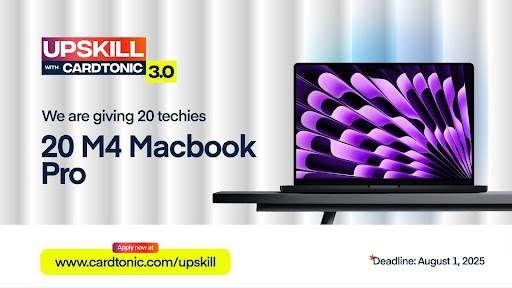
It’s Upskill with Cardtonic season again. Applications for Upskill 3.0 are open

Now is your chance to win one of the 20 units of 2024 M4 MacBook Pro Laptops we are giving away. If you’re a techie in software engineering, design, data science, product management, and content creation, this is for you!

Find out more here!

Technical interviews often reward the ability to perform under artificial, time-pressured conditions, not real-world competence. I spoke with former college and high school classmates who work in banking, telecommunications, and big tech (Google and Microsoft). Before they were hired for these international roles, they admitted to being asked to solve sorting problems, tree traversals, and optimisation challenges they hardly face on the job.

They were expected to write perfect code on a whiteboard or shared doc, from memory, without syntax help, debugging tools, or a collaborative setup. There’s an unspoken belief that this is how you separate “real” engineers from the rest. But what it actually filters for is who studied computer science in the right way or who enjoys brain teasers under surveillance. It is something that just doesn’t work.

This problem is shaping how local employers screen tech talent. In Nairobi, technical interviews are increasingly mimicking this pattern, especially in firms that want to compete with or supply to international partners. And in the process, they’re weeding out strong candidates who think differently, communicate differently, or just haven’t had the luxury to rehearse interview puzzles for weeks.

I have been told by the same group that certifications are treated as mandatory in most Kenyan cybersecurity job listings (I now understand why they are such a big deal on LinkedIn). Yet a Certified Information Systems Security Professional (CISSP) certification costs more than most entry-level IT workers make in several months.

Next Wave continues after this ad.

Alltalentz

All Talentz has launched Nigeria’s first nationwide tech hackathon, with TechCabal as media partner. Interested teams should register by July 4, 2025. The event runs from July 14 to August 23 in Lagos, and winners get ₦10M, a TechCrunch Disrupt trip, and opportuninty fr jobs. All applicants will join a global tech talent pool.

Register here!

And even those who invest in it still find themselves screened out if they lack the ‘right’ work history or can’t demonstrate fluency in jargon during interviews. Meanwhile, there are thousands of capable IT professionals, including network engineers and support staff who’ve spent years in adjacent roles, responding to incidents, managing infrastructure, or securing systems informally. They’re already doing half the job, but because hiring filters are rigid, they never even get interviewed.

Candidates who struggle with high-pressure environments tend to flounder in traditional interview formats. A close friend who worked in a software development firm in Uganda described how a colleague with a shy streak consistently failed interviews, despite being easily the most talented developer they had ever worked with. His mind worked differently, but the process never made space for that.

In other cases, some say that interviews are adversarial, especially for Kenyan banks. You’re asked to perform a trick the interviewer already knows the answer to, under judgment, with little real collaboration or feedback. And if you ask for clarification or go off-script, you risk triggering visible frustration. Some interviewers even nitpick syntax during whiteboard sessions, defeating the point of the tool as a sketchpad for thinking.

Next Wave continues after this ad.

moonshot

Africa’s tech ecosystem is alive with ambition, and Moonshot 2025 is catalysing it into unstoppable momentum. Our theme, “Building Momentum,” honours past builders and calls for doubling down on systems, capital, policies, and partnerships.

Expect new formats, deeper conversations, and broader voices. This is where vision becomes action. If you’re building, funding, or enabling Africa’s innovation economy, join us October 15–16 in Lagos. Early Bird tickets are 20% off! Let’s build the future, faster, smarter, together.

Reserver your spot!

What’s most concerning is that this interview culture—while claiming to be objective—is riddled with bias. Candidates who don’t live in Nairobi or didn’t go to JKUAT or Strathmore are less likely to be taken seriously. And because the process rewards fluency in academic algorithms and fast recall over real-world problem-solving, it disproportionately advantages younger candidates who recently studied those topics or those who have the spare time to grind interview prep. People with practical business experience, like delivering on projects, managing security under pressure, or navigating messy legacy systems, are penalised because they can’t whiteboard a binary search tree in 20 minutes.

This is how Kenya has ended up with a false perception of a shortage. A talent pool that exists but is largely invisible to current hiring filters. Employers say they can’t find people, but what they often mean is they can’t find people who fit a very narrow image of what skilled looks like. And in chasing that image, they’re letting real, practical, trainable talent walk out the door.

Kenn Abuya

Senior Reporter

Thank you for reading this far. Feel free to email kenn[at]bigcabal.com, with your thoughts about this edition of NextWave. Or just click reply to share your thoughts and feedback.


We’d love to hear from you

Psst! Down here!

Thanks for reading today’s Next Wave. Please share. Or subscribe if someone shared it to you here for free to get fresh perspectives on the progress of digital innovation in Africa every Sunday.

As always feel free to email a reply or response to this essay. I enjoy reading those emails a lot.

TC Daily newsletter is out daily (Mon – Fri) brief of all the technology and business stories you need to know. Get it in your inbox each weekday at 7 AM (WAT).

Follow TechCabal on Twitter, Instagram, Facebook, and LinkedIn to stay engaged in our real-time conversations on tech and innovation in Africa.

If you liked this edition of Next Wave, please share with your friends. And feel free to reply with thoughts and feedback. We welcome those.

18, Nnobi Street, Surulere, Lagos, Nigeria

View in Map
You received this email because you signed up on our website or made purchase from us. If you know longer wish to recieve these emails, please unsubscribe

  •  

👨🏿‍🚀TechCabal Daily – Takealot wants a lot

Good morning. ☀

It’s safe to say Multichoice Nigeria’s legal team isn’t having a good morning as they grapple with a hefty ₦766 million (500,000) fine from the Nigeria Data Protection Commission (NDPC) for violating the Nigeria Data Protection Act (NDP Act).

On a different note, how’s your second half of the year going? If you’re Gen Z, odds are you’re venting on TikTok about low pay, zero flexibility, and office drama. Owl Labs’ 2024 report says 43% of workers are more stressed than last year and 89% see no improvement in their work-related stress. The grind isn’t getting easier. How’s work treating you?

PS: If you’re curious about the tech ecosystem in Francophone Africa, sign up for our latest newsletter, TNW: Francophone Africa. We’ll bring the biggest insider insights and analysis of the region’s technology landscape bi-monthly. Sign up here and be the first to know.

Let’s get into today’s dispatch!

Banking

Nigerians can now swipe their naira card globally again

Image Source: Zikoko Memes

After three years, Nigerian banks have finally opened the gates for naira debit cards to roam globally again. That means you can now pay for your Apple Music, Amazon orders, or even that random item on AliExpress with the same card you use for Jumia.

United Bank for Africa (UBA) and Wema Bank are leading the comeback, confirming that their Premium Naira Cards and Naira Mastercards are once again enabled for international transactions—online transactions, POS machines, and ATMs abroad.

Why was there even a restriction? The year was 2022 and the survival of key sectors in the Nigerian economy were under threat. Foreign exchange was scarce, oil revenues were shaky, and Nigeria’s Central Bank’s managed exchange rate wasn’t helping. Eventually, financial institutions pulled the plug on global naira transactions. To keep their playlists going, people turned to virtual dollar cards from fintechs like Chipper Cash, Eversend, Cardtonic, and Payday.

What changed? It appears the confidence in Nigeria’s foreign exchange market is slowly creeping back to Nigeria’s Central Bank. The naira has shown signs of appreciation and diaspora remittances are now over $20 billion.

This is a curveball for virtual card providers. When banks locked international payments, startups like Chipper Cash, Eversend, Cardtonic, and Payday, stepped in with dollar cards. But now? These companies will have to step it up: offer better rates, more flexibility, or risk becoming irrelevant. 

This is because not everyone will keep paying extra for what their naira card can now do natively. And in Nigeria’s fast-moving payment space, only the most adaptable will survive the next chapter.

Save more on every NGN transaction with Fincra

Stop overpaying for NGN payments. Fincra’s fees are more affordable than other payment platforms for collections & payouts. The bigger the transaction, the more you save. Create a free account in 3 minutes and start saving today.

Get the best African tech newsletters in your inbox

E-commerce

Takealot wants to hire 18,000 new workers from the ruins of the Post Office

Image Source: Zikoko Memes/TechCabal

18,000 workers who lost their jobs at South Africa’s Post Office, one of the country’s largest public employer, are about to get a new home.

Takealot is in talks to hire up to 18,000 retrenched workers from the South African Post Office, as part of a government-backed plan to repurpose state talent for private sector growth. 

The plan, confirmed by the Department of Communications on July 3, is still under discussion. But the direction is clear: Takealot is ramping up its logistics workforce at scale ahead of a delivery war with the likes of new entrants Amazon, Shein, and Temu.

Why does it matter? Takealot is expanding aggressively to maintain its lead in South Africa’s e-commerce market. Amazon’s full local launch in 2024 changed the game. In response, Takealot has grown its revenue by 15%, offloaded non-core assets like Superbalist, and invested in AI tools, dark stores, and delivery operations. Now it’s looking at labour—skilled, available, and already trained in logistics basics.

This potential hiring wave reveals where Takealot’s focus is: building delivery muscle and shifting to an operations-heavy setup. Many of these former Post Office workers already know routing, package handling, and customer service. They also live close to the communities that Takealot wants to reach.

The online retail giant is also exploring township delivery programmes and driver development. It wants to build a national last-mile network that’s faster, more flexible, and harder for Amazon to replicate.

The state sees this as an opportunity to soften the blow of the Post Office collapse. Takealot sees a logistics edge and political capital. South Africa may get both jobs and an improved service delivery. A win for everyone involved.

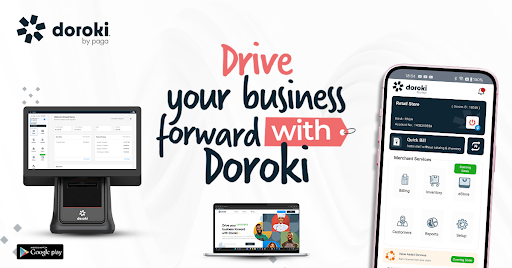
Drive your business forward with Doroki

Whether you are a retail store, restaurant, pharmacy, supermarket, salon or spa, Doroki helps simplify your operations so you can focus on what matters most: your customers and your growth. Manage your business smarter, start here.

Internet

Egypt just landed two subsea cables with 126 TeraBits per second capacity

Subsea internet cables/Image Source: The Spectator

Telekom Egypt and SubCom just pulled off two key landings of the SEA-ME-WE-6 subsea cable system—one on the Mediterranean and the other on the Red Sea. 

SEA-ME-WE-6: Southeast Asia-Middle East-Western Europe 6 (pretty cool, huh?)

Why does this matter? This isn’t just confusing wiring talk, and the SEA-ME-WE-6 isn’t just a shiny new pipeline. It is built to deliver a design capacity of 126 terabits per second, enough to handle millions of high resolution video calls all at the same time. Think faster internet connection, fewer network outages, and better protection against cable disruptions, like the seismic shock that hit West Africa in 2024.

For Egypt, it strengthens its role as a digital transit hub. The country already hosts 10 cable landing stations, supports 15 live subsea cables, and has five more under construction. But the SEA-ME-WE-6 puts Egypt back at the centre of the internet map. With growing demand for high-speed connections driven by cloud services, remote work, and digital trade, Egypt is well-positioned to monetise its geography.More global players will pay to move traffic through its routes, and more investors will look at Egypt’s internet economy seriously. With this, comes more economic power and digital influence for Egypt.

The signal is clear: Egypt isn’t just hosting internet traffic, it is routing the future. Soon, the world won’t just be connecting to Egypt, it will be connecting through it.

Accept in-person payments with Paystack Virtual Terminal!

Anyone can sell in-person. With Paystack Virtual Terminal, you can accept secure payments anywhere using just a QR code. No hardware needed. Learn more here →

Get the best African tech newsletters in your inbox

Telecoms

NCC gives tower companies until August to improve internet quality or face fines

Image Source: TechCabal

Dear Nigerians, the next time your internet glitches midway through your Netflix binge or a Zoom call, the NCC wants you to know who is responsible.

In a sweeping change, the Nigerian Communications Commission (NCC), the regulator for telecom firms and internet service providers (ISPs), has said it will introduce a portal for tower companies to report downtimes on their network facilities. It has also given them an August deadline to improve their infrastructure or face fines.

Why does this matter? According to the NCC, Nigeria experiences an average of two network outages daily, with a total of 349 major outages recorded across the country between January and June 2025.

The NCC wants every company involved in the network connectivity value chain to be held accountable. When your internet connection frustrates you next time, it’s not enough to blame MTN, Airtel, Glo, or 9mobile. There are more players behind the scenes that make internet connectivity happen. Tower Companies (TowerCos) are one of them; they manage and maintain the cell towers you see in your streets, lease them to telecom companies, and charge for it. When their infrastructure fails, it affects you too.

Zoom out: Since the telecom tariff hike took effect in February, Nigerians have been paying more for internet, voice, and SMS services. Now the NCC is saying: if consumers must pay more, then service providers—especially TowerCos—must deliver more. And fast. 

In September 2024, the telecom regulator reviewed its Quality of Service (QoS) benchmarks for mobile operators to improve internet quality and call drop rate. As part of that review, mobile operators now face a fine of ₦5 million ($3,300) if they fail to improve their service, and an additional ₦500,000 ($330) daily for the period the infraction lasts.

TowerCos too, like mobile operators, will get the same accountability treatment. No more excuses about diesel costs or unpaid bills from mobile operators. The Commission has made it clear: downtime has a deadline. And it expires in August.

Women, Apply to TC’s Battlefield Mentorship Programme.

If you’re a Nigerian woman in middle management with an ambitious idea and a passion to build, this is for you. TechCabal Battlefield and Ventures Platform are offering a mentorship program to help you explore and build your first tech-enabled venture. You’ll get practical insights, honest conversations with founders and investors, and a 1-on-1 session with venture builders and ecosystem enablers. Apply here→

CRYPTO TRACKER

The World Wide Web3

Source:

CoinMarketCap logo

Coin Name

Current Value

Day

Month

Bitcoin $109,191

+ 1.09%

+ 1.43%

Ether $2,577

+ 2.59%

+ 3.59%

XRP $2.27

+ 2.02%

+ 4.21%

Solana $151.93

+ 3.11%

+ 1.37%

* Data as of 06.15 AM WAT, July 7, 2025.

Introducing, The Naira Life Conference by Zikoko

This August, the Naira Life Con will bring together wealth builders, entrepreneurs, financial leaders, and everyday Nigerians to share their experiences with earning, managing, and spending money. Think: bold conversations, immersive workshops, and content tracks that hand you a playbook for building real wealth. Get early bird tickets now at 30% off only for a limited time.

Opportunities

  • MEST Africa has opened applications for its 2026 AI Startup Programme. The 12-month training and incubation programme will equip West African software developers aged 21–30 with the skills to build scalable AI startups. Selected participants will undergo seven months of hands-on training in Ghana starting January 2026, followed by a four-month incubation for the most promising teams. Applications close August 22, 2025. Apply here.
  • Applications are still open for the 2025 FATE Institute Fellowship, a two-year, part-time and virtual programme for experienced Nigerian professionals passionate about entrepreneurship and policy reform. The fellowship is open to candidates with at least 10 years of relevant experience and a completed or ongoing Master’s or PhD in fields like Economics, Law, or Political Science. Fellows will work remotely, contribute to research on Nigeria’s entrepreneurship ecosystem, engage with policymakers, and take part in virtual policy discussions, without needing to leave their current roles. Apply by July 25.
  • We’re launching TechCabal Insights Market Researcher™, a tool that helps you find and analyse African tech and business data in seconds. Whether you’re looking for startup funding numbers, market trends, or investor activity, it does the digging for you—fast and accurately. Be the first to try it. Join the waitlist.

Written by: Opeyemi Kareem and Emmanuel Nwosu

Edited by: Faith Omoniyi

Want more of TechCabal?

Sign up for our insightful newsletters on the business and economy of tech in Africa.

P:S If you’re often missing TC Daily in your inbox, check your Promotions folder and move any edition of TC Daily from “Promotions” to your “Main” or “Primary” folder and TC Daily will always come to you.

Email Us
  •  

👨🏿‍🚀TechCabal Daily – DStv tests out weekly payments

Wazzup!

How much do you know about technology in Francophone Africa? What are the region’s most important startups or crucial policy developments around tech innovation? We’re excited to partner with Lina Kacyem, Investment Manager, Launch Africa Ventures to introduce a web-only newsletter about tech in Francophone Africa. 

Lina has almost twenty years of experience in various sectors of the financial industry and is the co-founder of the angel network, Next Millennia Angels. As an investment manager, Lina leads investments in Francophone Africa and will bring decades of first-hand experience, insider insights and analysis of the region’s technology landscape into curating a newsletter that will help you and our wider audience learn about the tech innovation, policy, culture, and economy as it unfolds in Francophone Africa. 

Expect a dispatch every two Tuesdays, beginning tomorrow. Sign up here.

Streaming

DStv’s weekly subscription test: A new chapter in pay-TV?

Image Source: MultiChoice

We’ve heard Multichoice’s 9% year-on-year revenue decline in the recently ended financial year. We’ve heard of their 1.2 million decline in subscribers. Now, we are hearing that the pay-TV giant has quietly started testing weekly subscription plans in Uganda for the last seven weeks. 

Users can now pay weekly, instead of paying for a full month. If this trial gains traction, it could spread to the company’s other markets in the coming months.

Why the sudden change? The short answer: people aren’t paying like they used to. Tough macroeconomic situations have made many users cut back on pay-TV, and DSTV wants to adapt. Weekly payments might feel less heavy for users.

What does this mean for viewers? In addition to weekly payments, this move means there’s some flexibility on the horizon, but not full control. MultiChoice still doesn’t believe in customers building their bundle by choosing channels. However, it is exploring an offering where customers could get a base product and then add channels to it. This is in line with its recent plan to unbundle SuperSport from its offerings.

Zoom out: If weekly plans catch on, could they replace monthly plans? Would paying week by week turn out to be cheaper, or become more expensive over time? Could this move bring back old users or lure people away from Netflix and other streaming services? 

It’s still in its testing phase, but it is clear that DStv knows it has to evolve or risk being left behind.

Join Fincra for an Exclusive Networking Mixer at iFX Expo, Cyprus.

Fincra is co-hosting “AI-Powered Fintech and Blockchain” at iFX Expo, Cyprus, with Quidax. Join the brightest minds in fintech and blockchain for insightful panels & networking. Limited spots – RSVP here.

Get the best African tech newsletters in your inbox

Mobility

Tesla, the popular EV company, has opened an office in Morocco

Image Source: TechCabal

It looks like Elon Musk wants to lock in again.

After months of playing right-wing politics and being buddies with US President Donald Trump, Musk, the CEO of Tesla, has decided to turn his focus back on his companies.

In his first move after his very public, messy exit from the White House, Musk’s Tesla, the company which makes electric cars, has opened an office in Casablanca, Morocco, with an initial investment of $2.75 million. This is the first time the electric car company will enter an African country—and it’s an interesting play.

Tesla will make and sell its electric cars in Morocco, along with providing energy solutions like charging stations, solar panels, and photovoltaic technologies. 

With a presence in Africa, Tesla can control the launch, distribution, and after-sales services of its cars in the market. This is a value chain it previously controlled remotely from the US. People didn’t just steer clear of buying a Tesla because of the lack of infrastructure (South Africans buy electric cars), but the lack of boots on the ground made them second-guess Tesla. This will change things.

But why Morocco? Tesla likely chose Morocco for its strategic location; the region offers a window into the rest of Africa—with cheaper duty-free exports—and also gives the mobility company the opportunity to export to Europe, Gulf countries, or the rest of the Middle East.

Again, with Trump’s “big, beautiful bill” threatening to cut EV subsidies—which have made Tesla cars affordable for Americans over the years—the car company could be looking elsewhere for growth opportunities.

Tesla is entering a $2.56 billion shared mobility market where longtime competitor, China’s BYD, already exists. In Morocco, Renault, Dacia, and Hyundai sell the most cars due to their low-cost maintenance, yet EV demand—especially for e-bikes—is growing. 

Whether Tesla will start making e-bikes is something we cannot answer yet, but our guess is it will try to create demand for its cars. If you’re a Moroccan reading this newsletter, this news will make you happy. This author’s dream car is a Tesla.

Order physical Paga cards, spend with confidence.

Tired of declined payments? Avoid the side-eyes at the cash till with Paga’s physical prepaid card. Designed to give you control, security, and ease. Fund and spend with confidence. Get yours today!.

Startups

Moove eyes $1 billion valuation with planned $300 million raise

Image Source: Tenor

From Lagos to Miami, Moove is on the move to become a unicorn. 

The Uber-backed Nigerian startup wants $300 million, a cash injection that could drive its valuation over the $1 billion mark, earning it a unicorn badge. 

“What’s this $300 million for?” See it as fuel for the next lap. Moove is growing (and expanding) at breakneck speed. The company’s revenue has climbed to $360 million from $115 million in just a little over a year. In January, it acquired Kovi, a Brazilian urban mobility provider that finances ride-hailing drivers, marking its footprint in Latin America. 

The acquisition came after Moove’s partnership with Waymo, a self-driving vehicle division, to manage fleets of autonomous vehicles in US states, including Phoenix, Arizona, and Miami, Florida. 

If you don’t know Moove: This startup buys cars with bank loans and offers them to Uber drivers through a drive-to-own model—meaning the drivers can pay for the cars with part of their earnings until they eventually own them.

The new capital will power its expansion ambitions and strengthen its US operations, pushing it further into the world of self-driving cars. This isn’t just another startup trying to bulk up on funding. Moove is plotting a full-blown global takeover, from Lagos to London, and to Waymo robo-taxis in the US.

Where the road leads for Moove: Although the company’s current agreement with Waymo is limited to fleet management, it plans to purchase AV-enabled cars from manufacturers and lease mini-fleets of robotaxis to individuals or businesses. Moove’s ambition is to become a key player in the autonomous mobility ecosystem.

If Moove lands this $300 million, it will possibly become a key infrastructure layer for autonomous vehicles, signalling that African-born startups can lead in shaping global tech infrastructure, not just participate in it.

Stay up to date with the latest Paystack news!

Subscribe to Paystack for a curated dose of product updates, insights, event invites and more. Subscribe here →

Get the best African tech newsletters in your inbox

Cryptocurrency

CBEX Ponzi scheme: Nigerians need regulators to save them from themselves

Image Source: Zikoko Memes

It’s sad that despite multiple media reports, warnings, and red flags, many Nigerians are still hooked on CBEX, the Ponzi scheme that took the country by surprise in April. 

After freezing withdrawals, CBEX is now asking users to pay a $100 “verification fee” to get their money back.

This makes no sense. A platform that owes you money shouldn’t ask for more. It’s like charging people to unlock the door you already locked from the outside. Classic Ponzi behaviour.

Remember Racksterli? The platform collapsed in 2021, then returned with a dummy site asking users to keep engaging. People kept paying in, but no one got paid out.

Our theory on CBEX is simple: the money is gone. And in its final days, it’s trying to squeeze more out of desperate users to “pay them back.” And sadly, some are still falling for it. According to engagements seen in Telegram groups, users who pay the fee are added to a “private” group to talk to CBEX admins about repayments.

The shuffle of Nigerians toward predatory schemes like CBEX—stemming from greed or desperation at this point—is driven by a deep-rooted lack of financial education. CBEX promised steady monthly returns from crypto futures trading. But if you know anything about trading, you know returns are never guaranteed.

Regulators need to step up. The Securities and Exchange Commission (SEC), for example, could work with telecom operators in the country to block access to known Ponzi websites like CBEX. It might not solve everything, but it could slow the damage.

For now, CBEX says it will pay 50% of debts by June 25. Fingers crossed, but the Ponzi platform remains a ticking time bomb.

Introducing, The Naira Life Conference by Zikoko

This August, the Naira Life Con will bring together wealth builders, entrepreneurs, financial leaders, and everyday Nigerians to share their experiences with earning, managing, and spending money. Think: bold conversations, immersive workshops, and content tracks that hand you a playbook for building real wealth. Get early bird tickets now at 30% off only for a limited time.

CRYPTO TRACKER

The World Wide Web3

Source:

CoinMarketCap logo

Coin Name

Current Value

Day

Month

Bitcoin $106,617

+ 0.72%

+ 2.95%

Ether $2,610

+ 2.44%

+ 4.75%

Hosico $0.02566

+ 11.91%

+ 16.92%

Solana $157.35

+ 7.21%

– 6.37%

* Data as of 06.45 AM WAT, June 16, 2025.

Job Openings

Written by: Opeyemi Kareem and Emmanuel Nwosu

Edited by: Faith Omoniyi

Want more of TechCabal?

Sign up for our insightful newsletters on the business and economy of tech in Africa.

  • The Next Wave: futuristic analysis of the business of tech in Africa.
  • TC Scoops: breaking news from TechCabal

P:S If you’re often missing TC Daily in your inbox, check your Promotions folder and move any edition of TC Daily from “Promotions” to your “Main” or “Primary” folder and TC Daily will always come to you.

Email Us
  •