Vue lecture

Nigeria’s Film Industry Has A Radical Plan To Save Itself From Streaming Giants

As Netflix and Amazon Prime retreat from Nigeria’s original content scene, two of Nollywood’s biggest players, Inkblot Studios and Filmhouse Group, are betting that the time is finally right for a homegrown streaming service. Their joint venture, Kava, is set to launch in August 2025, promising a curated library of Nollywood films and series backed by scale, strategy, and a touch of realism.

At first glance, it’s an ambitious leap. Kava enters a streaming landscape littered with cautionary tales—iROKOtv chief among them—while global streamers pull back on African investments and creators increasingly pivot to YouTube in search of monetisation and autonomy.

But Kava’s founders insist they’ve learned from past failures. And rather than chase Netflix’s scale or Iroko’s first-mover status, they’re building for depth—with a model that leans on high-quality local content, diaspora appeal, and a sustainable, multi-platform ecosystem.

“We’re not just streaming films. We’re fueling careers and building an infrastructure for African storytelling,” says Kene Okwuosa, Kava’s co-CEO and head of Filmhouse Group.

Filmhouse boasts West Africa’s largest cinema chain and controls a vertically integrated studio-distribution network through FilmOne. Inkblot Studios, behind hits like The Set Up and Up North, was the first Nigerian production house to ink licensing deals with both Netflix and Amazon.

The platform launches with over 30 premium Nollywood titles and promises fresh drops weekly. Featured titles include Alakada Bad and Boujee, Owambe Thieves, What About Us, and House Job. Originals are in the pipeline, and Kava eventually plans to scale beyond Nigeria to tell stories across Africa.

But more than content, the founders say, Kava is a “digital infrastructure” project; a way to centralise Nollywood’s fractured monetisation channels, serve fans directly, and offer creators fairer economics than the ad-driven instability of YouTube or the bureaucratic lag of foreign licensing.

“When we deliver content at scale to audiences beyond ourselves, they’ll fall in love with the stories. They just don’t know it yet,” says Inkblot’s Chinaza Onuzo, who serves as Kava’s co-CEO.

Kava arrives at a transitional moment. Netflix and Prime Video have dialled back their local originals after a brief Nollywood shopping spree between 2020 and 2022. What’s hitting screens now, like Kemi Adetiba’s To Kill A Monkey, are the last remnants of that era. New commissions have slowed to a crawl.

This vacuum has driven creators to YouTube, where lighter, faster productions offer greater creative control and instant ad payouts. But the economics remain brutal. CPMs in Nigeria hover around USD 1.00, and a star actor might cost millions of naira, meaning millions of weekly views are required to break even, let alone profit.

Subscription platforms (SVODs) aren’t much better. iROKOtv, once hailed as the “Netflix of Africa,” spent over USD 100 M trying to crack the Nigerian market, only to retreat in 2023 and pivot to diaspora users in the U.S. and U.K. Its active user base peaked at under 200,000. Even its founder Jason Njoku now insists: “SVOD can’t work here.”

Fresh attempts at wooing the diaspora indicate a push for untapped opportunities, however. Roughly five million Nigerians live abroad, sending more than USD 20 B home every year. They’re already used to subscriptions and hungry for high-quality content that reflects their culture. Kava, along with other newcomer rivals, such as EbonlyLife ON Plus, is chasing that niche.

Kava’s leadership sees itself less as a Netflix clone and more of a niche but deeply committed hub for loyal fans. Product chief Damola Ademola compares the model to anime or horror streaming services like Shudder: “African movies can easily be just like that,” he told TechCabal.

Funding is in motion. A friends-and-family round has already closed, with institutional backing from TLG Capital and VestedWorld. More capital will be instrumental in expanding Kava’s footprint across Africa and into the U.K. and Europe. Yet even with funding, no one is pretending this will be easy.

Feature Image Credits: BusinessDayNG

The post Nigeria’s Film Industry Has A Radical Plan To Save Itself From Streaming Giants appeared first on WeeTracker.
  •  

Backed by Nollywood heavyweights, Kava aims to succeed where Netflix, Amazon, IrokoTV fell short

On the evening of March 24, the launch of Kava, a new streaming platform for Nollywood and African content, brought together the worlds of music, film, and technology. Prodigy saxophonist Temilayo Abodunrin serenaded actor Shaffy Bello, who danced joyfully amid industry veterans, filmmakers, and investors.

Set to launch in August 2025, Kava, a subscription-based platform, is a collaborative effort between InkBlot Studios, an industry heavyweight behind box office hits, and Filmhouse Group, West Africa’s largest cinema chain. 

“We’re building a platform that doesn’t just stream films—it fuels careers, drives innovation, and connects African creativity to audiences around the world,” said Kene Okwuosa, Kava’s co-CEO and head of Filmhouse Group.

In a panel discussion, Kava’s co-CEOs, Okwuosa and Chinaza Onuzo, revealed the venture’s ambitious origins. What began as an idea five years ago only started taking shape three months prior. Onuzo, whose production company has collaborated with Filmhouse for nearly a decade, asserts the timing is now perfect for their vision: to build a sustainable digital ecosystem for African storytelling.

Kava has a point to prove

Nollywood has a remarkable history of reinvention, continuously adapting its distribution model from VCD rentals to cinemas and now, streaming. Today, global giants like Netflix and Amazon Prime, alongside YouTube and local pioneers like IROKOTV, offer vast movie catalogues.

Despite Nollywood’s increasing popularity, especially among the diaspora, no platform has yet cracked the code on making African stories a global streaming staple and a sustainable business. U.S. giants like Netflix and Amazon Prime, after significant investments, are scaling back operations in Nigeria..

Homegrown platforms like IrokoTV also exited the Nigerian market, with founder Jason Njoku candidly stating, “Between the revenues we generated and the venture capital we raised $35 million over the first ten years, we easily spent $100 million trying to win. We were just there, in full survival mode, operating in the toughest conditions possible.”

However, Damola Ademola, co-founder of Inkblot and Kava’s product head, remains optimistic. He told TechCabal that IrokoTV “may have been ahead of its time,” noting that when the company launched nearly a decade ago, “broadband networking was not as penetrative on the continent.” Now, he argues, “a lot more people are used to the concept of streaming. It’s an easier sell.” 

Ademola draws parallels to successful niche services like Crunchyroll for anime and Shudder for horror, asserting, “African movies can easily be just like that.” He even cites a surprising example of Nollywood’s global reach: “Before the Ukrainian war, every time we released a Nollywood movie, we would see a spike in Ukraine… it means that our content can be universal, can be global.”

Kava Co-CEO Onuzo further emphasises the existing global consumption of Nigerian content: “One of the things that the streaming era showed us was that our content is consumed all over the world. I don’t know how many Nigerians are in Brazil, or Argentina, but you find that our content trots well and people engage it.”

Kava aims to capitalise on this interest by delivering high-quality, diverse content at scale. “When we’re able to deliver content at scale to audiences that are not just us, they will understand and fall in love with the stories that we have. They just don’t know it yet, but they will fall in love with us.”

At launch, Kava will feature over 30 premium Nollywood titles, with fresh releases weekly, including Alakada Bad and Boujee, Owambe Thieves (starring Zubby Michael, Odunlade Adekola, and Solo Sobowale), What About Us (featuring Kuni Remie and Uzor Arukwe), and House Job with Erica Nlewedim. Beyond licensing, the co-CEOs are committed to original content. 

Onuzo notes, “The beauty of this platform is that it allows us to scale our ability to tell stories…in different identities, different languages, different versions.” While Nigeria and Nollywood are the starting point, Kava envisions programming in many African countries.

Funding the vision 

This ambition requires significant funding. Kava has secured initial investments from a “family and friends” round and financiers like Vested World and TLG Capital. While the specific amount wasn’t disclosed, product chief Adedamola told TechCabal the company will soon raise more funding for rapid expansion across Africa and into Europe, particularly the UK.

This optimism aligns with a recent surge of investment in Nollywood from Nigeria’s tech sector. Since 2023, African startup founders and VCs have been increasingly backing films directly, with firms like Voltron Capital reportedly achieving up to 3x returns on projects like The Black Book and Gangs of Lagos. Dedicated film financing marketplaces like TalentX Africa are also emerging.

Ladun Awobokun, Kava’s Head of Content Acquisition, encapsulates the platform’s expansive vision: “Kava will champion African music, movies, fashion, culture, and voices, creating a space where creators across Nigeria and the diaspora can shine.”

The global success of Afrobeats and African fashion offers a compelling precedent for Nollywood. Onuzo reiterated, “One of the things that the streaming era showed us was that our content is consumed all over the world… you find that our content travels well and people engage with it.” Kava aims to leverage this existing global interest. “And we believe that when we’re able to deliver content at scale to audiences that are not just us, they will understand and fall in love with the stories that we have,” Onuzo concluded. “They just don’t know it yet, but they will fall in love with us.

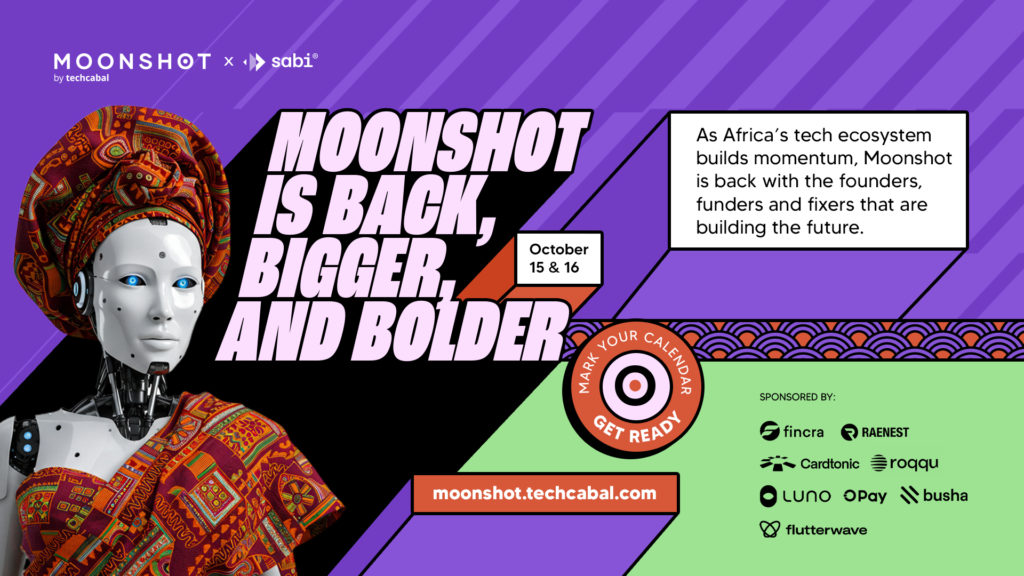
Mark your calendars! Moonshot by TechCabal is back in Lagos on October 15–16! Join Africa’s top founders, creatives & tech leaders for 2 days of keynotes, mixers & future-forward ideas. Early bird tickets now 20% off—don’t snooze! moonshot.techcabal.com

  •  

14 Prolific Writer-Director Collaborations in Nollywood

In Nollywood, a growing number of writer-director pairings are leaving their mark, not just through individual hits but through sustained partnerships

By Joseph Jonathan 

In the world of film, few things are as powerful or as important as creative collaboration. A compelling script needs a visionary director to bring it to life, just as a director relies on a sharp, coherent screenplay to guide the soul of their film. The magic of filmmaking happens when these two forces align, creating stories that resonate deeply with audiences.

As six-time Oscar-winning director, Alan Parker, once said, Filmmaking is a collaborative art form. No filmmaker in history ever made a film on his, or her, own. Let’s face it, even Leonardo needed a little help painting “The Last Supper”, but Federico needed a hundred people to help him make “La Dolce Vita””. This statement rings especially true in Nollywood, where a growing number of writer-director pairings are leaving their mark, not just through individual hits but through sustained partnerships that have defined genres, launched careers, and redefined storytelling. 

In this listicle, we spotlight some of Nollywood’s most prolific writer-director duos: those who have worked together on three or more projects together. And because some magic only needs two chances to spark, we’ve also included honourable mentions.

Isaac Ayodeji & Taiwo Egunjobi

Nollywood
Isaac Ayodeji & Taiwo Egunjobi

In Ibadan (2021), All Na Vibes (2021), Crushed Roses (2022), A Green Fever (2023), The Fire and The Moth (2025)

Having worked as co-writers on Dwindle (2021), the duo teamed up for Egunjobi’s directorial debut, In Ibadan, and have never looked back since. They have gone on to become one of the most exciting writer-director teams in Nigeria’s indie film space. Their collaborations explore youth, rebellion, and societal decay with raw energy and poetic realism. With each film, their collaboration adds a new layer to its evolving cinematic vision.

Collins Okoh & Funke Akindele

Nollywood
Collins Okoh & Funke Akindele

Omo Ghetto: The Saga (2020), A Tribe Called Judah (2023), She Must Be Obeyed (2023), Everybody Loves Jenifa (2024), Finding Me (2025)

Funke Akindele is rightly called Nollywood’s box office queen, but behind some of her biggest box office hits is the pen of Collins Okoh. Together, they’ve shaped stories that balance broad comedy with strong emotional stakes, speaking directly to Nigeria’s urban middle class.

Akinlabi Ishola & Funke Akindele

Akinlabi Ishola & Funke Akindele

A Tribe Called Judah (2023), She Must Be Obeyed (2023), Everybody Loves Jenifa  (2024), Finding Me (2025)

Another key collaborator in Akindele’s camp, Ishola’s scripting style leans into contemporary themes and multi-character ensembles. As a frequent collaborator with Collins Okoh and Funke Akindele, their work together signals a production model built on trust and consistency.

Tunde Babalola & Kunle Afolayan

Tunde Babalola & Kunle Afolayan

October 1 (2014), The CEO (2016), Mokalik (2019), Diamonds in the Sky (2019), Tenant of the House (2019), Citation (2020), Aníkúlápó (2022), Ijogbon (2023)

As the most prolific on this list, Tunde Babalola and Kunle Afolayan’s partnership is responsible for some of Nollywood’s most ambitious and globally recognised films. Whether it’s period dramas or political thrillers, their work is marked by intelligent scripting and cinematic ambition which is evident in the critical acclaim which most of their work have received. 

Kemi Adesoye & Kunle Afolayan

Nollywood
Kemi Adesoye & Kunle Afolayan

The Figurine (2009), Phone Swap (2012), Ọmụgwọ (2017), A Naija Christmas (2021)

Kemi Adesoye is known for her character-driven narratives, and with Afolayan’s experienced cinematic eye, this duo has delivered both commercial hits and critical favourites. Their early work together, The Figurine is one of the films that helped define the New Nollywood era.

Shola Dada & Kunle Afolayan

Shola Dada & Kunle Afolayan

Roti (2017), The Bridge (2017), Aníkúlápó: Rise of the Spectre (2024).

Shola Dadaʼs style sees her bring a reflective, sometimes spiritual touch to her scripts. When paired with Afolayan’s epic vision, their stories offer layered portrayals of life, love, and loss.

Toluwani Obayan Osibe & Kayode Kasum

Toluwani Obayan Osibe & Kayode Kasum

This Lady Called Life (2020), Ponzi (2021), Something Like Gold (2023)

This pair excels at telling intimate stories that are socially relevant. Their work spans dramedy to romance, each time focusing on everyday characters with relatable struggles and triumphs.

Stephen Okonkwo & Kayode Kasum

Stephen Okonkwo & Kayode Kasum

Soole (2021), Obara’m (2022), Ajosepo (2024)

Stephen Okonkwo and Kasum’s collaborations blend traditional motifs with modern storytelling. Their films often explore family, tradition, and the tension between the old and the new.

Frances Okeke & Biodun Stephen

Frances Okeke & Biodun Stephen

Mother Love (2019), Hell Cat (2019), Carpe Diem (2021)

Through their collaborative work, Frances Okeke and Biodun Stephen have carved a niche for themselves in the melodrama and romantic genres. This duo are able to tell emotionally resonant stories that spotlight female leads and complex relationships.

Toyin Abraham & Adebayo Tijani

Toyin Abraham & Adebayo Tijani

Alakada 2 (2013), Ijakumo: The Born Again Stripper (2022), Alakada: Bad and Boujee (2024)

Toyin Abraham wears many hats: writer, actor, producer, and in Adebayo Tijani, she has found a director who translates her vision to screen with flair. Their collaborations are usually marked by humour, satire, and social commentary.

Femi Adebayo & Tope Adebayo

Femi Adebayo & Tope Adebayo

Jelili (2011), King of Thieves (2022), Jagun Jagun (2023)

As the sons of the legendary Adebayo Salami, this brother duo have brought Yoruba epic storytelling to the mainstream. From comedy to mythic stories, their creative synergy is rooted in cultural pride and folktale tradition.

Adebayo Tijani & Tope Adebayo

Adebayo Tijani & Tope Adebayo

Jagun Jagun (2023), Crossroads (2024), Seven Doors (2024)

Adebayo Tijani and Tope Adebayo are another duo committed to pushing the boundaries of traditional storytelling in the Yoruba epic genre. Their films usually blend high-concept production design with grounded Yoruba folklore to create memorable cinematic experience for audiences. 

Musa Jeffrey David & Moses Inwang

Musa Jeffrey David & Moses Inwang

Lockdown (2021), Merry Men 3: Nemesis (2023), Blood Vessel (2023)

This duo dive into genre filmmaking with assured confidence, as they often explore social commentary in the thriller and drama genres. David and Inwangʼs collaborations are often characterised by its ensemble cast. 

Jennifer Nkemdilim Eneanya & Daniel Oriahi

Jennifer Nkemdilim Eneanya & Daniel Oriahi

Zena (2019), Simple People (2020), The Mismatched (2021), False Doors (2021)

One of the most underrated pairings, their work embraces the quirky, and the emotional. Oriahi’s bold direction meets Eneanya’s abstract but realistic scripts to produce consistently surprising work.

Honourable Mentions

These writer-director pairings have shown early promise or made memorable contributions with just two films:

  • Ozioma Nwughala & Biodun StephenTough Love (2018), Slay Queen (2019)
  • Joy Isi Bewaji & Biodun StephenSeven and a Half Dates (2018), Porbeni (2021)
  • Ijenebe Anwuri & Biodun StephenTruth (2019), Butterflies (2021)
  • Omo Ojeiwa & Kayode KasumDognapped (2017), Oga Bolaji (2018)
  • Ife Olujuyigbe & Kayode KasumWhat About Us (2024), Reel Love (2025)
  • Chinaza Onuzo & Omoni OboliMoms at War (2018), Love is War (2019)
  • Chinaza Onuzo & Tope OshinNew Money (2018), Up North (2018)
  • Tunde Babalola & Bolanle Austen-PetersFunmilayo Ransome-Kuti (2024), House of Ga’a (2024)
  • Anthony Kehinde Joseph & Moses InwangMerry Men 2 (2019), Bad Comments (2020)
  • Nicole Asinugo & Ramsey NouahLiving in Bondage: Breaking Free (2019), Rattlesnake: The Ahanna Story (2020)
  • Vanessa Kanu & Daniel OriahiSylvia (2018), The Weekend (2024)

Joseph Jonathan is a historian who seeks to understand how film shapes our cultural identity as a people. He believes that history is more about the future than the past. When he’s not writing about film, you can catch him listening to music or discussing politics. He tweets @JosieJp3.

The post 14 Prolific Writer-Director Collaborations in Nollywood first appeared on Afrocritik.

  •