Vue normale

Reçu avant avant-hier
  • ✇Afrocritik
  • In Conversation: Achille Ronaimou on “Diya”, Confronting Tradition, Justice, and Forgiveness in Chad
    “I am the one who takes the little stories from friends in the neighborhood and adds my own twists to make them more captivating, more hilarious, or more dramatic”. – Achille Ronaimou By Jerry Chiemeke In his feature debut, Diya (Le Prix Du Sang), Achille Ronaimou crafts a morally complex drama that interrogates the collision between ancient customs and modern realities in contemporary Chad.  The film follows Dane Francis (Ferd
     

In Conversation: Achille Ronaimou on “Diya”, Confronting Tradition, Justice, and Forgiveness in Chad

17 septembre 2025 à 07:38

“I am the one who takes the little stories from friends in the neighborhood and adds my own twists to make them more captivating, more hilarious, or more dramatic”. – Achille Ronaimou

By Jerry Chiemeke

In his feature debut, Diya (Le Prix Du Sang), Achille Ronaimou crafts a morally complex drama that interrogates the collision between ancient customs and modern realities in contemporary Chad. 

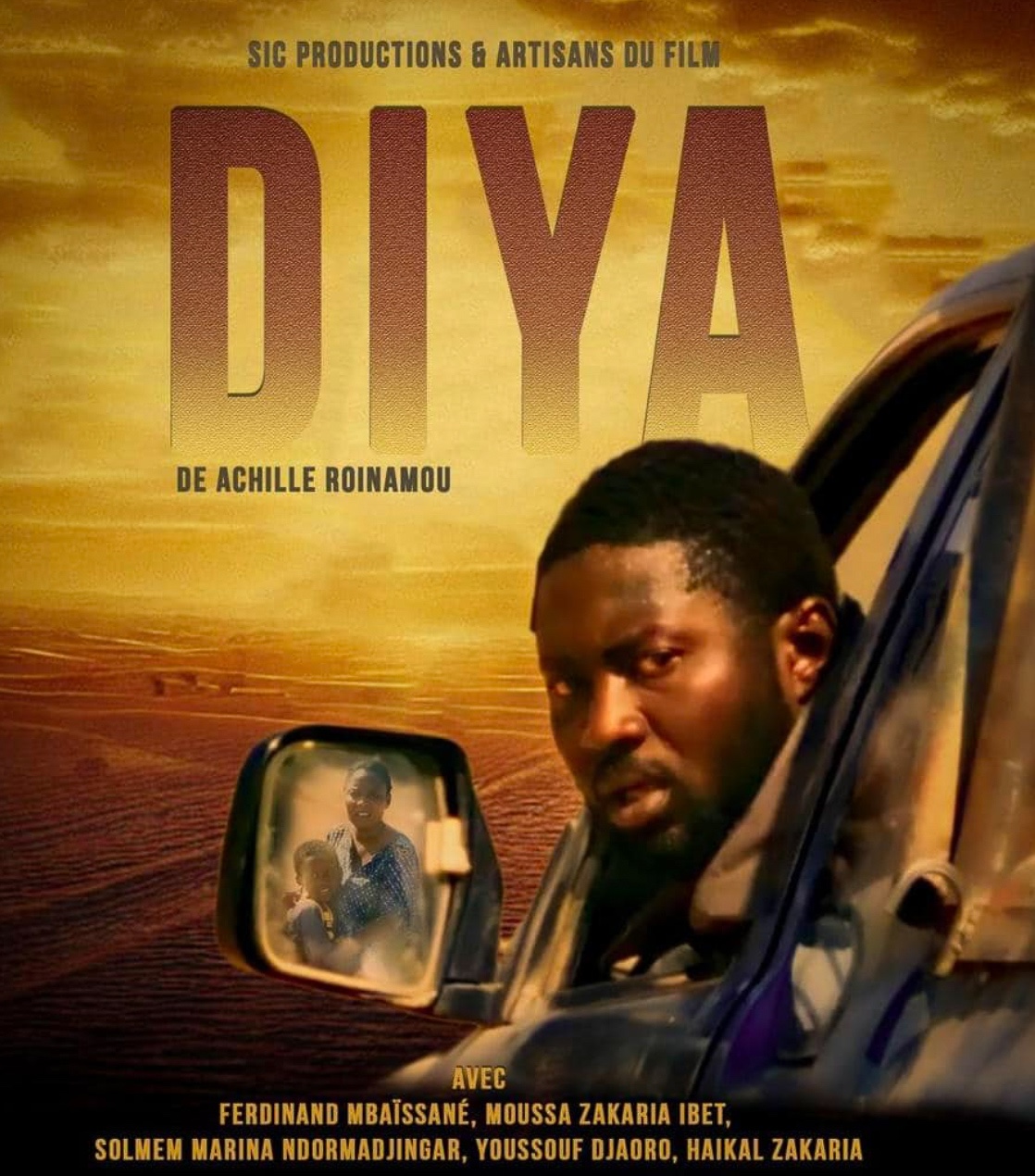
The film follows Dane Francis (Ferdinand Mbaïssané), a working-class driver whose accidental knockdown of a schoolboy named Younous plunges him into a labyrinthine system of traditional justice that threatens to consume his family’s future. 

Dismissed from his job, stripped of his licence, and unable to secure employment due to his criminal record, Dane becomes a study in systemic failure. Ronaimou resists easy moralising, instead presenting a society where corruption, poverty, and rigid adherence to custom create seemingly impossible choices. 

Ferdinand Mbaïssané delivers a compelling performance as Dane, his weathered features mapping the psychological toll of a man caught between worlds. The actor’s restraint proves particularly effective in conveying the quiet desperation of someone whose moral compass is being systematically dismantled by circumstance. 

The film’s exploration of the Diya system proves particularly valuable in contemporary African cinema, where traditional justice mechanisms are often portrayed in simplistic terms. Achille Ronaimou avoids both romanticising and demonising the practice, instead presenting it as one element in an intricate web of social, economic, and political relationships that determine individual fate. 

Diya
Diya

While the film occasionally overreaches in its ambitions, its commitment to moral complexity and its refusal to provide comfortable resolutions mark it as a noteworthy first feature. 

In an exclusive interview with Afrocritik, Achille Ronaimou reflects on the events that inspired writing Diya, locations as characters in film, rigid traditional practices, and the use of cinema to alter perceptions of the African continent.

Diya, in the context of this story, translates to “the price of blood”. Can you walk us through your decision to render this concept both as your film’s title and its central moral dilemma? 

Interestingly, I never thought of any title other than Diya. I found this title even before I started writing the script. The first versions of my script tackled the subject from a rather violent angle, to the point of offending the sensitivities of some readers who believed that the film could provoke strong emotions in the Muslim community, which is very sensitive to religious issues, and label me as an anti-Islam filmmaker. 

That’s because, indeed, Diya in Chad is a poor translation of the surah ‘Al-Nissat’ from the Quran. Therefore, for me, Diya, the price of blood, is exactly the title that will resonate best for this film. Even though the script was revised several times to produce this current version, the depth of the content has remained the same.

Achille Ronaimou
Achille Ronaimou

How did you first encounter this story that would become your feature debut?

During a family ceremony, a cousin of mine, long consumed by guilt, decided to confide in me. He told me that he killed a 10-year-old child. Several years later, he was scammed and ruined by the latter’s family, in the name of the Diya. In Chad, 7 out of ten people are directly or indirectly victims of this practice called Diya or blood money. 

Hence, it’s a practice known to all, but the story of this cousin in particular touched me so much because it is the death of a child, an innocent person who pays a high price. One morning in January 2015, I set out to write the first draft of the script.

This is your first feature after directing shorts and documentaries. How did your documentary work on Minors in Prison (2013) and Kanoun (2012) inform your approach to bringing Diya to life?

My initiation to cinema through documentary was very decisive for the continuation of my career. Before that, I wrote short stories that, unfortunately, never got published; I love imaginative creation. I am the one who takes the little stories from friends in the neighborhood and adds my own twists to make them more captivating, more hilarious, or more dramatic. I have always loved writing, and documentary filmmaking has equipped me with another narrative channel because I can now combine both in my narratives, which are mostly scripted real events.

N’Djamena and Northern Chad almost become characters themselves in this story. How did you use geography and location to reflect the cultural and economic divides at play?

Diya is primarily a story of geography and religious confession. The setting and attire are characters in their own right. Following a civil war in 1979 in Chad, pitting southern Christians against northern Muslims, the population remained divided and dispersed according to their geographic and religious affiliations. 

Thus, in N’Djamena, there are northern neighborhoods inhabited by Muslims, characterised by religious austerity, where one can hear the calls of the muezzin for the 5am daily prayers. 

Women are all veiled and covered from head to toe, and men wear long boubous. However, in the southern neighborhoods inhabited by Christians, one will find bars, nightclubs, churches, and men and women proudly strolling the streets in Western attire. Therefore, one can never speak of Diya without referencing these very important details.

Diya
Still from Diya

Ferdinand Mbaïssané’s portrayal of Dane moves from guilt through frustration to desperation. What did you look for in casting this role, and how did you guide him through this emotional arc?

I was looking for a broken man, a sober man, intelligent but crushed under the weight of society. Ferdinand was that young man among others who reflected this image a bit. He was recommended to me by my first assistant, Cyril Danina, for whom he acted in one of his films over 15 years ago. We still had to work on him a little bit, especially with his acting. For almost a year, we worked with him so that he would be more comfortable in the character of Dane. 

Working with (cinematographer) Cyrille (Hubert) and (editor) Guillaume (Talvas), how did you create the tension, dread, and chaos that mirror Dane’s psychological state?

Cyrille Hubert is a gem. I would say that the gods of cinema were with me (laughs). They sent me Cyrille from Heaven. I did not expect to have such a young, brilliant, and brave director of photography on set. It was his first time filming in Africa and in Chad where it’s over 40 degrees celsius in the shade. 

Just like me, it was also his first feature film as a director of photography, but he had more field experience than I did. He fell in love with the script from the first reading and committed to shooting it by my side. He followed the script to the letter, and it hurt him every time I had to modify or remove a scene. He continually proposed a thousand angles for each shot, giving us multiple options in the editing room. 

By having Ferdinand rehearse the scenes repeatedly, we ended up exhausting him, which sometimes isn’t a bad thing because that’s exactly when he can express the tension, fear, or chaos we’re looking for. I learned a lot from Cyril, and I would like to work with him again on my upcoming projects.

Guillaume Talvas is a very meticulous, rigorous, and creative editor; with him, we rewrote the script, focusing more on the psychology of the characters. He was the one who succeeded in bringing out Dane’s chaotic side on screen. I agreed with almost all his editing suggestions. Starting with a 150-minute rough cut, Guillaume did a remarkable job meticulously combing through every sequence to achieve a final film of 96 minutes, which is more fluid and dynamic.

The film poses questions about what really passes for good and evil. Without spoiling the ending, how do you want audiences to grapple with Dane’s ultimate choices?

I want the public to rise to the level of Dane’s spiritual maturity. After all he has endured in the name of Diya, it would have been legitimate for him to take revenge or to denounce his captors to the authorities. Instead, he chooses forgiveness. By handing little Younous back to his father, Dane breaks the chain of violence and vendetta. He rises above human baseness.

The ancient law of retaliation meets modern legal systems in your film. What does this collision reveal about justice in contemporary African societies?

Most Chadians and Africans wonder how such a practice can survive in the current era, where justice and human rights are known even to children. Diya is normalised, and Chadian authorities agree to concessions for its application. A practice that was originally intended to reconcile communities and avoid reprisals has today become a means of fraud and domination of the strong over the weak. 

Thus, a murderer can pay the Diya to the family of the deceased and be free from any legal pursuit. It is a true social tragedy that outrages new African societies.

Diya
Still from Diya

Diya is distributed by Canal+ and produced by Sic Productions and Artisans Du Film. How important was this partnership in bringing authentic Chadian stories to wider audiences?

It is a beautiful collaboration that opens a global window on Chadian cinema, which is still unknown to the international public. I believe that I will be able to collaborate with Sic Productions for a long time; it’s one of the few Chadian production companies that has the vision of a revolutionary African cinema.

Looking beyond Diya, how has this feature debut shaped your vision for future projects? What stories are you burning to tell next?

This first feature film, recently praised by the public at TIFF, made me realise that there are things worth discussing. Where politicians have failed and tarnished the image of Africans, cinema can correct this by shedding light on it. 

Thus, I want to continue along the same lines by addressing a topic as burning as the Diya. It concerns the conflict between farmers and herders, which is a conflict skillfully perpetuated by African leaders to keep the populations divided. 

Livestock and agriculture have been the two nourishing pillars of Africans since time immemorial; they must be nurtured and energised, not hindered in their development through an endless conflict.

Diya screened in the Centrepiece section at the 2025 Toronto International Film Festival.

Jerry Chiemeke is a Nigerian-born writer, film critic, journalist, and lawyer based in the United Kingdom. His writing has appeared in Die Welt, The I Paper, The Africa Report, The British Blacklist, Berlinale Press, The Johannesburg Review of Books, Culture Custodian, Olongo Africa, and elsewhere. Chiemeke’s work has won or been nominated for the Pushcart Prize, Ken Saro Wiwa Prize, Diana Woods Memorial Award for Creative Nonfiction, Best Small Fictions, and the Quramo Writers Prize. He is the author of the critically-acclaimed short story collection, Dreaming of Ways to Understand You.

The post In Conversation: Achille Ronaimou on “Diya”, Confronting Tradition, Justice, and Forgiveness in Chad first appeared on Afrocritik.
  • ✇Afrocritik
  • TIFF 2025: In Conversation With Zamo Mkhwanazi, Director Of “Laundry”
    “The notion of resistance always having to be loud, glorious, and heroic comes from the fantasies of people who have never actually had to fight for anything. Effective resistance is often quiet, careful, and requires a delicate balance.” – Zamo Mkhwanazi By Jerry Chiemeke Drawing from personal history, South African filmmaker, Zamo Mkhwanazi, transforms intimate memories into powerful cinema with her feature debut, Laundry (Uhlanjululo),
     

TIFF 2025: In Conversation With Zamo Mkhwanazi, Director Of “Laundry”

16 septembre 2025 à 06:30

“The notion of resistance always having to be loud, glorious, and heroic comes from the fantasies of people who have never actually had to fight for anything. Effective resistance is often quiet, careful, and requires a delicate balance.” – Zamo Mkhwanazi

By Jerry Chiemeke

Drawing from personal history, South African filmmaker, Zamo Mkhwanazi, transforms intimate memories into powerful cinema with her feature debut, Laundry (Uhlanjululo), which premiered at this year’s Toronto International Film Festival (TIFF). 

The film emerges from the painful story of Mkhwanazi’s grandfather, whose thriving laundry business in Durban was seized when the apartheid government consolidated its grip on power. This gaping wound becomes the foundation for a quietly devastating portrait of a Black family navigating the precariousness of operating within, but never truly belonging to, the violently stratified world of 1960s South Africa.

Set against the backdrop of apartheid’s tightening noose, Laundry centres on the Sithole family’s laundry business, granted rare permission to operate in a whites-only area of town. Patriarch Enoch (Siyabonga Shibe) walks a careful line between protecting his family’s fragile foothold and contending with his son Khuthala’s (Ntobeko Sishi) dreams of musical stardom. 

When Enoch faces imprisonment, the family’s survival depends on choices that pit pragmatic endurance against creative freedom.

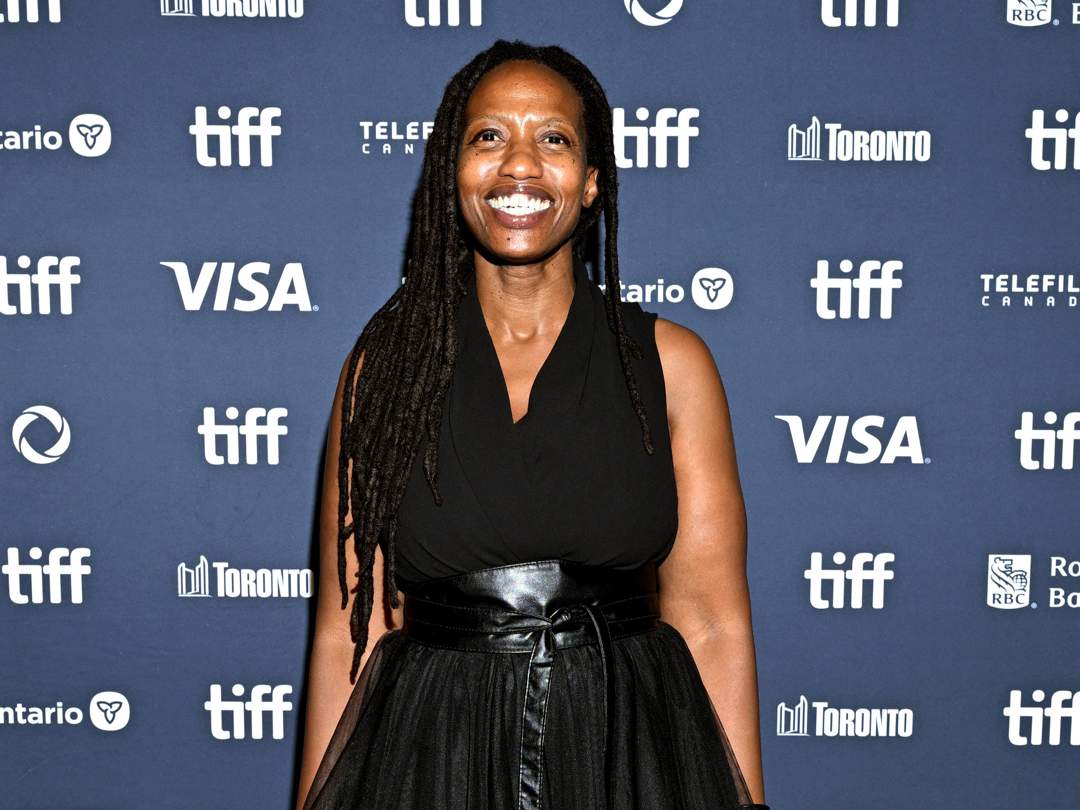
Zamo Mkhwanazi
Zamo Mkhwanazi at the premiere of “Laundry” at the 2025 Toronto International Film Festival

“Prosperous black men like my grandfather were an unwelcome challenge to the myths of white superiority”, says Mkhwanazi. “This film is my way of not being silent. It is the story rarely told in the glorification of the struggle heroes. It is about the smaller moments that take place in the midst of the great injustices”.

Building on her extensive background in South African television and her internationally acclaimed short films, Mkhwanazi brings both intimate knowledge and artistic sophistication to this project. Her approach treats the laundry itself as a character: the steam-filled back rooms reflecting confusion and uncertainty, while the incandescent front space embodies the family’s determination to maintain control.

In an exclusive conversation, Afrocritik caught up with Mkhwanazi during the Festival to discuss stylistic choices, Black joy, the deployment of music in filmmaking, creating story worlds, and the exploration of resistance in African cinema.

Where does this film come from? Describe the combination of ideas and/or real-life experiences that culminated in the birth of Laundry as a screenplay.

My grandfather owned a laundry in Durban, South Africa, and when the apartheid government came into power, the laundry was taken from him. 

Laundry
Laundry

What conversations, if any, did you have with surviving family members about their experiences during Apartheid, and how did those inform the authenticity of this film?

Many. The choices of my mother’s family members were limited after these events, and I made sure to place some of these limitations on the characters in the film. Some of the phrases used by white characters are direct quotes that have been said to my family members. 

Music is very important to South Africans, and the stories around how music was made, the places it was played, and the characters that inhabited that world filled out a lot of people for me. The limitations placed on African women that essentially relegated them to the status of children were something my mother navigated directly. 

Laundry captures the perennial shadow of oppression that pervaded that era while maintaining moments of joy and hope. How do you navigate showing systemic brutality without letting the film fall into some sort of “joylessness”?

It is surprisingly not difficult for me as a South African. Black rebellion in South Africa has always had an element of the joyful. In the words of Steve Biko, “The most potent weapon in the hands of the oppressor is the mind of the oppressed”. 

There is an understanding that not allowing the enemy to hijack your joy is the first weapon we can wield against oppression. If we can find joy in the fight, we can endure it. 

From a character perspective, how does Khuthala’s musical ambition function as both personal expression and political act in the context of 1968?

I do not believe anyone wakes up in the morning wishing to fight a system or to fight oppression. What people wake up wanting to do is to fight for their dreams. I chose a commonplace dream. Not particularly admirable like being a doctor, or realistic like running a laundry or noble like being a teacher. Just an ordinary, somewhat selfish, possibly foolish dream. 

In the context of a world where black bodies were actively being turned into industrial fodder, a dream that does not create goods and services is the antithesis of a body that is meant to be an input of production. 

Laundry
Still from Laundry

Music serves as both escape and resistance in this film. Can you discuss how you developed the musical elements and what specific South African musicians or musical traditions influenced the soundtrack?

The music was mostly created by Tracy September, Tshepang Ramoba, and Mpumi Mcata who are the musicians seen in the film. They have all been making music for decades and are some of my favourite musicians from my country. 

These are musicians who are not afraid to experiment with the traditional to create wholly unique sounds. I did not want the music to sound too ‘familiar’. It needed to have an edge, a feeling that they could have added something significant to the musical cannon of the time. 

The film draws parallels to real musicians like Miriam Makeba and Hugh Masekela, who had to flee South Africa. Was there a conscious decision to explore the stories of those who couldn’t escape?

Yes, there are many more who never had a chance to share their talents with the world, who never had a chance to escape the circumstances and the iron fist of a fascist regime. 

This feature focuses on the intimate textures of family life rather than grand historical events. What influenced your decision to tell this story through such a domestic lens?

There are more of those ordinary folk who quietly fought the system daily in their lives. Most films are not made by people who have had to survive any kind of oppression. The notion of resistance always having to be loud, glorious, and heroic comes from the fantasies of people who have never actually had to fight for anything. Effective resistance is often quiet, careful, requires a delicate balance, and can even seem illogical. 

For example, when you read South African history from the 1980s, you will hear much about the burning of schools – which were indoctrinating black children into willing slavery (called Bantu Education). But you will not hear about the resulting effect because to this day, that history is being told by people who think struggle is only valid when it’s highly visible. Mothers stayed home with their children, who had no classrooms to attend and were in danger of being on those burning streets where apartheid police were shooting us from Israeli-designed tankers. 

The government didn’t care about us burning our schools, but they could not continue without the labour of so many black mothers. Stayaways became even more effective as a tool than burning down those schools. 

We could be outgunned in the arena of violence; however, staying home and withholding labour was even more crippling for the regime. But I think when we look for drama, we look at the burning of schools and the faces of manufactured heroes shouting slogans. I wanted to look at the home front, where real resistance is held down. 

Laundry is a period piece. Tell us more about how the world for this story came to be, from the visual design to the fashion and verbiage.

Production design is what we started with; creating these environments to reflect both the times as well as class and lifestyle differences. This was also a family that owned a laundry and had access to the best seamstresses and fabrics. 

The family was not rich, but it was important that they be well turned out, especially compared to a character like Albert, who was a street urchin surviving on the margins. The wardrobe for Lillian was important, as she was the character who linked the world of the father and son. 

The actors had much work to do, and we had to place each character within context. Enoch, the father, was a missionary school product who had a strong command of the English language and would pepper his speech more with English, but his wife did not have the same education and was less confident in her speech in general, especially with regard to figures of authority. 

His children were already victims of the Bantu Education system and were far more stimulated by their home life, which included a musical, mechanical, and business education. The younger sister retained a certain innocent curiosity about the world, while Khuthala was more single-minded. Therefore, they all spoke a little differently from each other to reflect those historical and personal realities.

Laundry
Still from Laundry

How did you work with your actors, particularly Ntobeko Sishi and Siyabonga Shibe, to capture the complex father-son dynamic at the heart of the story?

Both Ntobeko and Siyabonga are fairly experienced actors. I am a fan of stillness in performance as it forefronts emotion over action. With Ntobeko, it sometimes felt unnatural to the character, and so I was selective about using the moments of stillness as a punctuation mark in the story. 

Ntobeko was truly a collaborator in creating his character, and sometimes, instead of directing him, I would ask him questions as his character and let him answer with his performance. Siyabonga is an actor with a phenomenal physical presence, and sometimes his stillness could be right down intimidating, which was useful in certain moments with his son. 

But it was important to find the warmth of the character while maintaining the stoic dignity required for the storyline. For this, Siyabonga mastered the micro-expressions of the steady Enoch. 

The concept of “uneasy privileges” that your characters experience – being granted limited rights within an oppressive system – feels relevant beyond apartheid South Africa. Was this universality intentional?

Oh absolutely. In South Africa, we have the concept of the ‘the better black’, in the USA it is the house negro. Latin America is replete with examples of differential privilege. I am a middle-class person in the most unequal society in the world. These uneasy privileges are very much part of my life. And I am fully aware that as long as these systems of oppression thrive, those privileges are only borrowed. 

Zamo Mkhwanazi
Zamo Mkhwanazi (Credit: Gareth Cattermole)

The laundry business becomes a gathering place for the Black community in the film. How important was it to show these spaces of connection and mutual support within the oppressive system?

The laundry is a place where they are served according to when they arrive, as opposed to most places where whites would always be served first. This is never explicitly mentioned, but is clear in the way customers line up when Enoch is present. It is also important to make it clear that while the area is declared white, most of the people given patronage or working in the area are black. 

Apartheid was incredibly nonsensical; a capitalist system that thought it could thrive by keeping the majority of consumers without any buying power. So places like this laundry show that these laws were nigh to impossible to maintain. 

After exploring your family’s past so intimately in Laundry, how has this experience changed your approach to storytelling and what stories you want to tell next?

What changed the most for me was when I had the screening here (in Toronto). Honestly, putting the work in front of an audience that connected so strongly with the work assured me that the issues that interest me remain relevant, even as I feel that political storytelling from Africa, particularly stories that challenge white supremacy, are being strongly discouraged both locally and in the international festival space. 

Having an audience that responded to the story with enthusiastic appreciation of the difficult themes was a blessing. My next project retains a strongly political point of view, with feminist themes. It’s set in the future and concerns bodily autonomy.

Laundry screened in the Discovery section of TIFF.

Jerry Chiemeke is a Nigerian-born writer, film critic, journalist, and lawyer based in the United Kingdom. His writing has appeared in Die Welt, The I Paper, The Africa Report, The British Blacklist, Berlinale Press, The Johannesburg Review of Books, Culture Custodian, Olongo Africa, and elsewhere. Chiemeke’s work has won or been nominated for the Pushcart Prize, Ken Saro Wiwa Prize, Diana Woods Memorial Award for Creative Nonfiction, Best Small Fictions, and the Quramo Writers Prize. He is the author of the critically-acclaimed short story collection, Dreaming of Ways to Understand You.

The post TIFF 2025: In Conversation With Zamo Mkhwanazi, Director Of “Laundry” first appeared on Afrocritik.

  • ✇Afrocritik
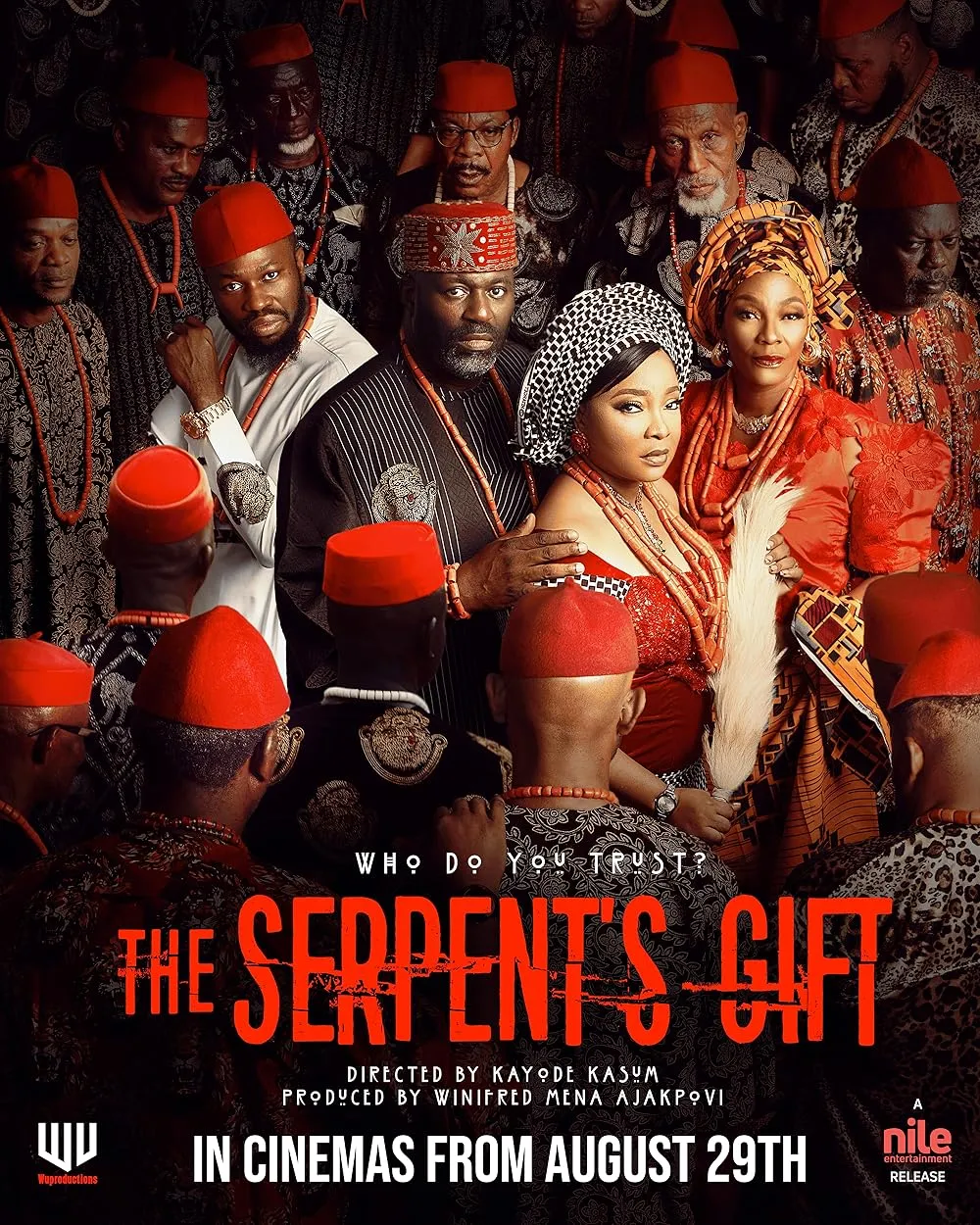
  • “The Serpent’s Gift” Review: Kayode Kasum’s Film Is Undone by Shallow Cultural Detail
    If The Serpent’s Gift had one lesson for Nollywood, it would be that cultural truth requires more than surface markers. By Joseph Jonathan Films do something blunt and unavoidable: they teach. Every shot, every costume, and cut either bolsters an image the world already carries about a people or complicates it. The Serpent’s Gift, directed by Kayode Kasum, signals an ambition to do the latter — to interrogate widowhood, wealth, and inherit
     

“The Serpent’s Gift” Review: Kayode Kasum’s Film Is Undone by Shallow Cultural Detail

15 septembre 2025 à 09:02

If The Serpent’s Gift had one lesson for Nollywood, it would be that cultural truth requires more than surface markers.

By Joseph Jonathan

Films do something blunt and unavoidable: they teach. Every shot, every costume, and cut either bolsters an image the world already carries about a people or complicates it. The Serpent’s Gift, directed by Kayode Kasum, signals an ambition to do the latter — to interrogate widowhood, wealth, and inheritance in a contemporary Igbo setting. Too often, though, it takes the cheaper route.

At its core, The Serpent’s Gift is straightforward: Nduka Sylvanus (Chico Aligwekwe), a wealthy businessman, dies suddenly; his young widow Ijeoma (Linda Ejiofor-Suleiman) finds herself under siege from relatives hungry for control of his empire. 

That premise, inheritance as battlefield, widowhood as vulnerability, has strong dramatic potential. But the film’s recurring error is a dramaturgical one: it treats certain customs as if they were the default script for contemporary Igbo culture, deploying them for maximum emotional jolt rather than interrogating their place in modern social practice.

The Serpent’s Gift
The Serpent’s Gift

Let’s be specific. The Serpent’s Gift repeatedly foregrounds widowhood rituals — the forced ceremonial walk, the insistence that Ijeoma drink the water used to bathe her late husband — and stages them as though they are normative in South-East Nigeria today. 

That choice reads like sensationalism disguised as ethnography. If you want the audience to understand why such practices persist (despite the fact that they hardly do nowadays), you show the debates, resistances, compromises, and legal or civic contexts that shape them. Instead, these rituals float in the frame as spectacle: dramatic curiosities to be watched, not social problems to be understood.

That tendency toward spectacle is compounded by sloppy world-building. Remove the language, and nothing about The Serpent’s Gift feels specifically Igbo. This isn’t a throwaway grievance — it’s the film’s central, damning weakness. The screenplay peppers dialogue with proverbs and local phrases, but the mise-en-scène often contradicts the claims of cultural specificity. 

There are moments so incongruous they yank viewers out of the drama: a wealthy businessman’s office decorated with the faces of national politicians who, in context, make no sense; an Ibadan branch of Nduka’s company where all the characters default to Igbo instead of English or a believable hybrid of Yoruba, Igbo and English; and, conversely, there are scenes set in Igbo contexts where the characters oddly switch to English. 

Even the funeral of a titled man is staged like an afterthought rather than the elaborate social event it should be. These are not minor slips. They signal a lack of scrutiny and research that makes the film feel like a pastiche — an image of Igbo-ness assembled from familiar icons rather than a living, internally consistent world.

Why does this matter? Because when a film claims cultural authenticity but fails to get the small things right, it invites two harms. 

First, it exoticises: audiences unfamiliar with Igbo culture will take these dramatised anomalies as normal practice. Second, it erodes trust among the community depicted. A scene that treats a titled man’s burial as underwhelming — when, by social and cultural expectation, such a burial would be elaborate, public and ritualised — doesn’t simply misread detail; it shrinks the stakes. 

If the director wants us to grieve the loss of a man whose wealth will evaporate into the hands of the wrong custodian, the funeral sequence should affirm why that loss matters socially and symbolically. Here it does not.

The Serpent’s Gift
Still from The Serpent’s Gift

Small details earn large consequences. The decision to have Ijeoma relay the news of her husband’s death to the family via conference call — with none of them present at the hospital during Nduka’s final moments — strains credibility. In many Igbo communities, illness and death are communal events with kinship obligations that mobilise the extended family. 

Yes, the film suggests that Nduka hid his terminal illness, which could explain why relatives were absent. But even secrecy has limits: sudden hospitalisation or end-of-life care would typically trigger communal intervention, whether through family networks, business associates, or community elders. 

By presenting absolute isolation as an unquestioned fact, the film bypasses the very tension it needed to dramatise — the clash between a man’s desire for privacy and a culture’s insistence on communal presence. That clash could have enriched the story; instead, we are left with a thin shorthand that weakens emotional stakes.

Performances, to the film’s credit, keep it watchable even when the script and world-building falter. Linda Ejiofor-Suleiman is the film’s moral gravity: she finds the narrow seam between resolute anger and brittle grief and carries the film through its less credible stretches. Her Ijeoma is not simply victimhood in motion; she’s a woman negotiating a public claim to legacy with private sorrow. 

Tina Mba’s Margaret gives the film its sharp, antagonistic edge — a matriarch, who at times feels deliberately overdrawn, but whose presence grounds the familial friction. Stan Nze’s Nonso, by contrast, often flirts with broadness; his greed is readable, but it lacks the textured human desperation that would have made him more than an archetype.

The screenplay (credited to Stephen Okonkwo and Ufuoma Metitiri) is a mixed bag. It nails cadences and the rhythm of local speech in places, and some lines resonate with the weight of oral tradition. Yet, the script is reluctant to interrogate the practices it stages. 

Instead of dramatising the legal, economic, and moral mechanisms that sustain certain rituals — the role of title societies, the influence of patriarchal inheritance laws, the social sanctions that enforce conformity — the film lingers on performative acts of humiliation. That’s a storytelling choice with consequences: the viewer learns what happens but never why it still happens, or how it is contested.

Technically, The Serpent’s Gift does offer some pleasure. The cinematography captures the South-East’s green pulse; there are moments of visual lyricism that suggest a respect for place. 

The Serpent’s Gift
Still from The Serpent’s Gift

The soundtrack, steeped in Igbo highlife motifs, works as an affective tether to a Nollywood lineage that can be both nostalgic and invigorating. Those formal strengths make the film’s missteps more disappointing: they show the crew had the tools to render a complex cultural portrait, but chose spectacle over nuance.

If The Serpent’s Gift had one lesson for Nollywood, it would be that cultural truth requires more than surface markers. Accuracy is not only about avoiding factual error; it is about showing social texture — the disputes, the negotiations, the everyday resistances that exist inside any living culture. To dramatise widowhood without showing its contested status in modern life is to flatten a subject that deserves interrogation. 

In the end, The Serpent’s Gift oscillates between two impulses: to honour and to capitalise. It wants to ask hard questions about legacy, gender, and wealth in contemporary Igbo society, and yet it keeps stepping onto a stage built of tropes that simplify its subjects for dramatic effect. Instead of deepening our understanding, the film rehearses stereotypes. And that is the most disappointing lesson it leaves behind.

Rating: 1.9/5 

Joseph Jonathan is a historian who seeks to understand how film shapes our cultural identity as a people. He believes that history is more about the future than the past. When he’s not writing about film, you can catch him listening to music or discussing politics. He tweets @Chukwu2big.

The post “The Serpent’s Gift” Review: Kayode Kasum’s Film Is Undone by Shallow Cultural Detail first appeared on Afrocritik.

  • ✇Afrocritik
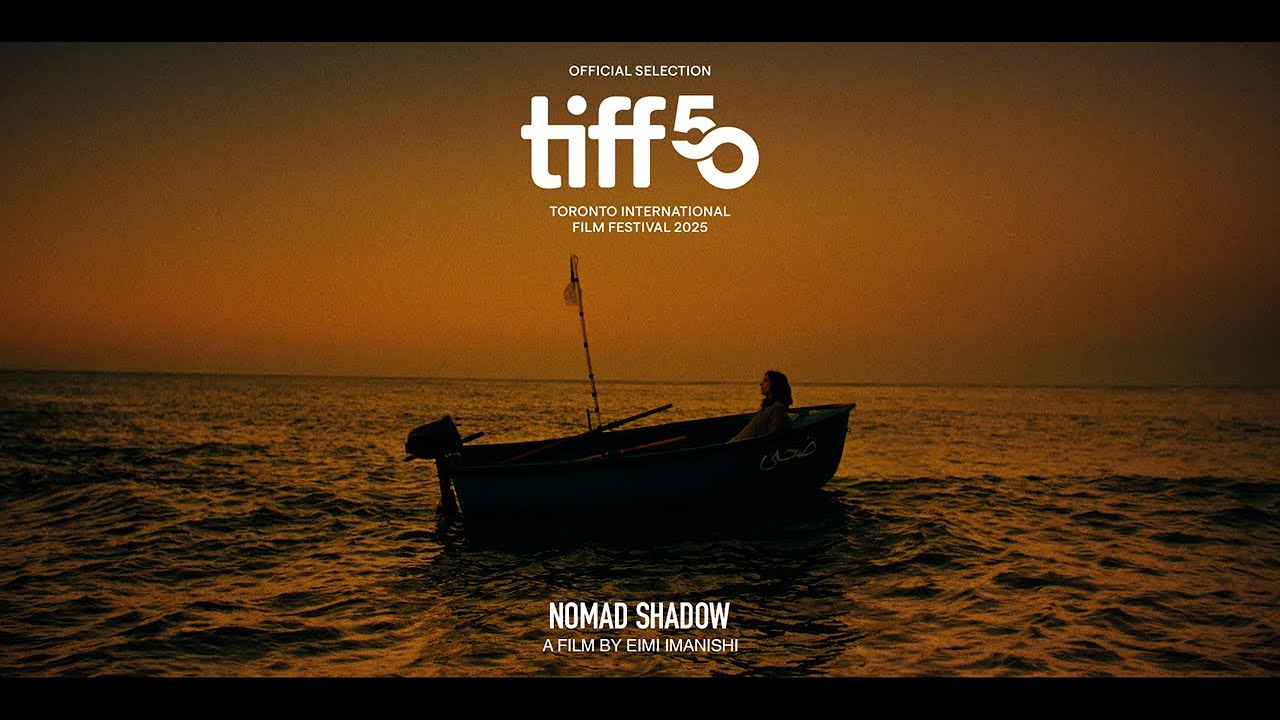
  • TIFF 2025: Eimi Imanishi’s “Nomad Shadow” Deftly Navigates the Intricacies of Exile
    Nomad Shadow excavates the personal costs of political displacement with an intimacy that cuts through the abstractions of geopolitical discourse. By Jerry Chiemeke In the contested territory of Western Sahara, where Moroccan occupation has displaced populations and shattered communities for nearly half a century, displacement becomes both literal and metaphorical. Eimi Imanishi’s feature debut, Nomad Shadow, takes this fraught geopolitical reality as its backdrop. It follow
     

TIFF 2025: Eimi Imanishi’s “Nomad Shadow” Deftly Navigates the Intricacies of Exile

13 septembre 2025 à 07:41

Nomad Shadow excavates the personal costs of political displacement with an intimacy that cuts through the abstractions of geopolitical discourse.

By Jerry Chiemeke

In the contested territory of Western Sahara, where Moroccan occupation has displaced populations and shattered communities for nearly half a century, displacement becomes both literal and metaphorical. Eimi Imanishi’s feature debut, Nomad Shadow, takes this fraught geopolitical reality as its backdrop. It follows Mariam (Nadhira Mohamed), a young Sahrawi woman forcibly deported from Spain, who must navigate the treacherous waters between two worlds that no longer feel like home.

We witness the brutal velocity with which belonging can be stripped away in Nomad Shadow’s opening montage. One moment, Mariam is lost in the euphoric throngs of a Spanish nightclub; the next, she’s bundled to Western Sahara, her expired visa the scythe that severs her from the life she knew. It’s a jarring transition that establishes the film’s central preoccupation: what happens when home becomes the most foreign place of all?

Nomad Shadow
Nomad Shadow

Imanishi, whose previous short, Battalion to My Beat (2016), demonstrated a keen eye for social fractures, manifests an acute understanding of how political displacement manifests in intimate, domestic spaces. Mariam’s mother, convinced her daughter has been corrupted by European values, suggests she is “possessed”, a diagnosis that carries particular weight in a community already grappling with cultural erasure under occupation. The film’s most potent moments emerge from these micro-aggressions of rejection, where family becomes another site of exile rather than refuge.

Mariam returns to find Western Sahara transformed by drought. “It hasn’t rained in three years”, her friend, Sidahmed (Omar Salem), informs her during a visit to a dry riverbed. This environmental devastation serves as both literal context and poetic metaphor for the spiritual aridity she encounters. Her brother, Alwali (Suleiman Filali), has descended into the drug trade, and her sister, Selka (Khadija Najem Allal), harbours silent resentment for Mariam’s abandonment during their father’s illness.

Nomad Shadow’s greatest strength lies in Mohamed’s ferocious central performance. She embodies Mariam’s displacement not through histrionics, but through a carefully calibrated sense of disconnection: the way she holds her body like borrowed clothing, the manner in which familiar spaces seem to reject her presence. 

When her mother criticises her “decadence” or her brother refuses to involve her in his illegal enterprise, Mohamed registers each rejection as a small death, accumulating layers of alienation that eventually threaten to suffocate her entirely.

The friendship between Mariam and Sidahmed, involving two outcasts finding solace in their shared estrangement from social norms, provides Nomad Shadow’s most tender moments. Salem brings a delicate vulnerability to Sidahmed, a man who faces homophobic persecution. Their scenes together achieve a naturalistic intimacy that contrasts sharply with Mariam’s stilted interactions with family members.

Cinematographer Frida Marzouk’s camera work demonstrates remarkable intimacy, employing close-ups to capture Mohamed’s emotional geography: the tension in her jaw, the vulnerability in her neck and wrists (particularly loaded given Mariam’s history of self-harm). The recurring sailboat dream sequences, shot with disorienting urgency, serve as an effective visual metaphor for Mariam’s psychological drift between two shores of belonging.

Nomad Shadow
Still from Nomad Shadow

Noelia R. Deza’s editing deserves particular recognition for its restraint. In less capable hands, Mariam’s psychological fragmentation could have been rendered through flashy montages or obvious symbolism, but Deza allows the emotional weight to accumulate through sustained observation rather than editorial manipulation. 

Nomad Shadow breathes in the spaces between cuts, allowing Mohamed’s performance to carry the narrative burden without unnecessary embellishment.

Where Nomad Shadow falters is in its reluctance to fully engage with the political context that shapes its characters’ lives. While the Moroccan occupation looms over every frame, Imanishi treats it primarily as atmospheric pressure rather than examined reality. The film gestures toward larger questions of cultural survival and political resistance, but never commits to exploring how these macro-forces shape individual consciousness. 

The glimpses of female agency—a woman celebrating her divorce, Mariam’s mother expressing desires for remarriage—feel underdeveloped, promising explorations that the 81-minute runtime doesn’t allow space to pursue. These moments suggest a richer investigation of how women navigate patriarchal inhibitions in a society already constrained by colonial occupation, but Imanishi pulls back just as these themes begin to deepen.

The choice to centre the narrative around three forms of resistance (anti-colonial struggle, feminist rebellion, and queer visibility via Sidahmed) creates a compelling triptych of marginalisation. 

Yet, this ambitious thematic architecture sometimes threatens to overwhelm the plot. While the inclusion of Sidahmed’s character adds necessary complexity to Nomad Shadow’s exploration of otherness, his subplot feels underdeveloped, serving more as punctuation than fully-realised narrative thread.

Nomad Shadow
Nomad Shadow

Nomad Shadow succeeds most when it resists the temptation to romanticise exile or transform suffering into easy political allegory. Imanishi understands that displacement’s true violence lies not in dramatic confrontation but in the quiet erosion of belonging: the way familiar places become foreign, and the way identity fractures across geographical and cultural boundaries.

In its exploration of what happens when neither departure nor return offers genuine resolution, Nomad Shadow captures something essential about the contemporary experience of displacement. 

For Mariam, and for countless others caught between worlds, home exists not as a place to be recovered, but a concept to be continually negotiated. Imanishi’s debut suggests that sometimes the most radical act is simply learning to live in the space between shores.

Nomad Shadow screened at the 2025 Toronto International Film Festival.

Jerry Chiemeke is a Nigerian-born writer, film critic, journalist, and lawyer based in the United Kingdom. His writing has appeared in Die Welt, The I Paper, The Africa Report, The British Blacklist, Berlinale Press, The Johannesburg Review of Books, Culture Custodian, Olongo Africa, and elsewhere. Chiemeke’s work has won or been nominated for the Pushcart Prize, Ken Saro Wiwa Prize, Diana Woods Memorial Award for Creative Nonfiction, Best Small Fictions, and the Quramo Writers Prize. He is the author of the critically-acclaimed short story collection, Dreaming of Ways to Understand You.

The post TIFF 2025: Eimi Imanishi’s “Nomad Shadow” Deftly Navigates the Intricacies of Exile first appeared on Afrocritik.

  • ✇Afrocritik
  • TIFF 2025: Achille Ronaimou’s “Diya” Confronts The Brutal Arithmetic Of Justice And Retribution
    Diya is a morally complex drama that interrogates the collision between ancient customs and modern realities in contemporary Chad.  By Jerry Chiemeke In the opening frames of Achille Ronaimou’s feature debut, Diya (Le Prix Du Sang), we are confronted with an ancient equation: life for life, blood for blood. Yet what unfolds across this 96-minute moral labyrinth is far more complex than the stark mathematics of retribution might suggest.  Ronaimou, who
     

TIFF 2025: Achille Ronaimou’s “Diya” Confronts The Brutal Arithmetic Of Justice And Retribution

12 septembre 2025 à 07:15

Diya is a morally complex drama that interrogates the collision between ancient customs and modern realities in contemporary Chad. 

By Jerry Chiemeke

In the opening frames of Achille Ronaimou’s feature debut, Diya (Le Prix Du Sang), we are confronted with an ancient equation: life for life, blood for blood. Yet what unfolds across this 96-minute moral labyrinth is far more complex than the stark mathematics of retribution might suggest. 

Ronaimou, whose previous work includes the documentaries: Minors in Prison (2013) and Kanoun (2012), brings an ethnographer’s eye to this fictional excavation of Chadian justice, tradition, and the crushing weight of circumstance.

Set against the dusty backdrop of N’djamena, the film transforms a traffic accident into something approaching Greek tragedy. When Dane Francis (Ferdinand Mbaïssané), a blue-collar driver from Moundo, strikes and kills schoolboy, Younous, the machinery of traditional justice begins its inexorable grind. The boy’s father, Béchir Salam (Youssouf Djaoro), invokes the diya, the blood price that must be paid to prevent further bloodshed. What begins as an accident becomes debt, debt becomes desperation, and desperation becomes something far darker.

Diya
Diya

Ronaimou’s direction displays the confident hand of someone who understands that the most powerful dramas emerge not from grand gestures but from the accumulation of small indignities. Dane’s dismissal from work, his wife’s humiliating attempts to bribe police for the return of his license, the community’s grudging collection of funds—each detail adds another stone to the mountain of pressure threatening to crush his protagonist. 

It’s precisely this attention to the bureaucratic machinery of oppression that elevates Diya beyond simple moral fable into something more uncomfortably recognisable. Ronaimou resists easy moralising, instead presenting a society where corruption, poverty, and rigid adherence to custom create seemingly impossible choices. 

Ferdinand Mbaïssané anchors the film with a performance of remarkable restraint. His Dane is no noble sufferer but a man whose decency is slowly eroded by circumstance. Mbaïssané’s face becomes a map of mounting desperation: the way his shoulders hunch as each door closes, the particular weariness that settles around his eyes as time runs short. It’s a performance that understands how ordinary men become capable of extraordinary things, for better and worse.

Equally impressive is Moussaka Zakaria Ibet as Oumarou, Dane’s cynical cellmate whose fluid ethics ultimately precipitate the film’s most dramatic revelations. Ibet brings a magnetic unpredictability to the role, embodying the kind of moral pragmatist who thrives in systems where traditional justice meets modern corruption. His performance suggests depths that Ronaimou, to the film’s credit, refuses to fully plumb, leaving us to grapple with the implications ourselves.

Diya
Still from Diya

Solmem Marina Ndormadingar provides the film’s emotional anchor as Delphine, Dane’s pregnant wife, whose loyalty remains unwavering even as danger escalates. Ndormadingar brings a grounded humanity to scenes that might otherwise devolve into melodrama, particularly in moments where Delphine must achieve a balance between consternation and empathy.

The film’s visual elements serve its moral complexity. Cyrille Hubert’s cinematography captures both the suffocating heat of N’djamena’s streets and the cooler expanses of Chad’s north, while Guillaume Talvas’s editing maintains the mounting tension without sacrificing clarity. The score by Afrotronix adds layers of foreboding that never overwhelm the performances, understanding that the film’s greatest power lies in its human moments rather than its mythic resonances.

Yet, Diya is not without its limitations. While Djaoro brings appropriate gravity to Béchir, the character remains somewhat underexplored, functioning more as an embodiment of tradition than as a fully realised individual grappling with his own moral choices. 

Similarly, certain plot mechanics, particularly the film’s climactic heist involving what appears to be an entirely unsuitable vehicle, strain credibility in ways that threaten to undermine the careful moral ambiguity Ronaimou has constructed throughout the film. 

But these are minor quibbles with a film that succeeds admirably in its larger ambitions. Diya uses the specificity of Chadian culture to examine universal questions about justice, morality, and the ways in which good people can find themselves doing terrible things. Ronaimou understands that the most interesting existential questions are not those with clear answers but those that force us to confront the uncomfortable ambiguity of human behaviour under pressure.

Diya
Still from Diya

The film’s final act delivers a twist that reframes everything that has come before, forcing both Dane and the audience to reckon with the true cost of the choices made. It’s a bold narrative gambit that works precisely because Ronaimou has earned our investment in these characters’ fates. We may not approve of Dane’s ultimate decisions, but we understand them, and that understanding is perhaps more troubling than simple condemnation would be.

Diya succeeds most completely as a character study of a man whose principles are tested by circumstances beyond his control. While the film occasionally overreaches and stumbles, its refusal to provide comfortable resolutions marks it as a noteworthy debut. Ronaimou has crafted a film that trusts audiences to grapple with difficult posers about tradition and survival in contemporary Africa, even if his technical execution doesn’t always match his thematic ambitions.

Diya screened at the 2025 Toronto International Film Festival.

Jerry Chiemeke is a Nigerian-born writer, film critic, journalist, and lawyer based in the United Kingdom. His writing has appeared in Die Welt, The I Paper, The Africa Report, The British Blacklist, Berlinale Press, The Johannesburg Review of Books, Culture Custodian, Olongo Africa, and elsewhere. Chiemeke’s work has won or been nominated for the Pushcart Prize, Ken Saro Wiwa Prize, Diana Woods Memorial Award for Creative Nonfiction, Best Small Fictions, and the Quramo Writers Prize. He is the author of the critically-acclaimed short story collection, Dreaming of Ways to Understand You.

The post TIFF 2025: Achille Ronaimou’s “Diya” Confronts The Brutal Arithmetic Of Justice And Retribution first appeared on Afrocritik.

  • ✇Afrocritik
  • “Catalog” Review: The Egyptian Netflix Series Is Quiet But Speaks Volumes
    Catalog is an invitation to reconsider the division of emotional labour within families, especially in societies where fathers are excused from caregiving simply because they pay the bills. By Joseph Jonathan When we speak about parenting on screen, especially in African or Middle Eastern contexts, it is almost always through the mother’s gaze. She is the emotional core, the invisible labourer, the keeper of routines and rituals that hold a family together.  In C
     

“Catalog” Review: The Egyptian Netflix Series Is Quiet But Speaks Volumes

26 juillet 2025 à 08:15

Catalog is an invitation to reconsider the division of emotional labour within families, especially in societies where fathers are excused from caregiving simply because they pay the bills.

By Joseph Jonathan

When we speak about parenting on screen, especially in African or Middle Eastern contexts, it is almost always through the mother’s gaze. She is the emotional core, the invisible labourer, the keeper of routines and rituals that hold a family together. 

In Catalog, a quietly stirring eight-episode Egyptian series released on Netflix on July 17, writer Ayman Wattar, and director Waleed El-Halfawy, challenge that longstanding norm, not through sweeping melodrama or activist declarations, but through one man’s fumbling attempt to step into shoes he never thought he’d have to wear.

Mohamed Farrag plays Youssef, a recently widowed father whose wife, Amina (Riham Abdel Ghafour), dies suddenly, leaving him the sole caregiver of their two children, Mansour (Ali El Beialy) and Karima (Retal Abdelaziz). Youssef is not a deadbeat dad in the conventional sense. He loves his family. He provides. 

But like many men in similar roles, he has long been a stranger in his own home: emotionally distant, practically absent, and out of sync with the rhythms of everyday parenting. When Amina dies, Youssef is forced to reckon not only with her absence but with the vast, emotional terrain he never learned to navigate.

Catalog
Catalog

It is here that Catalog finds its narrative engine. In a moving twist, Youssef discovers a series of parenting videos Amina had recorded before her death, a kind of posthumous guidebook, filled with instructions and encouragement. These video clips become his lifeline: a blueprint through grief, a mirror to his inadequacies, and a gentle invitation to become the parent he was never socialised to be.

At its heart, Catalog is a slow-burn cultural critique disguised as a family dramedy. It’s an invitation to reconsider the division of emotional labour within families, particularly in societies where the father is excused from caregiving simply because he pays the bills. This critique is subtle, never didactic. 

In one poignant scene, Youssef takes his son to football practice for the first time and is visibly uncomfortable being surrounded by mothers. When he finally spots another man, he assumes the man is a fellow widower, to which the bewildered man retorts, “I come to practice because I’m his father”, cutting through Youssef’s internalised belief that men only show up when forced to.

These moments, quiet, human, but politically loaded, make Catalog more than just a story of grief. It’s a cultural intervention and statement. One that challenges gender roles, critiques male emotional illiteracy, and reimagines fatherhood as a practice of presence, not just provision.

Farrag is masterful in his portrayal of Youssef. Not in the grand emotional crescendos, but in the quiet confusions and failed attempts that mark his growth. His grief is not always pretty; it’s clumsy, frustrated, and deeply human. Abdel Ghafour as Amina, though physically absent for much of the show, haunts every frame. Her presence through the parenting videos gives the show its emotional spine.

The child actors (Ali El Beialy and Retal Abdelaziz) are standout surprises. Their performances are sensitive, intelligent, and heartbreakingly believable. They embody the children of a fractured home: confused, angry, sometimes manipulative, but ultimately yearning for connection.

Catalog
Still from Catalog

Khaled Kamal as Hanafi, Youssef’s brother, also shines in a supporting role. A hardened man with a soft streak, Hanafi becomes both comedic relief and moral compass, often delivering wisdom in a way that feels earned, not imposed.

Walid El-Halfawy’s direction is understated but effective. The camera rarely leaves the home, reinforcing the domestic claustrophobia Youssef feels. The sound design adapts with the emotional weather of the scenes, swelling during chaotic moments, and softening during moments of introspection. 

The score, especially the opening music, is beautiful and distinctly regional. There’s something about the instrumentation that signals, immediately, that this is Arab television at its finest — unhurried, emotive, culturally grounded.

The writing is another triumph. The dialogue feels real, often to the point where viewers might find themselves finishing characters’ sentences. It doesn’t pander or overexplain, which is especially important in a show deeply rooted in local nuance. Amina’s monologues are full of small truths, which are not just poetic for the sake of being poetic, but full of the kind of reflections that reveal themselves only through lived experience.

Though rooted in Egyptian life and culture, Catalog speaks across cultures. Its themes of emotional reconnection, posthumous love, and the invisible weight of caregiving, are as relevant in Lagos as they are in Cairo, as resonant in Beirut as they would be in Nairobi. In many parts of Africa and the Middle East, the idea of “fatherhood” still carries the distant, stoic weight of the patriarch. This show gently, but firmly, asks us to let that go.

Even more interestingly, Catalog reframes motherhood not as saintly martyrdom, but as structured intention. Amina’s videos are both acts of care and acts of control, one last way to shape the future of her family in her absence. They are feminist in their very existence: proof that domestic labour is not instinctual but learned, practiced, taught, and therefore, shared.

Catalog
Still from Catalog

As a first-time viewer of Egyptian television, I was struck by the narrative precision of Catalog. Unlike many Nollywood series that begin with promise only to meander through unnecessary subplots, Catalog stays true to its emotional arc. Every subplot feeds the main story. Every emotional beat is earned. The pacing is patient but never plodding. This is a masterclass in restraint, a lesson in how to trust your characters enough to carry the story without needing contrived twists or dramatic noise.

Catalog is not flashy. It doesn’t shout its importance. Instead, it invites you into a home, sits you down, and slowly unravels the knot that binds grief, masculinity, and love. It is one of the most culturally grounded and emotionally intelligent shows from Netflix in recent times.

For anyone who’s ever had to relearn how to love—after death, distance, or emotional detachment—Catalog offers a quiet, powerful reminder: it’s never too late to show up.

Rating: 3.5/5 

Joseph Jonathan is a historian who seeks to understand how film shapes our cultural identity as a people. He believes that history is more about the future than the past. When he’s not writing about film, you can catch him listening to music or discussing politics. He tweets @JosieJp3.

The post “Catalog” Review: The Egyptian Netflix Series Is Quiet But Speaks Volumes first appeared on Afrocritik.

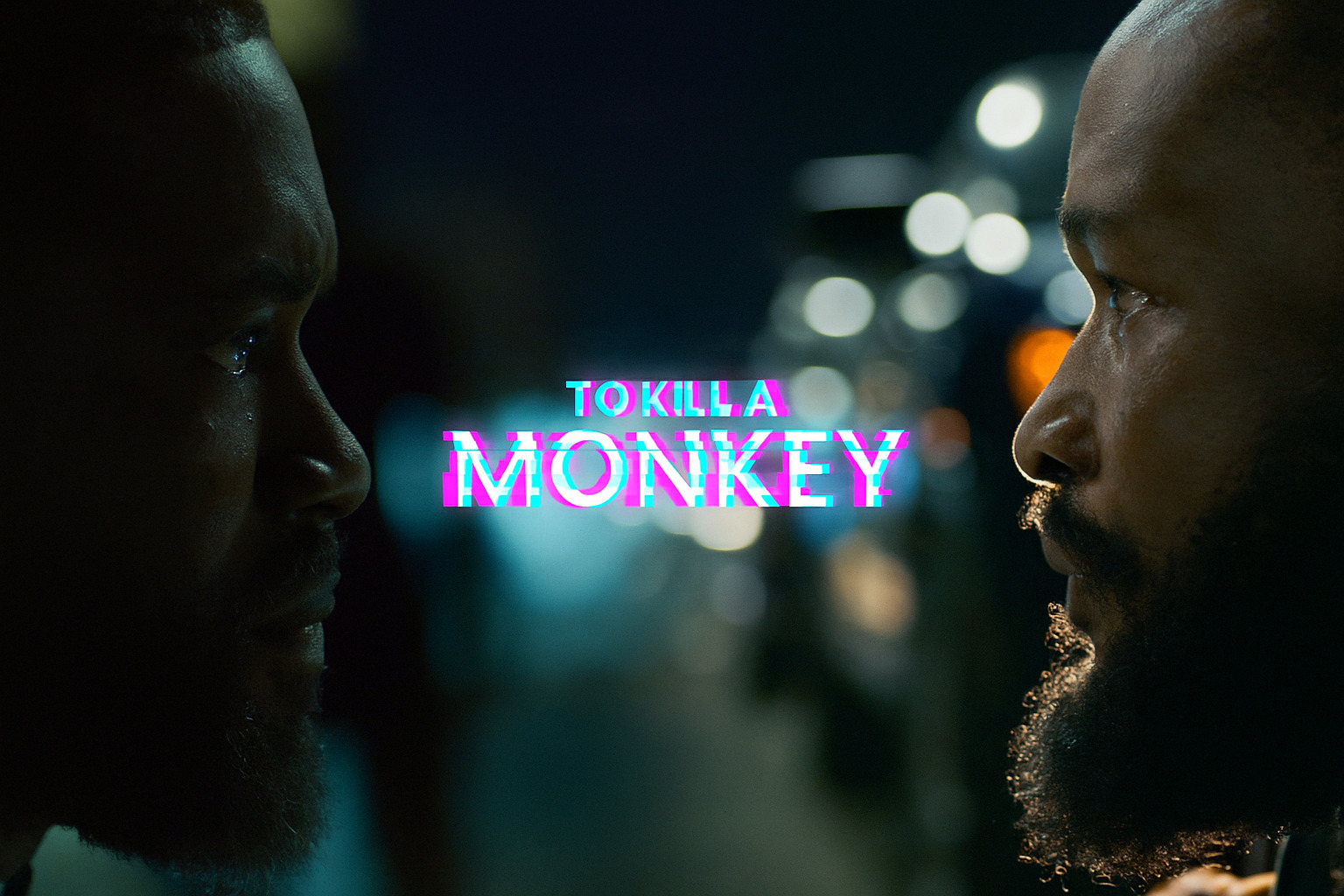
“To Kill a Monkey” Review: Kemi Adetiba’s Exciting Crime Thriller Series Is a Lesson in How Not to Tell a Story

26 juillet 2025 à 08:12

For all the fuss about cybercrime and money in this show, the crime world of To Kill a Monkey is bland, feeble, and visually non-existent.

By Vivian Nneka Nwajiaku

There is more than one way to kill a monkey. But one way that certainly doesn’t work is by talking about how to do it. If there are areas in life where that rule does not apply, screen culture is not one of them. Because in film and TV, the rule is almost sacrosanct: you don’t tell a story by telling it, you tell it by showing.

And this is the primary failure of Kemi Adetiba Visuals’ hotly anticipated Netflix-commissioned crime thriller limited series: To Kill a Monkey (2025) talks so much that if you only listened without watching, you would not miss a lot. 

There’s an opening sequence with an occult ambience, but To Kill a Monkey begins properly with a voiceover narration. The show’s lead, Efemini “Efe” Edewor (a remarkable William Benson, with a steady grip on his character’s range), husband, father and poverty-stricken first class graduate who once hated his own poor father and now feels empathy for him after having himself experienced raising a child in poverty, is stealing Wi-Fi from a facility to improve on his programming skills. We know these because he tells us, in so many words.

His wife, Nosa (Stella Damasus), is pregnant with triplets, news that makes his supervisor (Emeka Okoye) at the restaurant where he works tell him that God doesn’t like him. When only two of the triplets survive because they were severely underweight, Efe weeps, and though we can perceive that his tears are triggered partly by the pain of losing a child to poverty and partly by relief that he has one less child to provide for, Efe helps explain to us (by explaining to the doctor in the first episode, and to a law enforcement officer later on) that he in fact feels relief and guilt.

But his luck changes when he re-encounters an old acquaintance. Played by a larger-than-life Bucci Franklin who owns the screen every time, the brash Obozuhiomwem, simply called “Oboz”, offers Efe a life-changing job. But Oboz runs a cyber fraud organisation, so Efe is initially hesitant to take up the offer. He doesn’t have the liver for it, he says.

However, when his poverty becomes unbearable, including incidents of workplace sexual harassment by a superior (a superb Constance Owoyomi), domestic sexual harassment experienced by his older daughter (Teniola Aladese) at the hands of a relative, and newborn babies who are hungry because their mother is too malnourished to produce milk, Efe returns to Oboz with a counter-offer. With his tech knowledge, and this amazing new tech called artificial intelligence—it’s certainly amazing to Oboz—they can exploit cybersecurity weaknesses and game the system, he explains.

To Kill a Monkey
To Kill a Monkey

Of course, the idea that you can steal a person’s physical appearance to defraud their loved ones blows the mind of the streetwise Oboz. It blows our minds, too. It’s an early highlight in the series and a timely plug-in for the real-life questions about digital safety and wellbeing in the AI era, especially in light of the internet fraud (aka “yahoo”) menace in Nigeria. Who wouldn’t want to watch it play out? 

Except, we don’t get to. To Kill a Monkey jumps four years into a future where Efemini’s family is now comfortable in wealth, and Oboz is now so much wealthier that he can easily afford a yacht. After two episodes of romanticising Efe’s poverty and hyping him up as a tech wiz, we don’t get to see him start to touch money. Neither do we get even one scene out of eight episodes where we see Oboz’s fraudulent empire actually take advantage of the almighty AI.

As a matter of fact, we don’t see how Oboz’s criminal empire operates beyond the one dramatised sequence in the first episode where Oboz makes his initial offer to Efe. For all the fuss about cybercrime and money in this show, the crime world of To Kill a Monkey is bland, feeble, and visually non-existent.

In the one plot point where To Kill a Monkey cares about showing, we are introduced to Inspector Mo Ogunlesi (Bimbo Akintola), an agent of the Nigeria Cyber Crime Commission who suffers from post traumatic stress disorder after losing her entire family in an accident. We don’t see the accident happen, but at least we know when it does, and we see how it affects her.

Returning to work after the time jump, Inspector Mo spends the rest of the show trying to manage her mental health and to prove that she can still do the work. She forms an alliance with Inspector Onome (Michael O. Ejoor), and together, they offer some of the more refreshing interactions in the series, and even more insight into the workings of the cybercrime world than the show’s cybercriminals themselves.

But her investigation is delivered inadequately and incoherently, with the screenplay hyperfocused on painting her as unreliable, at least to her direct superior (Ireti Doyle). In her scenes, the series attempts to take on a psychological thriller atmosphere, and it’s laid on so thick and so repetitively that it’s easier to be exhausted by her than to empathise with her.

At least, a good deal of Inspector Mo’s story is shown, which is more than we can say for others. The characters of To Kill a Monkey recite away actions, motivations, backstories, and even their behaviours. We’re supposed to believe that one character habitually neglects her children not because the series establishes a pattern—it does not—but because another character accuses her of it. And we have to accept that important events have taken place, like the raiding of clandestine cells that we did not even know still existed, just because characters report that they happened.

Even To Kill a Monkey’s most explicit villain, an old taker called Teacher (Chidi Mokeme, doing his best to render a villain that’s nothing more than fodder), who spends most of the series brooding over his losses and repeating the same threats, is introduced via dialogue, interspersed with sprinkles of his family life that only serve as a quick setup for the next grand event of gangsterism that Kemi Adetiba, the series’ creator, is eager to pull off.

To Kill a Monkey
Bucci Franklin in a Still from To Kill a Monkey

And oh, Adetiba loves her grand events. Her references, too. Little details that do get shown, like envies and rivalries, are abandoned halfway in favour of bombastic moments that are often middling versions of foreign cult classics—some are KAV originals, though—and are barely established.

Adetiba cannot let us forget that this show comes from the same source as the King of Boys franchise, Nollywood’s answer to The Godfather. So, she lines up big gangster moments from the earliest point that she can to the last moment of the show, most of which, like many of the plot twists in this show, are manufactured and then explained away with some grandiose speech.

Don’t even get me started on the stressful Tarantino-esque monologues and dialogues that the characters in this show love to deliver, except that, unlike Quentin Tarantino, Adetiba’s monologues and dialogues are only mildly interesting, low stakes, and often end with no immediate consequences.

In one annoying instance, a character called Sparkles, played by Sunshine Rosman, delivers a lengthy monologue about her life’s story in a bid to make a point that she spends the rest of the show deviating from. And in another, Mokeme’s Teacher spends minutes outlining his supposedly intense plans for vengeance, only for us to watch so many of those plans fail.

In fact, there is so much yapping in To Kill a Monkey that in the finale, after a little speech that dampens what should have been a more interesting start to the final showdown, Efemini tells Inspector Mo, “This talking thing has truly now gone too far”. He could not be more right. And yet, his words are soon followed by a closing sequence that uses another voiceover narration to abruptly tie up major plot points.

For a film, that would be haphazard writing, but for an eight-episode TV series with all the space in the world for a story this simple to unfold properly, it’s even more egregious. Adetiba, who serves as the sole writer and director on all eight episodes of To Kill a Monkey, while also producing and editing, exhibits an overreliance on herself so much so that she doesn’t appear to have consultants of the type who can tell her that divorce agreements are not a thing in Nigeria, or that writing for TV is quite different from writing for film.

And that is indeed a part of the writing problem of To Kill a Monkey, that it isn’t structured like a TV series in the first place. Granted, TV in the streaming era is now skewed towards the binge model, but even with that evolution, good television still values the essence of the episodic format for a project with such lengthy duration.

To Kill a Monkey
William Benson in a Still from TKAM

Television typically distills the overall narrative into smaller, purposeful beats and breaks its story into tighter arcs with episodic climaxes. When rightly done, the result is storytelling that is effective and also maintains suspense. Not To Kill a Monkey, though. This one is a series that plays like one unending film with an inconsistent rhythm and barely any suspense.

Because To Kill a Monkey is focused not on unfolding the story but on exciting audiences with big thrills—and it is, in fact, exciting—characters are whoever the plot needs them to be at any point in time. And so, they feel more like plot devices than characters. Efemini is expectedly the most complex, and Oboz the most interesting, albeit underdeveloped, but the appeal of both and practically all the characters is less in their characterisation and more in the performances of the actors who portray them.

It’s a delight to watch Bucci Franklin and William Benson onscreen together, and scenes that have Oboz and Efe sparring are just spellbinding. Lilian Afegbai is fascinating as Idia, Oboz’s wife, and the contrast between her character and that of Nosa, played by the more experienced and appropriately moderate Stella Damasus, is entertaining to watch.

The unsung heroes here are the costume and set design departments, how they give finishing to the characters, especially the nouveaux riches, or the money-miss-road as we call them in these parts. But the element more likely to get praise is the original score by Oscar Heman-Ackah, the acclaimed music producer whose upcoming political musical drama, Finding Messiah, is also highly anticipated.

To Kill a Monkey
Bucci Franklin and William Benson in a Still from To Kill a Monkey

Unfortunately, having watched the viral Finding Messiah teaser, it’s not difficult to see how the atmosphere of that film may have seeped into the music of To Kill a Monkey. It really is a brilliant composition. But instead of propping up the film, it’s distracting, and its volume is in competition with the diegetic sound.

It’s saddening that To Kill a Monkey is nowhere near the excellence we hoped for. Sure, it’s exciting TV, but it’s also a lesson in bad storytelling. For a reference-heavy, Netflix-commissioned series, clearly, aspiration is not in scarce supply. And for a project from the stables of Kemi Adetiba Visuals, I don’t believe that it is talent or capacity that is missing. Perhaps, we are just content with excitement and spectacle. Hoorah, I guess?

Rating: 2.8/5

*To Kill a Monkey is streaming on Netflix.

Vivian Nneka Nwajiaku is a writer, film critic, TV lover, and occasional storyteller writing from Lagos. She has a master’s degree in law but spends most of her time watching, reading about and discussing films and TV shows. She’s particularly concerned about what art has to say about society’s relationship with women. Connect with her on X @Nneka_Viv

The post “To Kill a Monkey” Review: Kemi Adetiba’s Exciting Crime Thriller Series Is a Lesson in How Not to Tell a Story first appeared on Afrocritik.

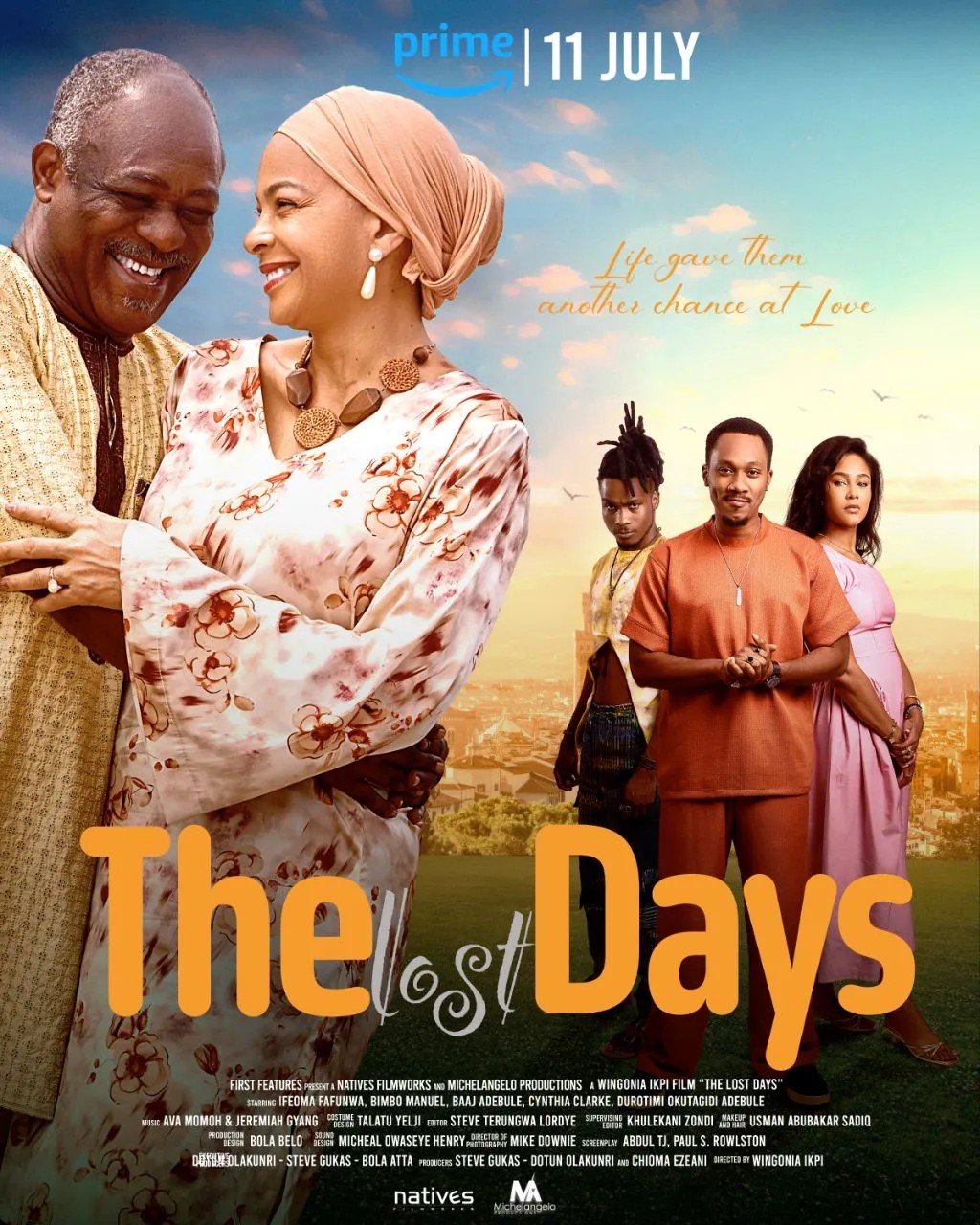
“The Lost Days” Review: Wingonia Ikpi’s First Feature Starts Strong but Crashes Halfway into the Journey

25 juillet 2025 à 07:46

There’s a lot of communication via body language in this film, and for the most part, it’s the actors, under Wingonia Ikpi’s direction, who give The Lost Days its heart and emotional heft.

By Vivian Nneka Nwajiaku

The first half of Wingonia Ikpi’s slow burn debut feature, The Lost Days (2025), is solid. That it features an older couple in what looks like a second chance romance trope already sells it to anyone who likes a good romance. That it takes place predominantly in a small town that looks alive sets it apart from most of mainstream Nollywood. And with familial frictions and tensions of the past as its conflict, it sounds like a perfect recipe for an interesting drama.

The Lost Days is about a wealthy woman on a journey of recovery and reconnection. Chisom Agu, a business magnate and widow, has just been informed that she’s in remission after an arduous battle with Hodgkin lymphoma. As people are wont to do when they face death and make it out alive, Chisom takes her second chance seriously, eager to confront her past regrets.

Confronting her past means going home, so she embarks on a trip. Her daughter assumes she means their hometown in Nsukka. And though Chisom allows her daughter to hold that impression, she leaves Lagos for a different kind of home, one that’s situated in Siun village, Ogun State, where she hopes to reconnect with the man she loved in her youth and the son she left behind.

The Lost Days
The Lost Days

In an immaculate debut screen performance, seasoned theatre professional, Ifeoma Fafunnwa stars in the lead as Chisom. Bimbo Manuel plays her past lover, Kolawole, aka Baba Kola, a widowed father of two men. Baba Kola comes onscreen without fanfare, a curious introduction for a character who is a physical manifestation of Chisom’s past and regrets. But it’s easy to forgive once interaction, laden with awkwardness and tension, between Chisom and Kola kicks off.

Fafunnwa carries a natural warm presence, but she’s also a skilled performer, deeply emotive but very controlled. And Manuel remains that veteran actor you can rely on to be modest in his deliveries but always effective. When they interact, the appeal is not so much what they say but how they say it. There’s a lot of communication via body language in this film, and it works so well in saying what’s left unsaid, in hinting at secrets harboured, regrets suppressed, and grief masked.

Ikpi has a good eye for directing, aided by her background in production, and it’s evident in how she uses everything onscreen to tell the film’s story and establish its characters, from the choice of locations to the production design, to the casting choices, and even down to the colour of clothing on the characters’ backs. But for the most part, it’s the actors, under Ikpi’s direction, who give The Lost Days its heart and emotional heft.

Fafunwa’s Chisom is at the centre of this film, and Manuel’s Baba Kola is at the very least the male lead, but the cast of The Lost Days feels like an ensemble. Chisom’s daughter, Nkem (played by Cynthia Clarke, gorgeous and well-suited to the role, but considerably lacking in acting range), is certainly a supporting character through and through, but Baba Kola’s sons, Moses (Baaj Adebule) and Kola (Durotimi Okutagidi), take up plenty of space in the story, with strong enough performances to match.

The Lost Days
Still from The Lost Days

Baba Kola’s sons know some parts of their father’s secret past, at least as much as their late mother shared with them. So, of course, they have notes on the re-emergence of this woman he calls his old friend. But where one son is receptive, the other is not. Kola, the younger son and apparent black sheep who doesn’t mind that his father has his sights set on a woman for the first time in the decade since their mum’s passing, very much minds that the new woman is the woman his father would have preferred to marry over their mother.

As a result, the dynamics between each son and Chisom, and by extension Baba Kola, are far apart, with one end offering reprieve to balance out the agitation on the other end. But both parallels have an allure to them that could have provided valuable support for the film’s main plot, especially in light of the very early revelation that she birthed one of those sons, if Abdul Tijani-Ahmed’s screenplay had just let the story tell itself.

Okutagidi is an undeniable talent, embodying the entirety of Kola, arguably the most complex of the characters: his anger, his hurt, his grief, his love, and even his little joys. And Adebule holds his own, doing his very best to sell an underdeveloped and perplexing character, despite the excesses in his performance in the film’s second half.

Which brings me to the film’s second half, and I mean half both literally and conceptually. Midway into The Lost Days, the plot takes a detour into an unwarranted crime subplot and becomes a thriller of sorts, anchored by a kidnapping incident that plunges both the film and its characters into utter confusion. 

The Lost Days
Still from The Lost Days

While the subplot manages to maintain the pace of the first half, at least as much as it can as a thriller, it derails the main plot, distracts from the heart of the film, and fundamentally undermines the emotional base that the first half laboured to establish. Not only is it a subplot that stunts the development of the primary plot, it’s not even mildly developed or logical. Characters’ actions are beyond far-fetched, motivations are thoroughly unconvincing, and the dialogue is just flimsy, all to serve a plot twist that isn’t shocking enough to have shock value.

And so, what could have been an easy ninety-minute watch that makes a soft statement about family, love and life ends up being a two-hour watch that says too little, despite its preachiness. The Lost Days does signal a promising future for Wingonia Ikpi in the director’s chair. Hopefully, that future comes with better material to work with.

Rating: 3/5

*The Lost Days is streaming on Prime Video.

Vivian Nneka Nwajiaku is a writer, film critic, TV lover, and occasional storyteller writing from Lagos. She has a master’s degree in law but spends most of her time watching, reading about and discussing films and TV shows. She’s particularly concerned about what art has to say about society’s relationship with women. Connect with her on X @Nneka_Viv

The post “The Lost Days” Review: Wingonia Ikpi’s First Feature Starts Strong but Crashes Halfway into the Journey first appeared on Afrocritik.

  • ✇Afrocritik
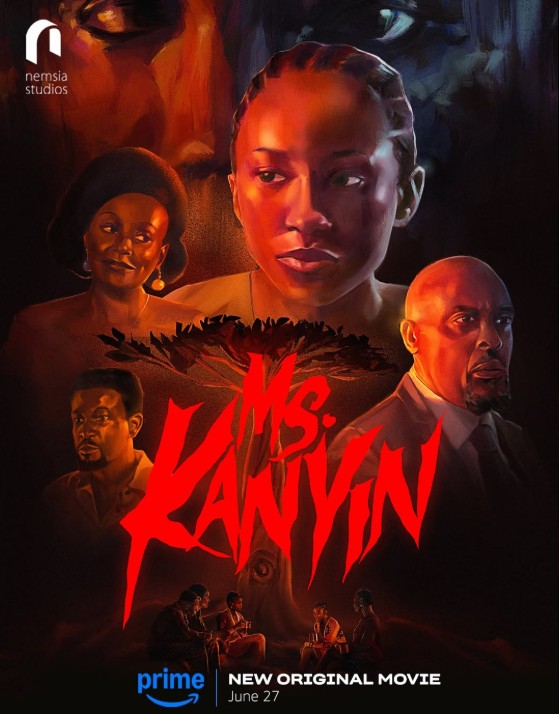
  • “Ms. Kanyin” Review: Jerry Ossaiʼs Wannabe Horror Flick is Forgettable
    Ms. Kanyin reflects the current state of Nollywood’s horror ambitions: bold ideas, impressive technical strides in some areas, but a lack of narrative discipline and thematic coherence. By Joseph Jonathan  Nigerian boarding school folklore has long been haunted by the whisper of high heels in dark hallways: Madam Koi Koi, the ghostly figure said to roam dormitories in the dead of night. It’s a tale passed from senior students to the juniors with equal parts fear and fascination, often whispere
     

“Ms. Kanyin” Review: Jerry Ossaiʼs Wannabe Horror Flick is Forgettable

5 juillet 2025 à 06:11

Ms. Kanyin reflects the current state of Nollywood’s horror ambitions: bold ideas, impressive technical strides in some areas, but a lack of narrative discipline and thematic coherence.

By Joseph Jonathan 

Nigerian boarding school folklore has long been haunted by the whisper of high heels in dark hallways: Madam Koi Koi, the ghostly figure said to roam dormitories in the dead of night. It’s a tale passed from senior students to the juniors with equal parts fear and fascination, often whispered under torchlight after lights-out.

Ms. Kanyin, a supernatural thriller directed by Jerry Ossai, attempts to reimagine this infamous myth in cinematic form. But in doing so, it falls into a trap familiar to Nollywood’s forays into horror: a strong premise undercut by underdeveloped characters, choppy storytelling, and a baffling lack of internal logic.

Set in the 1990s at Sterling Academy, Ms. Kanyin introduces us to Amara (Temi Otedola), a high-achieving student whose dreams of attending Harvard are threatened when her French teacher, the titular Ms. Kanyin (Michelle Dede), gives her a grade she considers damning. 

Alongside her friends, Amara hatches a plan that involves breaking into Ms. Kanyin’s chalet, and the consequences unleash a sinister force that begins to consume the school and the surrounding community.

Ms. Kanyin
Ms. Kanyin

That description, while intriguing, reveals just a fraction of what the film throws at you. Ms. Kanyin is packed with subplots—some promising, others perplexing—that never quite cohere into a focused narrative. Instead of enriching the story, they muddy it. 

By the time the credits roll, you’re left asking not just “What happened?” but “Why did it happen that way?” and “To whom exactly?” The internal logic of the film collapses under its own supernatural weight. We’re told an ancient tree awakens after Ms. Kanyin’s blood is spilled upon it but the motivations of the spirit, the timeline of revenge, and even whether Ms. Kanyin is alive or dead, are never clearly established. 

In one scene she levitates and flips a car; in another, she’s almost thwarted by a teenage boy holding a door shut. It’s not fear that grips you, it’s confusion.

That confusion is amplified by uneven storytelling. The film wants to be a horror, but rarely feels horrifying. It relies heavily on gore—slashes, gashes, severed limbs—all delivered through surprisingly decent special effects makeup. 

The cinematography, particularly in the night scenes, helps to establish a mood that occasionally flirts with dread. But that mood never crystallises into real suspense, because the film skips the crucial steps of building tension and grounding character motivations. The jump scares are basic, the atmosphere undercooked, and the supernatural sequences feel more like detached set-pieces than integral parts of a lived-in world.

For a film that is eponymously titled, Ms. Kanyin tells us surprisingly little about its titular character. We’re offered vague allusions to trauma, and failed dreams, but none of it adds up to a fully-formed figure. What does she want? Is she the victim or the villain? Is she even alive? The film doesn’t seem sure, and as a result, neither are we.

The acting is equally uneven. Temi Otedola, who showed some promise in Citation (2020), seems to have regressed here, though that may be more a fault of the writing than her performance. Much of the dialogue feels like exposition delivered at the audience rather than conversations unfolding between people. The characters talk at each other, not to each other, with lines that lack emotional texture or realism. 

Ms. Kanyin
Still from Ms. Kanyin

The standout performances come from Ademola Adedoyin as Mr. Mustapha—despite his wavering Northern Nigerian accent—and Kalu Ikeagwu as the principal. Toluwani George also brings some heart to the role of Chisom. But they can only do so much with a script that seems more interested in plot devices than in people.

One of the film’s most troubling choices is the inclusion of a sexual assault scene involving Ms. Kanyin and a parent. The moment is presented without emotional weight or narrative consequence. It exists solely as a tool to justify later vengeance, reducing a serious issue to a disposable plot device. It’s a careless move, and one that highlights the film’s broader issue: its unwillingness to engage with its own themes in any meaningful way.

The characters’ motivations often make little sense. Amara, a prefect and overachieving student so morally upright that she must be blackmailed into breaking rules, suddenly becomes impulsive enough to mastermind a cheating scheme that involves breaking into a teacher’s home? 

The narrative leap is jarring and unsupported. Then there’s her friend, Uti (Natse Jemide), whose entire subplot feels like a strange non-sequitur: he’s training for a 100m swim in what looks like a short school pool with no coach and no clear competitor(s). It’s played completely straight, but you’re left wondering whether the film is in on the absurdity or completely unaware.

More frustratingly, there are visible continuity errors that betray a lack of attention to detail, including a diary with the year 2024 in a film supposedly set in the 1990s. Even worse, boom mics make multiple appearances in the frame, a distracting technical flaw that undermines the immersion entirely.

There are flashes of something more: an attempt to explore themes of power, ambition, love (through Ms. Kanyin and Mr. Mustapha’s relationship), friendship (through Amara and her clique), loyalty, and buried trauma. There’s a budding romance, a hint of intergenerational conflict, and the idea that trauma can haunt spaces just as much as spirits can. But these elements are barely developed. 

Instead, the film lingers on spectacle. Even that suffers from inconsistency, with poor editing, awkward cuts, and some amateur CGI effects that feel like a disservice to the solid work done by the makeup and costume departments.

Ms. Kanyin
Still from Ms. Kanyin

Set in a boarding school, the film does succeed in evoking a kind of nostalgia for those who’ve lived that experience: the strict routines, the friendships, the fear of punishment. There’s something universally eerie about schools after dark, and Ms. Kanyin captures that atmosphere well. But even this strength is undercut by the lack of narrative clarity and a consistent horror tone.

In many ways, Ms. Kanyin reflects the current state of Nollywood’s horror ambitions: bold ideas, impressive technical strides in some areas, but a lack of narrative discipline and thematic coherence. Writers Tobe Otuogbodor and Ayoyemi Adeyemi show flashes of imagination, but the story needed more time, more shaping, more logic, more heart. By the end, the film leaves you with raw ingredients of a compelling supernatural story, but no satisfying dish. 

Rating: 1.5/5

Joseph Jonathan is a historian who seeks to understand how film shapes our cultural identity as a people. He believes that history is more about the future than the past. When he’s not writing about film, you can catch him listening to music or discussing politics. He tweets @JosieJp3

The post “Ms. Kanyin” Review: Jerry Ossaiʼs Wannabe Horror Flick is Forgettable first appeared on Afrocritik.

  • ✇Afrocritik
  • “My Mother Is a Witch” Review: Niyi Akinmolayan Explores Intergenerational Trauma in Provocative Drama
    My Mother Is a Witch is one of Niyi Akinmolayan’s most decent endeavours, with strong performances from a leading cast that carries the emotional weight of the film, aided by the film’s sombre tone. By Vivian Nneka Nwajiaku When I first heard of Niyi Akinmolayan’s latest release, My Mother Is a Witch (2025), I was reminded of a comment made by Oge Obasi during an Afrocritik interview after the C. J. “Fiery” Obasi-directed Mami Wata (2023), which she produced and premiered at Sundance. She’d be
     

“My Mother Is a Witch” Review: Niyi Akinmolayan Explores Intergenerational Trauma in Provocative Drama

14 juin 2025 à 09:22

My Mother Is a Witch is one of Niyi Akinmolayan’s most decent endeavours, with strong performances from a leading cast that carries the emotional weight of the film, aided by the film’s sombre tone.

By Vivian Nneka Nwajiaku

When I first heard of Niyi Akinmolayan’s latest release, My Mother Is a Witch (2025), I was reminded of a comment made by Oge Obasi during an Afrocritik interview after the C. J. “Fiery” Obasi-directed Mami Wata (2023), which she produced and premiered at Sundance.

She’d been asked about challenges that came up while shooting the film, and she responded: “We were making a film about Mami Wata. Typically, in Nigeria, we got a lot of ‘God forbid. Are you people Christians? Don’t you believe in God?’” And I immediately felt guilty about how difficult I was finding it to say the title of Akinmolayan’s film.

Yet, being a Nigerian with Nigerian sensibilities, it was a first instinct to dissociate from a title that is essentially a negative statement with such personal phrasing. And it obviously wasn’t just me. When I made a call to a cinema to confirm showtimes for My Mother Is a Witch, the respondent’s first reply was “Your mother” before course-correcting. And when I got to the cinema, both the attendant and I dropped the “My” and avoided the title as much as possible.

But that’s the essence of My Mother Is a Witch, a film that is intended to provoke both thought and discomfort, confronting intergenerational trauma and the weight of familial dysfunction with a complicated mother-daughter relationship at its centre. Mercy Aigbe and Efe Irele bring the mother and daughter to life, leading an appropriately small cast that serves the story effectively.

Aigbe plays the mother, Adesuwa, and Irele the daughter. Her mother calls her Imuetiyan, but she prefers Jess, short for Jessica. When the film opens, we see her first—in the UK where she’s spent twelve years and has built a career in fashion, working with British Vogue. But on the day we meet her, she gets a video message from a doctor back home in Benin, Nigeria. Her mother has passed on, and her last wish was for her daughter’s forgiveness and for a decent burial.

My Mother Is a Witch

As she lights a smoke in the balcony of her near-lifeless UK flat that she now calls home, you can immediately tell that Jess’ feelings about the matter are much more complicated than grief; that grief might not even be in the picture. Yet, Jess packs a bag to return to the country she once swore she’d never come back to, where condoling neighbours whom she distrusts hover around her and an unpleasant surprise awaits her, and where she’ll eventually take us—and Doctor Ayo (Timini Egbuson)—through her past and the events that damaged both her and her mother.

Writer-director Niyi Akinmolayan (The Man for the Job (2022); The House of Secrets (2023); Lisabi: The Uprising (2024)) has said that My Mother Is a Witch comes from a personal place for him. And you can very easily tell from how intimately he approaches the story, how contained he keeps it, how tenderly he directs it, and how affectionately he captures the dichotomy of home.

Despite the damage that weighs down  the characters’ hometown, in Benin, the town is photographed through a loving lens, even if Jess is too preoccupied with the torturous memories to admire it with us. Home in Benin is alive, populated and brimming with personality (although unusually lacking in evidence of catholicism which the film later relies on in its message of confession and reconciliation), a stark contrast to the orderliness and flatness of the UK home she’s desperate to get back to.

But before she can return, Jess—and the film itself—must resolve the internal and external conflicts. So, complications arise that keep Jess stranded in Benin, providing her with opportunities to hash things out and find closure, including confrontations with her mother that she had not expected when she boarded her flight at Manchester.

All familial relationships are complex, but mother-daughter relationships are complex in a way that is fundamentally different from the complexity of, say, father-daughter or mother-son relationships. There’s often a specific layer of tension, informed by gendered expectations, that tends to create a rift between a mother who knows the reality of womanhood in a very gendered society and a daughter who just wants to live.

My Mother Is a Witch
Stills from My Mother Is a Witch

My Mother Is a Witch has glimpses of that dynamic. Adesuwa’s cruelty and insecurities are triggered by a fear of the possibility that her daughter could end up an inadequately-educated single mother like her, with the accompanying abuse and other gendered disadvantages.

But My Mother Is a Witch does not go beyond glimpses. Instead, it crafts a generic parent-child conflict that is only devastating because it features the worst possible form of parental cruelty. Then, it wraps the conflict in Hollywood teen-speak. While Adesuwa is credible as a Nigerian mother, teenage Imuetiyan (as Jess is called at home) feels like she’s ripped out of a Ginny & Georgia (2021) episode. And so, the conflict, as important as it is and as relatable as it tries to be, sometimes feels too out-of-touch with reality, pulling you out of a film that is supposedly steeped in reality.

It doesn’t help that the opportunities for confrontation that My Mother Is a Witch painstakingly creates are not utilised beyond rehashing the conflict itself. Mother and daughter are put on screen only to remind us that they once loved each other very much and now can’t be in the same room together. And when they’re both finally at a place where resolution and healing can start to happen, the film leap frogs past the stages of reconciliation, moving from deep-seated, decade-old, completely valid anger and hurt to forgiveness and closure in one fell swoop.

There is a beautiful memory montage and an evocative mirror scene which serve, together, as the vehicle through which the conflict comes to a head and is resolved. It’s a sequence that is as tender as it is moving. But it’s also a reflection of the defining problem of this film. My Mother Is a Witch handles its resolution in a way that men think women handle conflict, with one big emotional outburst.

My Mother Is a Witch

There is no conversation, no real baring of souls, no hashing-out. Just an emotional song anchored by tears from a mother whom her daughter ordinarily believes to be manipulative and self-centred. My Mother Is a Witch forgets that it is a film that deals with women, and women talk.

Still, My Mother Is a Witch is one of Akinmolayan’s most decent endeavours, with strong performances from a leading cast that carries the emotional weight of the film, aided by the film’s sombre tone—at least, until the film undergoes a jarring tonal shift and devolves into a tonal seesaw.

Jess’ internal battles are glaring because of Irele’s demeanour and mannerisms, and Aigbe’s Adesuwa is near-terrifying as a mother projecting her own trauma and insecurities on her naive teenage daughter. Irele and Aigbe clearly prove themselves to be capable of digging into the nuances of the relationship that a film such as this one seeks to explore. Pity that My Mother Is a Witch does not quite succeed in navigating those nuances.

Rating: 3.2/5

(My Mother Is a Witch opened in Nigerian cinemas on 23rd May 2025)

Vivian Nneka Nwajiaku is a writer, film critic, TV lover, and occasional storyteller writing from Lagos. She has a master’s degree in law but spends most of her time reading about and discussing films and TV shows. She’s particularly concerned about what art has to say about society’s relationship with women. Connect with her on X @Nneka_Viv

The post “My Mother Is a Witch” Review: Niyi Akinmolayan Explores Intergenerational Trauma in Provocative Drama first appeared on Afrocritik.

  • ✇Afrocritik
  • AMVCA 2025: What Are We Really Celebrating?
    Does the AMVCA reflect the true diversity and excellence of African cinema, or does it merely reward the loudest voices in the room? By Joseph Jonathan  The 11th edition of the Africa Magic Viewers’ Choice Awards (AMVCA), held on May 10th, 2025, in Lagos, was, as always, a spectacle of fashion, fame, and celebration. Over the years, the AMVCA has become the most recognisable award ceremony for film and television in Nigeria and indeed, all of Africa.  But beneath the glitz and glamour lies a r
     

AMVCA 2025: What Are We Really Celebrating?

12 mai 2025 à 13:49

Does the AMVCA reflect the true diversity and excellence of African cinema, or does it merely reward the loudest voices in the room?

By Joseph Jonathan 

The 11th edition of the Africa Magic Viewers’ Choice Awards (AMVCA), held on May 10th, 2025, in Lagos, was, as always, a spectacle of fashion, fame, and celebration. Over the years, the AMVCA has become the most recognisable award ceremony for film and television in Nigeria and indeed, all of Africa. 

But beneath the glitz and glamour lies a recurring question: how effectively does the event honour the artistic and technical excellence it claims to celebrate? This year’s ceremony once again stirred applause, raised eyebrows, and reignited long-standing concerns about credibility and direction.

AMVCA
AMVCA

Production-wise, the event delivered what one has come to expect: sleek stage design, well-lit red carpet moments, live music performances, a soulful in memoriam segment, and a meticulous flow of segments that reflect the polish of a MultiChoice–backed show. Impressively, the show began right on schedule at 7pm, which is a rarity for many Nigerian events and a mark of growing professionalism.

IK Osakioduwa, the show’s long-time host, brought his usual energy and charisma, and made jokes that took jabs at guests, occasionally dipping into uncomfortable territory. 16-year-old co-host, David Oke, was a refreshing addition to the night, bringing sincerity and youthful presence to the stage. Together, they had a decent rapport, delivering some of the most engaging moments of the night.

However, despite the overall polish, there were cracks beneath the surface. The stage management was not always at its best, from technical issues like obvious teleprompter glitches disrupting the smoothness of the speeches delivered by those who presented the awards, to presenters forgetting to announce the winner of what should have been the second biggest award of the night. 

Moreso, the decision to introduce a talking parrot as a time regulator for acceptance speeches fell flat. Intended as a quirky device, the parrot’s loud interjections—often poorly timed—came across as corny and tacky, breaking the emotional rhythm of acceptance speeches rather than keeping them succinct.

For all its branding as a celebration of African storytelling, the AMVCA has increasingly leaned into celebrity and fashion culture. This year was no different. More social media content circulated about who wore what than who won what. While glamour has its place, this imbalance contributes to the perception that the awards are more a lifestyle event than a cinematic one.

This perception may or may not have something to do with the glaring absence of at least half of the night’s winning actors and filmmakers, depriving the audience of the heartfelt speeches that make award events worth watching. In the acting categories, the Best Lead Actress and Best Supporting Actor had representatives pick up their awards. The Best Director did not make it, neither did the producers who won Best Movie and Best Scripted Series. 

That leads us to the bigger question of the credibility of the awards itself. As expected, outcomes this year were a mixed bag. Lisabi: The Uprising which was the most nominated film on the night (ten), emerged as a dominant force, sweeping awards for Best Art Direction, Best Makeup, and Best Indigenous Language Film (West Africa). 

Lisabi: The Uprising

Lisabi: The Uprising is easily one of the most divisive Nollywood films from last year, as audiences can’t seem to agree on its merits. However, it is important to note that when conversations about the awards wins are brought up, it is usually within the context of other nominated films. Hakeem Effect won Best Makeup for Lisabi: The Uprising, but considering the fact that his makeup work in two other projects (Aníkúlápó: Rise of the Spectre and Seven Doors) were also nominated in the same category, one begins to wonder if indeed his best work won. 

I had planned to write a whole paragraph explaining why I think Seven Doors should have won the Best Indigenous Language Film (a category that features both film and series nominations) until I recalled it was an audience voting category. Nevertheless, the AMVCA can at least explain what that category really is about. 

AMVCA
Seven Doors

Are audiences voting for the best use of an indigenous language in a film or the best film in an indigenous language? 

In the Best Scripted Series category, Clarence Petersʼ Inside Life clinched the award, and it is difficult to understand why. While the show had promise and started out well, it took a nosedive from around the third episode. In a category that had better written shows like Seven Doors, Princess on a Hill, and ChetaʼM, the credibility of Inside Lifeʼs win is questionable. For a category decided by the jury, it seems as though they were looking to spread award wins rather than just reward cinematic excellence. 

What does the Trailblazer Award mean, and how does its recipient get decided? These have been the questions on my mind since Kayode Kasum clinched the award on Saturday night. Like most viewers, I struggle to understand the rationale for awarding Kasum with the award because the last time a director (C. J. “Fiery” Obasi) won it in 2015, he had just a debut feature to his name. 

Kayode Kasum
Kayode Kasum

Kasum, on the other hand, has been in the industry for almost a decade with over 20 films credited to him as director. When you look at past winners of the award, it is understandable why audiences liken it to the Headies Next Rated, hence the confusion over Kasum’s win. 

In what was the larger joys of the night, Freedom Way deservedly won Best Movie and Best Writing (Movie), but it begs the question: how did the best movie get only one acting nomination (Best Supporting Actor), no directing nomination, and only two nominations in the technical categories (Sound/Sound Design and Score/Music)?

Freedom Way
Freedom Way

There is also the question of representation for non-Nigerian films. A Tanzanian series, Wa Milele?, won Best Unscripted Series while a Kenyan series, Untying Kantai, took home Best Writing (Series). South African film, Inkabi, picked up the award for Best Editing, and it is not surprising, considering that many of Nollywood’s big budget projects rely on their South African counterparts for post-production expertise. 

Yet, there is a sense that the continued underrepresentation of Francophone, Lusophone, and North African cinema (especially in the major categories) undermines the supposed ‘continental’ feel of the AMVCA. While there were token nods to South African and Kenyan entries in the major categories, there is almost no expectation for these films to win their categories as the overall flavour remains predominantly Nigerian and Anglophone.

It’s worth asking: does the AMVCA reflect the true diversity and excellence of African cinema, or does it merely reward the loudest voices in the room? The answer is complicated. 

On one hand, it offers a rare platform for African filmmakers to be seen, validated, and celebrated on a regional stage. On the other hand, the curation of nominees often leaves much to be desired and reflects biases of platform affiliation, language, and proximity to Lagos, the de facto capital of African entertainment. 

Despite what anyone thinks or feels about the AMVCA, one truth remains—that it reflects the aspirations of an industry still wrestling with its identity, value systems, and place in the global film conversation.

Joseph Jonathan is a historian who seeks to understand how film shapes our cultural identity as a people. He believes that history is more about the future than the past. When he’s not writing about film, you can catch him listening to music or discussing politics. He tweets @JosieJp3.

The post AMVCA 2025: What Are We Really Celebrating? first appeared on Afrocritik.

  • ✇Afrocritik
  • 14 Prolific Writer-Director Collaborations in Nollywood
    In Nollywood, a growing number of writer-director pairings are leaving their mark, not just through individual hits but through sustained partnerships By Joseph Jonathan  In the world of film, few things are as powerful or as important as creative collaboration. A compelling script needs a visionary director to bring it to life, just as a director relies on a sharp, coherent screenplay to guide the soul of their film. The magic of filmmaking happens when these two forces align, creating storie
     

14 Prolific Writer-Director Collaborations in Nollywood

12 mai 2025 à 10:12

In Nollywood, a growing number of writer-director pairings are leaving their mark, not just through individual hits but through sustained partnerships

By Joseph Jonathan 

In the world of film, few things are as powerful or as important as creative collaboration. A compelling script needs a visionary director to bring it to life, just as a director relies on a sharp, coherent screenplay to guide the soul of their film. The magic of filmmaking happens when these two forces align, creating stories that resonate deeply with audiences.

As six-time Oscar-winning director, Alan Parker, once said, Filmmaking is a collaborative art form. No filmmaker in history ever made a film on his, or her, own. Let’s face it, even Leonardo needed a little help painting “The Last Supper”, but Federico needed a hundred people to help him make “La Dolce Vita””. This statement rings especially true in Nollywood, where a growing number of writer-director pairings are leaving their mark, not just through individual hits but through sustained partnerships that have defined genres, launched careers, and redefined storytelling. 

In this listicle, we spotlight some of Nollywood’s most prolific writer-director duos: those who have worked together on three or more projects together. And because some magic only needs two chances to spark, we’ve also included honourable mentions.

Isaac Ayodeji & Taiwo Egunjobi

Nollywood
Isaac Ayodeji & Taiwo Egunjobi

In Ibadan (2021), All Na Vibes (2021), Crushed Roses (2022), A Green Fever (2023), The Fire and The Moth (2025)

Having worked as co-writers on Dwindle (2021), the duo teamed up for Egunjobi’s directorial debut, In Ibadan, and have never looked back since. They have gone on to become one of the most exciting writer-director teams in Nigeria’s indie film space. Their collaborations explore youth, rebellion, and societal decay with raw energy and poetic realism. With each film, their collaboration adds a new layer to its evolving cinematic vision.

Collins Okoh & Funke Akindele

Nollywood
Collins Okoh & Funke Akindele

Omo Ghetto: The Saga (2020), A Tribe Called Judah (2023), She Must Be Obeyed (2023), Everybody Loves Jenifa (2024), Finding Me (2025)

Funke Akindele is rightly called Nollywood’s box office queen, but behind some of her biggest box office hits is the pen of Collins Okoh. Together, they’ve shaped stories that balance broad comedy with strong emotional stakes, speaking directly to Nigeria’s urban middle class.

Akinlabi Ishola & Funke Akindele

Akinlabi Ishola & Funke Akindele

A Tribe Called Judah (2023), She Must Be Obeyed (2023), Everybody Loves Jenifa  (2024), Finding Me (2025)

Another key collaborator in Akindele’s camp, Ishola’s scripting style leans into contemporary themes and multi-character ensembles. As a frequent collaborator with Collins Okoh and Funke Akindele, their work together signals a production model built on trust and consistency.

Tunde Babalola & Kunle Afolayan

Tunde Babalola & Kunle Afolayan

October 1 (2014), The CEO (2016), Mokalik (2019), Diamonds in the Sky (2019), Tenant of the House (2019), Citation (2020), Aníkúlápó (2022), Ijogbon (2023)

As the most prolific on this list, Tunde Babalola and Kunle Afolayan’s partnership is responsible for some of Nollywood’s most ambitious and globally recognised films. Whether it’s period dramas or political thrillers, their work is marked by intelligent scripting and cinematic ambition which is evident in the critical acclaim which most of their work have received. 

Kemi Adesoye & Kunle Afolayan

Nollywood
Kemi Adesoye & Kunle Afolayan

The Figurine (2009), Phone Swap (2012), Ọmụgwọ (2017), A Naija Christmas (2021)

Kemi Adesoye is known for her character-driven narratives, and with Afolayan’s experienced cinematic eye, this duo has delivered both commercial hits and critical favourites. Their early work together, The Figurine is one of the films that helped define the New Nollywood era.

Shola Dada & Kunle Afolayan

Shola Dada & Kunle Afolayan

Roti (2017), The Bridge (2017), Aníkúlápó: Rise of the Spectre (2024).

Shola Dadaʼs style sees her bring a reflective, sometimes spiritual touch to her scripts. When paired with Afolayan’s epic vision, their stories offer layered portrayals of life, love, and loss.

Toluwani Obayan Osibe & Kayode Kasum

Toluwani Obayan Osibe & Kayode Kasum

This Lady Called Life (2020), Ponzi (2021), Something Like Gold (2023)

This pair excels at telling intimate stories that are socially relevant. Their work spans dramedy to romance, each time focusing on everyday characters with relatable struggles and triumphs.

Stephen Okonkwo & Kayode Kasum

Stephen Okonkwo & Kayode Kasum

Soole (2021), Obara’m (2022), Ajosepo (2024)

Stephen Okonkwo and Kasum’s collaborations blend traditional motifs with modern storytelling. Their films often explore family, tradition, and the tension between the old and the new.

Frances Okeke & Biodun Stephen

Frances Okeke & Biodun Stephen

Mother Love (2019), Hell Cat (2019), Carpe Diem (2021)

Through their collaborative work, Frances Okeke and Biodun Stephen have carved a niche for themselves in the melodrama and romantic genres. This duo are able to tell emotionally resonant stories that spotlight female leads and complex relationships.

Toyin Abraham & Adebayo Tijani

Toyin Abraham & Adebayo Tijani

Alakada 2 (2013), Ijakumo: The Born Again Stripper (2022), Alakada: Bad and Boujee (2024)

Toyin Abraham wears many hats: writer, actor, producer, and in Adebayo Tijani, she has found a director who translates her vision to screen with flair. Their collaborations are usually marked by humour, satire, and social commentary.

Femi Adebayo & Tope Adebayo

Femi Adebayo & Tope Adebayo

Jelili (2011), King of Thieves (2022), Jagun Jagun (2023)

As the sons of the legendary Adebayo Salami, this brother duo have brought Yoruba epic storytelling to the mainstream. From comedy to mythic stories, their creative synergy is rooted in cultural pride and folktale tradition.

Adebayo Tijani & Tope Adebayo

Adebayo Tijani & Tope Adebayo

Jagun Jagun (2023), Crossroads (2024), Seven Doors (2024)

Adebayo Tijani and Tope Adebayo are another duo committed to pushing the boundaries of traditional storytelling in the Yoruba epic genre. Their films usually blend high-concept production design with grounded Yoruba folklore to create memorable cinematic experience for audiences. 

Musa Jeffrey David & Moses Inwang

Musa Jeffrey David & Moses Inwang

Lockdown (2021), Merry Men 3: Nemesis (2023), Blood Vessel (2023)

This duo dive into genre filmmaking with assured confidence, as they often explore social commentary in the thriller and drama genres. David and Inwangʼs collaborations are often characterised by its ensemble cast. 

Jennifer Nkemdilim Eneanya & Daniel Oriahi

Jennifer Nkemdilim Eneanya & Daniel Oriahi

Zena (2019), Simple People (2020), The Mismatched (2021), False Doors (2021)

One of the most underrated pairings, their work embraces the quirky, and the emotional. Oriahi’s bold direction meets Eneanya’s abstract but realistic scripts to produce consistently surprising work.

Honourable Mentions

These writer-director pairings have shown early promise or made memorable contributions with just two films:

  • Ozioma Nwughala & Biodun StephenTough Love (2018), Slay Queen (2019)
  • Joy Isi Bewaji & Biodun StephenSeven and a Half Dates (2018), Porbeni (2021)
  • Ijenebe Anwuri & Biodun StephenTruth (2019), Butterflies (2021)
  • Omo Ojeiwa & Kayode KasumDognapped (2017), Oga Bolaji (2018)
  • Ife Olujuyigbe & Kayode KasumWhat About Us (2024), Reel Love (2025)
  • Chinaza Onuzo & Omoni OboliMoms at War (2018), Love is War (2019)
  • Chinaza Onuzo & Tope OshinNew Money (2018), Up North (2018)
  • Tunde Babalola & Bolanle Austen-PetersFunmilayo Ransome-Kuti (2024), House of Ga’a (2024)
  • Anthony Kehinde Joseph & Moses InwangMerry Men 2 (2019), Bad Comments (2020)
  • Nicole Asinugo & Ramsey NouahLiving in Bondage: Breaking Free (2019), Rattlesnake: The Ahanna Story (2020)
  • Vanessa Kanu & Daniel OriahiSylvia (2018), The Weekend (2024)

Joseph Jonathan is a historian who seeks to understand how film shapes our cultural identity as a people. He believes that history is more about the future than the past. When he’s not writing about film, you can catch him listening to music or discussing politics. He tweets @JosieJp3.

The post 14 Prolific Writer-Director Collaborations in Nollywood first appeared on Afrocritik.

  • ✇Afrocritik
  • 10 Celebrities Who Slayed the 2025 AMVCA Cultural Day
    Every individual at the AMVCA Cultural Day stunned in their traditional attire, turning the event into a visual feast and a captivating journey through the rich and diverse cultures of Nigerian traditions.  Abioye Damilare Samson Few days after our African music stars and designers made an indelible statement at the 2025 MET Gala with bold, unapologetic African style gracing the red carpet, Nollywood’s brightest stars and content creators took to the spotlight with their own regal and traditio
     

10 Celebrities Who Slayed the 2025 AMVCA Cultural Day

12 mai 2025 à 07:36

Every individual at the AMVCA Cultural Day stunned in their traditional attire, turning the event into a visual feast and a captivating journey through the rich and diverse cultures of Nigerian traditions. 

Abioye Damilare Samson

Few days after our African music stars and designers made an indelible statement at the 2025 MET Gala with bold, unapologetic African style gracing the red carpet, Nollywood’s brightest stars and content creators took to the spotlight with their own regal and traditional elegance on May 9th, during the AMVCA Cultural Day celebrations. 

The event, held ahead of the grand finale awards ceremony, was an unforgettable display of cultural elegance, with each attendee embodying the essence of African heritage through thoughtfully curated traditional attire.

AMVCA Cultural Day
AMVCA

It’s a rare sight to witness a night like this where nearly no one falls short of bringing their A-game in cultural fashion. Every individual stunned in their traditional attire, turning the event into a visual feast and a captivating journey through the rich and diverse cultures of Nigerian traditions. 

Among the night’s most captivating figures, Prince Nelson, the actor, model, and former Mr Nigeria 2018, and Liquorose, dancer and actress, emerged as Best Dressed Male and Female, respectively, with their outfits embodying grace, royalty, and cultural pride.

Here, we spotlight some of the celebrities who truly slayed the 2025 AMVCA Cultural Day with their timeless, royal, and traditional outfits that honour the cultural heritage that binds us all.

Liquorose

Nigerian dancer, actress, and Big Brother Naija Season 6 first runner-up, Roseline Afije, widely known as Liquorose, is no stranger to commanding attention with her style. Renowned for her elegant fashion choices and fearless flair, she once again proved her fashion finesse at the AMVCA Cultural Day. 

AMVCA Cultural Day
Liquorose

Crowned Best Dressed Female of the night, Liquorose dazzled in a richly adorned, peacock-inspired gown that fused opulence with cultural pride. Styled by Prudential Styling, her look was elevated by layers of coral beads and a striking burnt orange headpiece, capturing the essence of royalty, confidence, and creativity.

Uzoamaka Aniunoh

Nigerian actress, Uzoamaka Aniunoh, also known as Uzoamaka Power, has been causing quite the stir on social media, particularly on X (formerly Twitter), and rightfully so. For the AMVCA Cultural Day, she turned heads with a striking homage to tradition. Dressed in an elegant August Meeting-inspired ensemble, Uzoamaka paired a vintage Kirikiri star Igbo wrapper with a crisp white blouse, creating a perfect balance of modern refinement and cultural richness. 

AMVCA Cultural Day
Uzoamaka Aniunoh

Her red headscarf and matching handbag added a bold pop of colour, paying tribute to the iconic women of the ‘August Meeting’ and, more broadly, to the resilience and beauty of Eastern Nigerian women. 

Yemi Cregx

Nigerian fashion influencer and actor, Yemi Cregx, made an unforgettable entrance at the AMVCA Cultural Day, delivering one of the most awe-inspiring looks of the night. Dressed in full Yoruba Agbada regalia, he exuded an air of royalty so powerful that one might have mistaken him for the king of a Yoruba kingdom. 

AMVCA Cultural Day
Yemi Cregx

His outfit was a regal masterpiece, complete with a conical bead crown, a beaded staff, and a finely crafted fly whisk. Every detail of Yemi’s look paid tribute to the majestic elegance of Yoruba tradition, making him a true embodiment of cultural heritage.

Prince Nelson Enwerem 

Nigerian model, actor, and former Mr. Nigeria, Prince Nelson Enwerem, truly earned his title as Best Dressed Male of the AMVCA Cultural Day, and it was well-deserved. Styled by BlackAdudu, he exuded nothing short of regality in his meticulously embroidered attire, which paid a profound tribute to Benin culture. 

Prince Nelson Enwerem

His look featured a beaded red cap adorned with feathers, alongside a ceremonial robe rich in intricate beadwork, each element holding deep cultural significance. 

Lateef Adedimeji

One of Nollywood’s brightest stars, Lateef Adedimeji, stood tall at this year’s AMVCA with an impressive ten nominations that serves as a proof to his talent and impact in film. But beyond the awards buzz, his appearance at the Cultural Day was one of the evening’s most memorable moments. Paying homage to the Hausa culture, Lateef stepped out in a look fit for royalty. 

Lateef Adedimeji
Lateef Adedimeji

He wore a majestic blue babariga embroidered with gold detailing, layered with a flowing blue Rawani turban, and carried a staff of office that sealed the look with black shades that added a touch of contemporary cool. 

Faith Morey

Nigerian-American model, entrepreneur, and reality TV star, Faith Morey, brought regal elegance to the AMVCA Cultural Day with a look that effortlessly blended tradition and high fashion. Dressed in a striking red and blue feathered gown, adorned with traditional neck beads and a bold blue head tie, she embodied a seamless blend of modern glamour and cultural richness.  

Faith Morey
Faith Morey

Designed by Amy Aghomi, the creative force behind looks for celebrities like Davido, the ensemble captured Faith’s commanding presence while honoring cultural aesthetics with flair and finesse.

VJ Adams

Nigerian television presenter and entrepreneur, Adams Ibrahim Adebola, popularly known as VJ Adams, made a bold cultural statement as the red carpet host of the AMVCA Cultural Day. Draped in a regal wine-colored Agbada embroidered with elegant black patterns, he exuded the poise of a modern-day chief. 

VJ Adams
VJ Adams

His ensemble was perfectly complemented by a matching wine-and-black cap, sleek black shades, gold-chained loafers, and a traditional priest’s staff that added a layer of ancestral reverence. 

Stan Nze

The Isiagu, also known as the Chieftaincy attire, is a symbol of prestige and pride among the Igbo people, and Nollywood actor, Stan Nze, wore it with commanding grace at the AMVCA Cultural Day. He stepped out in a deep blue wool base layered with a classic red Isiagu cloth, accessorised with a striking red fez cap adorned with feathers and traditional long beads cascading around his neck. 

Stan Nze
Stan Nze

Speaking to Afrocritik on the red carpet, he shared, “I’m a very cultural person. Everybody that knows me knows that I am a representation of the Igbo culture, and then the culture generally”.  

Olivia Chioma Okoro

Actress and former Big Brother Titans housemate, Olivia Okoro, lit up the AMVCA Cultural Day with a look that was as radiant as it was rooted in heritage. Dressed in a traditional red, fully beaded gown adorned with cowries and a matching red head tie, she paid homage to her cultural roots with striking elegance.

Olivia Chioma Okoro
Olivia Chioma Okoro

Born in Kano, Olivia used the moment to celebrate her heritage by captioning her AMVCA Cultural Day post: “Embracing the beauty of my roots”. 

Saga

Nigerian actor, reality TV star, and fashion enthusiast, Adeoluwa Okusaga, fondly known as Saga, once again proved his flair for standout style at the AMVCA Cultural Day. Dressed in a rich chocolate wool Agbada, Saga exuded effortless confidence and class. 

Saga
Saga

His look was elevated with a traditional staff, which added a touch of authority and elegance to his already commanding presence. 

Abioye Damilare is a music journalist and culture writer focused on the African entertainment Industry. Reading new publications and listening to music are two of his favourite pastimes when he is not writing. Connect with him on Twitter and IG: @Dreyschronicle

The post 10 Celebrities Who Slayed the 2025 AMVCA Cultural Day first appeared on Afrocritik.

❌