
Vue normale

Reçu avant avant-hier
  • ✇Afrocritik
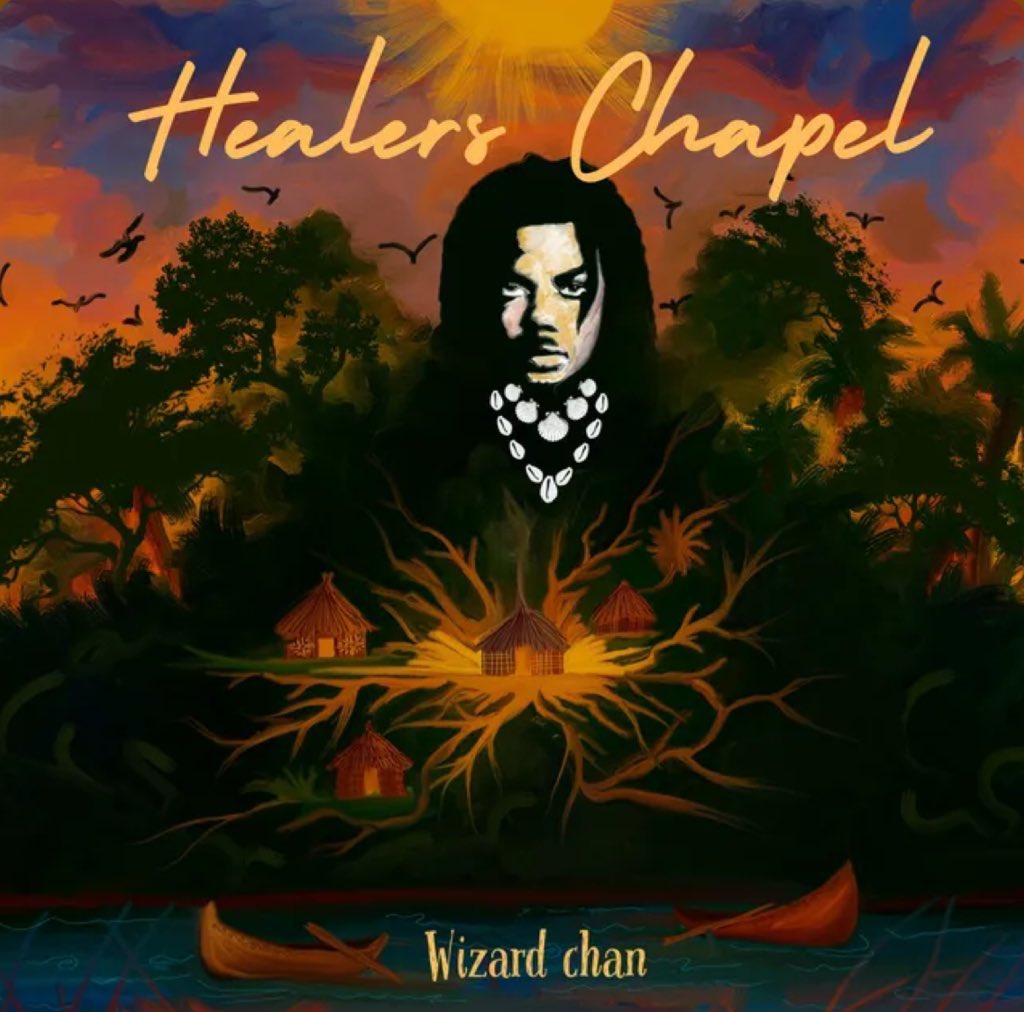
  • “Healers Chapel” Review: Wizard Chan’s Debut Is an Introspective and Soulful Sonic Balm
    With Healers Chapel, Wizard Chan invites listeners to experience a warmth of redemption and a sense of solace, even amid the turbulence and uncertainties of life. By Abioye Damilare Samson Afro-Pop’s global rise has not erased the truth that some of its most striking moments come from artistes who draw deeply from the roots of their immediate worlds. Whether it’s Rema and Shallipopi flipping Benin street slang into nationwide catchphrases, FirstKlaz experim
     

“Healers Chapel” Review: Wizard Chan’s Debut Is an Introspective and Soulful Sonic Balm

15 septembre 2025 à 08:41

With Healers Chapel, Wizard Chan invites listeners to experience a warmth of redemption and a sense of solace, even amid the turbulence and uncertainties of life.

By Abioye Damilare Samson

Afro-Pop’s global rise has not erased the truth that some of its most striking moments come from artistes who draw deeply from the roots of their immediate worlds. Whether it’s Rema and Shallipopi flipping Benin street slang into nationwide catchphrases, FirstKlaz experimenting with a Neo-Arewa sound in the north, or Adekunle Gold gesturing toward Fuji in his upcoming album, the pulse of home continues to shape what travels abroad. Wizard Chan, born Fuayefika Maxwell, stands within this current. His debut album, The Healer, is a purposeful extension of the journey to reimagine Ijaw language, elements, and spirituality within a modern fusion sound.

That sound, which he calls Afro-Teme, has always been the distinct marker that sets him apart. Since the meditative “Earth Song” put him on the map in 2022, his style—which recalled the depth of Reggae legend, Orits Wiliki, in the 80s and carried the communal energy of Gyration music—has since expanded far beyond what he displayed on that track.

The song became a career-defining moment, earning him two nominations at the 2023 Headies Awards—for Songwriter of the Year and Best Alternative Song—and ultimately winning the latter. It was proof that Wizard Chan’s music, stitched with gongs, bells, and other Ijaw music elements, alongside a fusion of Folk, Highlife, Hip-Hop, and Soul, could carve out a spiritual, almost ritualistic space in the mainstream, sustained by devoted listeners who now hail him as the “Big Masquerade” and “Native Doctor”.

Across projects like The Messenger and Time Traveller, both released in 2024, the Rastafarian-looking artiste has positioned himself as a conscious musician with a reflective approach. His new album, Healers Chapel, continues that trajectory by carrying his music into even more philosophical terrain, and offering a kind of songs to soothe, reflect, and restore. 

Healers Chapel
Healers Chapel

As a conscious artiste, it’s fitting that he chases transcendence for himself and his music on the soulful intro track, “I Want to Live Forever”.  “I want to live forever / My songs should live forever”, he quips passionately over soaring keyboard chords and a crowd vocal on the chorus.

The track “By The River” deepens this pursuit, drawing on the River Jordan as a biblical symbol of transition and purification, a motif of healing that aligns perfectly with the album’s title. The title track, “Healers Chapel”, features longtime collaborator, Boma Nime, a trio of women traditional healers, who infuse indigenous chants and prayers into the song’s chorus.

On the PDSTRN-assisted “Quick Report” and “Amen (God My Dealer)”, he shows his range on Drill. The former tells a raw story of police brutality and the chaos such systemic violence breeds, amplified by Lagos-based rapper PDSTRN’s gripping raps and fluid flow, while the latter situates God as his ultimate inspiration, integrating the familiar hymnal chorus, “Amen Amen Amen Amen Amen.”

The pre-released “Oliver” pushes his fusion instincts further: gyration percussion, dancehall basslines, and Highlife guitar lines intertwine. Yet it is the lyrics, which draw on Oliver Twist’s story of eternal longing for more, that ground its symbolism.

Wizard Chan
Wizard Chan

With “Oh My Home”, he reimagines a primary school rhyme into a nostalgic Highlife ballad, carried by warm guitar riffs and trumpet solos. On the Pumba Mix-produced “Flee Oh Sickness”, the intro stands as an emblem of his self-coined sub-genre Afro-Teme, while he assumes the role of healer, declaring, “Sickness flee from my body, I am speaking as a person of an almighty Jah”, and reflecting on his 2020 Covid-19 ordeal.

The Reggae-tinged “Promised Land” drifts toward visions of Nirvana, while “In My Defence”, “Yours Truly”, and “Sober” lay bare his vulnerabilities in moments of self-rumination. On “Heal”, featuring Joeboy, he resists the familiar trope of weed as a muse, instead singing about abstinence from substances he once turned to for comfort but never found healing in. The hymnal requiem “Dein Na Mu” closes the album. It’s a poignant dirge that pays homage to lost souls and laments the many vices that hindered his healing, set against a sombre bassline.

Throughout the 38-minute runtime of Healers Chapel, Wizard Chan never loses sight of his primary aim of creating music as a form of healing for the troubled soul while also channeling his lived experiences and inner battles as a compass for redemption. Healers Chapel is richly layered as it taps into a sense of mystique and higher consciousness, particularly in songs like “By The River” and “Healers Chapel” with Boma Nime, and is culturally remarkable in the way he infuses his native Ijaw language to convey emotion with profound intimacy and nuance.

Healers Chapel
Healers Chapel tracklist

Although he had already proven his artistry with two prior projects, this debut full-length heralds a new chapter for Wizard Chan as a representation of independence and confidence that he has no intention of bending his sound to fit the currents of popular taste or waves in the zeitgeist.

With Healers Chapel, Wizard invites listeners to experience a warmth of redemption and a sense of solace, even amid the turbulence and uncertainties of life. Of course, it’s not the kind of project you play to soundtrack revelry or party anthems, but ultimately, it is the kind you return to for grounding, reflection, and assurance that the good times are still within reach.

Lyricism – 1.8

Tracklisting – 1.4

Sound Engineering – 1.4

Vocalisation – 1.5

Listening Experience – 1.5

Rating – 7.6/10

Abioye Damilare Samson is a music journalist and culture writer focused on the African entertainment Industry. Reading new publications and listening to music are two of his favourite pastimes when he is not writing. Connect with him on Twitter and IG: @Dreyschronicle

The post “Healers Chapel” Review: Wizard Chan’s Debut Is an Introspective and Soulful Sonic Balm first appeared on Afrocritik.
  • ✇Afrocritik
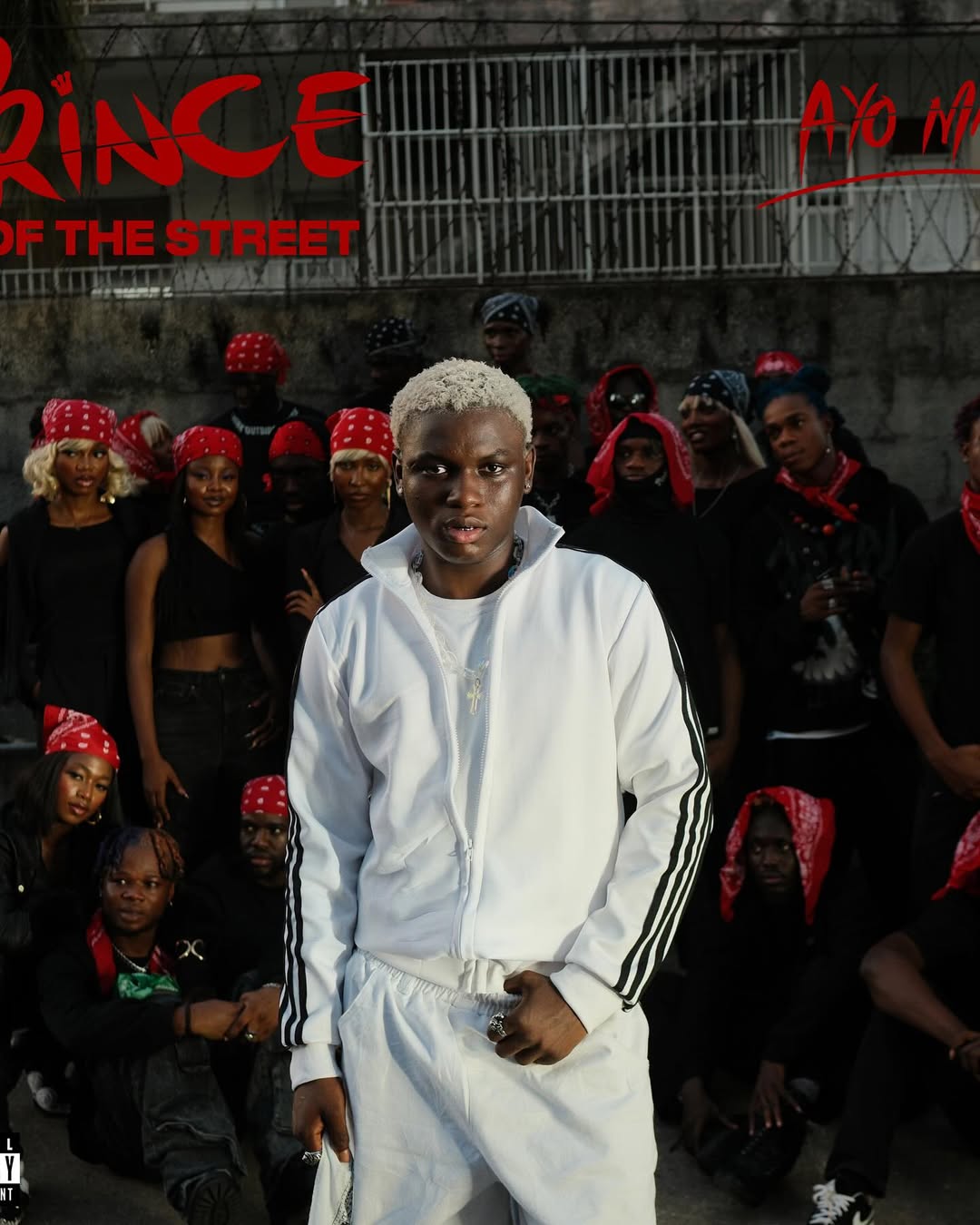
  • “The Prince of the Street” Review: Ayo Maff’s Strongly Themed Debut Still Needs More Range to Soar
    The Prince of the Street is a ground-setting debut positioning Ayo Maff as a leading voice of Street-Pop’s new wave. By Abioye Damilare Samson To truly appreciate the rise and evolution of Street-Pop within Nigerian mainstream music since the late 2010s, one must trace its sonic arc from the high-octane energy typified by Olamide’s “Wo” in 2017, to the slow-burning, hymnal emotion of Ayo Maff’s “Jama Jama”, one of the tracks off his two-pack release in 2023.  As a genre that was once defined b
     

“The Prince of the Street” Review: Ayo Maff’s Strongly Themed Debut Still Needs More Range to Soar

3 juillet 2025 à 05:11

The Prince of the Street is a ground-setting debut positioning Ayo Maff as a leading voice of Street-Pop’s new wave.

By Abioye Damilare Samson

To truly appreciate the rise and evolution of Street-Pop within Nigerian mainstream music since the late 2010s, one must trace its sonic arc from the high-octane energy typified by Olamide’s “Wo” in 2017, to the slow-burning, hymnal emotion of Ayo Maff’s “Jama Jama”, one of the tracks off his two-pack release in 2023. 

As a genre that was once defined by its frenetic pace and party-starting beats, Street-Pop is now birthing a new wave of artistes who wrap their pain, hustle, and hope into melodies laced with prayer and introspective messages that many now call “Afro-Adura”. At the center of this sound shift stands Ayo Maff, one of the new voices reshaping Street-Pop’s possibilities and confident enough to title his debut album, The Prince of the Street.

It’s a fitting setup for the dual symbolism behind the album’s title, Prince of the Street. On one hand, it signals Ayo Maff’s awareness of his role as a torchbearer for the current wave of Street-Pop. On the other hand, it shows reverence. By calling himself a prince, he implicitly acknowledges that there is still a king, a role he openly credits to Olamide, the genre’s undisputed trailblazer.

While Ayo Maff’s emotionally-charged, street-rooted style makes him nearly impossible to overlook in today’s Street-Pop conversation, it was his 2024 collaboration with Fireboy DML on “Dealer” that truly propelled him into wider public consciousness. That song, with its blend of vulnerability and emotional depth, became a defining moment that laid the foundation for the release of his first EP, Maffian, later that same year.

For the most part, Afro-Adura often carries the promise of better days, but its most potent expression lies in its honest portrayal of pain, lack, and longing. Ayo Maff taps into this well with near-devotional intensity. But it’s this very commitment to truth-telling that has drawn criticism. Some believe he leans too heavily into themes of suffering. A popular influencer, Social media content creator, Naijashimadun, once called him out for “singing about suffering too much”. Rather than shy away from the critique, Ayo Maff folds it into his art. 

Prince of the Street

On “Beginning”, Prince of the Street’s intro track, he samples that very voice to open the song, before launching into a heartfelt account of his journey: “Why must I say bye bye?/ Ṣo mọ pe o le fun mi?/ If say money dey I for no cry”, he hauntingly sings, holding nothing back as he reflects on a past he refuses to forget. He teams up with Chike on the log drum-inflected “Realness” to reflect on fake friendships and the price of staying true. Chike’s stirring contribution, anchoring the hook and delivering a smooth second verse, elevates the track melodically and adds a layer of soulful clarity to Ayo Maff’s raw expression. 

Ayo Maff leans into that same emotional territory on “Felony”, a soulful heartbreak ballad where he sings about being dumped for a richer man. It’s a candid reflection of modern relationships, where money often takes precedence over love. Yet, for all its emotional weight, the track lacks the spark needed to resonate truly. 

That changes with “Igbalode”, a Magicsticks-produced track that injects bounce into The Prince of the Street. The log drums and tightly engineered kicks breathe new life into the project, while Ayo Maff’s confident hook, “Igbalode la wan fi igbo meditate/ Oh amazing, Talo mo pe omo owo ma joba”, lands with the kind of presence that commands attention. 

As the new generation of Afrobeats artistes continues to honour their musical forebears through tribute songs—Ayra Starr with “Jazzy’s Song,” Fireboy DML with “Wande’s Bop,” and BahdBoi OML with “Wasiu Ayinde—Ayo Maff joins the lineage with “Baddo’s Song”. The track, a thrilling three-step Afro-House number featuring Jazzworx and Thukuthela, is a heartfelt homage to Olamide, the artiste he reveres, and rightfully so, as the king of Street-Pop. 

Beyond the title and energy, Ayo Maff deepens the tribute by sampling Olamide’s early hit “Yemi My Lover”, fusing nostalgia with new-age bounce in a way that bridges eras. 

Ayo Maff taps BNXN for “Oshimiri”, a Galala-inflected track that draws deeply from personal experience. When he sings, “For like six months, I no see money, I call mummy / She say make I no worry”, the vulnerability in his voice is palpable. BNXN rises to the moment on the second verse and delivers his signature soft nasal vocals with emotion. He even interpolates Original Stereoman’s iconic line, “E dey pain me Gaga o”, from the 2006 conscious classic “E Dey Pain Me Gaga”, which adds a touch of nostalgia and continuity to the song’s message of struggle. 

On the pre-released track “Panic”, he lays bare his inner turmoil and sings about the anxiety that shadows his rising fame: “I just start, make them no rush me/ I might be famous but I am somebody too/Yes, I am nothing/ I am working”. Over a production peppered with log drums and tight kicks, he chronicles the struggles he faced on his path to the spotlight. 

Ayo Maff
Ayo Maff

On the feel-good, pre-released track “Hello”, Ayo Maff draws from a mix of cultural references by interpolating Wasiu Ayinde’s line “Orin dowo, orin dola, lo jeun wa dupe” from his 2006 Fuji classic “Orin D’owo”, as well as Shakira’s infectious “Waka waka waka waka / Zamina mina ye ye” from her 2010 FIFA World Cup anthem “Waka Waka (This Time for Africa)”. 

These nods add a playful, familiar energy to the song. Still, despite its upbeat production and nostalgic charm, the song still lacks the kind of gripping verse or lyrical centerpiece that might have elevated it into a true standout. 

That same sense of underwhelming delivery carries into “9 Days” and “Lazy Baby”. Despite their log-drum-powered foundations, both tracks feel sonically flat, offering little in terms of vocal or lyrical spark to justify replay value. 

But the mood shifts dramatically with “Gang”, where Ayo Maff teams up with one of Street-Pop and Afro-Adura’s most commanding voices, Seyi Vibez. Their chemistry is undeniable, as both artistes bring heavy, swagger-filled verses that jolt The Prince of the Street back to life. Mara, a gritty offshoot of Street-Pop, continues to influence mainstream Afro-Pop in noticeable ways. Rema leans into it on “Ozeba”, Seyi Vibez wields it fully on “Shaolin”, and Ayo Maff channels it on “Crazy Kid”. 

He closes The Prince of the Street with the reflective track, “Remind Me”. “Somebody save me from myself/ But if I tell you say I love you no be lie/ If somebody tell you say na lie”, he sings. It’s a fitting end that humanises the voice behind all the struggle, hunger, and ambition that run through the album.

Still, as compelling as the album’s narrative is, The Prince of the Street is not without its flaws. One recurring issue is Ayo Maff’s delivery. Across the project, his vocals often stay locked in the same emotional register even when the songs beg for more range and more texture. That monotony makes certain tracks blur into each other which reveals an artiste still leaning heavily on formula rather than invention.

Prince of the Street
Prince of the Street tracklist

It’s telling, then, that his 2024 EP Maffian feels more sonically adventurous than this debut album. While The Prince of the Street carries more weight in theme and ambition, Maffian offered sharper production choices and a more cohesive listening experience. 

And yet, for a debut, there’s more promise than missteps. Ayo Maff may not have reinvented Street-Pop sound here, but he’s made a case for why his voice matters in it. The Prince of the Street is a ground-setting debut positioning him as a leading voice of Street-Pop’s new wave, and if he’s willing to expand his range and take more sonic risks, then this might just be the beginning of a reign worth watching.

Lyricism – 1.5

Tracklisting – 1.0

Sound Engineering – 1.2

Vocalisation – 1.5

Listening Experience – 1.4

Rating – 6.6/10

Abioye Damilare Samson is a music journalist and culture writer focused on the African entertainment Industry. Reading new publications and listening to music are two of his favourite pastimes when he is not writing. Connect with him on Twitter and IG: @Dreyschronicle

The post “The Prince of the Street” Review: Ayo Maff’s Strongly Themed Debut Still Needs More Range to Soar first appeared on Afrocritik.

  • ✇Afrocritik
  • 10 Celebrities Who Slayed the 2025 AMVCA Cultural Day
    Every individual at the AMVCA Cultural Day stunned in their traditional attire, turning the event into a visual feast and a captivating journey through the rich and diverse cultures of Nigerian traditions.  Abioye Damilare Samson Few days after our African music stars and designers made an indelible statement at the 2025 MET Gala with bold, unapologetic African style gracing the red carpet, Nollywood’s brightest stars and content creators took to the spotlight with their own regal and traditio
     

10 Celebrities Who Slayed the 2025 AMVCA Cultural Day

12 mai 2025 à 07:36

Every individual at the AMVCA Cultural Day stunned in their traditional attire, turning the event into a visual feast and a captivating journey through the rich and diverse cultures of Nigerian traditions. 

Abioye Damilare Samson

Few days after our African music stars and designers made an indelible statement at the 2025 MET Gala with bold, unapologetic African style gracing the red carpet, Nollywood’s brightest stars and content creators took to the spotlight with their own regal and traditional elegance on May 9th, during the AMVCA Cultural Day celebrations. 

The event, held ahead of the grand finale awards ceremony, was an unforgettable display of cultural elegance, with each attendee embodying the essence of African heritage through thoughtfully curated traditional attire.

AMVCA Cultural Day
AMVCA

It’s a rare sight to witness a night like this where nearly no one falls short of bringing their A-game in cultural fashion. Every individual stunned in their traditional attire, turning the event into a visual feast and a captivating journey through the rich and diverse cultures of Nigerian traditions. 

Among the night’s most captivating figures, Prince Nelson, the actor, model, and former Mr Nigeria 2018, and Liquorose, dancer and actress, emerged as Best Dressed Male and Female, respectively, with their outfits embodying grace, royalty, and cultural pride.

Here, we spotlight some of the celebrities who truly slayed the 2025 AMVCA Cultural Day with their timeless, royal, and traditional outfits that honour the cultural heritage that binds us all.

Liquorose

Nigerian dancer, actress, and Big Brother Naija Season 6 first runner-up, Roseline Afije, widely known as Liquorose, is no stranger to commanding attention with her style. Renowned for her elegant fashion choices and fearless flair, she once again proved her fashion finesse at the AMVCA Cultural Day. 

AMVCA Cultural Day
Liquorose

Crowned Best Dressed Female of the night, Liquorose dazzled in a richly adorned, peacock-inspired gown that fused opulence with cultural pride. Styled by Prudential Styling, her look was elevated by layers of coral beads and a striking burnt orange headpiece, capturing the essence of royalty, confidence, and creativity.

Uzoamaka Aniunoh

Nigerian actress, Uzoamaka Aniunoh, also known as Uzoamaka Power, has been causing quite the stir on social media, particularly on X (formerly Twitter), and rightfully so. For the AMVCA Cultural Day, she turned heads with a striking homage to tradition. Dressed in an elegant August Meeting-inspired ensemble, Uzoamaka paired a vintage Kirikiri star Igbo wrapper with a crisp white blouse, creating a perfect balance of modern refinement and cultural richness. 

AMVCA Cultural Day
Uzoamaka Aniunoh

Her red headscarf and matching handbag added a bold pop of colour, paying tribute to the iconic women of the ‘August Meeting’ and, more broadly, to the resilience and beauty of Eastern Nigerian women. 

Yemi Cregx

Nigerian fashion influencer and actor, Yemi Cregx, made an unforgettable entrance at the AMVCA Cultural Day, delivering one of the most awe-inspiring looks of the night. Dressed in full Yoruba Agbada regalia, he exuded an air of royalty so powerful that one might have mistaken him for the king of a Yoruba kingdom. 

AMVCA Cultural Day
Yemi Cregx

His outfit was a regal masterpiece, complete with a conical bead crown, a beaded staff, and a finely crafted fly whisk. Every detail of Yemi’s look paid tribute to the majestic elegance of Yoruba tradition, making him a true embodiment of cultural heritage.

Prince Nelson Enwerem 

Nigerian model, actor, and former Mr. Nigeria, Prince Nelson Enwerem, truly earned his title as Best Dressed Male of the AMVCA Cultural Day, and it was well-deserved. Styled by BlackAdudu, he exuded nothing short of regality in his meticulously embroidered attire, which paid a profound tribute to Benin culture. 

Prince Nelson Enwerem

His look featured a beaded red cap adorned with feathers, alongside a ceremonial robe rich in intricate beadwork, each element holding deep cultural significance. 

Lateef Adedimeji

One of Nollywood’s brightest stars, Lateef Adedimeji, stood tall at this year’s AMVCA with an impressive ten nominations that serves as a proof to his talent and impact in film. But beyond the awards buzz, his appearance at the Cultural Day was one of the evening’s most memorable moments. Paying homage to the Hausa culture, Lateef stepped out in a look fit for royalty. 

Lateef Adedimeji
Lateef Adedimeji

He wore a majestic blue babariga embroidered with gold detailing, layered with a flowing blue Rawani turban, and carried a staff of office that sealed the look with black shades that added a touch of contemporary cool. 

Faith Morey

Nigerian-American model, entrepreneur, and reality TV star, Faith Morey, brought regal elegance to the AMVCA Cultural Day with a look that effortlessly blended tradition and high fashion. Dressed in a striking red and blue feathered gown, adorned with traditional neck beads and a bold blue head tie, she embodied a seamless blend of modern glamour and cultural richness.  

Faith Morey
Faith Morey

Designed by Amy Aghomi, the creative force behind looks for celebrities like Davido, the ensemble captured Faith’s commanding presence while honoring cultural aesthetics with flair and finesse.

VJ Adams

Nigerian television presenter and entrepreneur, Adams Ibrahim Adebola, popularly known as VJ Adams, made a bold cultural statement as the red carpet host of the AMVCA Cultural Day. Draped in a regal wine-colored Agbada embroidered with elegant black patterns, he exuded the poise of a modern-day chief. 

VJ Adams
VJ Adams

His ensemble was perfectly complemented by a matching wine-and-black cap, sleek black shades, gold-chained loafers, and a traditional priest’s staff that added a layer of ancestral reverence. 

Stan Nze

The Isiagu, also known as the Chieftaincy attire, is a symbol of prestige and pride among the Igbo people, and Nollywood actor, Stan Nze, wore it with commanding grace at the AMVCA Cultural Day. He stepped out in a deep blue wool base layered with a classic red Isiagu cloth, accessorised with a striking red fez cap adorned with feathers and traditional long beads cascading around his neck. 

Stan Nze
Stan Nze

Speaking to Afrocritik on the red carpet, he shared, “I’m a very cultural person. Everybody that knows me knows that I am a representation of the Igbo culture, and then the culture generally”.  

Olivia Chioma Okoro

Actress and former Big Brother Titans housemate, Olivia Okoro, lit up the AMVCA Cultural Day with a look that was as radiant as it was rooted in heritage. Dressed in a traditional red, fully beaded gown adorned with cowries and a matching red head tie, she paid homage to her cultural roots with striking elegance.

Olivia Chioma Okoro
Olivia Chioma Okoro

Born in Kano, Olivia used the moment to celebrate her heritage by captioning her AMVCA Cultural Day post: “Embracing the beauty of my roots”. 

Saga

Nigerian actor, reality TV star, and fashion enthusiast, Adeoluwa Okusaga, fondly known as Saga, once again proved his flair for standout style at the AMVCA Cultural Day. Dressed in a rich chocolate wool Agbada, Saga exuded effortless confidence and class. 

Saga
Saga

His look was elevated with a traditional staff, which added a touch of authority and elegance to his already commanding presence. 

Abioye Damilare is a music journalist and culture writer focused on the African entertainment Industry. Reading new publications and listening to music are two of his favourite pastimes when he is not writing. Connect with him on Twitter and IG: @Dreyschronicle

The post 10 Celebrities Who Slayed the 2025 AMVCA Cultural Day first appeared on Afrocritik.

❌