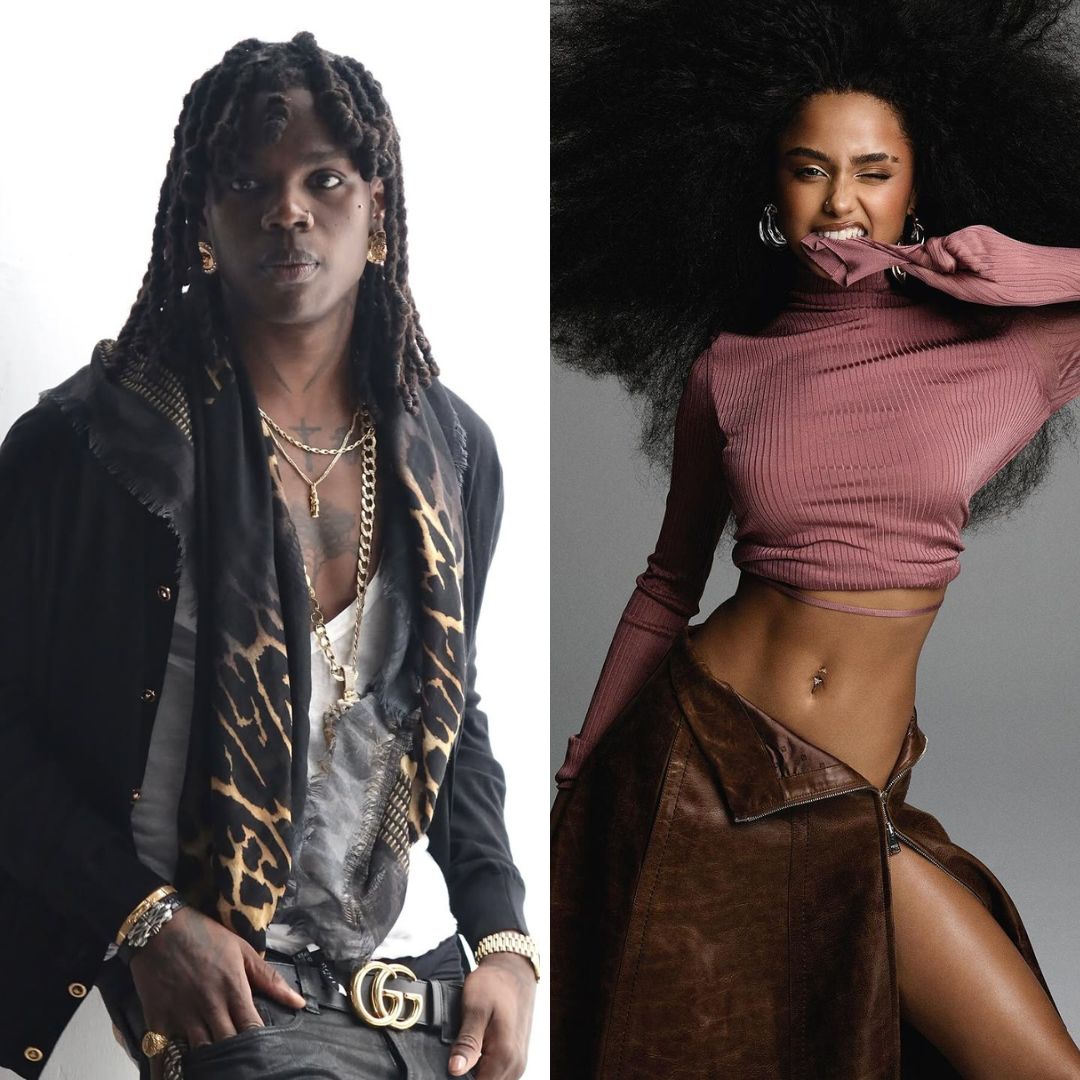
Nigerian star Rema and South Africa’s Tyla are set to perform at the 2026 FIFA World Cup opening ceremony at the Los Angeles Stadium on 12 June 2026.
Don’t you just love it when the worlds of music and football come together? There is something truly special about the way a massive stadium anthem can unite fans from every corner of the globe, and for the 2026 FIFA World Cup, Africa is taking centre stage. FIFA has officially confirmed that Rema and Tyla are s
Nigerian star Rema and South Africa’s Tyla are set to perform at the 2026 FIFA World Cup opening ceremony at the Los Angeles Stadium on 12 June 2026.
Don’t you just love it when the worlds of music and football come together? There is something truly special about the way a massive stadium anthem can unite fans from every corner of the globe, and for the 2026 FIFA World Cup, Africa is taking centre stage. FIFA has officially confirmed that Rema and Tyla are set to headline the opening ceremony in the United States, ensuring that the sounds of Afrobeats and Amapiano lead the world’s biggest sporting conversation.
The ceremony is scheduled for 12 June 2026 at the Los Angeles Stadium. Designed to celebrate the cultural diversity of the host nation, the event will see Rema and Tyla joining a star-studded lineup that includes Katy Perry, Future, Anitta, and LISA. This Los Angeles showcase is one of three major opening celebrations across North America, with additional events planned for Mexico City and Toronto.
The African excellence doesn’t stop at the opening ceremony, either. Burna Boy is making history as a featured artist on the official 2026 FIFA World Cup theme song. Titled “Dai Dai“, the track sees him collaborating with the legendary Shakira, who returns to the World Cup fold following her iconic 2010 anthem. The collaboration is expected to be a massive global hit, blending Burna’s distinct sound with Shakira’s world-renowned pop style. The full track is expected to drop on 14 May 2026.
So, while you are getting ready to cheer your teams on and support your favourite players, don’t forget to get your groove on with the music. We have no doubt that Rema and Tyla will perform awesomely, providing the perfect vibes for the world’s biggest football party.
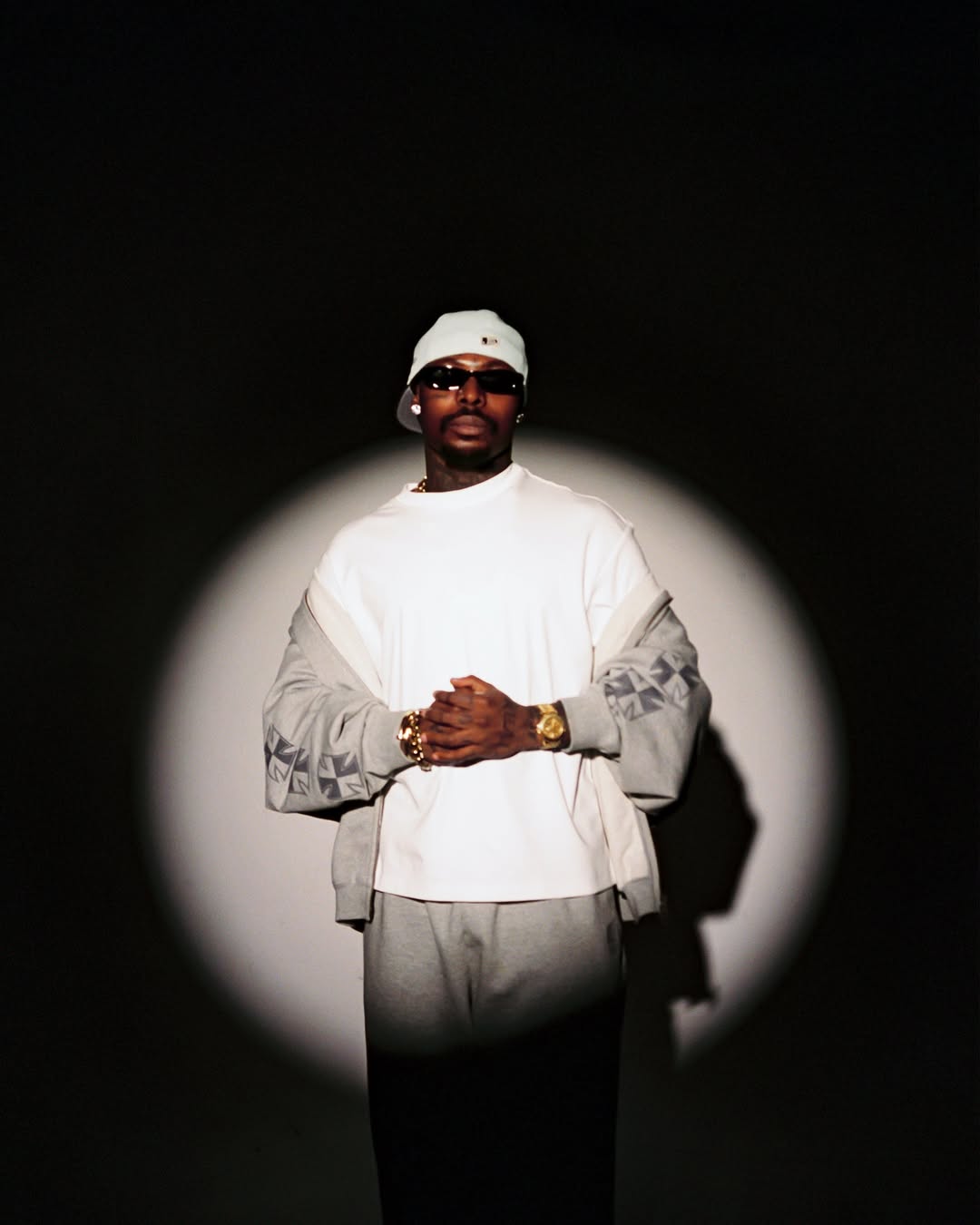
Asake posing in a spotlight wearing a white t-shirt and grey tracksuit for his MONEY album campaign. Photo Credit: Spotify/InstagramÂ
Has “M$NEY†been on repeat since yesterday? Because if it has, you are not alone, and we would not have it any other way.
Asake told us the album was coming on 1st May 2026, and the man kept his word to the letter.
This is Asake’s fourth studio album, and it arrives at a remarkable point in his car
Asake posing in a spotlight wearing a white t-shirt and grey tracksuit for his MONEY album campaign. Photo Credit: Spotify/InstagramÂ
Has “M$NEY†been on repeat since yesterday? Because if it has, you are not alone, and we would not have it any other way.
Asake told us the album was coming on 1st May 2026, and the man kept his word to the letter.
This is Asake’s fourth studio album, and it arrives at a remarkable point in his career. For context, his debut album “Mr Money With The Vibe†made Apple Music history in 2022 as the biggest opening day for an African album on the platform — and according to Apple Music, “M$NEY†finds him cashing in on the international acclaim he has built in the years since, resulting in his most global-facing body of work yet.
According to Apple Music, the core elements that have defined Asake’s sound — high-octane beats, fuji influences, and hooks that stay with you — remain firmly intact across the album. Tracks such as “Gratitude†and “Forgiveness†marry propulsive indigenous grooves and choral refrains with soulful, soul-searching melodies, while amapiano titan KabzaDeSmall features on “Asambe,†a momentum-building anthem that arrives and does not let go. Apple Music also highlights the album’s cross-genre moments — the R&B register of “Oba,†the festival-ready production DJ Snake brings to “WORSHIP†— noting that Asake’s own sonic identity remains the dominant expression throughout, absorbing more instantly recognisable sounds and making them his own.
A signed Polaroid of Asake wearing sunglasses and a white beanie, captured by KJohn LaSoul for Spotify. Photo Credit: Spotify/InstagramÂ
One of those moments is “BADMAN GANGSTA,†a collaboration with Tiakola that samples Amerie’s 2005 hit “1 Thing,â€Â a bold move that, according to Apple Music, succeeds in subsuming a well-known beat and making it entirely Asake’s.
Apple Music sums it up well: “It’s the same carefully managed balance of authenticity and expansion Asake has bet on for his entire career. With M$NEY, he hits the jackpot once again.â€
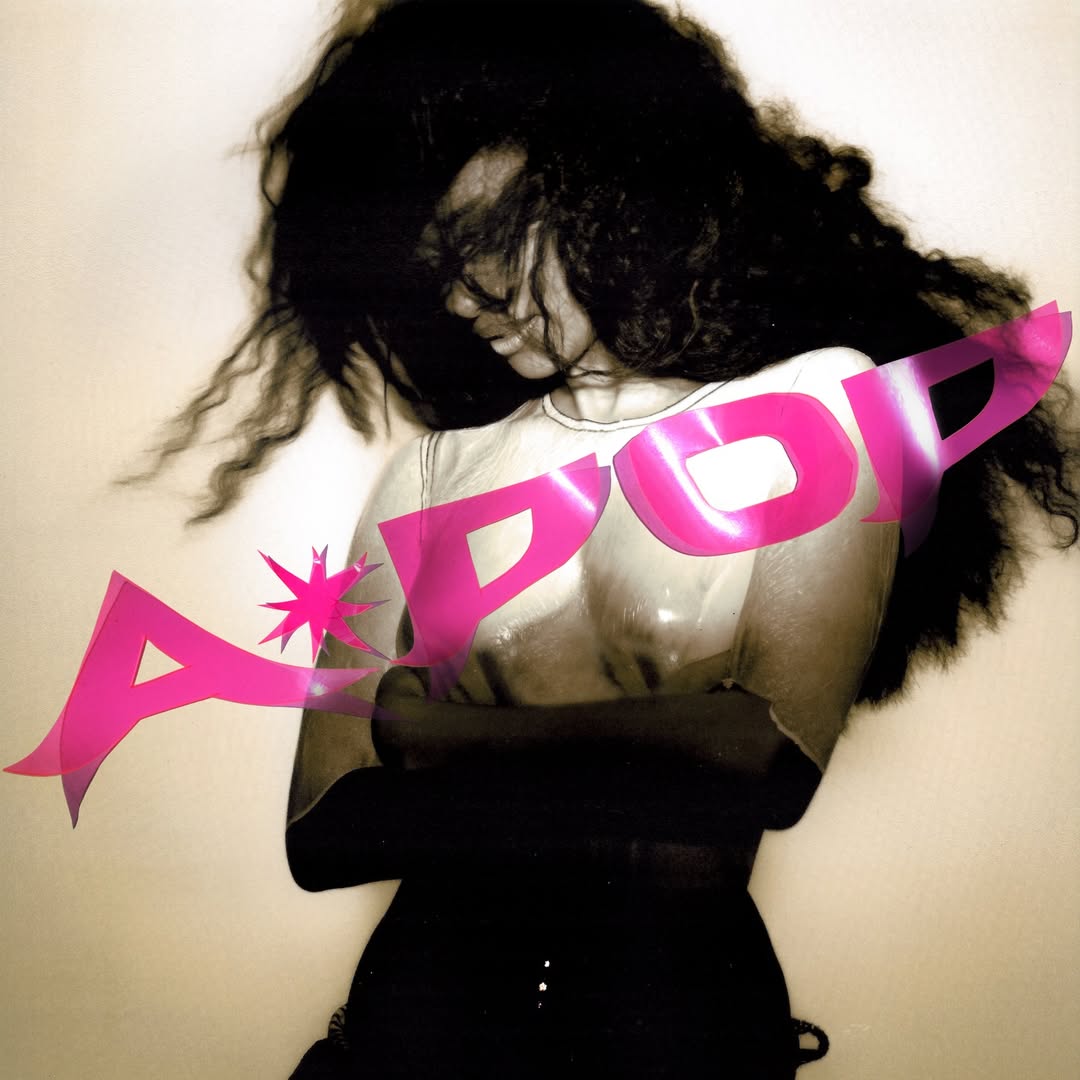
A grainy, high-contrast black-and-white portrait of Tyla with voluminous hair covering her face, overlaid with a bold pink “A*POP†graphic. Photo Credit: Tyla/Instagram
Tyla is officially ready to usher us into a new era. After months of subtle teasers, the South African singer has confirmed that her sophomore album, A*POP, will be released on 24 July 2026. The announcement arrived via a cinematic trailer that sets a clear tone for what is to come: a project
A grainy, high-contrast black-and-white portrait of Tyla with voluminous hair covering her face, overlaid with a bold pink “A*POP†graphic. Photo Credit: Tyla/Instagram
Tyla is officially ready to usher us into a new era. After months of subtle teasers, the South African singer has confirmed that her sophomore album, A*POP, will be released on 24 July 2026. The announcement arrived via a cinematic trailer that sets a clear tone for what is to come: a project that is unapologetically African, confident, and global.
The trailer serves as a visual manifesto for the A-Pop era. Tyla narrates the transition into this new phase of her career,describing the project as an evolution where she is “settled in†and has a clearer sense of her direction. In an interview with Rolling Stone, she explained that while her debut felt like a “rush,†she now knows exactly what she wants to say. This shift in perspective is evident in the album’s 19-track scope, which Tyla told i-D Magazine “really reflects†where she is in her life now, moving from the initial pressure of a massive debut to a sound that materialised naturally.
It is a significant moment for the singer, who has spent the last two years collecting accolades at a record-breaking pace. Her 2024 self-titled debut, “TYLA,†was the launchpad for “Water,†the viral hit that earned her the first-ever Grammy Award for Best African Music Performance. She proved that success was no fluke by winning the same category again in February 2026 for “Push 2 Start,†making her the first artist to win the award twice and the youngest African artist with two Grammys to her name.
While the full tracklist for A*POP remains under wraps, the album already has a solid foundation. It features “Chanel,†which first appeared on her 2025 mixtape “WWP,†and her recent collaboration with Zara Larsson, “She Did It Again,†which leans into a 2000s-inspired pop aesthetic. There are also reports of a collaboration with Wizkid titled “Dynamite†being part of this cycle, further expanding the cross-continental reach she is aiming for.
Tyla is scheduled to perform at the TODAY Show’s Citi Concert Series in New York City on the day of the release, marking a high-profile start to the album’s life cycle.
Nigerian star Rema and South Africa’s Tyla are set to perform at the 2026 FIFA World Cup opening ceremony at the Los Angeles Stadium on 12 June 2026.
Don’t you just love it when the worlds of music and football come together? There is something truly special about the way a massive stadium anthem can unite fans from every corner of the globe, and for the 2026 FIFA World Cup, Africa is taking centre stage. FIFA has officially confirmed that Rema and Tyla are s
Nigerian star Rema and South Africa’s Tyla are set to perform at the 2026 FIFA World Cup opening ceremony at the Los Angeles Stadium on 12 June 2026.
Don’t you just love it when the worlds of music and football come together? There is something truly special about the way a massive stadium anthem can unite fans from every corner of the globe, and for the 2026 FIFA World Cup, Africa is taking centre stage. FIFA has officially confirmed that Rema and Tyla are set to headline the opening ceremony in the United States, ensuring that the sounds of Afrobeats and Amapiano lead the world’s biggest sporting conversation.
The ceremony is scheduled for 12 June 2026 at the Los Angeles Stadium. Designed to celebrate the cultural diversity of the host nation, the event will see Rema and Tyla joining a star-studded lineup that includes Katy Perry, Future, Anitta, and LISA. This Los Angeles showcase is one of three major opening celebrations across North America, with additional events planned for Mexico City and Toronto.
The African excellence doesn’t stop at the opening ceremony, either. Burna Boy is making history as a featured artist on the official 2026 FIFA World Cup theme song. Titled “Dai Dai“, the track sees him collaborating with the legendary Shakira, who returns to the World Cup fold following her iconic 2010 anthem. The collaboration is expected to be a massive global hit, blending Burna’s distinct sound with Shakira’s world-renowned pop style. The full track is expected to drop on 14 May 2026.
So, while you are getting ready to cheer your teams on and support your favourite players, don’t forget to get your groove on with the music. We have no doubt that Rema and Tyla will perform awesomely, providing the perfect vibes for the world’s biggest football party.
Asake posing in a spotlight wearing a white t-shirt and grey tracksuit for his MONEY album campaign. Photo Credit: Spotify/InstagramÂ
Has “M$NEY†been on repeat since yesterday? Because if it has, you are not alone, and we would not have it any other way.
Asake told us the album was coming on 1st May 2026, and the man kept his word to the letter.
This is Asake’s fourth studio album, and it arrives at a remarkable point in his car
Asake posing in a spotlight wearing a white t-shirt and grey tracksuit for his MONEY album campaign. Photo Credit: Spotify/InstagramÂ
Has “M$NEY†been on repeat since yesterday? Because if it has, you are not alone, and we would not have it any other way.
Asake told us the album was coming on 1st May 2026, and the man kept his word to the letter.
This is Asake’s fourth studio album, and it arrives at a remarkable point in his career. For context, his debut album “Mr Money With The Vibe†made Apple Music history in 2022 as the biggest opening day for an African album on the platform — and according to Apple Music, “M$NEY†finds him cashing in on the international acclaim he has built in the years since, resulting in his most global-facing body of work yet.
According to Apple Music, the core elements that have defined Asake’s sound — high-octane beats, fuji influences, and hooks that stay with you — remain firmly intact across the album. Tracks such as “Gratitude†and “Forgiveness†marry propulsive indigenous grooves and choral refrains with soulful, soul-searching melodies, while amapiano titan KabzaDeSmall features on “Asambe,†a momentum-building anthem that arrives and does not let go. Apple Music also highlights the album’s cross-genre moments — the R&B register of “Oba,†the festival-ready production DJ Snake brings to “WORSHIP†— noting that Asake’s own sonic identity remains the dominant expression throughout, absorbing more instantly recognisable sounds and making them his own.
A signed Polaroid of Asake wearing sunglasses and a white beanie, captured by KJohn LaSoul for Spotify. Photo Credit: Spotify/InstagramÂ
One of those moments is “BADMAN GANGSTA,†a collaboration with Tiakola that samples Amerie’s 2005 hit “1 Thing,â€Â a bold move that, according to Apple Music, succeeds in subsuming a well-known beat and making it entirely Asake’s.
Apple Music sums it up well: “It’s the same carefully managed balance of authenticity and expansion Asake has bet on for his entire career. With M$NEY, he hits the jackpot once again.â€
A grainy, high-contrast black-and-white portrait of Tyla with voluminous hair covering her face, overlaid with a bold pink “A*POP†graphic. Photo Credit: Tyla/Instagram
Tyla is officially ready to usher us into a new era. After months of subtle teasers, the South African singer has confirmed that her sophomore album, A*POP, will be released on 24 July 2026. The announcement arrived via a cinematic trailer that sets a clear tone for what is to come: a project
A grainy, high-contrast black-and-white portrait of Tyla with voluminous hair covering her face, overlaid with a bold pink “A*POP†graphic. Photo Credit: Tyla/Instagram
Tyla is officially ready to usher us into a new era. After months of subtle teasers, the South African singer has confirmed that her sophomore album, A*POP, will be released on 24 July 2026. The announcement arrived via a cinematic trailer that sets a clear tone for what is to come: a project that is unapologetically African, confident, and global.
The trailer serves as a visual manifesto for the A-Pop era. Tyla narrates the transition into this new phase of her career,describing the project as an evolution where she is “settled in†and has a clearer sense of her direction. In an interview with Rolling Stone, she explained that while her debut felt like a “rush,†she now knows exactly what she wants to say. This shift in perspective is evident in the album’s 19-track scope, which Tyla told i-D Magazine “really reflects†where she is in her life now, moving from the initial pressure of a massive debut to a sound that materialised naturally.
It is a significant moment for the singer, who has spent the last two years collecting accolades at a record-breaking pace. Her 2024 self-titled debut, “TYLA,†was the launchpad for “Water,†the viral hit that earned her the first-ever Grammy Award for Best African Music Performance. She proved that success was no fluke by winning the same category again in February 2026 for “Push 2 Start,†making her the first artist to win the award twice and the youngest African artist with two Grammys to her name.
While the full tracklist for A*POP remains under wraps, the album already has a solid foundation. It features “Chanel,†which first appeared on her 2025 mixtape “WWP,†and her recent collaboration with Zara Larsson, “She Did It Again,†which leans into a 2000s-inspired pop aesthetic. There are also reports of a collaboration with Wizkid titled “Dynamite†being part of this cycle, further expanding the cross-continental reach she is aiming for.
Tyla is scheduled to perform at the TODAY Show’s Citi Concert Series in New York City on the day of the release, marking a high-profile start to the album’s life cycle.
DJ Jaivane, BitterSoul, Wesley Keys & Tots SA – Cel’ Uk’buza ft. Ciniso
DJ Jaivane, BitterSoul, Wesley Keys & Tots SA — Cel’ Uk’buza (ft. Ciniso): A Soulful, Immersive Amapiano Experience
DJ Jaivane, BitterSoul, Wesley Keys, and Tots SA join forces on Cel’ Uk’buza, featuring Ciniso—a deeply atmospheric Amapiano record that lean
DJ Jaivane, BitterSoul, Wesley Keys & Tots SA – Cel’ Uk’buza ft. Ciniso
DJ Jaivane, BitterSoul, Wesley Keys & Tots SA — Cel’ Uk’buza (ft. Ciniso): A Soulful, Immersive Amapiano Experience
DJ Jaivane, BitterSoul, Wesley Keys, and Tots SA join forces on Cel’ Uk’buza, featuring Ciniso—a deeply atmospheric Amapiano record that leans into emotion, groove, and refined musicality.
From the very first note, the track sets a reflective and immersive tone. It’s not driven by urgency or high-tempo energy, but by mood and intention—creating a listening experience that feels calm, soulful, and emotionally engaging.
The production is rich and carefully layered, built on warm chords, subtle percussion, deep bass movement, and the signature rolling rhythm of Amapiano. DJ Jaivane’s influence is clear in the structured, patient progression of the track, allowing each element to unfold naturally. BitterSoul, Wesley Keys, and Tots SA add depth through melodic textures and refined details, resulting in a sound that feels both luxurious and timeless.
Ciniso’s vocal performance brings the song to life, adding warmth, sincerity, and emotional depth. The delivery is expressive without being overpowering, blending seamlessly into the instrumental and enhancing the overall atmosphere. It’s this balance between voice and production that gives Cel’ Uk’buza its lasting impact.
Rather than chasing immediate highs, the track focuses on building a feeling—and it succeeds. Smooth, intentional, and deeply musical, Cel’ Uk’buza is a standout example of Amapiano’s more soulful side.
You can listen to DJ Jaivane, BitterSoul, Wesley Keys & Tots SA – Cel’ Uk’buza ft. Ciniso here.
Anyone familiar with Lagos knows it’s famously split in two. The Island, home to upscale neighborhoods and trendy spots, is seen as the city’s most desirable area. The Mainland, where most Lagosians live, is rich in culture but often dismissed for its lack of polish. When the Mainland Block Party launched in 2018, its founders set out to shift that perception by throwing the coolest party you’ve ever attended.“We just wante
Anyone familiar with Lagos knows it’s famously split in two. The Island, home to upscale neighborhoods and trendy spots, is seen as the city’s most desirable area. The Mainland, where most Lagosians live, is rich in culture but often dismissed for its lack of polish. When the Mainland Block Party launched in 2018, its founders set out to shift that perception by throwing the coolest party you’ve ever attended.
“We just wanted to make sure that people understood that living on the Mainland doesn’t mean that you’re ratchet or doesn’t mean that it can’t be safe,†says Rebecca Momah, the Deputy Team Lead of the organization. “People can also have fun on the Mainland. The Block Party was built on community, and we made sure everybody felt welcomeâ€.
Ever since the initial Block Party in Ikeja, Lagos’ capital, its relevance has stretched beyond mainland Lagos to other parts of Africa and even the world. It’s organized a nationwide tour with ODUMODUBLVCK, been headlined by Davido, and now, it’s hosting a show in New York City. This show is in collaboration with OkayAfrica as part of the platform’s 15th anniversary celebrations. Although scene-defining, the wins of the Mainland Block Party reveal essential lessons on how to build and retain community.
“Every new Block Party is a new reason to show people why we’re the ones,†says Tobi Mohammed, co-founder of Mainland Block Party. “At some point, it started to feel like we’re loved, and I felt that shift, of course, being able to sell tickets into thousands or multiples of hundreds, in cities that we didn’t start from. It’s a blessing itself. People have spent more and didn’t have those results. I would say that we kinda have this mindset of ‘fight for it, and just be grateful about it when you win.’ So every endeavor feels new.â€
Constant reinvention has been a defining mark of Block Party. “To earn a new city or be grounded in that city,†says Mohammed, in description of what they’re always looking to achieve. With Mainland Block Party sharing the same founders as the music agency Plug NG — Asa Asika and Bizzle Osikoya — there’s strong incentive to burrow into deeper levels of youth culture, with Mohammed once revealing that entertainment chose him, and before working in the scene, he used to watch these men he now calls partners on-screen, with utmost respect for what they’re doing to uplift what he described as “coolness currency.â€
“They’re new things every time,†says Momah about the lessons they’ve gotten from organizing the events. “It’s not the same every time; every event is dynamic in its own way. The biggest lesson there for me is, you’re a master at this, but there’s also room for you to learn. You can’t say you know it all [about] doing events; you have to give yourself room to grow, you have to give yourself room to listen, you have to give yourself room to take feedback.â€
“Digital is the new coal,†infers Mohammed, “so you have to reinvent yourself and ask yourself how you can always catch up on that wave.†Reiterating the need to keep an open perspective, their words show how Mainland Block Party has been able to keep afloat in an ever-shifting industry, becoming a sort of precursor to Lagos’ rave scene that has since become a strong feature of the city’s nightlife and an influencer of homegrown Afrobeats.
For Mainland Block Party, it’s been a steady journey towards global domination, and the New York event is the next phase of their phenomenal run. Before now, they’ve had two intercontinental events, one in London and the other in the U.S., headlined by Afro rap artist Zlatan. But that was a pop-up, not really an all-out show, and with the New York show, they’re bringing the flamboyant ODUMODUBLVCK to imprint the Afrobeats experience on that stage.
“Expensive o,†jokes Mohammed when asked about how they have gone about organizing the New York Block Party event. “Just look at it as a newborn baby trying to find their feet in this world,†says Momah. “That’s just how to crown the entire process. So we’re in a new place, new city, new people; people behave differently there, inasmuch as they’re Nigerians there, obviously, we’re not only trying to cater to the Nigerian audience. We’re trying to conquer globally; it’s not been easy, but we thank God. We thank God that we have good heads on our shoulders. And we’re open to partnerships—I feel like the key thing that has helped so far in this journey are collaborations.â€
Apart from collaborations with platforms like OkayAfrica, Mohammed says team members on the ground form part of the community it takes “to raise a great child,†like Block Party.
With another U.S. event planned with DJ Maphorisa and a new segment of their Lagos party titled Respect the DJ, it’s very much clear that the Block Party intends to take over the world. Surely they have the required tools—it’s only a matter of time.
Samthing Soweto had just stepped out of his Uber when we connected online to talk about his new album, Touch Is A Move (Good Morning). It follows his 2020 EP, Danko!, and marks his first full-length release since Isphithiphithi redefined the game for him in 2019. Spanning seventeen tracks, the album is pure bliss, dotted with skits that feel like overheard conversations, and music that moves fluidly between the ephemeral and the ethereal. It draws from a broad palette: hip-hop, Afropop, Amapiano
Samthing Soweto had just stepped out of his Uber when we connected online to talk about his new album, Touch Is A Move (Good Morning). It followshis 2020 EP, Danko!, and marks his first full-length releasesince Isphithiphithi redefined the game for him in 2019. Spanning seventeen tracks, the album is pure bliss, dotted with skits that feel like overheard conversations, and music that moves fluidly between the ephemeral and the ethereal. It draws from a broad palette: hip-hop, Afropop, Amapiano, Kwaito, and more.
"I think it's just luck and favour, and the audience deciding, okay, we're gonna keep you around. We like what you do, we're gonna keep you around," he says, responding to OkayAfrica's question about what it is that has sustained him for so long without releasing a full album. There were singles in between, however. "Amagents" arrived in 2022 as a cautionary tale to his daughter about the trappings of romantic love. "Ayafana amagents, ayafana amajimbozi," he sang, essentially letting her know that the game is rigged and that all men are the same – in how they set you up, in how they lie to you, in how they steal your heart.
"Songs are more valuable now than they were before. It used to be entire projects. If you have a really good song, you're good for at least six months," says the artist. "If you make music that people like, they'll remember you," he says.
There's a certain ease that comes with knowing, like knowing the sun will rise and set, as it has since time immemorial. Ease also comes in trusting that your favorite artist will deliver stunning work, no matter how long they take between projects. Samthing Soweto is one of those rare artists—a soothsayer of song, a titan, and a juggernaut who holds our hands through chaotic times. Since emerging with The Soil nearly two decades ago, he has left his mark on at least four distinct South African genres and done so as a singular, genre-defying force.
With The Soil, he helped popularise a cappella music for a new generation, infusing it with street-corner harmonies and township soul. He carried that melodic instinct into his early solo works – cult classics like This N That Without Tempo (2010) and Eb'suku (2014), which blended folk sensibilities with poetic introspection. As a member of the alt outfit The Fridge, he crafted sweet, searching love songs that defined the Johannesburg underground for a time. The Fridge was part of an ecosystem that included acts likeThe Brother Moves On, Impande Core, andBlk Jks – all of whom helped write the script for an alternative cool that still echoes through today's generation of bold, Black musicians.
Then came the turning point. Between late 2017 and early 2018, a collaboration withSun-El Musician changed the trajectory of both their careers. "Akanamali," which first appeared on SoundCloud, became a runaway summer anthem. What followed in 2019 was a string of hits – "Lotto," "AmaDM," and "Akulaleki" – all within the space of a few weeks. Isphithiphithi, which arrived in September of that year, cemented his place in the mainstream, proving him not just a genre chameleon but a pioneer. Samthing Soweto became one of Amapiano's most soulful and definitive voices. And that's not nearly it; he's done incredible work in hip-hop withStogie T, and also helped produce Makhafula Vilakazi's earlier poetry outings.
Isphithiphithi thrust him into popular consciousness, which was a welcome relief from all the years he'd spent toiling in the underground circuit.
"It's nice, because that was the point. I was always an artist," he admits. "Even before I made money, I was an artist. As an artist, I've always done art, and I do as much as I can. But when my daughter was born, I had to make money. Then I started being a commercial artist, someone who would make money from the art." He says the process has been "crazy humbling."
"It changed for the better in the sense that I was able to make ends meet. If it weren't for that, I would have stayed the artist that I was and played for whoever needed to hear me play. I was shy, and kept myself away from people's eyes," he says, and ends with a gratifying "I am happy."
The album recording process started in earnest in 2021, but it was a start-and-stop process that tested the limits of his artistic resolve. The arrival of "Amagents" signalled that an album was coming, but there were just too many false starts for that to materialise. Relationships were tested, but he still found himself back to the matter at hand: making another groundbreaking album that would shift the paradigm yet again, because that's just what he does. "I just kept on giving up. I probably gave up five times," he says.
He takes time, lets ideas percolate, re-visits, and edits until it feels right. Something he did before the album release was announced was to leak snippets online as a way to gauge public reception. "Deda," the second single, was first released in August 2023 and has garnered over two million viewson YouTube to date.
"I was trying to figure out what to do next. In 2021, I had the idea that this was the type of music I wanted to make. But I wasn't sure that people would like it," he says. So he read Ryan Holiday's book, Growth Hacker Marketing, about how multinationals grow their market share without using traditional marketing approaches. "When I read that book, it emphasised that instead of using big budgets, you can use what you have – from social media and stuff – to figure out what to do next. So you can ask your actual audience, and you'll find out exactly what they want based on the comments."
"This is all I have," he reveals amid our conversation, referring to the album. It's serious work to him, spirit work that requires him to reach within to pull out songs like the head-nodding kasi epic, "325", a reference to the BMW 3 Series 325i, otherwise known as a Gusheshe in South Africa. It's a song for the hood, for lovers, for those whose hearts haven't been made cold through contact with a harsh world.
"Ama Get Down," with Blxckie, is an instant hit. The harmonies at the beginning, Samthing Soweto's vocal inflections, more jazz than kwaito, are imbued with ancient spirits – the likes of Miriam Makeba, Victor Ntoni, and even Ladysmith Black Mambazo.
Production duties shift and blend seamlessly between a cast of three producers: Christer ("Ndandatho," "Ama Get Down," and "Don't Wanna Let Go"), J Smash ("325," "Yebo," and "Come Duze") and John Lundun, who produced "Deda."
"I kept on giving up. Every time I would have a setback, I'd just be like, It's fine, I'll find something else. But I had to go back to the music," he confesses. Time and space did help, but he'd always run into the same set of problems. "The last time was in March. I thought, 'Let me try one more time.' It came together, and I was like, okay, it's done now."
What he learned from this trial-and-error process was that life doesn't always happen the way we plan for it to. "But the point is to do it. You have to not stop, per se. You have to do what you need to do, and some of the solutions will find you as you do it. But you should not stop. It's one of those things where it's like, if you can't fly, you run; if you can't run, you walk; if you can't walk, you crawl; if you can't crawl, you roll. You do something," he emphasises. "I missed every deadline you can imagine. I didn't even think it was gonna be released. At this point, I'm just happy it's gonna come out."
For now, Samthing Soweto is happy that people outside his immediate circle are listening to his work. "For a very long time, just a few people and I knew it existed."
Southern Africa's music scene is currently undergoing an exhilarating renaissance — a vibrant blend of history and boundary-pushing innovation. Across the region, artists are boldly redefining genres, merging the ancestral with the avant-garde, and crafting sounds that resonate far beyond their borders. From South Africa's pulsating electronic beats and razor-sharp lyricism to Lesotho's compelling storytelling and Zimbabwe's infectious dancehall rhythms, this collection of standout tracks reveal
Southern Africa's music scene is currently undergoing an exhilarating renaissance — a vibrant blend of history and boundary-pushing innovation. Across the region, artists are boldly redefining genres, merging the ancestral with the avant-garde, and crafting sounds that resonate far beyond their borders. From South Africa's pulsating electronic beats and razor-sharp lyricism to Lesotho's compelling storytelling and Zimbabwe's infectious dancehall rhythms, this collection of standout tracks reveals a region bursting with creative energy and artistic confidence.
Each artist featured here commands their own unique space, like Ciza's chart-climbing dancefloor anthem, which marries irresistible grooves with cinematic flair; Brotherkupa's fearless reimagining of jiggy rap with a rebellious edge; or Ntate Stunna's gripping narrative follow-up that pushes Lesotho's rap scene into new cinematic territory. The soulful introspection ofMoonchild Sanelly, the magnetic swagger ofNasty C, and the genre-defying sounds of Kharishma's Limpopo-rooted lekompo further highlight the rich diversity fueling this creative explosion.
This is a sonic landscape where tradition meets experimentation, where stories of resilience, love, and identity unfold over infectious beats and intricate flows. Collectively, these songs showcase the artistry, innovation, and cultural pride that define the music horizon of 2025.
Read ahead for the Best Southern African Songs of 2025 So Far.
Ciza - “Isaka (6AM)” feat. Jazzworx and Thukuthela (South Africa)
"Isaka" is an undisputed banger. Since its release in April, the song has climbed the charts, entered the hearts of dance music lovers, and given dance floors another reason to come alive. The Tarryn Tippens-directed video is a lavish display that mirrors the track's energy, allure, and infectious groove, securing its place within the lush and evolving terrain of South African electronic music.
This track is a bold statement from some of Lesotho's most potent artists. Led by Sannere, who is arguably the artist of the moment, "Ho Ba Monna" gathers a constellation of the country's sharpest talents to interrogate the myths and expectations of masculinity in a time that demands truth, vulnerability, and emotional depth. Each voice adds a distinct texture, offering not just musical range but layered perspectives. The result is a timely, resonant anthem that reflects Lesotho's evolving sound and places it squarely within the global conversation.
Jah Prayzah - "Kuno" (Zimbabwe)
Jah Prayzah has carved out many musical bags in the many years he's been active in music, and he can twist and turn at any point to reveal a different side of his artistry. "Kuno" was the first release from his new album, Ndini Mukudzeyi. He digs deep to sing his heart out about love, legacy, and the bonds that remain unbroken after life has ended. It's also an assurance to the one left behind that the ancestors see them and know them. Jah Prayzah is a formidable artist.
Oriiginelle - “Nguwe” feat. Jay Jody (Eswatini)
On "Change," Eswatini emcee Oriiginelle traded lavish bars with South Africa's Zulu Mecca and effectively marked the 'real rap' register with one of 2024's underrated releases. "Nguwe" carries the same jazzy, lo-fi feel and finds a vulnerable Oriiginelle singing her lungs out and stacking harmonies, with lines like "still got so much work, I'm ill-prepared" before busting meticulous raps using flows integrated into some form of a higher power. Jay Jody stays on topic and elevates the song to a super saiyan level, rapping: "But I ain't perfect, ke na le diphoso (I have my own flaws)." This is elegant rap music that will resonate now and forever.
Gabopatwe & Mpho Sebina - "Lerato" (Botswana)
"Lerato," a stirring duet by Botswana's Mpho Sebina and Gabopatwe, is as close as music comes to the sound of joy. Rooted in longing and desire, it's a moody, slow-burning love song that speaks to the sweet surrender that happens when love takes over completely. Sebina's featherlight vocals and razor-sharp pen glide effortlessly over Gabopatwe's delicate, expressive piano work as his fingers trace every emotional contour of the track. It's a luminous offering for lovers everywhere.
Taniâ - “Dioguito” (Angola)
Angolan artist Taniâ breathes fresh life into Bernardo Jorge Bangão's classic "Dioguito," transforming the semba staple into a dynamic dialogue between tradition and modernity. Her voice glides effortlessly over the track, weaving nostalgia and innovation, while Francisco Alexandre Pedro's vibrant production injects just the right bounce to keep heads nodding and feet moving. It's a seamless blend of past and present that honors the roots while pushing forward.
Dlala Thukzin, Kabza de Small, MK Productions - "Muthi" feat. Zeh McGeba, Masuda (South Africa)
About a month ago, a clip surfaced online featuringKabza De Small and Dlala Thukzin in the studio, cooking up what one can only imagine to be sizzling bangers. Some of the fruits from that collaboration are featured on 031 Studio Camp 2.0, a refreshing approach to electronic music rooted in a deep understanding of spirituality and a future-forward mindset unafraid to break new barriers. "Muthi" is sonic alchemy delivered in Dlala Thukzin's 3-Step grooves, Kabza De Small's unmistakable baselines, and Zeh McGeba's reassuring vocals. We might have another song for the summer with this one.
Kharishma - "Fly High Lekompo" (South Africa)
Kharishma is the moment. Her main occupation? Dishing out hits, which she does superbly. On "Fly High Lekompo," a melodic earworm rooted in South Africa's Limpopo province, she uses the infectious beat as a springboard to showcase the full range of her talent. The result is both catchy and commanding, a clear reminder that she's a force to be reckoned with.
Ntate Stunna - "Robari 2" (Lesotho)
With his debut offering, Sesotho Fashioneng, Ntate Stunna ushered a new age of Lesotho rappers, ones who drew from the innovations of both Famo musicians and rappers of an earlier time, such as Kommanda Obbs and Skebza D. The original "Robari," taken from that album, is a vivid tale of a robbery gone wrong. A series of unfortunate events leaves the protagonist at odds with himself, wondering how he'll escape a situation that now involves police officers. On the Flash Cortez-produced follow-up, Ntate Stunna disregards imminent danger and tries to negotiate with the hostages. "Toronko kapa mokhohlane/ ke re nka mpa ka baleha/ lebaka le nke keng ka tšoaroa, ke tsoile ka parole ene ha ke sa itlaleha, ("Jail or funeral/I'd rather run away/ I can't be arrested, I haven't been reporting for parole/")" he raps, as the cinematic soundscape elevates the song's impact. This is how you do a follow-up.
Shandesh & Mvzzle - "Sdudla or Slender" (South Africa)
Shandesh is a rising voice from Limpopo championing the lekompo sound — a genre defined by staccato percussion, synth-heavy production, and the signature use of auto-tune. Popularized by acts like Shebeshxt and Kharishma, lekompo gives voice to the everyday highs and lows of South Africa's youth. With "Sdudla or Slender," Shandesh adds another anthem to his growing catalog, building on the momentum of his 2024 breakout EP Versatile and further cementing his place in the genre's vanguard.
Brotherkupa - "Today Is A Good Day" (South Africa)
Brotherkupa's aura is currently unmatched. Alongside artists like Mfanatouchline and collectives like The Qwellers, he's ushering in a new era of jiggy raps and outlandish production that borders on disrespect in the best way possible. Here, samples are chopped, sped up, slowed down, reversed, and paired with buzzing 808s. It's an entire vibe. And the streets are responding: his fourth album, Before The Worst, shot to number one on streaming platforms upon release. Echoing the sunshine and glory of Ice Cube's 1992 hit. "Today Is A Good Day" is more than a statement — it's a lifestyle, a religion, and a way of life.
Killer T - "Magunje" (Zimbabwe)
In the animated video for "Magunje," Zimbabwean dancehall stalwart Killer T portrays an easy, carefree life. The song celebrates the finer things, luxuries, and pleasures that, while enjoyable, might still attract trouble with the authorities. Through a series of hilarious incidents, Killer T maintains an energetic flow that drives the song from start to finish, adding to its charm and playful defiance.
lordkez - "Aweh" (South Africa)
South African R&B is in a mighty healthy place right now, with new releases emerging left, right, and center across the burgeoning scene. Lordkez, a staple of this sonic wave, whose reign has blessed us with collaborations withMaglera Doe Boy,Bas, andShekhinah, shines on "Aweh," a colloquial term for "yo." The vibes are vibing; the choreography by the inimitable Tarryn Alberts is on point, and her command of the music elevates the track to another level.
Voltz JT - "Medzai Fridge" (Zimbabwe)
Every track the Zimbabwean emcee Voltz JT touches turns to gold. With a voice that echoes the gravitas of rap's greats and a mastery of flow that stretches words, flips meanings, and reassembles them into nuggets of inside jokes, prophetic wisdom, and unapologetic badassery, he carries an entire scene on his back. "Medzai Fridge" (Shona for "put it in the fridge") is bass-heavy, raw, unfiltered, and impossible to ignore. Beware of the funk.
Lowfeye - "Tango" feat. Usimamane (South Africa)
Lowfeye and Usimamane butt heads and unleash pure lyrical warfare. Lowfeye sets it up, leaving the slate clean for his counterpart to run wild on the beat. "This how it be, nobody's safe when I step out the house," he declares in the opening line. Usimamane wastes no time, making it clear that every rapper in the game is his offspring. He even slips in a shoutout to Riky Rick before passing the mic back to Lowfeye, who excavates words so jiggy they deserve their own dictionary.
On "Sheleni," Eswatini's Grixxly puts his own spin on the one thing that rules us all: money. Teaming up with Lyrikal Busta and Sarnilo, the fire-spitting emcee trades intensity for ease. The trio glides over the beat with effortless, laid-back flows that make the track feel timeless. It's a smooth, head-nodding anthem that reminds us that sometimes, the best flex is not stressing at all.
Tieho - “Mohuli” (Lesotho)
If distinctive melodic flows and heavyweight rap bars are your thing, then Lesotho emcee Tieho is about to re-arrange your worldview. His latest release rides a warm synth bed and a chopped vocal sample from Lihoba tsa Matšekha, unfolding into a fully-formed cautionary tale about the fleeting nature of material wealth. Tieho stretches syllables, bends language to his will, and locks into rhyme schemes with surgical precision, all delivered over Emjay Elphy's minimalist but striking production.
Nasty C - "Psychic" (South Africa)
Nasty C is the undisputed don of modern South African hip-hop. With a decade's worth of hits to go back on, the artist doesn't seem intent on resting on his laurels. "Psychic" is the rage-inspiring song of the season, a display of the skill that the emcee has mastered over the years. It's full of memorable lines ("I gotta pay, rent/ so don't be nervous baby, hit the link"), the beat is anthemic, with horns that sound like moments before the earth ends, and the vibe is generational, proof that Nasty C is not the one to mess with at any time.
Moonchild Sanelly - "Mntanami" (South Africa)
Moonchild Sanelly bares new layers on Full Moon, her most cohesive and emotionally resonant project to date. There's a striking honesty that pulses through the album — a kind of vulnerability that doesn't come overnight but is earned over years of living, breaking, and healing. On "Mntanami," she digs into old wounds, not for nostalgia's sake but to make peace with the past and move forward. The production feels cosmic, bold, experimental, and unmistakably hers. It's the sound of an artist in full bloom.
Cassper Nyovest - "Kusho Bani" [South Africa]
It's been over a decade sinceCassper Nyovest crashed into the mainstream with "Gusheshe," and in that time, he's remained one of South African music's most polarising figures. He's filled stadiums, launched a successful liquor brand, and undergone a spiritual transformation. Now, with "Kusho Bani," he returns to form, firing back at doubters and reminding the game of his staying power and knack for crafting hits. The song has introduced a new language to the cultural lexicon; "hosh kharamima," a phrase that appears in the song, is used by lovers across the board to express their admiration for their significant other.
Sjava - "Uyena" (South Africa)
Sjava's new EP Inkanyezi stands as a singular achievement in South African music. Recorded live during an intimate December 2024 performance, the project comprises entirely unreleased material. His command of the stage, his ability to hold space and guide emotion, is masterful. On "Uyena," he leads listeners through a gospel-tinged journey that blurs the line between concert and communion.
Internet Girl - "Treat" (South Africa)
Internet Girl's sound is an edgy mix of pop-rock, trap, and electronica fed through effect pedals, post-teenage angst, and the fleeting state of youth—all delivered through frontman TK's raw, unfiltered, and emotionally resonant lyrics. "Bhati Ntsika, where's your posi?/ they don't understand I got divorced parents/ and to my son I'd be the worst parent," he raps, his voice a fuzzy haze of broken childhood promises and the looming responsibilities of adulthood. Internet Girl is the sound of now.
Lesotho's saveHXPE wears his influences on his sleeve. Following up on "Real," released earlier this year, he channels a Kendrick Lamar-esque cadence to magnetic effect. Baby Daiz adds the extra seasoning, elevating an otherwise intimate affair into a rap banger with serious replay value.
Every week, OkayAfrica highlights the top African music releases — including the latest Afrobeats and amapiano hits — through our best music column, African Songs You Need to Hear This Week.Read ahead for our round-up of the best new African music tracks and music videos that came across our desks this week.Runtown – ‘Soundgod Fest IV [EP]’Boasting one of the most credible portfolios in contemporary Afrobeats, the artist Runtown has accrued a reputation as a recluse. Behind the needle-moving rec
Every week, OkayAfrica highlights the top African music releases — including the latest Afrobeats and amapiano hits — through our best music column, African Songs You Need to Hear This Week.
Read ahead for our round-up of the best new African music tracks and music videos that came across our desks this week.
Runtown – ‘Soundgod Fest IV [EP]’
Boasting one of the most credible portfolios in contemporary Afrobeats, the artistRuntownhas accrued a reputation as a recluse. Behind the needle-moving records is a man who just wants to stay disengaged from all the buzz, but he’s finally responding to calls for more music. Soundgod Fest IV continues his successful project series, a collection of six songs that ease into a chill vibe, with tales of love and life filtering out from the savant’s sweet tease. – Emmanuel Esomnofu
Kabza De Small - “Kabza Chant 2.0” (feat. Nkosazana Daughter, Nobuhle, Sykes)
How do you follow up greatness? You make greater moves. And who better than the undisputed king of amapiano,Kabza De Small, to show us how it’s done? On the sprawling “Kabza Chant,” the producer assembled some of the scene’s most vital voices, like Young Stunna, Murumba Pitch, and Nkosazana Daughter, for a praise song worthy of his throne. This second iteration, where Nkosazana Daughter returns, joined by Nobubhle and Sykes, is half the length yet just as potent, if not more. This is amapiano that has been performed with orchestras, heard in full houses, and felt in the spirit. It’s a shift in perception and a redefinition of legacy. It’s enchanting, exacting, and impenetrable. Kabza De Small is truly one of one. - Tšeliso Monaheng
Tekno – “Powerbank”
Nigerian starTeknoreinforces the currency of his hitmaker status over knocking Afropop drums. “Powerbank” is quintessential Tekno, boasting an astute flair for riding the beat, sounding as purposeful as ever in the recounting of a love story. When he vows that there’s “nothing I can’t do,” he sounds quite convincing, with him making quite the show of what those things might be. – EE
Yugen Blakrok - “Being Here”
With every album,Yugen Blakrok unlocks new chambers of rhythm. Her pen sharpens, her mind expands, and her worldview – always informed, never preachy – sketches parallel realms where beauty resists erasure. She moves like a magnetic field: gentle and affirming. Intentional in every breath, Yugen remains one of the best rappers doing it right now. “Being Here” deepens her already rich visual canon while her bars climb heights few dare. Sample this: “There’s times where sinners become the preachers/ Claim that they’re believers ’til you challenge their beliefs,” she raps, every bar a carefully curated slice of a bigger picture. Proceed with caution. This is real rap: unbothered, unfiltered, undeniable. - TM
Gabzy – “So Much Sense” feat. Fireboy DML
For years now, Gabzy has steered a unique vision for his R&B-influenced sound. Here, he’s joined by a similar stylist inFireboy DML, creating a bop that evokes all the feels. With a laid-back beat evoking the promise of cool evenings, both musicians paint vivid images of chilling with their love interest, inferring that this would make so much sense. – EE
Zoë Modiga - “Uyakhazimula”
WhenZoë Modiga speaks, the room listens. On record or in person, her presence demands stillness. On “Uyakhazimula,” she returns to eMbali in Pietermaritzburg, the place that raised her. The song feels like soul food, vintage couches, coal-heated stoves, and warm bread fresh from the oven. Just as the world outside threatens to fall apart, it wraps you in memory, in comfort, in beauty. This is definitive art: lush harmonies, emotional abundance, and spiritual glow. Zoë Modiga is a prime artist, and she radiates light. - TM
Da Capo – ‘Indigo Child II: Love & Frequency [LP]’
South African producer Da Capo’s establishment in the Afro-house genre is no fluke. He’s proven himself a fine creator and curator, assembling some of the most forward-thinking artists on his stellar production, and the follow-up to his last project, Indigo Child II, is no different. Featuring artists likeBongeziwe Mabandla,Elaine, and others, it is an impressive body of work with great potential to become a classic. – EE
Eli Mary - “PIECES’
On the emblematic “Pieces,” Johannesburg artist Eli Mary doesn’t just sing; she conveys feeling, using the microphone as a tool for expression. Her voice is a balm. Serene yet stirring, it drifts like smoke and lands like scripture. The beat shapeshifts beneath her, combusting in waves that mirror her emotional range. With each iteration, she peels back a new layer of self, revealing an artist who speaks as much as she soothes. This is heart music – gentle yet galvanizing. -TM
ODUMODUBLVCK – “PITY THIS BOY” feat. Victony
Released earlier this year,Odumodublvck’s “PITY THIS BOY” has all the markings of an enduring record. Between the bright strings orchestrated byNiphkeysand the harmony both Odumodu andVictony bring, it’s a delightful song to listen to. Its new video follows the opulent overtones of the song, casting the artists in scenes rich with color and activity, further extending the song’s appeal. Check out “PITY THIS BOY” and the other songs on OkayAfrica’s Best Afrobeats Songs of 2025 So Far list. – EE
Beatmochini and Towdeemac - “Eventually” (feat. Priddy Ugly, Maglera Doe Boy, Kaygizm)
The last timePriddy Ugly andMaglera Doe Boy linked up, we got a generational banger in “Ntjaka.” Now they’re back – this time on a more subdued, soulful tip – and are joined by two-thirds of the legendary Morafe: Towdeemac and Kaygizm. It hits differently, like a gentle nudge that nevertheless leaves lasting imprints on your spirit. With Beatmochini on production, this is a cross-generational link-up we didn’t know we needed but absolutely do. It’s a quiet storm of legacy, precision, and poetics. Towdeemac, once again, proves he’s not the one to front on. His bars don’t just rhyme; they ripple. Sentences run on, fold into themselves, and re-emerge as something entirely new. Who else can rap: “Cava ntja, how I inspired … to flex in their mother tongue / bona nou bafana ba kajeko ba matha joang / on another level, Joe, ba nkgopotsa nako tsa ka,” and make it sound effortless? Listen to "Eventually" here. - TM
Each year, amapiano brings fresh hits, innovative trends, and new sounds to get fascinated by. The music's range seems endless as it delicately embraces different aspects of the human experience.Six months into the year, amapiano remains the cultural lifeblood of South Africa's music scene – and increasingly, the world's. It's a genre that doesn't just soundtrack the moment but shapes the very fabric of how we move through it. From sold-out orchestral concerts to social media storms, every month
Each year, amapiano brings fresh hits, innovative trends, and new sounds to get fascinated by. The music's range seems endless as it delicately embraces different aspects of the human experience.
Six months into the year, amapiano remains the cultural lifeblood of South Africa's music scene – and increasingly, the world's. It's a genre that doesn't just soundtrack the moment but shapes the very fabric of how we move through it. From sold-out orchestral concerts to social media storms, every month has brought with it a unique blend of groove and growing pains.
This year began with a reminder of amapiano's position as language, movement, attitude, and community. From grassroots platforms like Sniper Zone to polished YouTube hubs like Piano City, the genre has shown its ecosystem is as layered as its thumping log drums. February brought standout tracks from both titans and newcomers, with DJ Maphorisa and Lesotho's Ntate Stunna offering just a glimpse of the genre's pan-African and cross-generational appeal.
March came with mourning. The tragic passing of Yallunder, a singular vocalist who lent soul to amapiano's depths, rippled across the community. Her powerful and poignant voice lives on in tracks with Kelvin Momo, De Mthuda, and others. But alongside the grief, there was movement: "Biri Marung" dominated YouTube, Sir Trill made a triumphant return, and dance crews were already plotting the next viral routine.
Then came April, a month packed with fireworks. PCee's livestream calling out industry exploitation (and, allegedly,Uncle Waffles) reminded us of the tensions simmering beneath amapiano's high gloss. The back-and-forth highlighted ongoing questions around power, gatekeeping, and recognition. Still, the music didn't stop.Davido's emphatic shout-out to South Africa as the rightful home of amapiano on The Breakfast Club felt like a much-needed affirmation. Kelvin Momo's Red Bull Symphonic headliner status further proved that the genre is not only global but also elite.
May carried momentum and messiness. DJ Speedsta and Nadia Nakai's critiques of amapiano's dominance drew ire from the masses and reopened old wounds in SA's music discourse. Meanwhile, Scotts Maphuma's public apology didn't land as intended, igniting conversations about fan respect, accountability, and what it means to be "made" in a genre that thrives on community co-signs.
Yet, despite the drama, amapiano's global grip tightened. Uncle Waffles' Canadian tour visuals reinforced her as an icon in motion. The release cycle was unrelenting: Kelvin Momo's "Thato Ya Modimo," Daliwonga and Mas Musiq's"Bas'tholile," Sfarzo Rtee's"Sechaba," and De Mthuda's resurgent "Mthuthuzeli," as well as Sam Deep, Stixx, and Nvcho's "Kings of Kwapi Vol. 1," all made strong cases for Piano's sonic elasticity and spiritual core.
Amapiano is multiplying its forms, reach, and resonance. If the first half of 2025 is anything to go by, the second promises even more fireworks.
Read ahead for the best amapiano songs of 2025 so far.
DJ Maphorisa's undeniable presence in the amapiano scene remains unchallenged with "Ngibolekeni," a track that feels like the festive season refused to end in the best possible way. From the moment the beat drops, there's an unmistakable sense of familiarity: log drums that hit just right, infectious chants, and a groove tailored for dancefloors and street corners alike. It's the kind of song that sounds like December, even in June. Far from a solo flex, "Ngibolekeni" brings together a cast of some of the most sought-after voices in the game right now.Blxckie delivers slick, melodic bars that ride the beat with ease; Scotts Maphuma adds raw, streetwise charisma; LeeMcKrazy, with his rising star status, brings the spark; and PCee, known for his viral hooks, locks it all in with a chant-ready refrain.
TeepeeMassoxs and Kelvin Momo - "Opera"
"Opera" is a nostalgic nod to early amapiano, tapping into the amapiano's jazz-rooted foundations with warm keys, lush pads, and a deep, pulsating bassline that lingers long after the beat fades. It's the kind of track that doesn't demand your attention with high-energy drops. It instead pulls you in slowly, with finesse and atmosphere. On this standout cut from his debut album, The Beginning, TeepeeMassoxs teams up with Kelvin Momo, one of the architects of the "private school piano" sound. Their collaboration yields a moody, meditative groove that evokes the sensation of a late-night drive through Johannesburg's quieter corners or a 3 AM moment of clarity on a dance floor somewhere deep in the city.
Trappybeats - "Gululu"
Malawi's Trappybeats follows up his breakout hit "Cardio" with "Gululu" — a high-octane, club-ready banger that reinforces his position as one of the most exciting figures in the burgeoning Nyasa-piano movement. Amapiano's global reach continues to expand, and Trappybeats brings a distinct Malawian flavor to the sound, blending local rhythm sensibilities with the genre's signature log drums and deep grooves. "Gululu" wastes no time establishing its energy. It opens with a propulsive beat, layered vocals, and percussive flair that keeps things moving at a pace slightly quicker than a typical amapiano. But it's around the two-minute mark where Trappybeats pulls a masterstroke: weaving in elements of Bacardi house, the Pretoria-born subgenre known for its gritty percussion and minimal loops. The transition is seamless, injecting the track with fresh momentum and nodding to the cross-regional dialogue currently shaping the African dance music landscape.
Anything touched by Mellow & Sleazy tends to turn to gold. Their production is unmistakable: gritty, inventive, and full of bounce. Add Focalistic to the mix, and you've got a certified banger in the making. This particular track may have gotten lost in the December release flood, but it's worth revisiting. The song is a masterclass in how far amapiano's sonic boundaries have stretched. Mellow & Sleazy's beat leans into the unconventional. It's the kind of track that hits just as hard in a packed tavern as it does in a headphones-only, late-night listen. Reece Madlisa brings his signature charisma and streetwise flair, riding the beat with a swagger that feels playful and sharp.
On his first release of the year, Mr. JazziQ calls in the cavalry, linking up with fellow amapiano giants Vigro Deep and Mellow & Sleazy, alongside rising stars Cowboii and Xduppy, for a heavy-hitting posse cut titled "Majozi." It's the kind of all-star link-up that only happens occasionally. Still, when it does, it reminds us why amapiano remains one of the most dynamic and collaborative genres on the continent. What makes "Majozi" even more special is that it marks a first for Mr. JazziQ. The release is accompanied by a music video, which also adds new dimensions to his growing catalog and star power. "The song was created late last year in conjunction with my strikers, Mellow & Sleazy, Vigro, Duppy, Cowboii, and Scotts Maphuma," JazziQ shared. "I remember the exact night that the beat was created. We all wouldn't stop dancing to the arrangement we had just put together, and obviously, everyone in the studio was dressed in NIKE that night."
Ntate Stunna - "Moya" feat. DJ Ngwazi, Lowly
Ntate Stunna has carved out a unique space for himself, one where versatility is also a calling card. He can drop fierce battle tracks with punchline precision one day, then pivot to something deeply personal and spiritually resonant the next. "Moya" is the latter: a powerful anthem about endurance and self-belief. Built on a stirring instrumental that blends emotional piano chords with gospel-tinged harmonies, the track is a testimony and tribute that finds Ntate Stunna reflecting on the challenges he's faced, from the early struggles of trying to break into the industry to the triumph of his 2020 breakthrough, a moment that changed everything.
Odeal - "Blame U" feat. DJ Maphorisa and Xduppy
Straight out of South East London, Odeal has built a reputation as a multi-genre artist seamlessly blending Afrobeats and R&B with an unmistakable electronic edge. On "Blame U," he dives deeper into his passion for electronic music, reimagining a standout track from his Lustropolis album with the help of amapiano heavyweights DJ Maphorisa and Xduppy. The result is a sultry, sophisticated makeover that pushes amapiano's boundaries into more sensual territory.
Sir Trill, B33Kay SA & DJ 2K - “iMpumelelo” (feat. Msongi, Tumisho, De Soul)
Like many amapiano artists, Sir Trill began his musical journey rooted in hip-hop, honing his skills in a genre known for its lyrical dexterity and storytelling. Since then, he has seamlessly transitioned into amapiano, lending his distinct voice and style to tracks that have become genre-defining anthems. Hits like "John Wick" alongside De Mthuda and Da Muziqal Chef and "Isingisi" with Semi Tee and MDU aka TRP cemented his status as a key player in the scene. With "iMpumelelo," Sir Trill breathes fresh life into the music's evolving soundscape and firmly re-inscribes his lane.
Shakes & Les have firmly established themselves as trusted purveyors of amapiano, skillfully navigating the genre's diverse sonic terrain. Their catalog balances instrumental-heavy, groove-driven cuts like "Funk 66" with more vocal-centric tracks, such as "Funk 99," featuring Lee McKrazy's smooth delivery. This versatility has earned them a dedicated following that appreciates their production prowess and their unchallenged ability to collaborate with artists who craft memorable hooks. Their latest offering, "Hamba Nabo," continues this tradition with a sleek, polished sound that had already gained significant traction on social media in the lead-up to its official release earlier this year. Deep basslines ripple through the mix, creating a hypnotic effect that simultaneously disorients and engages listeners.
DJ Maphorisa, Xduppy & Enny Man Da Guitar - "Dlala Ka Yona" (feat. Focalistic, Ricky Lenyora, Uncool MC
In a conversation with OkayAfrica, Xduppy opened up about the breakthrough moment his 2023 hit "Bhebha" brought him: catching the attention of none other than DJ Maphorisa. The connection sparked a creative partnership that quickly flourished, with the duo working closely until they amassed enough material for a double album. Out of this prolific collaboration came standout tracks like "Ngomoya" and "Rough Dance," both of which showcase their seamless chemistry and knack for crafting amapiano bangers. Among these, "Dlala Ka Yona" stands out as a reminder of just how electrifying Focalistic can be when he locks into the groove. Riding a Bacardi-flavoured beat that bubbles with raw energy and infectious rhythm, the rapper delivers his verses with abandon, leaving nothing on the floor. His sharp flow and magnetic presence are further amplified by Ricky Lenyora and Uncool MC, who bring an extra dose of intensity and flair, pushing the track to the edge of a full-blown club anthem.
Skyla Tylaa - "Bombshell (Cheza) (feat. Diamond Platnumz, Tyler ICU, Khalil Harrison & DJ Exit)
Amapiano meets Afropop in "Bombshell (Cheza)," a high-voltage collaboration fromSkyla Tylaa,Diamond Platnumz,Tyler ICU, Khalil Harrison, and DJ Exit. Blending the sounds of South Africa, Tanzania, and the UK, this genre-bending anthem has already begun making waves, with unreleased teasers racking thousands of videos and millions of views on TikTok alone. The London-born Skyla Tylaa marks her first official foray into production with a track that lives up to its name. "Bombshell (Cheza)" takes the stabby synths and rumbling basslines reminiscent of gqom, flips and filters them through an explosive, club-ready amapiano template, and laces them with Diamond Platnumz's commanding vocals alongside regular Tyler ICU collaborator Khalil Harrison.
Beyond dance music, amapiano is a keeper of memory. On "Ghana Ghana," the artists adopt a cadence reminiscent of Oskido's "Tsa Mandebele," which features Candy. This one will force people to leave whatever they're doing, flood the dancefloor, and request multiple rewinds. The alchemy of all of these artists on one song, from DBN Gogo to Soul Jam, Massive95K to Ego Slimflow, results in an exceptional jam that won't leave your mind.
Sfarzo Rtee, Jazzworx, and Thuthukhela - "Asiyeni" feat. DBN Gogo
Current 3-step darlings Jazzworx team up with Sfarzo Rtee for a wild yet soulful ride through the lush, expansive terrain of amapiano. Known for their ability to balance rhythmic precision with melodic richness, Jazzworx continues to carve out a sound that's both forward-looking and emotionally resonant. At the heart of this sonic escapade is Thukuthela, whose voice floats, soars, and heals. His performance is featherlight yet full of presence, gliding effortlessly over a four-on-the-floor groove that's as dazzling as it is deeply soothing. The beat pulses with the hypnotic swing of 3-step, while lush chords and atmospheric layers create a dreamy, almost cinematic mood.
De Mthuda - “Gijima” feat. Zawadi Yamungu and Sipho Magudulela
Zawadi Yamungu draws from a vocal tradition as ancient as time. Her voice echoes the spirit of matriarchs like Princess Magogo, the Zulu poet and musician whose compositions were rooted in oral tradition, and sonic visionaries like Busi Mhlongo, who channeled ancestral memory through genre-bending expression. With this rich lineage behind her, Zawadi brings something far deeper than just vocals to "Gijima." She brings an invocation. Over De Mthuda's masterful instrumentation, she doesn't merely sing; she conjures. The log drums and layered textures serve as the rhythmic bones of the track, but it's Zawadi's voice that imbues it with soul. Sipho Magudulela's warm saxophone melodies further anchor the track in feeling, threading intimacy and breath into its already rich sonic palette.
Mas Musiq, Daliwonga & DJ Maphorisa - “As’galavante”
Mas Musiq is no stranger to amapiano. While the hard lockdown was driving us crazy, he emerged from the chaos with Auti' eSharp, a bona fide classic featuring the likes of Young Stunna and longtime collaborator Aymos. Now, linking up with Daliwonga – hitmaker behind anthems like "AboMvelo" and "Gangnam Style" – Mas Musiq taps into a frequency that resonates deep in the bones. The music and mood are hypnotic, emotive, and unmistakably homegrown. Together, they craft music that feels both intimate and immense, a soundtrack for late-night cruises and early-morning reflections alike.
Missed our May 2025 amapiano hits? Catch up on the hottest amapiano tracks from De Mthuda, Kelvin Momo, Sfarzo Rtee, and more.
Every week, OkayAfrica highlights the top Afrobeats and African music releases through our best music column, Songs You Need to Hear This Week.Read ahead for our round-up of the best new African music tracks and music videos that came across our desks this week.BNXN – “Cutesy”Cool flame best describes "Cutesy," the new record from BNXN. Known for flexing his lyrical abilities, on this one, the artist goes for the atmospheric, utilizing the half-realized pomp of drill-esque drums to croon about h
Every week, OkayAfrica highlights the top Afrobeats and African music releases through our best music column, Songs You Need to Hear This Week.
Read ahead for our round-up of the best new African music tracks and music videos that came across our desks this week.
BNXN – “Cutesy”
Cool flame best describes "Cutesy," the new record fromBNXN. Known for flexing his lyrical abilities, on this one, the artist goes for the atmospheric, utilizing the half-realized pomp of drill-esque drums to croon about his intentions for his lover. It's an affectionate performance made even more tender by BNXN's unfazed delivery, taking the theme in good stride even as the production infuses a strong dramatic quality. Sounding like a new era, we're all ears for what the artist has lined up. - Emmanuel Esomnofu
saveHXPE - "80s Baby" (feat. Baby Diaz)
Lesotho's saveHXPE wears his influences on his sleeve. On the follow-up to "Real", released earlier this year, he utilizes a Kendrick Lamar-esque cadence to magnetic effect. Baby Daiz is the extra seasoning, and levels up an otherwise intimate affair into a rap banger with multiple replay value. - Tšeliso Monaheng
Anendlessocean – "ZA"
Known for blurring the lines between contemporary gospel and the mainstream,Anendlessocean has delivered another record of stunning quality. "ZA" is an affirmative number elevated by its stirring, stripped soundscape and the artist's lucid lyrics, wherein he boasts of the assurance of living in the spirit. As always, it's a fine feat of musicality that is made even more beautiful through its resounding message. - EE
Veteran producer ID Cabasa has been orchestrating a series of reimagined songs, giving fresh life to some of the most transcendental records of the 2000s. On his latest, he flips the aspirational hues of 9ice's "Anytime," collaborating with a trio of artists who made their name from similar stories. A fine mix of lyrical sensibilities, the voices are in sync as well, making this undoubtedly one of the best songs from the project yet. - EE
Ishuu Industry & Ntate Stunna - "Ndeya Ndeya" (feat. 2wofresh)
On "Ndeya Ndeya", Ishuu Industry and Ntate Stunna create a party anthem for the ages. With 2wofresh in the mix, the song becomes more than just a jam; it's a statement of intent, never to stop loving the good times. - TM
Rowlene & Christer – "Don't Give Up On Me"
One of the most impressive voices in the scene, there's a vulnerability that is uniquely expressed in everyRowlene song. Her adeptness in the R&B style heightens her feeling for the mundane; even the most ordinary experiences are magnified when she sings about them. "Don't Give Up On Me" thrives on these influences. It emphasizes that while human flaws are inevitable, it's important for lovers to remain in awe of one another. With an exhilarating delivery that soars until the last second, it's one of the most emotive songs you've heard recently. – EE
B4bonah & Samsney – "Active"
Produced by Samsney, this record showcases a vulnerability in its arrangement. It explores the familiar Afropop theme of striving to build a better life, but its unique appeal comes from the infectious beat and B4bonah's spirited performance. Ultimately, it's a song reiterating the energy Ghanaian artists bring to the scene, and as always, it's active. – EE
The Cavemen - "Dancing Shoes"
Siblings Kingsley Okorie and Benjamin James are The Cavemen, a duo whose potent highlife songs have gained a sizeable following over the years. They have spent time with Lady Donli,KDDO, Busketmouth, and other shining lights in the Nigerian music scene. "Dancing Shoes" is a party manual, guiding you gently towards requisites on the dance floor. The aim, however, isn't to sweat, but to live in the music and never leave its magnetic field. - TM
Kwesta - “Joy” (feat. Nkosazana Daughter)
One of the most decorated rappers in South African hip-hop,Kwesta's range extends beyond the template he operates within. He has had bangers across genres and remains as sharp and relevant to the scene as ever, a testament to his staying power. On "Joy", he calls upon Nkosazana Daughter, whose silky voice is the sonic embodiment of easy living. In his usual, raspy voice, Kwesta spit lyrics steeped in slang so complex, it sounds like he invented the words for this song specifically. - TM
At the end of March this year, DJ Maphorisa and Xduppy released an incredible collection of songs stretching across two albums. Titled Ngomoya and Rough Dance, the albums cover the gamut of South African electronic music and tip the scale in favor of the country remaining the global behemoth it’s already become. Ngomoya leans into soulful amapiano, weaving themes of spirituality, longing, and love; the Rough Dance delivers pure, unfiltered ‘sghubu’ – that bass-heavy catharsis tailor-made for dan
At the end of March this year,DJ Maphorisa andXduppy released an incredible collection of songs stretching across two albums. Titled Ngomoya and Rough Dance, the albums cover the gamut of South African electronic music and tip the scale in favor of the country remaining the global behemoth it’s already become.
Ngomoya leans into soulful amapiano, weaving themes of spirituality, longing, and love; the Rough Dance delivers pure, unfiltered ‘sghubu’ – that bass-heavy catharsis tailor-made for dancefloor therapy. Both sides complement each other with specially curated features that energize the music, pay homage to the greats, and collectively imagine a future where the genre is non-existent. Blxckie, Mawhoo, Nanette, Daliwonga, Scotts Maphuma, and many others lend their talents to the project.
Xduppy first met DJ Maphorisa following the success of his 2023 hit, “Bhebha,” a sonic departure from the norm that infused ‘quantum sound’ — a reference to the public transport taxis that would be fitted with the most insane sound system for maximum bass impact, popular among high school students — into the amapiano template.
In an interview with OkayAfrica, the producer says that the album came about as a result of countless studio sessions that happened with no immediate goal in mind besides being creative. “We had planned on dropping an EP but realized we’d made more than enough,” Xduppy tells us. “We do studio [work] every week. It becomes hard to know exactly when we started working on the project.”
Xduppy grew up with a father who was a house music head and a mother who was into gospel. He discovered hip-hop independently and was on that track until he switched it up. However, he still has some rap bangers in the vault.
“I started producing in grade 8 or 9. It was a bit hectic because I didn’t have a laptop. I had to move from one place to another, borrow my friend’s laptop, take it back, skip a few months without producing, and return. This was in 2017/18,” he says. The artist and producer used the bursary money given to students through the National Student Financial Aid Scheme program to buy his first laptop. He installed the music software FL Studio and started producing house and hip-hop songs. That was shortly before the 2020 lockdown.
In Jamaican patois, ‘duppy’ can refer to a malevolent spirit. In his case, it comes from the nickname Dub-G (double G), a reference to the first letters of his name, Gomolemo Gumede. It went from that to just Dub and then Duppy, following the release of Drake’s “Duppy Freestyle.”
Most popular amapiano songs have a gang of artists credited with writing and production duties. Xduppy credits this to the openness of the genre, something he reckons is missing from genres like South African hip-hop. It’s through a phone call to Sleazy of the duo Mellow & Sleazy that he got invited to a studio session that changed the course of his fledgling music career. With time, he met Ftears, Shaunmusiq, and Myztro, with whom he produced “Bhebha.”
“I was just working on some music. I originally made [‘Bheba’] at Sleazy’s just by playing around. He heard it and said that it goes crazy. Myztro’s studio was five minutes away from us. They came through, we worked the song, and let it go. It’s funny; people don’t even know that it’s me singing on it,” he says. “I was just trying to create new sounds. People got a hang of the wave and did their own versions of it.”
The Ngomoya and Rough Dance sessions with DJ Maphorisa didn’t have a linear trajectory. Sometimes, an old song would spark an idea for the feel and approach of whatever they’d work on, or they’d take chords, tweak them, and incorporate them into a song. “In the end, something always came out,” he says.
The results are impressive. In two months, the albums have managed to rack up millions of plays across streaming platforms and introduced music lovers to bangers they’ll bump to until the year ends. “Abantwana Bakho,” featuring Young Stunna and Thatohatsi, is blazing dancefloors, with “Sangena,” featuring Scotts Maphuma and TOSS, closely following behind.
“We were having a hard time deciding which songs would be on the album. We tested them out at our gigs and got people’s opinions online,” he says. “I feel amapiano is gonna be bigger than what it is now. It will keep spreading because it’s also moving with the times.”

 Connexion