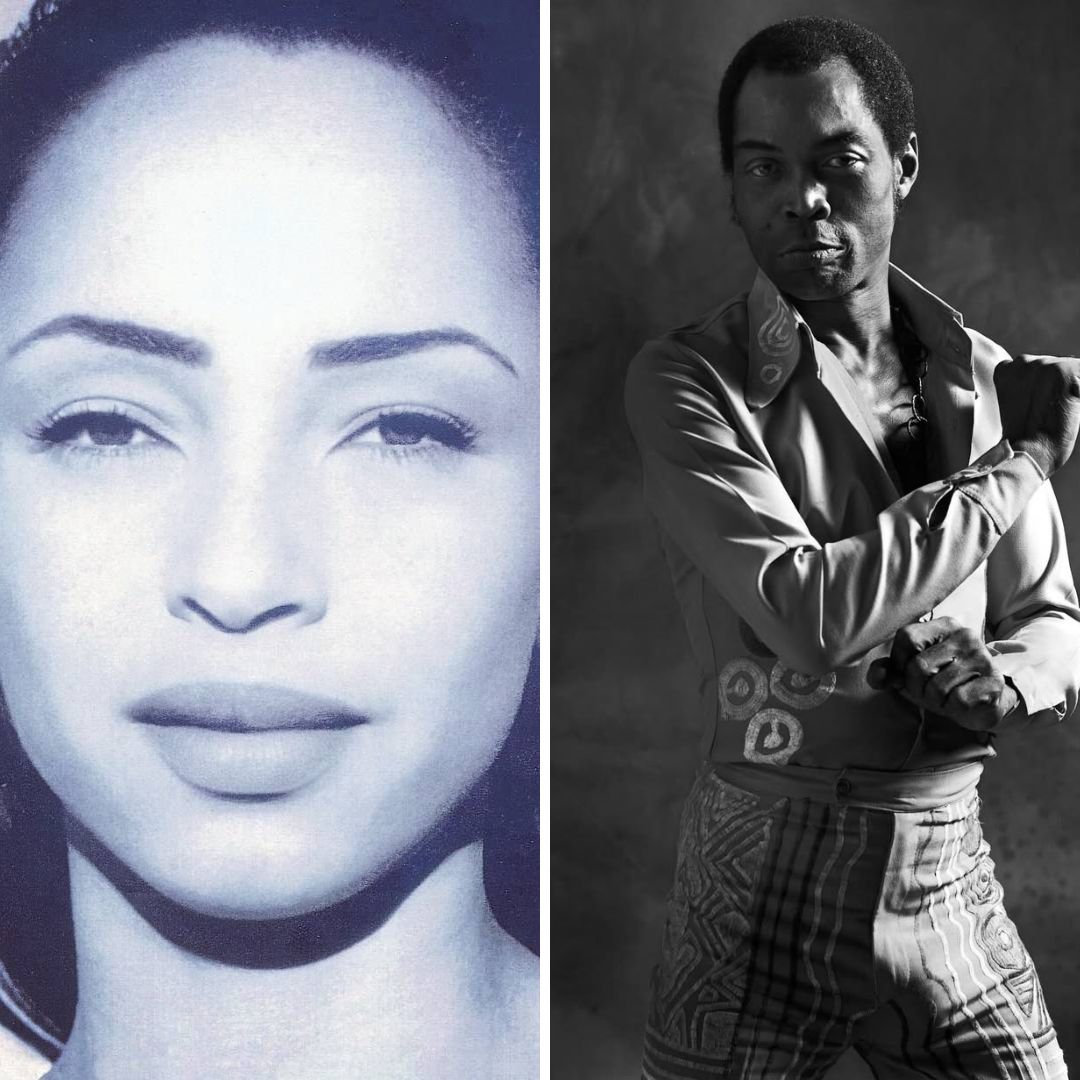
A side-by-side collage featuring Sade Adu in the Performer category and Fela Kuti in the Early Influence category, both inducted into the Rock & Roll Hall of Fame Class of 2026.
If there was ever a moment to turn up the volume and celebrate the sheer brilliance of Nigerian musical heritage, it is right now. The Rock & Roll Hall of Fame has officially announced its Class of 2026, and the news is nothing short of legendary: both Sade Adu and the late Fela Anikulapo–Kuti
A side-by-side collage featuring Sade Adu in the Performer category and Fela Kuti in the Early Influence category, both inducted into the Rock & Roll Hall of Fame Class of 2026.
If there was ever a moment to turn up the volume and celebrate the sheer brilliance of Nigerian musical heritage, it is right now. The Rock & Roll Hall of Fame has officially announced its Class of 2026, and the news is nothing short of legendary: both SadeAdu and the late FelaAnikulapo–Kuti are being inducted. Coming off the back of Fela’s recent Grammy Lifetime Achievement Award, this double win feels like a long-overdue global embrace of the sounds that started in Lagos and conquered the world.
To understand the weight of this moment, one must look at what the Rock & Roll Hall of Fame represents. Established in 1983 and headquartered in Cleveland, Ohio, the institution is dedicated to archiving the history of the most influential artists, producers, and engineers who have shaped the course of popular music. Induction is not merely a popularity contest; it is a recognition of a permanent contribution to the energy and evolution of the industry. To be eligible, an artist must have released their first commercial recording at least 25 years prior to induction, and they are judged on their musical excellence, innovation, and the depth of their influence on other creators.
Our icons are entering through two distinct, equally prestigious doors. After her second nomination, the Queen of Cool herself, Sade Adu, and her band have been inducted in the Performer Category. Known for that timeless, “Quiet Storm†sophistication, Sade continues to be a primary reference point for the global music scene. Simultaneously, in a massive move for music history, the Abami Eda is being honoured with the Early Influence Award. This category is specifically reserved for artists whose spirit and sound directly laid the foundation for the music that followed, and Fela’s pioneer role in Afrobeat makes him the perfect recipient.
The induction ceremony is set to be a cinematic affair, taking place on Saturday, 14 November 2026, at the Peacock Theater in Los Angeles. Sade and Fela will share the stage with a heavy-hitting class that includes Oasis, MariahCarey, LutherVandross, Wu-Tang Clan, Phil Collins, and Lauryn Hill. For those watching from home, the ceremony will be broadcast on ABC and Disney+ later in December
A side-by-side collage featuring Sade Adu in the Performer category and Fela Kuti in the Early Influence category, both inducted into the Rock & Roll Hall of Fame Class of 2026.
If there was ever a moment to turn up the volume and celebrate the sheer brilliance of Nigerian musical heritage, it is right now. The Rock & Roll Hall of Fame has officially announced its Class of 2026, and the news is nothing short of legendary: both Sade Adu and the late Fela Anikulapo–Kuti
A side-by-side collage featuring Sade Adu in the Performer category and Fela Kuti in the Early Influence category, both inducted into the Rock & Roll Hall of Fame Class of 2026.
If there was ever a moment to turn up the volume and celebrate the sheer brilliance of Nigerian musical heritage, it is right now. The Rock & Roll Hall of Fame has officially announced its Class of 2026, and the news is nothing short of legendary: both SadeAdu and the late FelaAnikulapo–Kuti are being inducted. Coming off the back of Fela’s recent Grammy Lifetime Achievement Award, this double win feels like a long-overdue global embrace of the sounds that started in Lagos and conquered the world.
To understand the weight of this moment, one must look at what the Rock & Roll Hall of Fame represents. Established in 1983 and headquartered in Cleveland, Ohio, the institution is dedicated to archiving the history of the most influential artists, producers, and engineers who have shaped the course of popular music. Induction is not merely a popularity contest; it is a recognition of a permanent contribution to the energy and evolution of the industry. To be eligible, an artist must have released their first commercial recording at least 25 years prior to induction, and they are judged on their musical excellence, innovation, and the depth of their influence on other creators.
Our icons are entering through two distinct, equally prestigious doors. After her second nomination, the Queen of Cool herself, Sade Adu, and her band have been inducted in the Performer Category. Known for that timeless, “Quiet Storm†sophistication, Sade continues to be a primary reference point for the global music scene. Simultaneously, in a massive move for music history, the Abami Eda is being honoured with the Early Influence Award. This category is specifically reserved for artists whose spirit and sound directly laid the foundation for the music that followed, and Fela’s pioneer role in Afrobeat makes him the perfect recipient.
The induction ceremony is set to be a cinematic affair, taking place on Saturday, 14 November 2026, at the Peacock Theater in Los Angeles. Sade and Fela will share the stage with a heavy-hitting class that includes Oasis, MariahCarey, LutherVandross, Wu-Tang Clan, Phil Collins, and Lauryn Hill. For those watching from home, the ceremony will be broadcast on ABC and Disney+ later in December
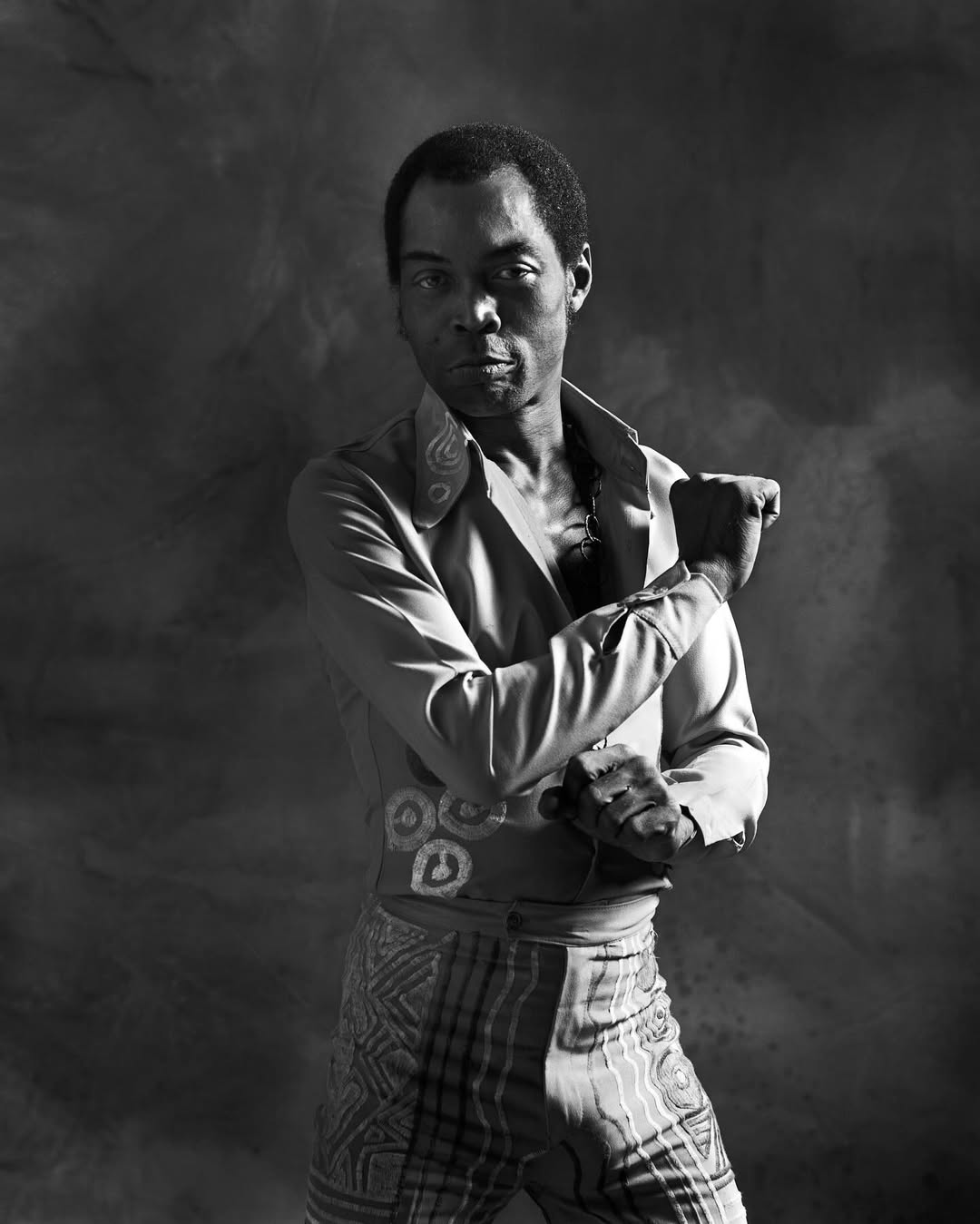
Photo Credit: Fela Anikulapo-Kuti/Instagram
History was made in Los Angeles this weekend during the 68th Annual Grammy Awards season. The pioneer of Afrobeat, Fela Anikulapo–Kuti, was posthumously honoured with the Grammy Lifetime Achievement Award at the Special Merit Awards Ceremony. This landmark recognition makes Fela the first African artist to receive this honour, a moment that cements the global legacy of Nigerian music.
The Recording Academy bestowed this honour upon F
History was made in Los Angeles this weekend during the 68th Annual Grammy Awards season. The pioneer of Afrobeat, FelaAnikulapo–Kuti, was posthumously honoured with the Grammy Lifetime Achievement Award at the Special Merit Awards Ceremony. This landmark recognition makes Fela the first African artist to receive this honour, a moment that cements the global legacy of Nigerian music.
The Recording Academy bestowed this honour upon Fela alongside an elite group of international music heavyweights, including Whitney Houston, Chaka Khan, Cher, and Paul Simon. In an official statement, Harvey Mason Jr, CEO of the Recording Academy, described the honorees as an extraordinary group whose influence spans generations, genres, and the very foundation of modern music.
The ceremony was a significant family affair, with Femi Kuti, Yeni Kuti, Shalewa Kuti, and Kunle Kuti present to accept the award on behalf of their father. The pride of the Kuti dynasty was evident as they took to the stage to acknowledge Fela’s enduring impact.
During the acceptance speech, Yeni Kuti expressed her gratitude to the Academy and the family’s supporters. “I want to thank the Grammys for this wonderful award. I’m sure my father is smiling down on us, she said. She also took a moment to recognise the family members who were absent, saying, I want to acknowledge my siblings who couldn’t be here tonight, Motunrayo and Seun, and my nephew who is carrying Afrobeat to another level, Made.â€
Femi Kuti followed with a tribute to his father’s mission and the global community that has sustained Afrobeat for decades. “I would like to thank all the people carrying Afrobeat that are in this place tonight. DJs, the press, our label Partisan Records, our lawyers, fans all over the world, he noted. He concluded with a reflection on the weight of the moment: Thank you for bringing our father here. It’s so important for Africa. It’s so important for world peace and struggle.â€
This recognition by the Recording Academy serves as a definitive validation of Fela’s role as a foundational figure in contemporary music, whose message continues to inspire millions worldwide in 2026.
Photo Credit: Fela Anikulapo-Kuti/Instagram
History was made in Los Angeles this weekend during the 68th Annual Grammy Awards season. The pioneer of Afrobeat, Fela Anikulapo–Kuti, was posthumously honoured with the Grammy Lifetime Achievement Award at the Special Merit Awards Ceremony. This landmark recognition makes Fela the first African artist to receive this honour, a moment that cements the global legacy of Nigerian music.
The Recording Academy bestowed this honour upon F
History was made in Los Angeles this weekend during the 68th Annual Grammy Awards season. The pioneer of Afrobeat, FelaAnikulapo–Kuti, was posthumously honoured with the Grammy Lifetime Achievement Award at the Special Merit Awards Ceremony. This landmark recognition makes Fela the first African artist to receive this honour, a moment that cements the global legacy of Nigerian music.
The Recording Academy bestowed this honour upon Fela alongside an elite group of international music heavyweights, including Whitney Houston, Chaka Khan, Cher, and Paul Simon. In an official statement, Harvey Mason Jr, CEO of the Recording Academy, described the honorees as an extraordinary group whose influence spans generations, genres, and the very foundation of modern music.
The ceremony was a significant family affair, with Femi Kuti, Yeni Kuti, Shalewa Kuti, and Kunle Kuti present to accept the award on behalf of their father. The pride of the Kuti dynasty was evident as they took to the stage to acknowledge Fela’s enduring impact.
During the acceptance speech, Yeni Kuti expressed her gratitude to the Academy and the family’s supporters. “I want to thank the Grammys for this wonderful award. I’m sure my father is smiling down on us, she said. She also took a moment to recognise the family members who were absent, saying, I want to acknowledge my siblings who couldn’t be here tonight, Motunrayo and Seun, and my nephew who is carrying Afrobeat to another level, Made.â€
Femi Kuti followed with a tribute to his father’s mission and the global community that has sustained Afrobeat for decades. “I would like to thank all the people carrying Afrobeat that are in this place tonight. DJs, the press, our label Partisan Records, our lawyers, fans all over the world, he noted. He concluded with a reflection on the weight of the moment: Thank you for bringing our father here. It’s so important for Africa. It’s so important for world peace and struggle.â€
This recognition by the Recording Academy serves as a definitive validation of Fela’s role as a foundational figure in contemporary music, whose message continues to inspire millions worldwide in 2026.
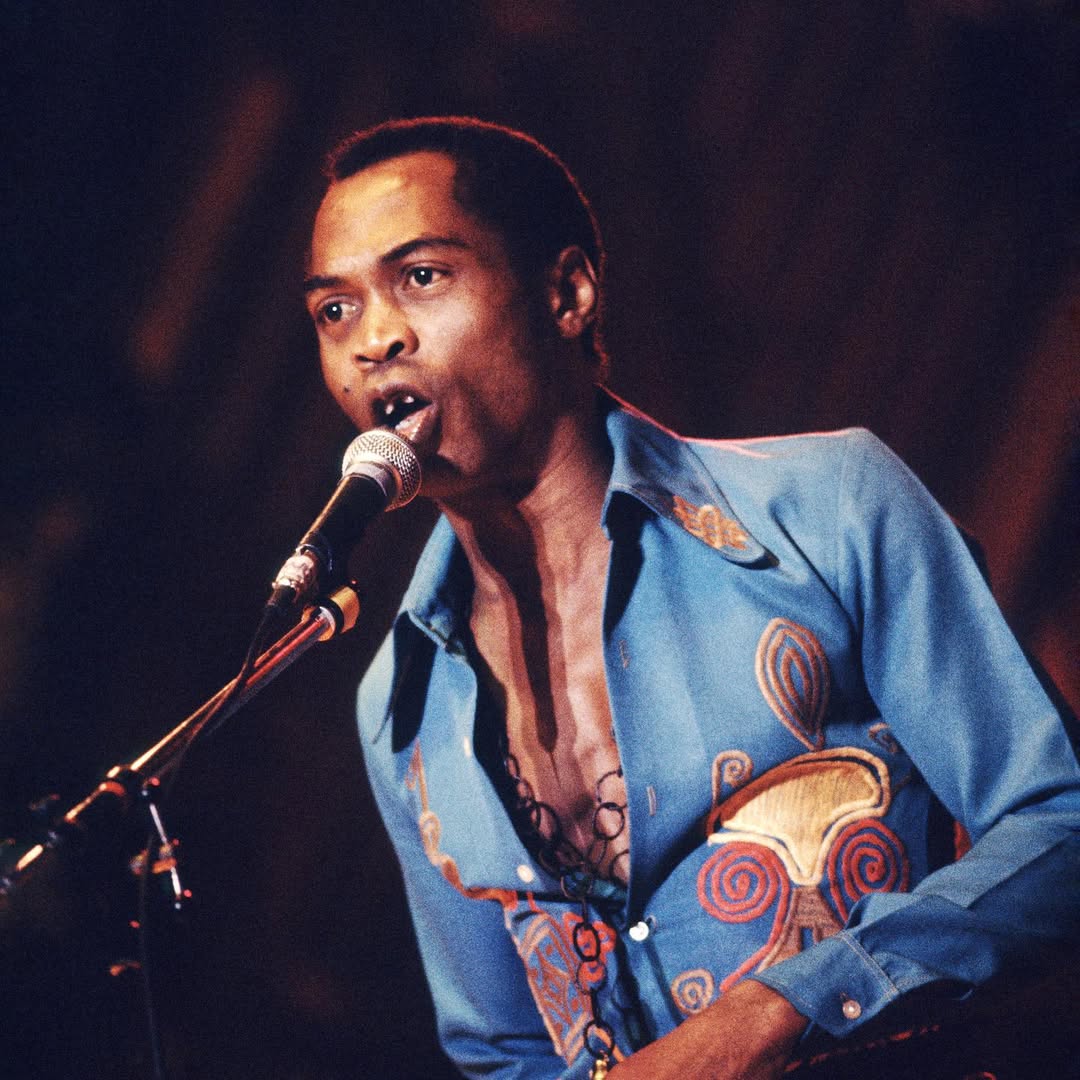
Photo Credit: Fela Anikulapo Kuti/Instagram
Decades after his passing, Fela Anikulapo–Kuti is set to be honoured on one of music’s biggest stages. The legendary Afrobeat pioneer will receive a Special Merit Lifetime Achievement Award at the 2026 Grammy Awards, recognising the lasting impact of his work on global music.
The honour will be presented at the Recording Academy’s Special Merit Awards ceremony on January 31, 2026, during Grammy Wee
Decades after his passing, FelaAnikulapo–Kuti is set to be honoured on one of music’s biggest stages. The legendary Afrobeat pioneer will receive a Special Merit Lifetime Achievement Award at the 2026 Grammy Awards, recognising the lasting impact of his work on global music.
The honour will be presented at the Recording Academy’s Special Merit Awards ceremony on January 31, 2026, during Grammy Week, a day before the main awards show. Fela will be celebrated alongside an impressive group of music greats including WhitneyHouston, ChakaKhan, Cher and Paul Simon.
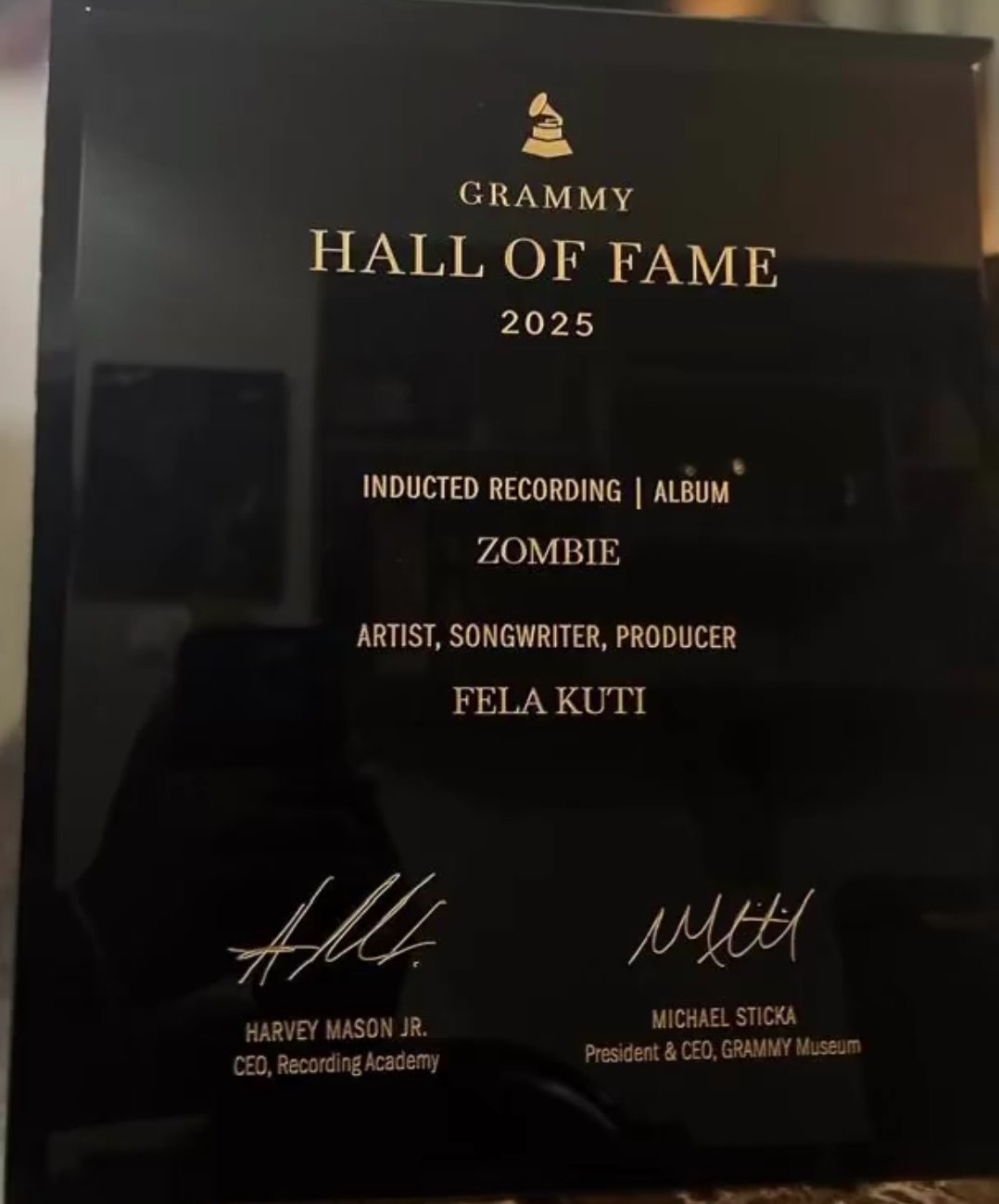
While Fela never won a Grammy during his lifetime, his influence has continued to resonate far beyond his era. In 2025, his 1976 album “Zombie†was inducted into the Grammy Hall of Fame, with the award accepted by his sons, Femi and SeunKuti, a moment that reaffirmed just how far his music has travelled.
Announcing the honourees on Instagram, the Recording Academy described Fela as follows: “An architect of Afrobeat, honored for a lifetime of influence. Fela Kuti was a Nigerian musician, producer, arranger, political radical, activist, and the father of Afrobeat. In the 1960s, he created the genre by combining funk, jazz, salsa, calypso, and a blend of traditional Nigerian rhythms.â€
With this recognition, Fela joins a distinguished list of past Special Merit Award recipients including Whitney Houston, Cher, Paul Simon, Chaka Khan, Carlos Santana, Sylvia Rhone, JohnChowning, EddiePalmieri and BernieTaupin.
As the 2026 Grammy Awards approach, Nigerian stars are back in the mix. BurnaBoy is up for Best African Music Performance with “Love†and Best Global Music Album with “No Sign of Weakness,†while Davido earns a nod for “With You†featuring OmahLay in the Best African Music Performance category. AyraStarr and Wizkid also make the list with “Gimme Dat.â€
The Academy noted that Zombie meets the Hall of Fame’s requirement for recordings that are “At least 25 years old and exhibit lasting qualitative or historical significance”.
By Abioye Damilare Samson
Afrobeat legend, Fela Anikulapo-Kuti, has posthumously earned a place in the 2025 Grammy Hall of Fame, with his seminal 1976 album, Zombie, recognised by the Recording Academy for its enduring cultural and historical impact.
The announcement was made earlier this week, with the Academy noting tha
The Academy noted that Zombie meets the Hall of Fame’s requirement for recordings that are “At least 25 years old and exhibit lasting qualitative or historical significance”.
By Abioye Damilare Samson
Afrobeat legend, Fela Anikulapo-Kuti, has posthumously earned a place in the 2025 Grammy Hall of Fame, with his seminal 1976 album, Zombie, recognised by the Recording Academy for its enduring cultural and historical impact.
The announcement was made earlier this week, with the Academy noting that the conscious album meets the Hall of Fame’s requirement for recordings that are “At least 25 years old and exhibit lasting qualitative or historical significance”. The album now joins an esteemed collection that includes works by Jay-Z, Santana, and Cat Stevens.
Grammy Hall of Fame 2025
Fela’s eldest son, Femi Anikulapo-Kuti, shared the news on his official X page on Wednesday. “Our father’s legacy lives on. We are honoured to accept this Grammy Hall of Fame award on behalf of Fela Anikulapo-Kuti. His music continues to inspire and unite people across the world”, he wrote.
Released during a tense period in Nigeria’s military regime, Zombie delivered an unflinching critique of military oppression and unquestioning obedience. Its impact was immediate and far-reaching, provoking a violent state-led attack on Fela’s Kalakuta Republic in 1977, a raid that resulted in the destruction of property and brutal assaults on his family and community.
Fela Anikulapo Kuti
Despite the state’s attempt to stifle his voice, Fela’s message endured. Nearly three decades after his passing, Zombie remains a potent work of resistance, echoing in the music of African superstars such as Burna Boy, Wizkid, and Davido, and referenced by global acts like Alicia Keys and Coldplay.
With this latest recognition, Fela’s towering influence on music and politics — both in Africa and across the globe — is once again cemented in history.
Femi Kuti sits in a modest room, cool and calm. On this Zoom call with OkayAfrica, the 62-year-old afrobeat legend speaks with the agility of a man assured in his craft. In a few days, he will release his eleventh body of work, Journey Through Life. As we begin our conversation, we first explore Kuti's intent behind the album title."I just thought it was important to talk about things that have guided me throughout my life," says Kuti, "that's why it's called 'Journey Through Life.' Just before
Femi Kuti sits in a modest room, cool and calm. On this Zoom call with OkayAfrica, the 62-year-old afrobeat legend speaks with the agility of a man assured in his craft. In a few days, he will release his eleventh body of work,Journey Through Life. As we begin our conversation, we first explore Kuti's intent behind the album title.
"I just thought it was important to talk about things that have guided me throughout my life," says Kuti, "that's why it's called 'Journey Through Life.' Just before the recording, my daughter had an operation and everywhere was just so … we were all very confused, everywhere was so emotional, and her bravery was part of the inspiration. The family was so tight and together in this period, and I thought it was important to sing about these virtues."
If you listen closely, you can hear the communal energy that flows through the 10 songs on the album. Vibrant percussion blends with bright guitar work on the titular track, "Journey Through Life," in which Kuti sings about the personal and familial ideals he speaks passionately about. "Keep all your loved ones by your side," he sings in his unshakable voice, a sweet salvo that soars with fiery purpose when required.
That energy often emerges when Kuti tackles the corruption of the Nigerian political class, as he does in "Chop And Run" and "Politics Don Expose Them," where he highlights the wrongdoings of politicians. Like a watchman from his tower, Kuti stands for the conscience of society.
"We're the ones that make up Nigeria," Kuti affirms. "All our issues, our joy, everything works hand in hand. I think I've understood long ago that this problem won't be solved in my lifetime. You see, when you're talking about not just Nigeria's problem but Africa's problem, you're talking about 400 years of slavery, a hundred years of bad, corrupt, evil African government, Western influence, greed, so it's not going to end in 50 years. It's not possible."
Highlighting the motives of pan-African leaders such as Patrice Lumumba and Malcolm X, he says that anyone who wanted Africa to grow was eliminated.
So why sing at all? The veteran knows it's impossible to change the world, so he has recently turned to more personal matters. "I think I would be quite stupid to think I can solve Africa's problem with my music," he scoffs. "But if you listen to the tracks, you'll see a record called 'Work On Myself.' The way I look at life is: 'Why do we like to superimpose our ideas on other people?' We need to superimpose those ideas on ourselves to make ourselves better. Probably that's the objective of life."
Journey Through Life is a compilation of Kuti's ideals. His political thoughts might occupy the frontline, but they stand visibly beside his musical mastery. Whether it's his early recordings after forming the Positive Force band in 1986 oralmost breaking the Guinness World Record for the longest saxophone note in 2017, it's remarkable that Kuti has always continued making music. Nearly stoic in his dedication, he tells us it's a fight against monotony.
"It's very important for an artist not to remain stagnant or monotonous," he says. "Every project of mine, I try to do something different, or else it would be boring. Age and practice help you grow, so I still practice. I still do a lot of work, and hopefully, my sound will mature with age as time goes by. You see, music is like a flower. You have to nurture it; you have to give it water and sunlight, or else it will die. Your music will die off."
On "Corruption na Stealing," he moves beyond his famous baritone vocals, singing in a near-falsetto that shows just how impressive a singer he is. Amidst the grungy Afrobeat groove, which instantly situates listeners in Lagos' Afrikan Shrine, the musician brings to life one of the transcendent problems of African society. In the second verse, his phrasing takes after contemporary styling, as he upholds that "when money thief, we must find the thief to call am thief," however recognizing that the same rules are bypassed for the rich and influential, with the advantage of "big English to add to the thing."
During our conversation, Kuti goes into long analyses of the social world, all of which tie back to his life’s journey. Education, he infers, used to mean more than just certificates — it had to do with virtues.
"Nowadays, we have a lot of lousy professionals," he says. "In a classroom of twenty students, if one child fails, everyone fails. Maybe that guy who came last, or doesn't know it, probably would have become a surgeon if we had taught him well. He would probably treat one of us in the future, but we're making fun of him and bringing him down. For me, the teacher is wrong, and everyone in that classroom is wrong, for that child to fail. What kind of education is that? The African community is old. We grow together. Everybody has the potential to be successful; everybody is important in society. Everybody has a problem to solve."
Creating such a thematically and sonically rich work four decades into one's career is quite rare in music; furthermore, in the Nigerian music scene, where legacy is often attributed to the old, the dying, or the dead. For the Anikulapo-Kuti family, who have commandeered one of the strongest cultural legacies in the world, it seems fitting that an artist and personality like Femi Kuti would release this project now, four years after a joint project with his son,Made Kuti.
Our conversation ends with me asking about the importance of these familial connections. "I think legacy is important in that sense," he says. "But you don't force people to do what they don't want to do. Made did. He's playing music because he wants to. I have seven children. He's the only one ... Okay, one of the girls is showing interest, I don't know if she'll show it at the latter stage of her life. All of them have studied music, but the rest don't want to play music."
"To play music, you really have to be sure," he says. "It's not a bed of roses. You have to find your passion; when you discover what you love, even during tough times, your dedication will make time fly. You won’t even realize where the last 20 years have gone because you’re so engaged in your work. And if you even become successful, you'll see it in a different light. It's not about material things. In my family, success is never weighed by wealth; rather, it’s about your commitment to your work and the perseverance you demonstrate over time. This is how I see my life, and this is how Fela lived his life."

 Connexion