Vue normale

Reçu avant avant-hier
  • ✇Afrocritik
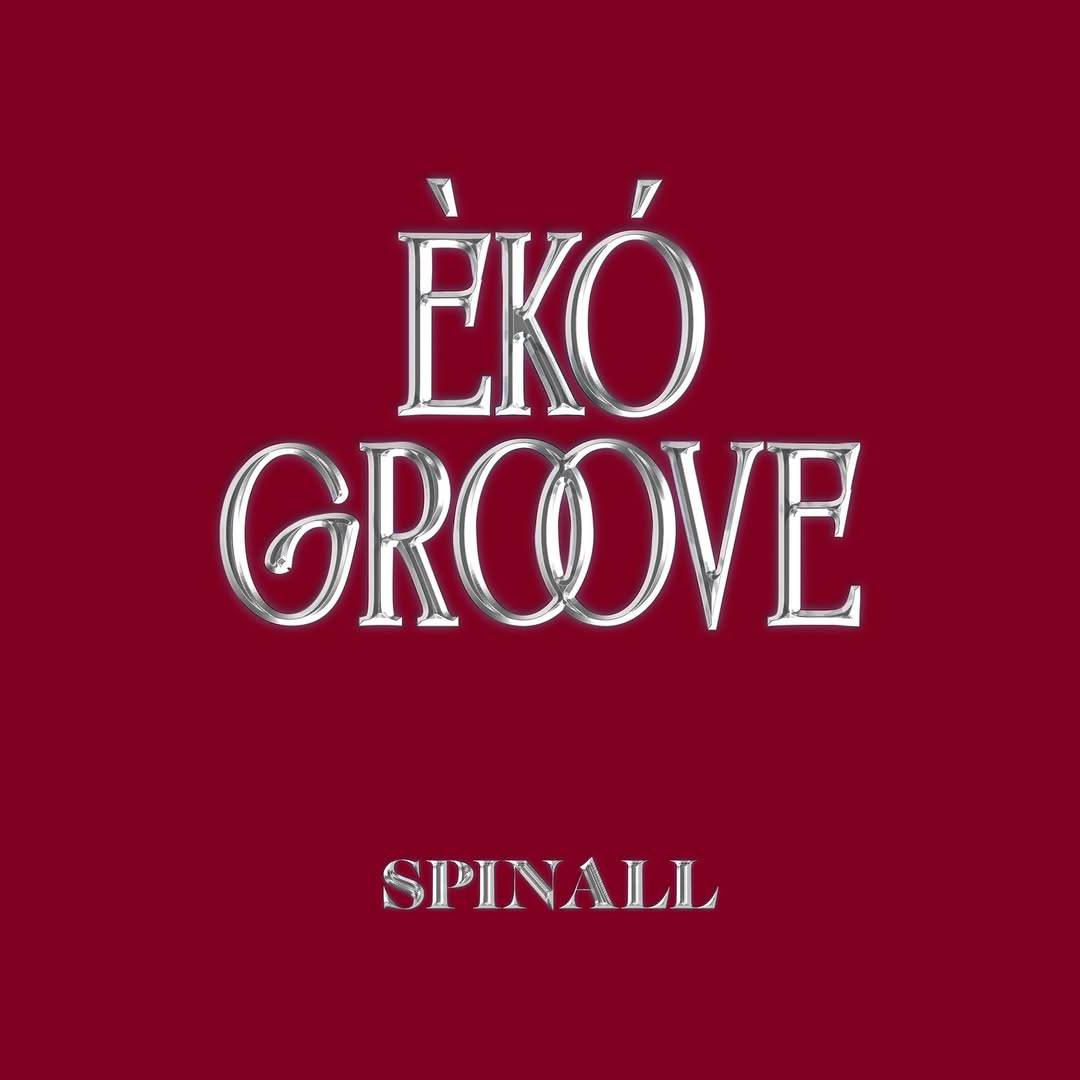
  • “Èkó Groove” Review: Spinall Assembles Star-Studded Cast on New Album
    Èkó Groove is a fun listen. Its energy, its fluid mix of genres, and its vocal star power make it flow quickly despite its length. Spinall ties it all together with the presence and pacing of a live set, curating an experience that is both eclectic and cohesive in spirit if not in theme… By Yinoluwa Olowofoyeku Oluseye Desmond Sodamola, known simply as Spinall, is a Lagos-born DJ, producer, and label head whose career has evolved from mixtapes and
     

“Èkó Groove” Review: Spinall Assembles Star-Studded Cast on New Album

13 septembre 2025 à 09:04

Èkó Groove is a fun listen. Its energy, its fluid mix of genres, and its vocal star power make it flow quickly despite its length. Spinall ties it all together with the presence and pacing of a live set, curating an experience that is both eclectic and cohesive in spirit if not in theme…

By Yinoluwa Olowofoyeku

Oluseye Desmond Sodamola, known simply as Spinall, is a Lagos-born DJ, producer, and label head whose career has evolved from mixtapes and club nights into a defining voice in Afrobeats. He founded TheCAP Music in 2014 and began releasing full-length projects shortly afterwards. His debut studio album My Story: The Album arrived in 2015, followed by Ten in 2016, Dreams in 2017, Iyanu in 2018, Grace in 2020, and Top Boy in 2023. Each covers a range of styles, from dancefloor anthems to soulful Afro-Pop, consistently showcasing his ability to curate major collaborations and diverse sounds.

Across these albums, Spinall has built a reputation for blending Afrobeats with House, electronic textures, and global club influences, while remaining rooted in Lagos’s energy. Tracks like “Palazzo” with Asake and “Loju” with Wizkid highlight both his commercial reach and his knack for creating songs that resonate locally and beyond.

Now, with Èkó Groove, Spinall returns with a project designed to both reflect and expand his legacy. Èkó Groove is rooted in the rhythms, chaos, and vibrancy of Lagos, while also reaching outward, with features from artistes such as Tyla and Dre, and production that leans into the city’s grooves while embracing international colour. 

It stands as both a tribute and a statement: that after nearly a decade of steady growth and numerous high points, Spinall is still defining what it means to be a groove curator in Afrobeats, while pushing his sound further.

The album opens with the titular “Èkó Groove”, a thematic and sonic overture where rattling shakers and clacking triplet Afrobeats percussion merge with brass and bright guitars. A sample from Ayinde Bakare weaves the city’s history into the music, transforming the track into an ode to Lagos that establishes both the rhythm and the atmosphere shaping the entire project.

That energy carries seamlessly into “Want You”, which builds instrumentally on the same shakers, percussion, guitars, and horns, now joined by filtered key chords. Jayo delivers a loose, patois-inspired flow—sensual and full of whispered accents—while Destiny Conrad layers his soft R&B tone over the Afrobeat pulse. 

Èkó Groove
Èkó Groove

Together, their performances embody desire, teasing out intimacy in lyrics such as “Come on and tease and turn/ Watch how you make me freeze and twist and turn/ A little bit of eye contact turn me on”, carrying the song’s simplicity with a sensual intensity.

“Early” continues this mood but infuses it with an electronic edge, opening with thumping synths, floating hi-hats, and a groovy Afrobeats rhythm. Pulsing electronics support Victony’s airy vocals, while a sharp guitar riff links the chorus to string pads. 

His playful lyricism disguises raunch with sly wit, singing, “I just dey give am for ealy morn’/ Her bobo dey call am for early morn’/ Girlie no know say my ting e go reach her belly button/ Easy to shout, I go ta-na-na Selena”. The cheeky tone dances across the synthetic textures, pushing the record’s sensual arc further.

With “Struggle”, however, the mood shifts, adopting Reggae instrumentation with steady drums and a rich bass guitar that grounds the track in something spiritual. Buju Banton’s gravelly voice anchors the chorus with heft, while Summer Walker’s soft, solemn tones smooth the edges, harmonising delicately over hard truths. “One time for the hardworking/ You smile but your eyes are hurting/ The life all up your desert/ ‘Cause we wake to the sunset, no no,” they sing together, their contrasting energies uniting in the shared language of perseverance.

The Ghanaian Highlife tradition animates “Aunt Mary,” its triplet clavs, shakers, and lively rhythm guitars paired with a bassline that refuses to sit still. Shine TTW offers soft, airy vocals that glide across the melody, while Darkovibes provides deeper contrast, weaving Twi lyrics and playful effects through the track. Their interplay is buoyed by spirited ad-libs and backing vocals, forming a bright celebration of beauty as Shine sings, “Aunty Mary wey I see for tele/ She say her body be na o gbona feli/ Mo ti moti but I see you clearly”.

From there, Spinall pares back the instrumentation on “Forward”, leaving rattling shakers, percussion-heavy drums, and a restrained palette of guitars and bass synths to create space for Tay Iwar’s agile vocals. His layered delivery carries an uplifting message, urging resilience with lines such as, “One thing that I know is that I love my life/ Through the highs and lows, I survived/ No regrets, no looking back, only forward/ I know yeah, keep moving forward, I know yeah”. The positivity is heightened by sprightly rhythm guitars that dance through the groove, keeping the track buoyant.

“Waiting” sets its pulse with four-to-the-floor drums, syncopated percussion, and a brass section that cuts through smooth, jazzy piano chords. A lively bass guitar riff runs like an undercurrent, elevating Taves’ energetic vocals as he sings of longing for a lover to meet him halfway. His chorus, “I’ve been waiting for you/ Say me, and my patience can’t deal/ Your heart that I wan come steal/ Me I want love, love like nobody else’s love”, captures the impatience at the song’s core. Jayo reappears, versatile and insistent, contrasting Taves’ breezy lightness with a sung flow full of drive, their voices together amplifying the tension between yearning and impatience.

“Kerosene”, one of Èkó Groove’s earlier singles, rides on bright pianos and smooth drones, with shakers and syncopated percussion leaning into Street-Hop but hinting at Amapiano once the log drums drop in. Young Jonn’s playful lyricism and buoyant delivery carry lines such as, “Baby mi, let’s faaji tongolo/ Body magic, okoro/ Last night was fun, ololo … You dey high me, ogogoro”, his signature style burning bright over Spinall’s layered groove.

On “Loju”, another pre-released single, Wizkid slips back into his effortless zone, gliding over energetic Afrobeats drums, plucked synths, and subtle electric piano chords. He rides the rhythm with nonchalance, flexing lyrically rather than narrating, singing, “Na we the girls wan follow go oo / Make the girl change area code / Till you follow me I no go go / Follow bounce if you get stamina”. His flow is instinctive, the vibe undeniable—proof of his mastery at bending Afrobeats cadences to his will.

That energy escalates on “Excited”, where triplet claps and pulsating synths signal Afro-House terrain. Ami Faku opens with soft, subdued vocals, painting visions of joy and responsibility over rhythm guitars, brass passages, and pads. Her chorus lifts brightly: “I just want this money/ I’ve been saving, praying about it/ Taking care of family/ With Spinall we rounding/ Come on be honest. We we wo let’s jolly yo”. 

Niniola stamps her signature on the second verse with powerful Yoruba lyrics, agile melodies, and a unique timbre, adding vibrance and vocal force alongside Heavy-K’s steady Afro-House imprint.

Spinall
Spinall

“Miami” brings cinematic strings into collision with Street-Hop percussion and hard-hitting Afrobeats drums. Olamide plays both roles, softly crooning the refrain, “When you wake in the morning / When you be yawning, I’d be in Miami”, before switching into rapid Yoruba rap with commanding confidence. T.I. enters with his Southern flow, marrying his cadences to the Afrocentric production seamlessly, never missing a beat as the transatlantic collaboration blurs genre borders. 

“One Call” follows with tender guitar chords and light percussion ushering in Omah Lay’s drawn-out, emotive voice. He pours himself into the promise of closeness, singing, “I’m on my way to you/ But time is on the loose/ I will always fight for truth/ If I have the chance to choose … ‘Cause no me without us”, drawing intimacy from restraint. Tyla’s entrance lifts the energy, her bright ad-libs and group vocals layering over Omah’s more subdued tones. The thumping log drums risk overwhelming the track’s gentleness, but her melodies bring a contrasting vibrance that reshapes its mood.

Returning to South Africa, “Living” builds on Afro-House foundations with thumping kicks, riding shakers, and smooth chords augmented by subtle flutes and mallet runs. Murumba Pitch and Tony Duardo weave their expertise into the evolving instrumental, with filtered kicks and swelling percussion amplifying the track’s meditative dance energy. 

Their lyrics crave simple freedom: “I wanna dance, let me see the speakers blow now/ Liquor running fast inside my veins yeah/ I ain’t tryna get drunk, I’m just tryna live my life/ The power is yours now/ You could do greater things, the power lies in your mind”. The song’s dance break leans inward rather than towards climax—an introspective release before the outro affirms a joy in living.

Finally, “Psalm 23” closes Èkó Groove with a return to Street-Hop’s high voltage. Thumping kicks, log drums, rifling snares, a rich bassline, bright chords, and saxophone riffs set the stage for Teni, whose infectious energy bursts through every word. She ends Èkó Groove on a triumphant note, proclaiming, “I’m so thankful ‘cause I’m so blessed/ Got me shouting seven halleluja/ Psalm 23 for you haters, fuck y’all”, her defiance sealing Spinall’s Lagos-inspired vision with gratitude, resilience, and fire.

Èkó Groove plays less like a tightly bound thematic album and more like a well-curated collection of songs. The theme of Lagos, introduced in the opening track, feels nominal and is scarcely revisited, as most of the songs turn instead to the well-worn but effective subjects of love, life, and gratitude.

What the record lacks in narrative cohesion, however, it makes up for in breadth. The tracklist spans a wide range of genres, pulling together strands of Afrobeats, Afro-House, Reggae, Amapiano, and Street-Hop into a lively mix that reflects the multiplicity of contemporary African pop.

The production is strong and versatile, showcasing the craft of a talented team. Beats are energetic and genre-appropriate, bringing the right sonic palette to each song and tailoring the mood to the featured artistes. At times, the light touch works best, allowing vocalists the space to shine against leaner backdrops. 

At other moments, the layers verge on overproduction, creating clashes of tone and energy that slightly blur Èkó Groove’s balance. Still, the engineering remains sharp and professional, maintaining clarity and polish throughout, ensuring that even the busiest arrangements feel clean.

The featured artistes are Èkó Groove’s real stars. Spinall has assembled a cast that is not only stacked with heavyweights but also cleverly balanced. Most are kept within their comfort zones, delivering exactly the kind of performances that earned them their reputations. Others are nudged into new spaces, and those experiments enrich the record, adding surprise and variation. 

Èkó Groove
Èkó Groove tracklist

Across the board, the vocals are strong—as expected—but what stands out most is the cross-pollination. The contrasts and harmonies, the way artistes bounce off one another’s styles, create sparks that keep the album engaging. It is less about discovering something entirely new in them, and more about the pleasure of hearing them in dialogue, riffing off one another in a shared space.

As a whole, Èkó Groove is a fun listen. Its energy, fluid mix of genres, and vocal star power make it flow quickly despite its length. Spinall ties it all together with the presence and pacing of a live set, curating an experience that is eclectic yet cohesive in spirit, if not in theme. 

By pulling together a little of everything his audience loves, he delivers a project that—while uneven in places—remains a milestone in his career. It is a work that should be celebrated, one that underscores his longstanding influence in the industry, showcases his instincts as an A&R, and creates collaborative moments unlikely to be found anywhere else.

Lyricism – 1.4

Tracklisting – 1.3

Sound Engineering – 1.5

Vocalisation – 1.6

Listening Experience – 1.5

Rating – 7.3/10

Yinoluwa “Yinoluu” Olowofoyeku is a multi-disciplinary artist and creative who finds expression in various media. His music can be found across all platforms and he welcomes interaction on his social media @Yinoluu.

The post “Èkó Groove” Review: Spinall Assembles Star-Studded Cast on New Album first appeared on Afrocritik.
  • ✇Afrocritik
  • Afrocritik Weekly Music Spotlight: Detour Week
    Afrocritik Weekly Music Spotlight: Detour Week By Yinoluwa Olowofoyeku Greetings, my acoustic adventurers! We hope the past week has treated you kindly and that you’re staying grounded as we make our way through July. Can you believe how quickly the month has flown by? We’re already well into the second half of the year, and as the pace picks up, so does the music. This week, we’ve taken a slight detour, veering off the usual bridges and d
     

Afrocritik Weekly Music Spotlight: Detour Week

25 juillet 2025 à 07:43

Afrocritik Weekly Music Spotlight: Detour Week

By Yinoluwa Olowofoyeku

Greetings, my acoustic adventurers!

We hope the past week has treated you kindly and that you’re staying grounded as we make our way through July. Can you believe how quickly the month has flown by? We’re already well into the second half of the year, and as the pace picks up, so does the music.

This week, we’ve taken a slight detour, veering off the usual bridges and diving straight into some off-the-path highlights that carry their own spark and surprises. We’re swerving away from the obvious and embracing fresh delights.

As always, we’re here to keep your playlists vibrant and full of colour. If you haven’t already, be sure to follow us on social media so you never miss a drop. And while you’re at it, have you checked out our Monthly Spotlight for June?

It’s live now and absolutely worth your time. Got a song or project you think we should spotlight? Don’t hesitate to send it in to yinoluu@afrocritik.com; we’re itching to shine a light on your own work as well.

Now that the housekeeping is out of the way, here’s this week’s brilliant selection, which arrives in the form of:

SOFT AND HEARTFELT: We begin this week’s journey on a tender note, with songs that wear their hearts on their sleeves. Nigerian newcomer, Czin, sets the tone with “One For The Road”, a strikingly intimate acoustic moment and the opening track of his CNG project, which also includes the reflective title track “CNG”. 

South African talent, Mlindo The Vocalist, returns with Uhambo, The Journey, a record rich with heartfelt expression and vocal sensitivity. Highlights include “Dance Around You”, “Holy Father”, and “Noma Yini Bhoza Yam”, all of which showcase the breadth of his emotional storytelling. 

Kenyan songstress, Maya Amolo, floats gently into the mix with “Look The Other Way”, a soft, shimmering piece that lingers long after its final notes. Nigerian singer, Kunmie, brings new light to his earlier ballad with the remix of “Arike”, enlisting the expressive touches of Mabel and Simi. Rising Zimbabwean singer, M.I.L.E, crafts a heartfelt blend of R&B and Afrobeats on “Sunday”, while Ghanaian pair, MisterKay and Darkua, offer “Pick Up”, a gently woven duet about love, miscommunication, and all the things left unsaid.

PARTY STARTERS: We kick things up a notch with songs that were built for the dancefloor. Nigerian artiste, Minz, keeps things tight and punchy with his 444Play EP, filled with danceable bangers like “Ta Na”, “Agenda”, and “4×4”. Mavin’s own Mbryo and Magixx join forces on the fun and catchy “My Shayla”, a buoyant single that radiates collaborative energy. The always-brilliant Guchi teases her upcoming project with “Your Type”, a witty and sassy number full of playful charm. 

Jaywillz gives us both ends of the spectrum with the vibrant “Magic” and the gentler “Bumaye”, both off his new Ocean Echo project. Thutmose lets his range shine on Bad Boy Good Lover, delivering both the swaggering title track “Bad Boy Good Lover” and the slick, introspective “Sixth Sense”. 

Ghanaian legend, Sarkodie, teams up with Lasmid on “Lavida Loca”, an energetic and confident jam that refuses to slow down. Meanwhile, Lojay serves up “Tenner”, a high-octane banger that keeps the tempo racing forward.

DETOUR INTO RAP CITY: This week’s detour takes us deep into rap territory, where bold flows and vibrant cadences rule. South African DJ and curator DJ Speedsta drops 120 Ocean View Dr., a full-bodied rap album that gives us “All I Have”, “Come Right Back”, “Violate”, and “Unidentified”, each one layered with precise flows and rhythmic punch. 

Veteran rapper, Casper Nyovest, makes a bold return with “Guess Who’s Back”, a braggadocious statement piece that reminds us of his presence. 

Young South African emcee, Tony Dayimane, unleashes Big Boy II, a gritty and vibrant project with standout tracks like “Marco Polo”, “Balaclava”, and “Gemelli”, all rich with character and bounce. Olamide brings his unique energy to “Girl on Fya”, a playful collaboration with Ashidapo that draws creatively from Donae’o’s classic “Party Hard”.

SOUTH AFRICAN SIGN-OFF: As is tradition, we close out with a trip to South Africa, where the Amapiano keeps flowing strong in many shapes and moods. J&S Projects deliver a sleek and meditative cut in “Deeper 7”, while Bless offers soulful and melodic textures on Nkateko, with “Nkateko”, “Inganekwane”, and “Amaphupho” standing out as vocal-driven gems. Bean RSA leans fully into instrumental flair on Tshimologo, particularly on the hard-hitting “Glory” and “JD27”. 

Kammu Dee’s Vitamin Dee 2.0 brings high-energy fun with its Gqom-flavoured Amapiano blend, especially on “Heh He!”, “Bhanashilolo”, and “Siyay’dala”. Finally, Kabza De Small tugs at the heartstrings on Bab’Motha, a full-bodied and emotional project with deeply felt offerings like “Ngyozama”, “Siyabonga”, “Ukuthula”, and “Isthombe”.

These are just a few highlights from this week’s playlist. There are even more sonic gems waiting to be discovered on the full spotlight, so dive in and let your ears roam free. As always, send us your recent favourites, especially from the releases coming in this new week, and be sure to check out the June Monthly Spotlight if you haven’t already. We’ll be back again next week with more carefully curated picks just for you.

Until then, we wish you joy, clarity, and inspiration for the week ahead. Stay kind, stay open, and keep your music close.

Warm regards,

Yinoluwa “Yinoluu” Olowofoyeku is a multi-disciplinary artist and creative who finds expression in various media. His music can be found across all platforms, and he welcomes interaction on his social media @Yinoluu.

The post Afrocritik Weekly Music Spotlight: Detour Week first appeared on Afrocritik.

  • ✇Afrocritik
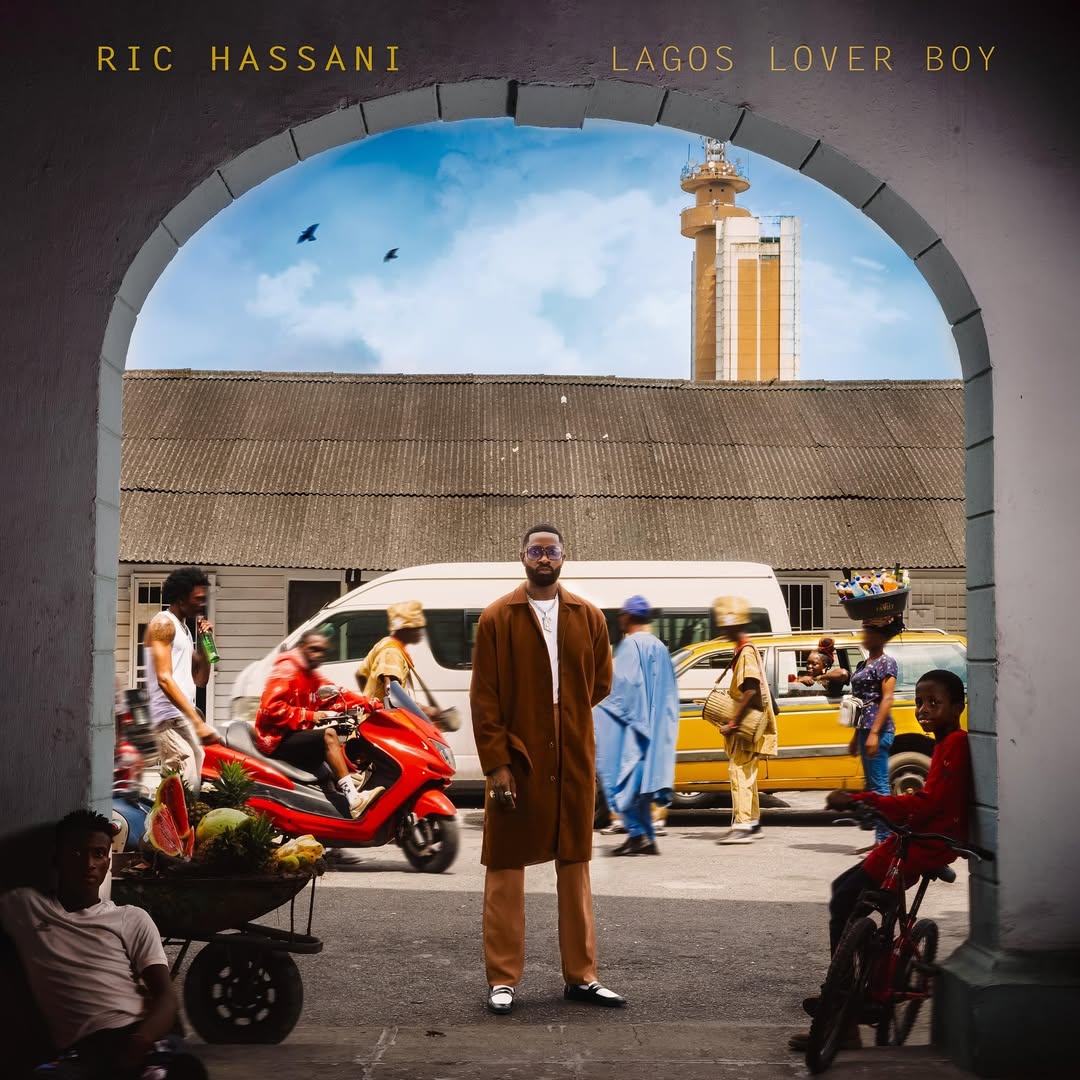
  • “Lagos Lover Boy” Review: Ric Hassani Crafts a Cohesive Portrait of Urban Romance
    Lagos Lover Boy is a coherent and thoughtfully constructed body of work. It shows an artiste who knows his strengths and is cautiously beginning to expand his range. By Yinoluwa Olowofoyeku Ikechukwu Eric (Ric) Ahiauzu, better known to fans as Ric Hassani, stands as one of Nigeria’s most emotive voices in modern R&B and Afro-Pop. Born in Port Harcourt in 1989 and educated both at Covenant University and the University of Surrey, he first broke through with his smooth debut, The African Gen
     

“Lagos Lover Boy” Review: Ric Hassani Crafts a Cohesive Portrait of Urban Romance

5 juillet 2025 à 06:13

Lagos Lover Boy is a coherent and thoughtfully constructed body of work. It shows an artiste who knows his strengths and is cautiously beginning to expand his range.

By Yinoluwa Olowofoyeku

Ikechukwu Eric (Ric) Ahiauzu, better known to fans as Ric Hassani, stands as one of Nigeria’s most emotive voices in modern R&B and Afro-Pop. Born in Port Harcourt in 1989 and educated both at Covenant University and the University of Surrey, he first broke through with his smooth debut, The African Gentleman, in 2017 after a smattering of singles and 2015’s The Acoustic EP

He followed it up with the socially conscious The Prince I Became in 2021, a project that weathered controversy yet earned critical acclaim, as well as the electronic collaborative EP Wish You Were Her(e) and the groove-filled Afro Love in 2023. Along the way, his heartfelt storytelling and soft, crooning tone have earned him nominations at The Headies, AFRIMA, and a growing reputation as a soulful crooner. 

Now, Ric Hassani returns with his boldest statement yet: Lagos Lover Boy. Clocking in at 21 tracks and just under an hour of music, Lagos Lover Boy centres its gaze on love, heartbreak, identity, and the complex emotional reputation of Lagos men, enlisting a wide array of collaborators such as Nonso Amadi, Ne-Yo, Joeboy, Odumodublvck, Phyno, Portable, and DOTTi The Deity for the journey. At once earnest and tongue-in-cheek, Lagos Lover Boy satirises the familiar tropes and contradictions of urban loving, interrogating the very myths that often define it.

The album opens with a cinematic intro ushered in by warm synth pads, scattered percussion, and Ric’s voice emerging in sombre song. He gives way to a spoken word performance that sets the narrative framework, casting Lagos as both setting and symbol, the chaotic, romantic city that shapes the Lagos lover boy archetype the album explores. The tone is cinematic and self-aware, immediately pulling listeners into the story.

Lagos Lover Boy
Lagos Lover Boy

“Wickedness” is a standout for its thematic clarity. Ric critiques the moral climate of society over punchy bass guitars, subtle claps, and steady kicks. The lyrics are delivered plainly but land with weight: “Too many times I wonder if na me wey get problem at all / Cuz people no want truth, they want make you lie for them / So guy man ee want to guy guy man no akuko”. The groove is tight but understated, letting the songwriting lead.

“Moving Train” shifts the energy with upbeat percussion, talking drums, and bright guitars, joined occasionally by brass stabs. It’s an ode to relentless love, captured in the line: “They can say what they wanna say/ Say love is a losing game/ Still, I’m on a moving train to you”. Ric’s performance is solid, with tight harmonies and lively group vocals that lift the chorus and give it a folk-leaning texture.

“Love of My Life (Interlude)” brings in Dotti the Deity for a humorous, sung skit over a rhythm of talking drums. It’s lighthearted and brief, serving as a comedic breather that still stays within the world Lagos Lover Boy is building.

“You Too Dey Lie” leans into Ric Hassani’s flair for conversational songwriting. Over a fun, amapiano-tinged production with log drums and animated backing vocals, he plays the betrayed lover confronting constant dishonesty. “Your 1 plus 1 no be 2, na 22/ E dey your body like tattoo/ You too dey lie, too dey lie, too dey lie lie o.” The delivery is witty and theatrical, adding to the song’s viral, memeable appeal.

“Moving On” sees Ric Hassani in his ballad bag, and it’s a strong showing. The acoustic guitar, soft percussion, and sparkly keys create a warm backdrop for his emotionally controlled vocals. “They say if I chase, you go be mine/ I don chase taya/ It was a waste of my time”. He makes a clever callback to 2021 song, “Thunder Fire You”, but the overall tone is more bittersweet than bitter. Choral harmonies and a well-timed key change round it out with elegance.

“Falling”, featuring Odumodublvck, tries something different. The soundscape is atmospheric and drenched in reverb, with Ric’s airy vocals floating above a bed of subtle drums. Odumodublvck’s verse adds presence, but the direction of the track feels a bit muddled. The mood is evocative, but the cohesion is questionable.

“Adamma, Asanwa, Asampete” falls into more familiar territory. Clattering Afrobeats percussion, a deep bass groove, and a melodic whistle synth provide the frame for lyrics that don’t quite rise above cliché: “The way I love you, if you be mineral I go drink you and chop the bottle/ If you give me your heart I go handle am softly like hottie kettle.” Phyno brings energy and confidence to his verse, lifting an otherwise average track.

“Holy Matrimony” is clearly angled at the wedding playlist. The rhythm section is bright and danceable, with log drums layered into the chorus. “See as we fine together like Beyonce and Jay Baby/ Like Simi and AG Baby/ You know we’ll make cute babies”. It’s light and polished, with a clean arrangement that hits its mark even if it plays it safe.

“My Cherry” pulls things back, allowing Ric Hassani’s voice and pen to take centre stage. Sparse guitars and light percussion leave space for falsetto lines, delicate harmonies, and intimate lyricism. “I no go leave you/ Na you be the reason I dey carry first for everything that I do/ My cherry, it is my obligation to benefit you”. The spoken outro sees an Igbo man showering his woman with adoration, ending the song on a charming moment.

“4x2x16”, featuring Street-Hop act, Portable, is one of the more experimental moments. The beat is simple and dance-driven, but Ric sounds slightly out of place in this more street-pop space. “3 by 4 by 19 baby go down/  Show me what I’m missing, baby go down/ Come and give me this thing, baby go down/ Dance to my music o”. Portable, on the other hand, sounds right at home and delivers with comfort and ease. The track has energy but lacks finesse and makes Ric feel like a guest on his own track.

“Island Boy” is preceded by a thematic but slightly over-acted interlude skit. Pianos and strummed guitars lead us into another ballad where Ric Hassani contrasts the player island boys with their mainland counterparts. “I know Ikeja nigga wey go ride for you/ Surulere nigga wey go die for you/ oh no, oh no/ But you see these island boys, them no get no joy/ They’ve been playing you for long.” Again, when the instruments step back and Ric Hassani’s pen and voice are given centre stage, the music is at its best.

Ric Hassani
Ric Hassani

“Canopy” carries amapiano energy with rattling shakers and synth chords. Ric Hassani takes inspiration from the popular praise song and covers his person with his love: “Omoge I cover you like canopy/ For you I turn lover boy like saint obi/ Oya sare wanbi, finish my money/ Under the canopy of love”. Thumping log drums and call-response group vocals make for a very danceable chorus that carries the song along.

“Sisemi” featuring Tolibian takes an Afro-Swing slant with firm drums and layered chords. Tolibian brings Afro-Adura styling and Street-Hop energy to this song about money and survival. One of the stronger cuts with Ric outside his comfort zone. The reliance on vocal work and lyrics as opposed to vibe means he can hold his own.

“Obara Jesus” sees Ric Hassani’s songwriting return to centre stage on this guitar-based supplication as he implores Jesus to take charge of his search for a partner, praying against certain traits: “Make karashika no see us/ Make enemies no wan press pause/ For every kind thing wey go unite us/ No just cause, Obara Jesus”. The song is packed with relatable lyrics that can be echoed by many.

“Best Of Me” rides on lovely synthetic guitar chords backed by subtle afrobeats drums and a rich bassline as Ric heaps admonition on the head of his lover. Nonso Amadi’s signature voice carries sweet lyrics so beautifully and complements the tone of the song perfectly: “Love the way ya build me like a Lego/ Dance for me let me spray you some ego/ She my queen she my girl, she got a halo”. The duo combine surprisingly well for a smooth and sweet new age love song.

“Love & Romance II” is an R&B-tinged song as Afro-Swing drums combine with velvet piano chords. Bolstered by big vocal performances, it is perhaps the best-sung song on Lagos Lover Boy, especially with Ne-Yo’s feature. “I rejoice when I think about/ You and I riding out/ Sunshine on your skin, no nothing else can compare/ I rejoice when I think of your kiss touching my lips”. Combined with Joeboy, the three singers combine for a heartfelt sequel to Ric’s 2024 “Love & Romance”.

“Lagos Lover Pledge (Interlude)” offers another interlude from DOTTi The Deity, a brief cinematic entry with catchy wit posing as the Lagos lover’s pledge to his partner.

“For You” is built around bright pianos, cinematic strings, and spacious drums framing this sweet ballad. “Girl I would go to the moon and back/ Just to prove my love to you/ I won’t be holding back/ Girl I go give you my all/ Cause it’s you I’ve been searching for”. Big vocals, bold declarations of love, and emotive, expressive singing make this song a high point. Expect lovers to share it with each other.

“Tuale” ends the album with an amapiano-influenced choir-led gospel song. “Lord I lift your name up/ You alone are worthy/ Lord I lift your name on high/ You alone are worthy”. Expect to hear this one in churches shortly. Catchy and definitely infused with the right energy, reverence, and danceability, it has all the ingredients to hit the market it is targeting.

Lagos Lover Boy is a study in commitment. Ric Hassani leans all the way into the concept and the album rewards that dedication. Every song ties back to the central theme, pulling the project into one continuous tale. The skits, interludes, voice notes, poems, and spoken word clips help drive the narrative forward, giving the album momentum and keeping the story alive across its lengthy runtime.

Still, that same runtime occasionally works against the music. Ric explores a wide range of styles, and while that ambition is admirable, it doesn’t always land. He steps out of his comfort zone on several tracks, with mixed results. 

On songs like the Portable collaboration, he sounds slightly out of place, but finds a more workable middle ground on tracks like “Sisemi”. Across the board, we get the Ric Hassani staples: the ballads, the folky acoustic cuts, the afrobeats rhythms, the amapiano-leaning grooves, the hopeful wedding anthems. However, there are moments on Lagos Lover Boy that feel like filler, songs that don’t quite justify their presence when another cut on the album does a better job of chasing the same idea. 

The songs work best when Ric’s strengths are allowed to shine. His songwriting remains his strongest suit. A quintessential Ric Hassani song is one that is almost comically relatable, with Ric using phrases that seem less like lyrics and more like talking to a friend. He and his co-writers are able to tackle a wide variety of topics with refreshing directness and wit. That looseness sometimes sacrifices rhyme or rhythmic precision, but what it adds in warmth, clarity, and tone more than makes up for it.

Lagos Lover Boy
Lagos Lover Boy tracklist

Ric is also an established singer and expressive vocalist. The emotion in his delivery is a big part of what makes these songs connect. He doesn’t need to over-sing to make a point, but when the moment calls for a falsetto, a run, a vocal swell, he knows how to deliver. 

His choral layering and use of group vocals add a distinct texture, giving some tracks a rich, communal warmth. And his choice of features is largely effective, with Ne-Yo’s contribution standing out as a highlight thanks to his polish and instinct.

Vocally and technically, Lagos Lover Boy is consistently engineered. The production does what it needs to do. There are a few cinematic flourishes here and there, but mostly serviceable backdrops for the writing and vocals to shine. The Afrobeats-oriented material doesn’t reinvent the wheel, but it serves Ric Hassani’s purposes. The collaboration with Odumodublvck is one of the more adventurous production moments on the project and stands out for that reason.

In the end, Lagos Lover Boy is a coherent and thoughtfully constructed body of work. It shows an artiste who knows his strengths and is cautiously beginning to expand his range. There’s enough emotional weight, musical range, and vocal quality to make the album land on first listen, even if not all of it sticks around after that. The songs targeted at weddings, churches, or dancefloors will likely find their audience. Others may fade quicker. But the intent, the craft, and the storytelling? Those will linger.

Lyricism – 1.5

Tracklisting – 1.5

Sound Engineering – 1.4

Vocalisation – 1.5

Listening Experience – 1.3

Rating – 7.2/10

Yinoluwa “Yinoluu” Olowofoyeku is a multi-disciplinary artist and creative who finds expression in various media. His music can be found across all platforms and he welcomes interaction on his social media @Yinoluu.

The post “Lagos Lover Boy” Review: Ric Hassani Crafts a Cohesive Portrait of Urban Romance first appeared on Afrocritik.

  • ✇Afrocritik
  • Afrocritik Weekly Music Spotlight: Easing In
    Afrocritik Weekly Music Spotlight: Easing In Yinoluwa Olowofoyeku Hello, family.  Welcome back to your favourite weekly ritual of sonic discovery. We hope you’re doing well and that you’ve had a beautiful week. Happy entry into the second half of the year! We’re easing into it gently, with sweet and intriguing sounds to usher you into H2. This week’s list is one of my favourites in recent memory, and there’s plenty of quality music coming your way. We’re also spotlighting a few fresh names you
     

Afrocritik Weekly Music Spotlight: Easing In

4 juillet 2025 à 07:51

Afrocritik Weekly Music Spotlight: Easing In

Yinoluwa Olowofoyeku

Hello, family. 

Welcome back to your favourite weekly ritual of sonic discovery. We hope you’re doing well and that you’ve had a beautiful week. Happy entry into the second half of the year! We’re easing into it gently, with sweet and intriguing sounds to usher you into H2.

This week’s list is one of my favourites in recent memory, and there’s plenty of quality music coming your way. We’re also spotlighting a few fresh names you’ll definitely want to add to your watchlist.

June’s monthly spotlight has been slightly delayed by the everyday realities of life, but keep your eyes on our socials so you’re the first to know when it drops. In the meantime, if you’re an artist creating something you think we should hear, send your music to yinoluu@afrocritik.com. We’re always listening, and the best gems will be spotlighted for all to see (and hear).

Without further ado, let’s dive into this week’s brilliant selection, which comes in the form of:

NICE AND EASY: Soft sounds to ease you into the playlist and into H2 of the year.

Tim Lyre kicks us off with the grungy “Way/2/Me”. His long-awaited, incredible Spiral album is finally here, and it also gives “Storytime”, “Glorybound”, and “Pot of Gold”, all packed with immersive textures. 

Emly cements her debut with the POV EP in collaboration with MBA For Africa, gifting us “More” and “Get Up”. She also lands a dreamy feature on the AfroHouse entry “Call On Me” by Damie and Dolapo Martins. From Awinnah’s Love at Home project, we find delicate gems like “I Touched Him”, “Tender Love”, and “Best Part”, a blend of new-age, soulful, folky gospel with poetic writing and serene production. 

Runtown makes a sleek return on Soundgod Fest IV, offering moody, smooth, R&B-tinged Afro-Fusion on “Mood Swings”, “The Dangerous Hearts”, and “Bebe”. Ghanaian-Nigerian pair Lasmid and TML Vibez team up on Sweet Songs 4 You, a warm, sensual afro project that gives “Abena”, “Ghana Jollof”, and “Need Your Love”, wrapping us in sweet and easy energy.

NOTABLE PROJECTS: A number of projects that deserve your time and attention. 

The Trifecta EP by London-based Dessireé gives us bold, cutting-edge, genre-fluid music with tracks like “Diamond in the Rough” and “Hell of a Show”. The We Are Lagos In Paris project introduces the Lagos In Paris collective, bringing electronic and Afro-electric fusions with tracks like “Afro G Western”, “Mali Spirit”, and “Sinatanale”. 

Ayo Maff’s long-awaited Prince of the Street album lands with versatility, weaving wide-ranging Afrobeats and Street-Hop into “Oshimiri”, “Remind Me”, and “Realness”. Darkoo’s $exy Girl $ummer Vol.1 EP uses nostalgic sampling and interpolation to give new life to classics with a modern afro twist on “Options”, “Psycho”, and “Your Number”. 

Jubed’s debut project From The Soil introduces interesting northern stylings and afrofusion, showcased beautifully on “Ruwa”, “Gabaya”, and “Kilode II”.

EAR-GRABBING SINGLES: Away from the projects, here are some single drops that caught the ear. “Be My Baby” by Adam Nabeel and MAUIMØON is a sensual, slow-burning love song that glows in its tenderness. Tanzania’s Harmonize teams up with Rudeboy for a Bongo Flava love song in “Best Couple”, blending melody and warmth with a soft touch. 

Bayanni tries something different with the Zouk-flavoured “Namipa”, featuring the ever-rising Qing Madi. “Faya” is an energetic afro groove powered by the trio of Khaney, Meaku, and Denzel Wilson. “So Much Sense” sees Gabzy enlist Fireboy DML for a smooth, emotionally resonant banger with bounce and clarity.

SOUTH AFRICAN SIGN-OFF: Closing out with our usual trip to South Africa.

Musa Keys and Murumba Pitch team up on “Cina”, an Afro-House-adjacent tune that glides on melody and groove. CowBoii’s This Ain’t A.I album gives us “Hape Le Hape”, “uHambo”, and “Kuyafana”, soft, vocal-led Amapiano that soothes as much as it stirs. Smooth, melodic amapiano continues on “Safa iPiano” by Shaunmusiq, Young Stunna, and Myztro, as well as “Bhampa” by Vigro Deep, Zee Nxumalo, and Ch’cco. 

Diamond Platnumz and Lintonto deliver bold Gqom energy on “Down”, a high-octane addition to the mix. We round off with emotive, pulsating Afro-House on “Naliya” by Batundi, Msaki, and Tresor, “Malaika” by Joki, Ruger, and Mugisho, and “Tholukuthu” by Jazzworx, GL_Ceejay, Thukuthela, and MaWhoo.

That’s a wrap on this week’s spotlight, but it’s only a glimpse of the full playlist. There’s much more waiting for you on the full list, so go take a dive. Hopefully, this playlist leads you gracefully into this new half of the year. 

Hopefully, it soundtracks some more great moments for you. If you’re a budding artist hoping to get featured, or if you’ve just stumbled across a sleeper hit that deserves more ears, don’t hesitate to drop me a line at yinoluu@afrocritik.com. Let’s keep the circle of discovery growing.

Wishing you an uplifting, fulfilling, and inspired week as we enter the second half of 2025 with joy and intention.

Warm regards,

Yinoluwa “Yinoluu” Olowofoyeku is a multi-disciplinary artist and creative who finds expression in various media. His music can be found across all platforms, and he welcomes interaction on his social media @Yinoluu.

https://music.apple.com/ng/playlist/afrocritik-weekly-music-spotlight/pl.u-LdbqE75I21vAkDK

The post Afrocritik Weekly Music Spotlight: Easing In first appeared on Afrocritik.

  • ✇Afrocritik
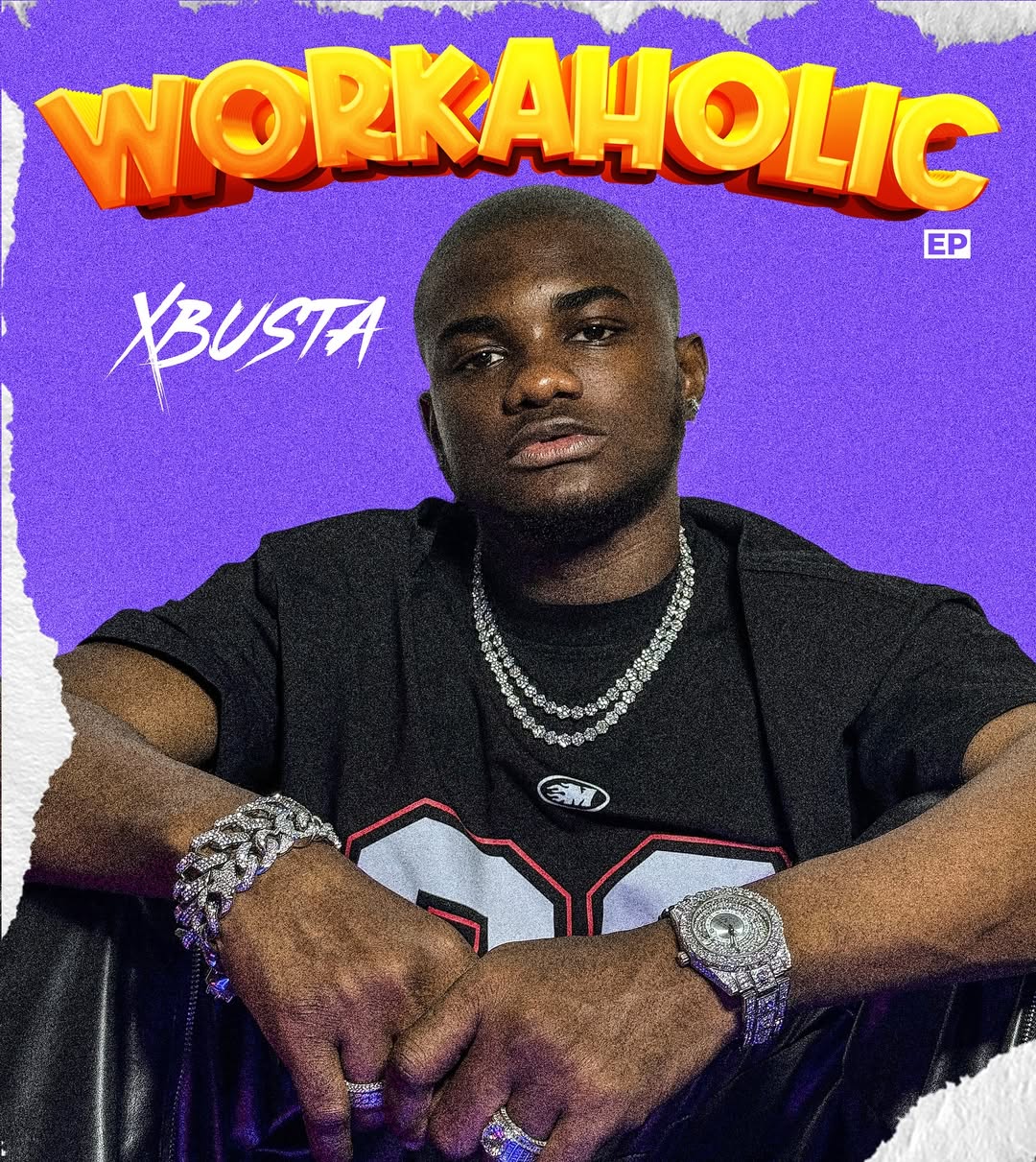
  • “Workaholic” Review: Xbusta Flaunts His Artistic Strengths on New EP
    Workaholic is a fantastic EP that slots seamlessly into Xbusta’s growing catalogue, standing as a testament to the kind of artiste he is right now. His strengths are fully on display, and there are few, if any, weak points to note. By Yinoluwa Olowofoyeku Okafor Golden Chinedu, known professionally as Xbusta, has been steadily building his profile in Nigeria’s music scene since his breakout in 2020 with the album Discovery. A Lagos-born, Imo State-raised artiste who studied Estate Management a
     

“Workaholic” Review: Xbusta Flaunts His Artistic Strengths on New EP

13 juin 2025 à 05:58

Workaholic is a fantastic EP that slots seamlessly into Xbusta’s growing catalogue, standing as a testament to the kind of artiste he is right now. His strengths are fully on display, and there are few, if any, weak points to note.

By Yinoluwa Olowofoyeku

Okafor Golden Chinedu, known professionally as Xbusta, has been steadily building his profile in Nigeria’s music scene since his breakout in 2020 with the album Discovery. A Lagos-born, Imo State-raised artiste who studied Estate Management at Imo State University, Xbusta first gained attention as a battle rapper before transitioning to singing; blending Hip-Hop, Afrobeats, Highlife, and Juju into a smooth, versatile sound. For a time, he was even signed to the Five Star Music Group but left in 2018 in the wake of departures by Skiibi and Harrysong. 

Following Discovery, his early singles like 2022’s “Big Body Benz” and “Every Girl’s Boyfriend” helped establish his melodic style, later receiving a high-profile remix featuring Ice Prince in 2023. That same year, he self-released his full-length sophomore album, Xuper Xtar Xtatus (XXX), a 13-track spread of Afro-Pop and Rap that featured guest spots from Majeeed, Lynox, Singah, Jaywillz, Lyta, Duncan Mighty, and Slowdog, showcasing his growth as both a lyricist and collaborator. 

Along the way, he has performed alongside heavyweight acts including Olamide, Phyno, MI, Davido, and 2Baba, sharpening his stage presence and cementing his versatility.

2024 saw him release standalone singles in “Work” and “Ma Pami” and now, Xbusta makes a pointed return in 2025 with his latest EP, Workaholic, a tightly packed four-track project clocking in at just over nine minutes.

Workaholic opens with “First Class”, a triumphant declaration of ambition underscored by bright gospel-style keys and rich, melancholic rhythm guitars. The sonic texture expands with synth flourishes and Afro-Piano percussion, an energetic fusion of Afrobeats’ clacking elements and Amapiano’s signature log drums and rattling shakers. 

It is a genre-melding canvas that immediately captures the project’s themes: hustle, sacrifice, and relentless drive. “I been dey hustle like no man’s business/ I keep it strong and I show no weakness/ And I do many things wey I no proud of/ I attack and I still play defence”, Xbusta proclaims, detailing the duality of his grind, both commendable and, at times, morally conflicted. 

Workaholic
Workaholic

The strong songwriting is elevated by his colourful melodic phrasing and brilliant use of group vocals, harmonies, and carefully placed ad-libs. It is a strong opener, sinking its hooks in musically and thematically, while setting a tone that balances motivation with introspection.

“Budget” flips the narrative of ostentatious Afrobeats bravado on its head, opting instead for a refreshing realism. Lively guitars lead the charge, backed by percussive Afrobeats drums and a steady groove. Xbusta walks the line between wit and wisdom as he sings, “Calm down calm down hypeman calm down o/ I no wan spend pass my budget o/ No dey overhype me/ Where my money stop na where person money start/ I no go overdo cuz I dey spend with sense”. 

The concept is sharp, relevant, and grounded, but while the message is compelling, the execution falters slightly in moments where the flow feels clumsy and the rhymes uneven. Still, Xbusta’s signature breezy vocal charm carries the song forward, bolstered by yet another standout use of backing harmonies and expert vocal layering. It may not be the most refined composition lyrically, but its playful honesty and catchy hook give it staying power.

On “Pawon”, synthetic strings interpolate the haunting melody of Billie Eilish’s “lovely”, but the song wastes no time shifting into its own up-tempo lane. With pounding Afrobeats kicks, steady log drums, and driving percussive motion, this track is the EP’s certified dancefloor entry. 

It is a party song that does not feel like an interruption to the narrative, but rather an extension, offering a moment to celebrate even amidst the hustle. “Eyy make that dough” the chorus chants with unrelenting energy, as Xbusta cheerleads for listeners chasing their bag. His pitch-shifted, high-energy hook is infectious, and the group vocals return once again as a crucial component in keeping the song lifted. “Pawon” plays like the motivational montage scene in the story of Workaholic.

Workaholic ends with “Love Language”, a return to emotional intimacy that blends romantic vulnerability with the ongoing theme of work. Sparkling pianos and gently strummed guitars sit atop percussion-heavy drums, creating a heartfelt atmosphere as Xbusta tells his partner, “I need to get this money/ That’s why I’m always working/ If I no get this money/ Na hunger wey go kill me and you for here”. 

Xbusta
Xbusta

The emotional weight lands because the writing is simple but vivid, delivering a story that many listeners, especially breadwinners in tight economic systems, will find deeply relatable. His vocal performance and masterful layering are, again, a highlight, but it is the clarity of intention, the realism in the lyricism, and the cohesion of theme that make this closer such a compelling finish to the tape.

Quality over quantity is the watchword on Workaholic. Concise in runtime but deliberate and deep in its thematic exploration, the EP presents a cohesive dive into Xbusta’s understanding of the titular workaholic; the motivations, limitations, introspections, questions, sacrifices, and rewards—all packed into bite-sized, energetic songs that are as fun to listen to as they are revealing. Beneath the breezy production, Xbusta drops poignant gems and memorable lines with remarkable clarity.

What elevates this effort is the songwriting. Except for a few clumsy rhyme schemes on “Budget”, the writing remains sharp, focused, witty, and strikingly relatable. Xbusta manages to touch on different facets of the hustler’s reality, both internal and external, without veering into judgment or self-pity. He simply documents and expresses, and does so with a refreshing honesty that invites empathy.

Of course, none of this would land without the stellar production values that run through the project. While each instrumental is carved from a similar sonic cloth, they are still distinct enough to offer fitting canvases for Xbusta’s voice. These are rich, percussive, groove-laden backdrops that retain space for expression, and he makes full use of it with gentle, assured delivery and a knack for sweet, consistent melodies. 

Workaholic
Workaholic tracklist

There isn’t a dull melodic moment to be found. His understanding of tone, voice, and musicality shines throughout, and is greatly enriched by the tasteful use of harmonies, group vocals, and ad-libs, each one engineered to elevate the emotion without ever becoming overwhelming. The mix is clean, deliberate, and spacious, allowing the performances to sit with clarity and impact.

Altogether, Workaholic is a fantastic EP that slots seamlessly into Xbusta’s growing catalogue, standing as a testament to the kind of artiste he is right now. His strengths are fully on display, and there are few, if any, weak points to note. The compact length means each song gets the attention it deserves, and the payoff is a project that feels crafted rather than compiled. It’s a compelling statement of intent and a sharp reminder that Xbusta is one to watch.

Lyricism – 1.5

Tracklisting – 1.5

Sound Engineering – 1.7

Vocalisation – 1.5

Listening Experience – 1.5

Rating – 7.7/10

Yinoluwa “Yinoluu” Olowofoyeku is a multi-disciplinary artist and creative who finds expression in various media. His music can be found across all platforms and he welcomes interaction on his social media @Yinoluu.

The post “Workaholic” Review: Xbusta Flaunts His Artistic Strengths on New EP first appeared on Afrocritik.

  • ✇Afrocritik
  • Afrocritik’s Weekly Music Spotlight: Amapiano Party
    Afrocritik’s Weekly Music Spotlight: Amapiano Party. By Yinoluwa Olowofoyeku  Hey there, rhythm riders. I hope you’re doing well and that your week has been a smooth groove so far. Last week, we turned up the heat with an Afrobeats Summer. But while the northern half of the continent basks in sunshine, the southern half is easing into winter. With school breaks just around the corner down south, we’re turning up the warmth the best way we know how: with an Amapiano Party. We’ve lined up a sizz
     

Afrocritik’s Weekly Music Spotlight: Amapiano Party

13 juin 2025 à 05:24

Afrocritik’s Weekly Music Spotlight: Amapiano Party.

By Yinoluwa Olowofoyeku 

Hey there, rhythm riders.

I hope you’re doing well and that your week has been a smooth groove so far. Last week, we turned up the heat with an Afrobeats Summer. But while the northern half of the continent basks in sunshine, the southern half is easing into winter. With school breaks just around the corner down south, we’re turning up the warmth the best way we know how: with an Amapiano Party.

We’ve lined up a sizzling mix of mellow grooves, bouncy tunes, and signature log drums to soundtrack the season—wherever you are. Be sure to follow us and check out the Monthly Spotlight for May, now live and ready for you. And as always, if you’re an artist—or know someone with music worth hearing—don’t hesitate to send submissions to yinoluu@afrocritik.com. We’re always listening, and the best gems will be spotlighted for all to see (and hear).

Now, without further ado, let’s get into the tracks lighting up our week in the form of:

GENTLE WARM-UPS: We begin with gentle motions and a few soft, steady tracks to ease you in. 

Ego” by Qing Madi is a beautifully powerful afro-inspired ballad that doubles as a soundtrack collaboration with Valorant; cinematic, elegant, and moving. On “How Do You?”, Amaeya pours heart into soft R&B-inspired afro-fusion, crafting a tender emotional bop. Ice Prince returns to form with “Only Son”, “Roots”, and “Shakur” from his new Starters album, a Hip-Hop homage laced with introspective bars and prime production from long-time collaborator, Chopstix.

Nairobi-based trio Brokoud offer “Kashata”, a groovy emotive Bongo Flava jam with just the right amount of dancefloor draw. And the Millymay World album from Sarz Academy graduate  Millymay_pod gives us “Right 4 U”, “Sleepover”, “Slack”, and “Fine Wine”, showcasing fine songwriting, fantastic beats, and melodies that refuse to sit still.

PARTY STARTERS: Things pick up from here! With the warm-up over these are the tracks that are going to get us moving. 

Spinall delivers “Want You” with help from Destin Conrad and JayO, a suggestive Afrobeats groove that brings bounce and mood. Crayon’s “Roju” keeps the dance pulse steady, while Tanzanian singer Abigail Chams impresses with “Hold Me”, a bright, energetic Afro-Swing-R&B fusion.

Dice Ailes gets the crowd moving with “One on One”, “Towa”, and “Oluwemawe” from the WIN EP,  pure Afro-Pop and Street-Hop energy, all hook, all heat. And Chocolate City artiste, Candy Bleakz, glides in with a slick, cocky effort on “Sinner”, basking in smooth Afrobeats attitude.

AMAPIANO PARTY: Now, the heart of the celebration. It’s Amapiano time! 

Cyfred & Sayfar deliver the goods with “Zimhlophe”, “Khumbule”, and “Thumela” off All I Wanted Was Love, coming across with mellow, emotional, soulful Amapiano backed by an all-star cast of vocal talent. Oskido’s Next Gen album gives us “Muntu Wam”, “I Belong To You”, “Izitha”, and “Mpulele”, each track driven by rich vocals and thick, textured beats. Vista’s Frequency project offers “Drive Me Crazy”, “Makukhanye”, and “Syacela Baba”, three expressive and addictive grooves.

Then we’ve got three soft, beautiful vocal tracks: “Wela Wela” by Caltonic, “Umusa” by Nobuhle, and “Izono Zami” by Rah Punzl, reminding us just how much soul the genre can carry. Rounding out the selection is The Parliament, a project by DrummeRtee924 and Deep 6, delivering “Next Game”, “Bassinet”, and “Mystery Project” which are instrumental-heavy, synth-driven, Gqom-touched Amapiano with deep club energy.

AFRO-HOUSE SPRINKLE: Before we wrap, we take a small but mighty dip into Afro-House. 

Mack Lean’s Mack Chapter 1 album shines with “Midnight Song”, “Messiah”, “Falling Down”, and “Heads Up”, blending spiritual lyricism with uplifting Afro-House energy. “Vuma Dlozi Lami” brings the meditative power of Issah Sisdoh and Ancestral Rituals, while Jazzworx and MaWhoo team up for “Uzizwa Kanjan”, a vibey, entrancing moment of Afro-House magic.

These are just a few standout moments from this week’s playlist — the full thing is stacked with gems, so make sure to dive in. We hope you enjoyed this genre-hopping departure from the usual, and we’d love to hear from you, especially if you have an Amapiano playlist of your own you’d like to share. 

If you’re a budding artist hoping to get featured, or if you’ve just stumbled across a sleeper hit that deserves more ears, don’t hesitate to drop me a line at yinoluu@afrocritik.com. Let’s keep the circle of discovery growing.

Wishing you a week filled with energy, joy, and all the music your soul can handle. Keep listening, keep dancing, and we’ll see you next week.

Warm regards,

Yinoluwa “Yinoluu” Olowofoyeku is a multi-disciplinary artist and creative who finds expression in various media. His music can be found across all platforms, and he welcomes interaction on his social media @Yinoluu.


The post Afrocritik’s Weekly Music Spotlight: Amapiano Party first appeared on Afrocritik.

  • ✇Afrocritik
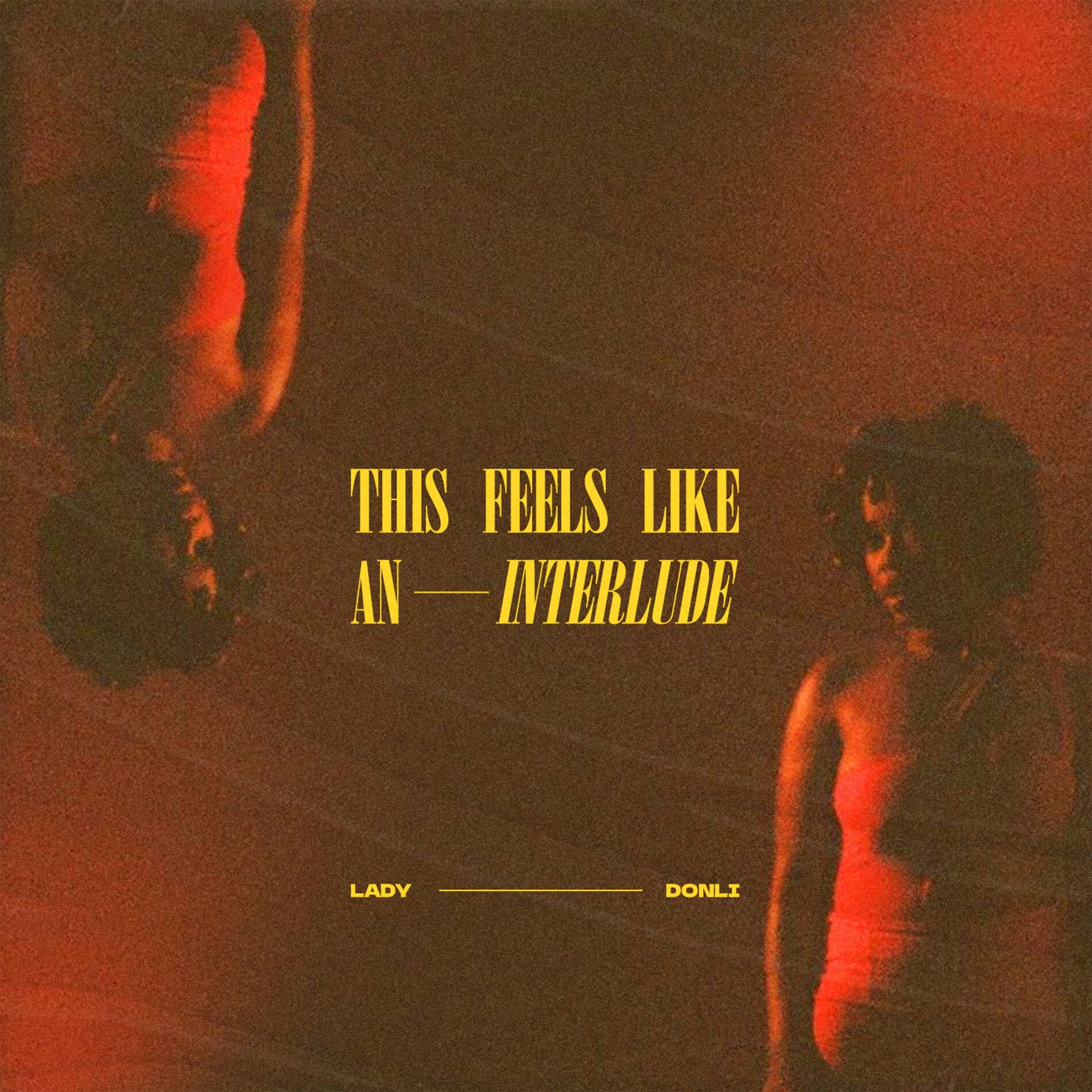
  • “This Feels Like An Interlude” Review: Lady Donli Explores Fragile Love on Inventive EP
    This Feels Like An Interlude is a project built on feeling, crafted to be felt, and Donli ensures the listener is submerged in it. By Yinoluwa Olowofoyeku Zainab Elizabeth Donli, better known as Lady Donli, has quietly grown into one of Nigeria’s most confident and versatile artists. Born in Cleveland in 1996 and raised between Abuja, Kaduna, and later the UK, she holds a law degree from the University of Surrey. That cross-cultural upbringing shaped her genre-blending sound, which draws from
     

“This Feels Like An Interlude” Review: Lady Donli Explores Fragile Love on Inventive EP

11 juin 2025 à 11:17

This Feels Like An Interlude is a project built on feeling, crafted to be felt, and Donli ensures the listener is submerged in it.

By Yinoluwa Olowofoyeku

Zainab Elizabeth Donli, better known as Lady Donli, has quietly grown into one of Nigeria’s most confident and versatile artists. Born in Cleveland in 1996 and raised between Abuja, Kaduna, and later the UK, she holds a law degree from the University of Surrey.

That cross-cultural upbringing shaped her genre-blending sound, which draws from Alternative R&B, Neo-Soul, Alté, Afrobeat, Jazz, and Highlife. A key figure in Nigeria’s Alté movement, she first gained attention around 2014 before riding her newfound wave with her EP, Letters to Her, in 2017, and her critically acclaimed debut studio album, Enjoy Your Life, in 2019. That project fused Afro-Pop and retro soul into a confident, cosmopolitan sound that helped define the rising wave of self-styled Nigerian alternative music.

Lady Donli’s fearless collaborations with artists like Odunsi (The Engine), Tems, Amaarae, and her performance for COLORSxSTUDIOS have all demonstrated her ability to move fluidly between soulful ballads, jazzy experiments, and infectious Afro-inflected grooves. Following her 2023 album, Pan African Rockstar, and a globe-spanning tour that reached Europe, North America, and several African countries, she now returns with a new EP titled This Feels Like An Interlude. It is the first of three planned releases for 2025 and serves as both a continuation of her genre-fusing ethos and a moment of introspection within her evolving Alté-Indie framework.

This Feels Like An Interlude opens with “Keep On Loving Me (Biko Biko)”, a vibrant yet emotionally uncertain piece that blends reflective guitars with a genre-melting, groovy drum arrangement. The lyrics, “So many fish in the sea but I still choose you, I know you dey for me cause I dey for you”, establish a longing and committed tone, only for the vulnerability to surface through the repeated question, “Will you keep on loving me? Can you keep on loving me?”, as she recounts the instability of a waxing and waning romance.

This Feels Like An Interlude

Lady Donli’s reverbed vocal performance is soaked with feeling, supported by Yinka Bernie’s lush instrumental palette, which brings together Rock-style electric guitar power chords and bass synths, lively Afrobeat brass reminiscent of Fela’s arrangements, and rhythm guitars that trade melodies with her vocals. Metallic percussions are sprinkled across the stereo field, giving the track a vibrant sense of movement.

“Supposed 2 Do” follows with brevity and punch, opening with a thrilling drum barrage reminiscent of Amerie’s “1 Thing”. Lady Donli immediately presents the emotional thesis, singing, “Okay okay okay okay okay, you love me, now what? What am I supposed to do?”, cutting to the core of a post-breakup haze where love alone is no longer enough. The instrumental evolves to adopt a Dancehall-tinged groove with synthetic bass and warbled synth stabs, perfectly matching her detachment as she distances herself from a relationship that no longer serves her.

On “I No Know”, the energy shifts into a tender reflection, with Rock guitars and intricate, genre-defying syncopation charged with Afrobeats rhythms. Donli’s vocal delivery is gentle, sitting somewhere between singing and spoken word as she confesses uncertainty: “I no know if you still love me, oh baby, I see you in my dreams, I no know how e go be, oh baby, do you still love me?” The themes of emotional doubt echo the opener. While the melody remains on the safer side, the track’s impact comes from its narrative continuity and affective atmosphere, carried by layered harmonies and restraint.

Lady Donli
Lady Donli

The closing track, “Time Heals”, brings a sense of resolution. Here, Donli fully accepts the dissolution of the relationship, posing introspective questions over subdued Afro-tinged percussions and phasing synths. “Time heals all wounds, but I don’t see myself healing any time soon”, she admits, her vocals grounded in pain and clarity. Distorted guitar runs and a rumbling bassline build a darker sonic base, with her signature Alté sensibility saturating the arrangement. The track closes the emotional loop of This Feels Like An Interlude, moving from longing to detachment, confusion to resignation, and ultimately, emotional honesty.

The title This Feels Like An Interlude feels especially apt, with the project wrapping in just under seven minutes across four songs. Yet what it lacks in length, it more than makes up for in depth. Lady Donli dives headfirst into a tightly focused emotional arc, unravelling the uncertainty, self-doubt, and confusion often accompanying fragile love. 

Impressively, she achieves this without leaning on ornate lyricism or complex melodic structures; instead, she simplifies the emotional communication, allowing the atmosphere to shoulder the narrative weight. 

That atmosphere is crafted with surgical precision through rich, genre-blurring production and thoughtful engineering, yielding a soundscape soaked in the same tension, movement, and variation that mark the relationship she’s singing about. The sonic palette is a melting pot featuring Funk, Afrobeats, Rock, Dancehall, and Alté ingredients. 

This Feels Like An Interlude
This Feels Like An Interlude tracklist

Expertly combined by Yinka Bernie and JMS, it all simmers into one potent stew of tone and feeling, creating the ideal vessel for Donli’s voice. Her vocal delivery isn’t overly technical or showy; rather, it thrives in its honesty, its vulnerability, and its plainspoken emotional clarity. 

This Feels Like An Interlude is a project built on feeling, crafted to be felt, and Donli ensures the listener is submerged in it. Its brevity lends it the appearance of a singular continuous tale that can be conveniently looped and replayed, which is fitting for a story about a love caught in stasis. And true to its title, it plays like an interlude in a larger romantic journey. In this way, This Feels Like An Interlude lives up to its name, not only thematically, but perhaps structurally within Lady Donli’s discography too, serving as an evocative pause that hints at more to come, and leaves us eager for what that might be.

Lyricism – 1.4

Tracklisting – 1.5

Sound Engineering – 1.6

Vocalisation – 1.3

Listening Experience – 1.4

Rating – 7.2/10

Yinoluwa “Yinoluu” Olowofoyeku is a multi-disciplinary artist and creative who finds expression in various media. His music can be found across all platforms and he welcomes interaction on his social media @Yinoluu.

The post “This Feels Like An Interlude” Review: Lady Donli Explores Fragile Love on Inventive EP first appeared on Afrocritik.

❌