Vue normale

Reçu avant avant-hier
  • ✇Afrocritik
  • AMVCA 2025: What Are We Really Celebrating?
    Does the AMVCA reflect the true diversity and excellence of African cinema, or does it merely reward the loudest voices in the room? By Joseph Jonathan  The 11th edition of the Africa Magic Viewers’ Choice Awards (AMVCA), held on May 10th, 2025, in Lagos, was, as always, a spectacle of fashion, fame, and celebration. Over the years, the AMVCA has become the most recognisable award ceremony for film and television in Nigeria and indeed, all of Africa.  But beneath the glitz and glamour lies a r
     

AMVCA 2025: What Are We Really Celebrating?

12 mai 2025 à 13:49

Does the AMVCA reflect the true diversity and excellence of African cinema, or does it merely reward the loudest voices in the room?

By Joseph Jonathan 

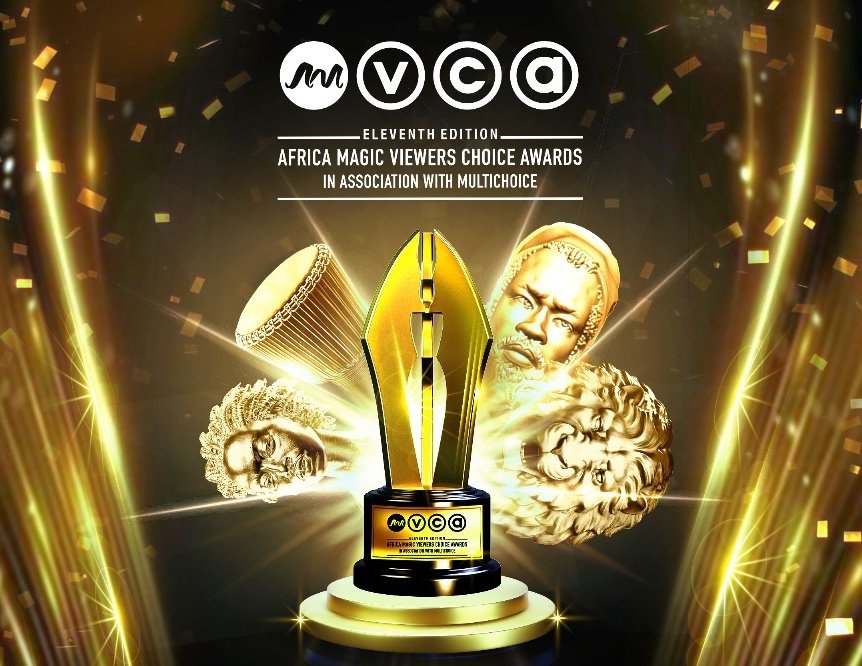
The 11th edition of the Africa Magic Viewers’ Choice Awards (AMVCA), held on May 10th, 2025, in Lagos, was, as always, a spectacle of fashion, fame, and celebration. Over the years, the AMVCA has become the most recognisable award ceremony for film and television in Nigeria and indeed, all of Africa. 

But beneath the glitz and glamour lies a recurring question: how effectively does the event honour the artistic and technical excellence it claims to celebrate? This year’s ceremony once again stirred applause, raised eyebrows, and reignited long-standing concerns about credibility and direction.

AMVCA
AMVCA

Production-wise, the event delivered what one has come to expect: sleek stage design, well-lit red carpet moments, live music performances, a soulful in memoriam segment, and a meticulous flow of segments that reflect the polish of a MultiChoice–backed show. Impressively, the show began right on schedule at 7pm, which is a rarity for many Nigerian events and a mark of growing professionalism.

IK Osakioduwa, the show’s long-time host, brought his usual energy and charisma, and made jokes that took jabs at guests, occasionally dipping into uncomfortable territory. 16-year-old co-host, David Oke, was a refreshing addition to the night, bringing sincerity and youthful presence to the stage. Together, they had a decent rapport, delivering some of the most engaging moments of the night.

However, despite the overall polish, there were cracks beneath the surface. The stage management was not always at its best, from technical issues like obvious teleprompter glitches disrupting the smoothness of the speeches delivered by those who presented the awards, to presenters forgetting to announce the winner of what should have been the second biggest award of the night. 

Moreso, the decision to introduce a talking parrot as a time regulator for acceptance speeches fell flat. Intended as a quirky device, the parrot’s loud interjections—often poorly timed—came across as corny and tacky, breaking the emotional rhythm of acceptance speeches rather than keeping them succinct.

For all its branding as a celebration of African storytelling, the AMVCA has increasingly leaned into celebrity and fashion culture. This year was no different. More social media content circulated about who wore what than who won what. While glamour has its place, this imbalance contributes to the perception that the awards are more a lifestyle event than a cinematic one.

This perception may or may not have something to do with the glaring absence of at least half of the night’s winning actors and filmmakers, depriving the audience of the heartfelt speeches that make award events worth watching. In the acting categories, the Best Lead Actress and Best Supporting Actor had representatives pick up their awards. The Best Director did not make it, neither did the producers who won Best Movie and Best Scripted Series. 

That leads us to the bigger question of the credibility of the awards itself. As expected, outcomes this year were a mixed bag. Lisabi: The Uprising which was the most nominated film on the night (ten), emerged as a dominant force, sweeping awards for Best Art Direction, Best Makeup, and Best Indigenous Language Film (West Africa). 

Lisabi: The Uprising

Lisabi: The Uprising is easily one of the most divisive Nollywood films from last year, as audiences can’t seem to agree on its merits. However, it is important to note that when conversations about the awards wins are brought up, it is usually within the context of other nominated films. Hakeem Effect won Best Makeup for Lisabi: The Uprising, but considering the fact that his makeup work in two other projects (Aníkúlápó: Rise of the Spectre and Seven Doors) were also nominated in the same category, one begins to wonder if indeed his best work won. 

I had planned to write a whole paragraph explaining why I think Seven Doors should have won the Best Indigenous Language Film (a category that features both film and series nominations) until I recalled it was an audience voting category. Nevertheless, the AMVCA can at least explain what that category really is about. 

AMVCA
Seven Doors

Are audiences voting for the best use of an indigenous language in a film or the best film in an indigenous language? 

In the Best Scripted Series category, Clarence Petersʼ Inside Life clinched the award, and it is difficult to understand why. While the show had promise and started out well, it took a nosedive from around the third episode. In a category that had better written shows like Seven Doors, Princess on a Hill, and ChetaʼM, the credibility of Inside Lifeʼs win is questionable. For a category decided by the jury, it seems as though they were looking to spread award wins rather than just reward cinematic excellence. 

What does the Trailblazer Award mean, and how does its recipient get decided? These have been the questions on my mind since Kayode Kasum clinched the award on Saturday night. Like most viewers, I struggle to understand the rationale for awarding Kasum with the award because the last time a director (C. J. “Fiery” Obasi) won it in 2015, he had just a debut feature to his name. 

Kayode Kasum
Kayode Kasum

Kasum, on the other hand, has been in the industry for almost a decade with over 20 films credited to him as director. When you look at past winners of the award, it is understandable why audiences liken it to the Headies Next Rated, hence the confusion over Kasum’s win. 

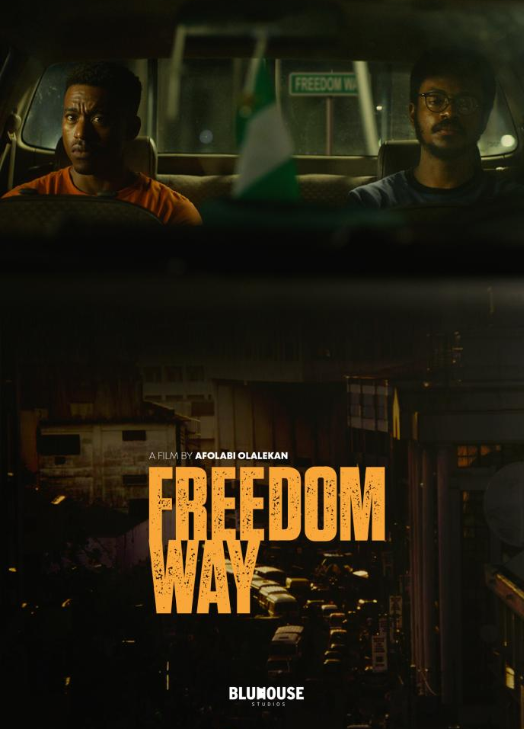
In what was the larger joys of the night, Freedom Way deservedly won Best Movie and Best Writing (Movie), but it begs the question: how did the best movie get only one acting nomination (Best Supporting Actor), no directing nomination, and only two nominations in the technical categories (Sound/Sound Design and Score/Music)?

Freedom Way
Freedom Way

There is also the question of representation for non-Nigerian films. A Tanzanian series, Wa Milele?, won Best Unscripted Series while a Kenyan series, Untying Kantai, took home Best Writing (Series). South African film, Inkabi, picked up the award for Best Editing, and it is not surprising, considering that many of Nollywood’s big budget projects rely on their South African counterparts for post-production expertise. 

Yet, there is a sense that the continued underrepresentation of Francophone, Lusophone, and North African cinema (especially in the major categories) undermines the supposed ‘continental’ feel of the AMVCA. While there were token nods to South African and Kenyan entries in the major categories, there is almost no expectation for these films to win their categories as the overall flavour remains predominantly Nigerian and Anglophone.

It’s worth asking: does the AMVCA reflect the true diversity and excellence of African cinema, or does it merely reward the loudest voices in the room? The answer is complicated. 

On one hand, it offers a rare platform for African filmmakers to be seen, validated, and celebrated on a regional stage. On the other hand, the curation of nominees often leaves much to be desired and reflects biases of platform affiliation, language, and proximity to Lagos, the de facto capital of African entertainment. 

Despite what anyone thinks or feels about the AMVCA, one truth remains—that it reflects the aspirations of an industry still wrestling with its identity, value systems, and place in the global film conversation.

Joseph Jonathan is a historian who seeks to understand how film shapes our cultural identity as a people. He believes that history is more about the future than the past. When he’s not writing about film, you can catch him listening to music or discussing politics. He tweets @JosieJp3.

The post AMVCA 2025: What Are We Really Celebrating? first appeared on Afrocritik.
  • ✇Afrocritik
  • 10 Celebrities Who Slayed the 2025 AMVCA Cultural Day
    Every individual at the AMVCA Cultural Day stunned in their traditional attire, turning the event into a visual feast and a captivating journey through the rich and diverse cultures of Nigerian traditions.  Abioye Damilare Samson Few days after our African music stars and designers made an indelible statement at the 2025 MET Gala with bold, unapologetic African style gracing the red carpet, Nollywood’s brightest stars and content creators took to the spotlight with their own regal and traditio
     

10 Celebrities Who Slayed the 2025 AMVCA Cultural Day

12 mai 2025 à 07:36

Every individual at the AMVCA Cultural Day stunned in their traditional attire, turning the event into a visual feast and a captivating journey through the rich and diverse cultures of Nigerian traditions. 

Abioye Damilare Samson

Few days after our African music stars and designers made an indelible statement at the 2025 MET Gala with bold, unapologetic African style gracing the red carpet, Nollywood’s brightest stars and content creators took to the spotlight with their own regal and traditional elegance on May 9th, during the AMVCA Cultural Day celebrations. 

The event, held ahead of the grand finale awards ceremony, was an unforgettable display of cultural elegance, with each attendee embodying the essence of African heritage through thoughtfully curated traditional attire.

AMVCA Cultural Day
AMVCA

It’s a rare sight to witness a night like this where nearly no one falls short of bringing their A-game in cultural fashion. Every individual stunned in their traditional attire, turning the event into a visual feast and a captivating journey through the rich and diverse cultures of Nigerian traditions. 

Among the night’s most captivating figures, Prince Nelson, the actor, model, and former Mr Nigeria 2018, and Liquorose, dancer and actress, emerged as Best Dressed Male and Female, respectively, with their outfits embodying grace, royalty, and cultural pride.

Here, we spotlight some of the celebrities who truly slayed the 2025 AMVCA Cultural Day with their timeless, royal, and traditional outfits that honour the cultural heritage that binds us all.

Liquorose

Nigerian dancer, actress, and Big Brother Naija Season 6 first runner-up, Roseline Afije, widely known as Liquorose, is no stranger to commanding attention with her style. Renowned for her elegant fashion choices and fearless flair, she once again proved her fashion finesse at the AMVCA Cultural Day. 

AMVCA Cultural Day
Liquorose

Crowned Best Dressed Female of the night, Liquorose dazzled in a richly adorned, peacock-inspired gown that fused opulence with cultural pride. Styled by Prudential Styling, her look was elevated by layers of coral beads and a striking burnt orange headpiece, capturing the essence of royalty, confidence, and creativity.

Uzoamaka Aniunoh

Nigerian actress, Uzoamaka Aniunoh, also known as Uzoamaka Power, has been causing quite the stir on social media, particularly on X (formerly Twitter), and rightfully so. For the AMVCA Cultural Day, she turned heads with a striking homage to tradition. Dressed in an elegant August Meeting-inspired ensemble, Uzoamaka paired a vintage Kirikiri star Igbo wrapper with a crisp white blouse, creating a perfect balance of modern refinement and cultural richness. 

AMVCA Cultural Day
Uzoamaka Aniunoh

Her red headscarf and matching handbag added a bold pop of colour, paying tribute to the iconic women of the ‘August Meeting’ and, more broadly, to the resilience and beauty of Eastern Nigerian women. 

Yemi Cregx

Nigerian fashion influencer and actor, Yemi Cregx, made an unforgettable entrance at the AMVCA Cultural Day, delivering one of the most awe-inspiring looks of the night. Dressed in full Yoruba Agbada regalia, he exuded an air of royalty so powerful that one might have mistaken him for the king of a Yoruba kingdom. 

AMVCA Cultural Day
Yemi Cregx

His outfit was a regal masterpiece, complete with a conical bead crown, a beaded staff, and a finely crafted fly whisk. Every detail of Yemi’s look paid tribute to the majestic elegance of Yoruba tradition, making him a true embodiment of cultural heritage.

Prince Nelson Enwerem 

Nigerian model, actor, and former Mr. Nigeria, Prince Nelson Enwerem, truly earned his title as Best Dressed Male of the AMVCA Cultural Day, and it was well-deserved. Styled by BlackAdudu, he exuded nothing short of regality in his meticulously embroidered attire, which paid a profound tribute to Benin culture. 

Prince Nelson Enwerem

His look featured a beaded red cap adorned with feathers, alongside a ceremonial robe rich in intricate beadwork, each element holding deep cultural significance. 

Lateef Adedimeji

One of Nollywood’s brightest stars, Lateef Adedimeji, stood tall at this year’s AMVCA with an impressive ten nominations that serves as a proof to his talent and impact in film. But beyond the awards buzz, his appearance at the Cultural Day was one of the evening’s most memorable moments. Paying homage to the Hausa culture, Lateef stepped out in a look fit for royalty. 

Lateef Adedimeji
Lateef Adedimeji

He wore a majestic blue babariga embroidered with gold detailing, layered with a flowing blue Rawani turban, and carried a staff of office that sealed the look with black shades that added a touch of contemporary cool. 

Faith Morey

Nigerian-American model, entrepreneur, and reality TV star, Faith Morey, brought regal elegance to the AMVCA Cultural Day with a look that effortlessly blended tradition and high fashion. Dressed in a striking red and blue feathered gown, adorned with traditional neck beads and a bold blue head tie, she embodied a seamless blend of modern glamour and cultural richness.  

Faith Morey
Faith Morey

Designed by Amy Aghomi, the creative force behind looks for celebrities like Davido, the ensemble captured Faith’s commanding presence while honoring cultural aesthetics with flair and finesse.

VJ Adams

Nigerian television presenter and entrepreneur, Adams Ibrahim Adebola, popularly known as VJ Adams, made a bold cultural statement as the red carpet host of the AMVCA Cultural Day. Draped in a regal wine-colored Agbada embroidered with elegant black patterns, he exuded the poise of a modern-day chief. 

VJ Adams
VJ Adams

His ensemble was perfectly complemented by a matching wine-and-black cap, sleek black shades, gold-chained loafers, and a traditional priest’s staff that added a layer of ancestral reverence. 

Stan Nze

The Isiagu, also known as the Chieftaincy attire, is a symbol of prestige and pride among the Igbo people, and Nollywood actor, Stan Nze, wore it with commanding grace at the AMVCA Cultural Day. He stepped out in a deep blue wool base layered with a classic red Isiagu cloth, accessorised with a striking red fez cap adorned with feathers and traditional long beads cascading around his neck. 

Stan Nze
Stan Nze

Speaking to Afrocritik on the red carpet, he shared, “I’m a very cultural person. Everybody that knows me knows that I am a representation of the Igbo culture, and then the culture generally”.  

Olivia Chioma Okoro

Actress and former Big Brother Titans housemate, Olivia Okoro, lit up the AMVCA Cultural Day with a look that was as radiant as it was rooted in heritage. Dressed in a traditional red, fully beaded gown adorned with cowries and a matching red head tie, she paid homage to her cultural roots with striking elegance.

Olivia Chioma Okoro
Olivia Chioma Okoro

Born in Kano, Olivia used the moment to celebrate her heritage by captioning her AMVCA Cultural Day post: “Embracing the beauty of my roots”. 

Saga

Nigerian actor, reality TV star, and fashion enthusiast, Adeoluwa Okusaga, fondly known as Saga, once again proved his flair for standout style at the AMVCA Cultural Day. Dressed in a rich chocolate wool Agbada, Saga exuded effortless confidence and class. 

Saga
Saga

His look was elevated with a traditional staff, which added a touch of authority and elegance to his already commanding presence. 

Abioye Damilare is a music journalist and culture writer focused on the African entertainment Industry. Reading new publications and listening to music are two of his favourite pastimes when he is not writing. Connect with him on Twitter and IG: @Dreyschronicle

The post 10 Celebrities Who Slayed the 2025 AMVCA Cultural Day first appeared on Afrocritik.

  • ✇Afrocritik
  • “Seven Doors”, “Inside Life”, “Freedom Way” Clinch Major 2025 AMVCA Honours + Full List of Winners
    Freedom Way and Clarence Peters’ Inside Life took home the biggest awards of the night, despite winning only two awards each, while Lisabi: The Uprising and Seven Doors, the most nominated projects, were the most awarded with only three awards each. By Vivian Nneka Nwajiaku It was a night of single wins and the occasional double or triple win at the 2025 Africa Magic Viewers’ Choice Awards (AMVCAs), which returned for its eleventh edition in Lagos on Saturday, 10th May. Freedom Way and Clarenc
     

“Seven Doors”, “Inside Life”, “Freedom Way” Clinch Major 2025 AMVCA Honours + Full List of Winners

11 mai 2025 à 05:38

Freedom Way and Clarence Peters’ Inside Life took home the biggest awards of the night, despite winning only two awards each, while Lisabi: The Uprising and Seven Doors, the most nominated projects, were the most awarded with only three awards each.

By Vivian Nneka Nwajiaku

It was a night of single wins and the occasional double or triple win at the 2025 Africa Magic Viewers’ Choice Awards (AMVCAs), which returned for its eleventh edition in Lagos on Saturday, 10th May.

Freedom Way and Clarence Peters’ Inside Life took home the biggest awards of the night, despite winning only two awards each, while Lisabi: The Uprising and Seven Doors, the most nominated projects, were the most awarded with only three awards each.

A debut feature by director Afolabi Olalekan, produced by Blessing Uzzi, Freedom Way won the coveted Best Movie in addition to Best Writing in a Movie, while Clarence Peters’ Inside Life won Best Scripted Series and one acting category (Best Supporting Actor).

Freedom Way
Freedom Way

Tanzanian series, Wa Milele? was awarded Best Unscripted Series but lost its second nomination for Best Indigenous Language Film (East Africa) to Kenya’s Makosa Di Tangu which was one of two wins for Abel Mutua Musyoka—Best Writing in a TV Series for Untying Kantai and Best Indigenous Language Film (East Africa) for Makosa Di Tangu.

Lisabi: The Uprising earned the most nominations of all films represented at the awards, ten in total including Best Movie, but left with the awards for Best Indigenous Language Film (West Africa), Best Art Director, and Best MakeUp, with Hakeem Effect beating his own makeup work in two other projects (Aníkúlápó: Rise of the Spectre and Seven Doors) for which he was nominated in the same category.

Seven Doors, the most nominated project overall, with eleven nods including Best Scripted Series, won the two lead acting categories as well as Best Score/Music.

Awam Amkpa was named Best Director for The Man Died, the film’s only win out of two nominations, the other being Best Art Director which it lost to Lisabi: The Uprising.

In the acting categories, Femi Adebayo and Chioma Chukwuka were named Best Lead Actor and Best Lead Actress respectively for their performances in Seven Doors. Gabriel Afolayan won Best Supporting Actor for Clarence Peters’ Inside Life while Mercy Aigbe won Best Supporting Actress for Farmer’s Bride, the film’s only award of the night.

AMVCA
Inside Life

Despite receiving eight nods, Skeleton Coast failed to clinch any award; neither did The Weekend, which won the awards for Best Film, Achievement in Cinematography, and Achievement in Screenplay at the Africa Movie Academy Awards (AMAA) late in 2024. Mai Martaba, Nigeria’s submission to the Oscars in 2024, also left with no award.

Other than  Freedom Way, Clarence Peters’ Inside Life, Lisabi: The Uprising, and Seven Doors, other successful contenders in major categories left with one award each. Suspicion took home Best Sound, Christmas in Lagos Best Costume Design, and Inkabi Best Editing. The Legend of the Vagabond Queen of Lagos and Untying Kantai won their only nominations, Best Cinematography and Best Writing in a Series, respectively.

AMVCA
AMVCA

Finally, in the AMVCA flagship categories, Iyo Prosper Adokiye was named Best Digital Content Creator for We Listen We Don’t Judge (Bible Edition), director Kayode Kasum was named

AMVCA 2025 Trailblazer, and both Nkem Owoh and Sani Mu’azu were awarded the Industry Merit Award. 

Below is the full list of nominations.

Best Movie

Lisabi: The Uprising (Adedimeji Lateef and Adebimpe Oyebade Adedimeji)

Skeleton Coast (Rogers Ofime, Panashe Daringo and Charles Okpaleke)

Suspicion (Tosin Igho)

Inkabi (Princess Mhlongo)

House of Ga’a (Bolanle Austen-Peters and Joseph Umoibom)

Freedom Way (Blessing Uzzi) (WINNER)

Christmas in Lagos (Jadesola Osiberu)

Farmer’s Bride (Kene Okwuosa, Craig Shurn and Ladun Awobokun)

Best Series (Scripted)

Clarence Peters’ Inside Life (Clarence Peters) (WINNER)

Seven Doors (Femi Adebayo)

Princess on a Hill (Chuka Ejorh, Shayo Oke Sobo, Tolu Ajayi, and Abiola Sobo)

Cheta’M (James Omokwe)

Roses & Ivy (Biodun Stephen)

Best Series (Unscripted)

Style Magnate (Abisola Omolade)

Skillers (The Builders Show) (Bright Jaja, Uche Ikejimba, and Cross Okonkwo)

Ebuka Turns Up Africa (Ebuka Obi-Uchendu, Erika Klopper, Ziyanda Ngcaba, and Olamide Ayodeji Adedeji)

Wa Milele? (Forever) (Kefa Igilo and Jerryson Onasaa) (WINNER)

Uzoamaka Tries Palmwine (Chinekwu Osakwe and Kennedy Ezumah)

Best Director

Robert O. Peters, Skeleton Coast

Norman Maake, Inkabi

Bolanle Austen-Peters, House of Ga’a

Awam Amkpa, The Man Died (WINNER)

Daniel Emeka Oriahi, The Weekend

Femi Adebayo, Adebayo Tijani, Tope Adebayo, Seven Doors

Best Lead Actor

Gideon Okeke, Tòkunbò

Bucci Franklin, The Weekend

Femi Branch, House of Ga’a

Thapelo Mokoena, Skeleton Coast

Bimbo Manuel, Princess on a Hill

Stan Nze, Suspicion

Femi Adebayo, Seven Doors (WINNER)

Adedimeji Lateef, Lisabi: The Uprising

Best Lead Actress

Chioma Chukwuka, Seven Doors (WINNER)

Gbubemi Ejeye, Farmer’s Bride

Uzoamaka Onuoha, Agemo

Uche Montana, Thinline

Uzoamaka Aniunoh, Phoenix Fury

Hilda Dokubo, The Uprising: Wives on Strike 3

Bimbo Ademoye, Aníkúlápó: Rise of the Spectre

Best Supporting Actor

Gabriel Afolayan, Clarence Peters’ Inside Life  (WINNER)

Adedayo “Macaroni” Adebowale, Lisabi: The Uprising

Aliu Gafar, Seven Doors

Femi Jacobs, Freedom Way

Richard Mofe-Damijo, Christmas in Lagos

Uzor Arukwe, Suspicion

Mike Afolarin, House of Ga’a

Efa Iwara, Princess on a Hill

Best Supporting Actress

Meg Otanwa, Clarence Peters’ Inside Life

Tina Mba, Suspicion

Ireti Doyle, All’s Fair in Love

Ini Dima-Okojie, Skeleton Coast

Mercy Aigbe, Farmer’s Bride (WINNER)

Omoni Oboli, The Uprising: Wives on Strike 3

Darasimi Nadi, Aburo 

Best Writing (Movie)

The Weekend (Egbemawei Dimiyei Sammy, Vanessa Kanu, and Frederick O. Anyaebunam Jr.)

Skeleton Coast (Omolola Lamikanra)

Freedom Way (Blessing Uzzi) (WINNER)

Phoenix Fury (Ifeoma N. Chukwuogo)

A Ghetto Love Story (Victoria Eze)

House of Ga’a (Tunde Babalola)

Christmas in Lagos (Jadesola Osiberu)

Best Writing (TV Series)

Untying Kantai (Abel Mutua Musyoka) (WINNER)

Tuki? (Mercy Mutisya)

Roses & Ivy (Biodun Stephen and Abimbola Akinrinbola)

Cheta’M (Ifeanyi Chidi Barbara)

Seven Doors (Adebayo Tijani, Yinka Laoye, and Soyombo-Oluyombo Oluwagbemiga)

Aníkúlápó: Rise of the Spectre (Shola Dada)

Princess on a Hill (Bibi Ukpo, Niyi Adeniji and Sonia Nwosu)

Best Cinematography

Yen Ara Asaase Ni (This Is Our Land) (Onasis Gaisie, Michael Sefa and Apagnawen Annankra)

Inkabi (Chuanne Blofield)

The Legend of the Vagabond Queen of Lagos (Leo Purman) (WINNER)

Skeleton Coast (Wesley Johnston)

Soft Love (Ebrahim Hajee)

Lisabi: The Uprising (Barnabas Emordi and Nora Awolowo)

Agemo (Papama Tangela)

Best Editing

Inkabi (Tongai Furusa) (WINNER)

Christmas in Lagos (Martini Akande)

Skeleton Coast (Jordan Koen)

Soft Love (Holmes Awa and Paballo Modingoane)

Lisabi: The Uprising (Ayomikun Oteju)

Princess on a Hill (Laughter Ephraim and Peter Ugbede)

Best Costume Design

Aníkúlápó: Rise of the Spectre (Toyin Ogundeji)

House Of Ga’a (Bolanle Austen-Peters, Yolanda Okereke, Juliana Dede, and Gloria Ovu)

Lisabi: The Uprising (Oluwatoyin Balogun and Oyebade Adebimpe Adedimeji)

Phoenix Fury (Opeyemi Sogeke)

Christmas in Lagos (Adedamola Adeyemi) (WINNER)

Best Makeup

Aníkúlápó: Rise of the Spectre (Hakeem Onilogbo – Hakeem Effect)

Lisabi: The Uprising (Hakeem Onilogbo – Hakeem Effect) (WINNER)

Seven Doors (Hakeem Onilogbo – Hakeem Effect)

Farmer’s Bride (Abejide Oluwatosin Mercy)

Clarence Peters’ Inside Life (Kpoudosu Winifred)

Suspicion (Tracy Izogie, Adeleke Toluwalashe Maigari, Abisoye Balogun and Oby Kinika)

Best Score/Music

Inkabi (Seoli Bongani Mashaba)

Freedom Way (Ahuurra Andrew, Kehinde ‘Louddaaa’ Alabi, and Cobhams Asuquo

Seven Doors (Tolu Obanro) (WINNER)

Soft Love (Kolade Morankinyo – “MPSE” and Efa Iwara – “Love and Hate”)

Skeleton Coast (Chris Letcher)

Best Sound/Sound Design

Inkabi (Vaughn Philips)

Seven Doors (Tolu Obanro, Pius Fatoke and Adam Songbird)

Freedom Way (Ahuurra Andrew and Olushola Wilson)

Lisabi: The Uprising (Tolu Obanro and Bode Odeyemi)

Ajakaju: Beast of Two Worlds (Adam Songbird, Pius Fatoke and Tolu Obanro)

Suspicion (Michael Botha, Olaosebikan Okonrende and Dil Chike Ajufo) (WINNER)

Best Art Director

Aníkúlápó: Rise of the Spectre (Kunle Afolayan and Soliu Quadri Afolabi)

Christmas In Lagos (Joy Kadiri)

Farmer’s Bride (Daniel Okoi)

Seven Doors (Tunji Afolayan)

The Man Died (Theo Lawson)

Lisabi: The Uprising (Soliu Badu Noutical and Ayanmo Yakub) (WINNER)

Best Indigenous Language Film (West Africa) – Audience Voting

Seven Doors (Femi Adebayo)

Lisabi: The Uprising (Adedimeji Lateef and Adebimpe Oyebade Adedimeji (WINNER)

Kaka (Prince Daniel)

Aníkúlápó: Rise of the Spectre (Kunle Afolayan)

Mai Martaba (Prince Daniel)

Best Indigenous Language Film (East Africa) – Audience Voting

The Caller (Brian Munene)

Makosa Di Tangu (Abel Mutua Musyoka) (WINNER)

Sabotage (Humphrey Nabimanya and Mathew Nabwiso)

Wa Milele? (Kefa Hussein Igilo and Jerryson Onasaa)

The Empty Grave (Cece Mlay and Agnes Lisa Wegner)

Best Indigenous Language Film (Southern Africa) – Audience Voting

Walvis Tale (Tim Huebschle and David Benade)

The Vow (Elvis Chuks)

Mwizukanji (Cosmas Ng’andwe) (WINNER)

Man of Gold (Emmanuel Mwape)

Lukas (Philippe Talavera)

Best Short Film – Audience Voting

Sukari (Omar Hamza)

Brukaci (Jide JBlaze Oyegbile) (WINNER)

What Are You Truly Afraid Of? (Nora Awolowo)

In Bloom: ‘Afefe’ (MTV Staying Alive Foundation)

The Incredible Sensational Fiancée of Seyi Ajayi (Abbesi Akhami)

Best Documentary

Walvis Tale (David Benade and Tim Huebschle)

Dùndún (Ifeoluwa Fatogun and Ebi Atawodi) (WINNER)

O.Y.O (On Your Own) (Daniel Omokhagbo Itegboje)

Women of Salt: The Resilience of Ebonyi’s Women (Jessica Eneh, Eric Chidom, Kelechi Agbara and Vera Okoh)

I Will Remember You (Mohamed Rida Gueznai)

Best Scripted M-Net Original – Audience Voting

Uriri (Xavier Ighorodje)

All Mine (Hadizat Ibrahim)

My Fairytale Wedding (Chinenye Nworah and Taiwo Adebayo) (WINNER)

Italo (Rogers Ofime)

The Caller (Brian Munene)

Kam U Stay (Damaris Irungu Ochieng)

Best Unscripted M-Net Original – Audience Voting

Nigerian Idol (Kassim Sulaiman and Anneke De Ridder) (WINNER)

Pastor Wants a Wife, Zambia (Mubanga Kafwimbi and Clement Mazimba)

Overall Best (Uche Ikejimba)

Husband Material (Uche Ikejimba)

The Queens of Kopala (Maurice Raydo Malowa)

Best Indigenous M-Net Original – Audience Voting

Mai Shayi (Bem Pever)

The Caller (Brian Munene)

Zim Ụzọ (Show Me the Way) (Nnodim Chigozie) (WINNER)

Ebighi Ebi (Florence Okechukwu and Iyke Okechukwu)

Subterranea (Brian Munene and Likarion Wainaina)

Onye Agbata Obim (Alozie Newman)

Amoanimaa’s Era (Kwabena Gyansah)

Best Multichoice Talent Factory – Audience Voting

Gone – West Africa

Everything Light Touches – West Africa (Olamide Glover and Morenikeji Uka) (WINNER)

The Immersive Alarm – East Africa

Deadbeat – East Africa

Mwananga – Southern Africa

Rivals in Time – Southern Africa

Best Digital Content Creator – Audience Voting

Iyo Prosper Adokiye, We Listen We Don’t Judge (Bible Edition) (WINNER)

Maryam “Taaooma” Apaokagi-Greene, Tips

Elozonam Ogbolu, Hoviare Freedom and Chiamaka Uzokwe, Who is Sarah?

Jide Pounds Ibitoye, Abike Ati Asola

Ariyiikedimples and Brainjotter, Risky

Trailblazer Award – Kayode Kasum

Industry Merit Award – Sani Mu’azu and Nkem Owoh

The post “Seven Doors”, “Inside Life”, “Freedom Way” Clinch Major 2025 AMVCA Honours + Full List of Winners first appeared on Afrocritik.

❌