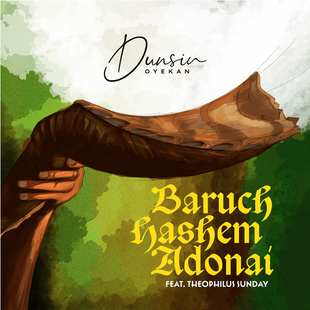
Baruch Hashem Adonai (Live) lyrics by Dunsin Oyekan and Theophilus Sunday are a powerful worship expression focused on praising and exalting God’s name. The song repeatedly declares “Baruch Hashem Adonai†(meaning Blessed be the Name of the Lord), encouraging believers around the world to join in heartfelt worship, gratitude, and reverence for God’s greatness and glory.
Chorus Blessed be the name of the Lord Baruch Hashem Adonai Blessed be the name of the Lord Baruch Hashem Adonai Blessed be the name of the Lord Baruch Hashem Adonai Blessed be the name of the Lord Baruch Hashem Adonai (Lift it up, hey) Blessed be the name of the Lord Baruch Hashem Adonai Blessed be the name of the Lord Baruch Hashem Adonai (Ha-ha-ha) Blessed be the name of the Lord Baruch Hashem Adonai Blessed be the name of the Lord Baruch Hashem Adonai (Blessed be the Name) Blessed be the name of the Lord Baruch Hashem Adonai (We worship You, Lord) Blessed be the name of the Lord Baruch Hashem Adonai (Blessed be Your Name, Jesus) Blessed be the name of the Lord Baruch Hashem Adonai (Blessed be Your Name) Blessed be the name of the Lord Baruch Hashem Adonai (Say it, blessed be Your Name) Blessed be the name of the Lord Baruch Hashem Adonai (Ha-ha) Blessed be the name of the Lord Baruch Hashem Adonai (Can somebody just make melody to Him?)
Instrumental We worship You, Lord Be the name of the Lord Baruch Hashem Adonai Blessed be the name of the Lord Baruch Hashem Adonai Blessed, hey Lift your voice, blessed be Your Name
Chorus Blessed be the name of the Lord Baruch Hashem Adonai (Blessed be Your Name, Lord) Blessed be the name of the Lord Baruch Hashem Adonai (Oh) Blessed be the name of the Lord Baruch Hashem Adonai Blessed be the name of the Lord Baruch Hashem Adonai Blessed be the name of the Lord Baruch Hashem Adonai Blessed be the name of the Lord Baruch Hashem Adonai (Baruch Hashem Adonai)
Refrain Baruch Hashem Adonai (Baruch Hashem Adonai) Baruch Hashem Adonai (Baruch Hashem Adonai) Baruch Hashem Adonai (Baruch Hashem Adonai) Baruch Hashem Adonai Baruch Hashem Adonai (Baruch Hashem Adonai) Baruch Hashem Adonai (Baruch Hashem Adonai) Baruch Hashem Adonai (Baruch Hashem Adonai) Baruch Hashem Adonai (Baruch Hashem Adonai, hey) Baruch Hashem Adonai (Hey) Baruch Hashem Adonai Baruch Hashem Adonai (Baruch Hashem, Baruch Hashem, Baruch Hashem) Baruch Hashem Adonai (Baruch Hashem Adonai) Baruch Hashem Adonai (Hey) Baruch Hashem Adonai Baruch Hashem Adonai (Ooh) Baruch Hashem Adonai (Baruch Hashem Adonai) Baruch Hashem Adonai (Blessed be the Name of the Lord) Baruch Hashem Adonai (Blessed be the Name of the Lord) Baruch Hashem Adonai (Blessed be the Name of the Lord) Baruch Hashem Adonai (Hey, blessed be the Name of the Lord) Baruch Hashem Adonai (Blessed be the Name of the Lord) Baruch Hashem Adonai (Blessed be the Name, woo) Baruch Hashem Adonai (Blessed be the one who comes in the Name of the Lord) Baruch Hashem Adonai (Baruch Hashem) Baruch Hashem Adonai (Baruch Hashem) Baruch Hashem Adonai (Everybody say blessed be Your Name)
Chorus Blessed be the name of the Lord Baruch Hashem Adonai (Woah, blessed be, blessed be Your Name, blessed be Your Name) Blessed be the name of the Lord Baruch Hashem Adonai (Say it again) Blessed be the name of the Lord Baruch Hashem Adonai (Oh, blessed be) Blessed be the Name of the Lord (Be the Name of the Lord) Baruch Hashem Adonai (Sing it again, blessed be the Name) Blessed be the Name of the Lord (Be the Name, be the Name) Baruch Hashem Adonai (Hey, blessed be) Blessed be the Name of the Lord (Be the Name, just the drums, no music) Baruch Hashem Adonai (Hey, say blessed be Your Name)
Chorus Blessed be the name of the Lord Baruch Hashem Adonai Blessed be the name of the Lord Baruch Hashem Adonai (Ha, blessed be, blessed be, blessed be) Blessed be the name of the Lord Baruch Hashem Adonai Blessed be the Name of the Lord (Ha-ya) Baruch Hashem Adonai Blessed be the name of the Lord Baruch Hashem Adonai Blessed be the name of the Lord Baruch Hashem Adonai (Hey, Baruch Hashem Adonai)
Refrain Baruch Hashem Adonai (Baruch Hashem Adonai) Baruch Hashem Adonai (Blessed be the Name of the Lord) Baruch Hashem Adonai (Blessed be the Name of the Lord) Baruch Hashem Adonai (Blessed be Your Name) Baruch Hashem Adonai (Yeah, Baruch Hashem Adonai) Baruch Hashem Adonai (Baruch Hashem Adonai) Baruch Hashem Adonai (Baruch Hashem Adonai) Baruch Hashem Adonai Baruch Hashem Adonai (Baruch Hashem Adonai) Baruch Hashem Adonai Baruch Hashem Adonai (Baruch Hashem Adonai) Baruch Hashem Adonai Baruch Hashem Adonai (Baruch Hashem Adonai) Baruch Hashem Adonai
Chorus Blessed— the name of the Lord Baruch Hashem Adonai Blessed be the name of the Lord Baruch Hashem Adonai From Asia to Africa, be Your Name, my God Baruch Hashem Adonai America to Europe, blessed be, blessed be Your Name Baruch Hashem Adonai Antarctica will sing, blessed be the name of the Lord Baruch Hashem Adonai Male and female will say, blessed be the Name of the Lord Baruch Hashem Adonai Young and old will cry out, blessed be the Name of the Lord Baruch Hashem Adonai Family altars will cry out Our churches will cry out, blessed be the Name The children will cry out, communities will cry out Blessed be the name of the Lord Revival will break out, they will say blessed Our fathers will cry out, our mothers will cry out On the mountain, in the valley, blessed, ha-ha-ha Can somebody just make melody?
Interlude Blessed be the name of the Lord Blessed be the name of the Lord Blessed be Your name, oh God
Chorus Blessed be the name of the Lord Baruch Hashem Adonai (Blessed be Your Name, oh God) Blessed be the Name of the Lord (Hey) Baruch Hashem Adonai (Blessed be Your Name, oh God) Blessed be the Name of the Lord (Ah-ya) Baruch Hashem Adonai (Hey, blessed be Your Name, oh God) Blessed be the Name of the Lord (Sing it one more time, with your hands lifted up) Baruch Hashem Adonai (Cry out, blessed be Your Name, oh God) Blessed be the name of the Lord Baruch Hashem Adonai (Baruch Hashem) Blessed be the name of the Lord Baruch Hashem Adonai (Baruch Hashem Adonai)
Chorus Blessed be the name of the Lord Baruch Hashem Adonai Blessed be the name of the Lord Baruch Hashem Adonai (Family to family, yeah) Blessed be the Name of the Lord (territory to territory, oh) Baruch Hashem Adonai
Outro Be the name of the Lord Be the name of the Lord Baruch Hashem Adonai Adonai, blessed be the Name of the Lord From the rising of the sun, Baruch Hashem Adonai To the setting of the same, blessed be the Name of the Lord Baruch Hashem Adonai, ha-ha-ha-ha-ha Baruch Hashem Adonai, Baruch Hashem Adonai Blessed is he who comes in the name of the Lord Blessed be the name of the Lord Blessed be the name of the Lord Blessed be the name of the Lord Hallelujah, hallelujah Family altars are coming back, I'm telling you His glory is here Baruch Hashem Adonai
Check Lyrics of latest songs here, and get fresh updates as they drop via X and Facebook
Omah Lay, in an official announcement, has confirmed the release date of his highly anticipated album, 'Clarity of Mind.'
After months of anticipation and cryptic social media teasers, Afro-fusion sensation Omah Lay has officially confirmed that his highly anticipated sophomore studio album, Clarity of Mind, will be released globally on April 3, 2026.
The announcement marks a significant milestone for the Port Harcourt-born artist as he follows up the massive critical and commercial success of his 2022 debut, Boy Alone. Fans have been eager to see how his signature "purple" sound has evolved, and the title suggests a shift toward a more grounded and self-aware perspective.
The upcoming project is set to be a concise and intentional body of work, featuring a total of 12 tracks. To bridge his recent musical journey with this new era, the album will include three previously released singles that have already made significant waves: the rhythmic and spiritual "Holy Ghost," the hypnotic 2025 hit "Waist," and his most recent emotional offering, "Don’t Love Me."
While his previous work dove deep into themes of isolation and personal struggle, Clarity of Mind is expected to showcase a more balanced Omah Lay. Industry insiders suggest the nine remaining new tracks will lean further into his unique blend of soul, R&B, and traditional West African rhythms, but with a newfound sense of internal peace.
The April 3, 2026, release date perfectly positions the album to dominate the second quarter of the year, likely setting the sonic tone for the 2026 summer music season. As one of Africa’s most compelling global storytellers, Omah Lay’s return is poised to be one of the definitive musical moments of the year.
 Global stars King Promise and Mr Eazi reunite on “That Way†a smooth, emotionally driven Afrofusion single that blends millennial pop nostalgia with contemporary African sound.
Produced by GuiltyBeatz and JAE5, the track serves as the second release from their joint project,â€See What You’ve Done“, and highlights the effortless chemistry between two of West Africa’s most distinctive voices.
Rooted in nostalgia, “That Way†draws direct inspiration from the Backstreet Boys’ iconic hit “I Want It That Way,†reimagined through a modern African lens. The result is a record that feels instantly familiar yet refreshingly current. King Promise’s silky melodies pair seamlessly with Mr Eazi’s laid-back confidence, creating a relaxed, emotionally resonant sound where feeling leads over formula.
The official music video for “That Way†was released on the 6th of February 2026. Directed by Charlie Rees and produced by Oculens, the London-shot visual amplifies the song’s nostalgic yet modern tone, translating its warmth and intimacy into a compelling on-screen narrative that complements the record’s emotional core.
With “That Way,†King Promise and Mr Eazi continue to expand the emotional and cultural depth of “See What We’ve Doneâ€, reinforcing the project’s themes of reflection, connection, and evolution.
“That Way†is now available on all major streaming platforms.
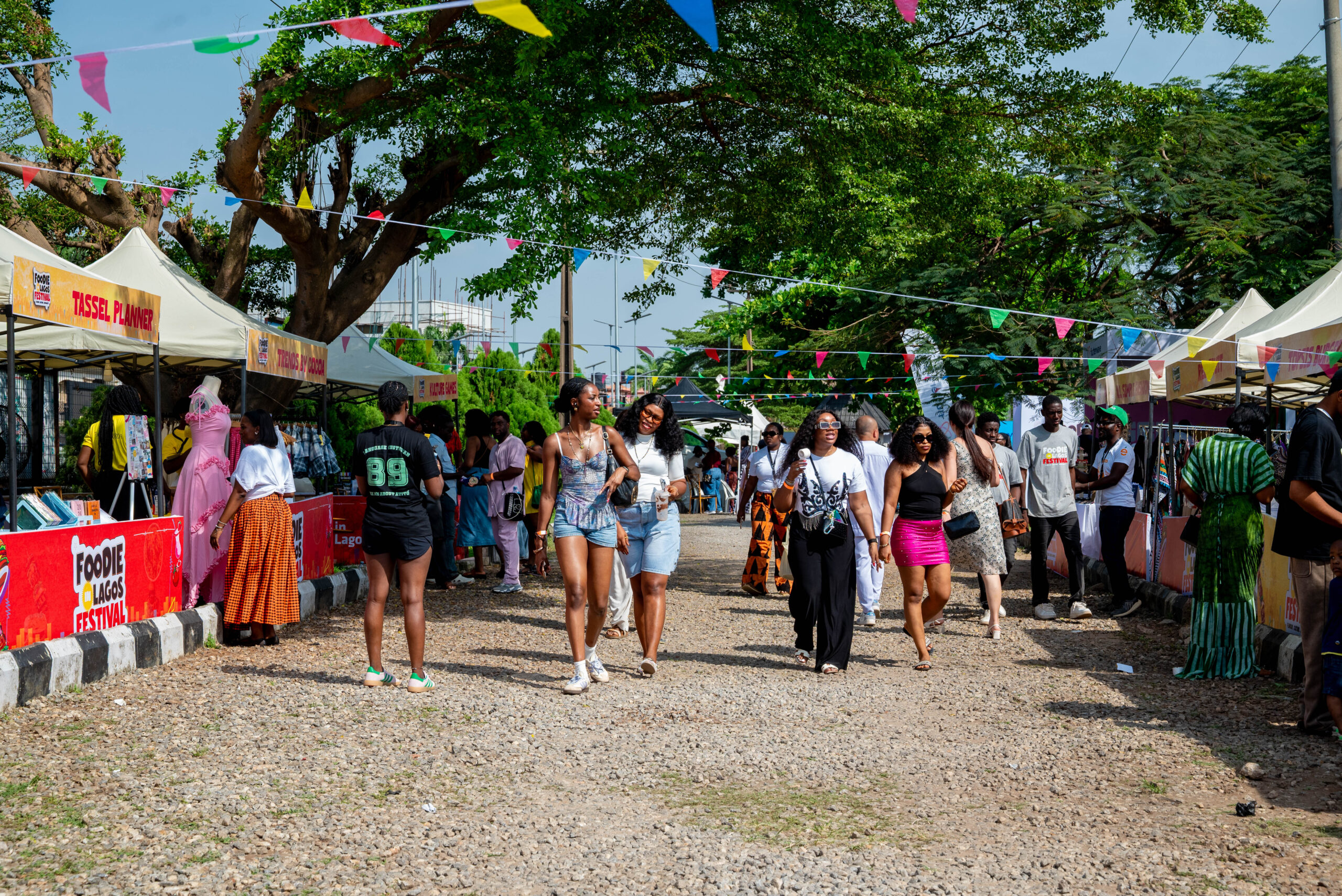
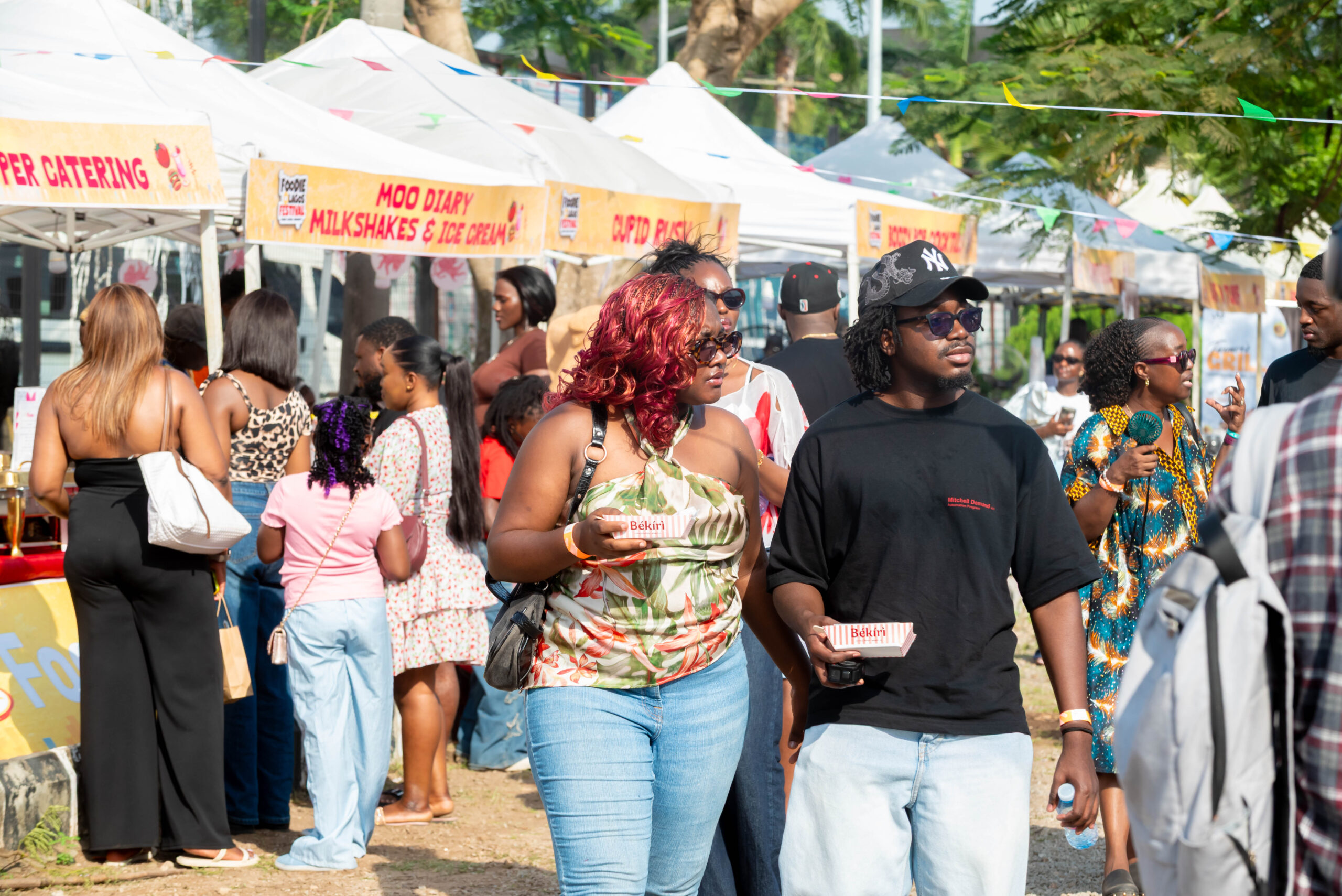
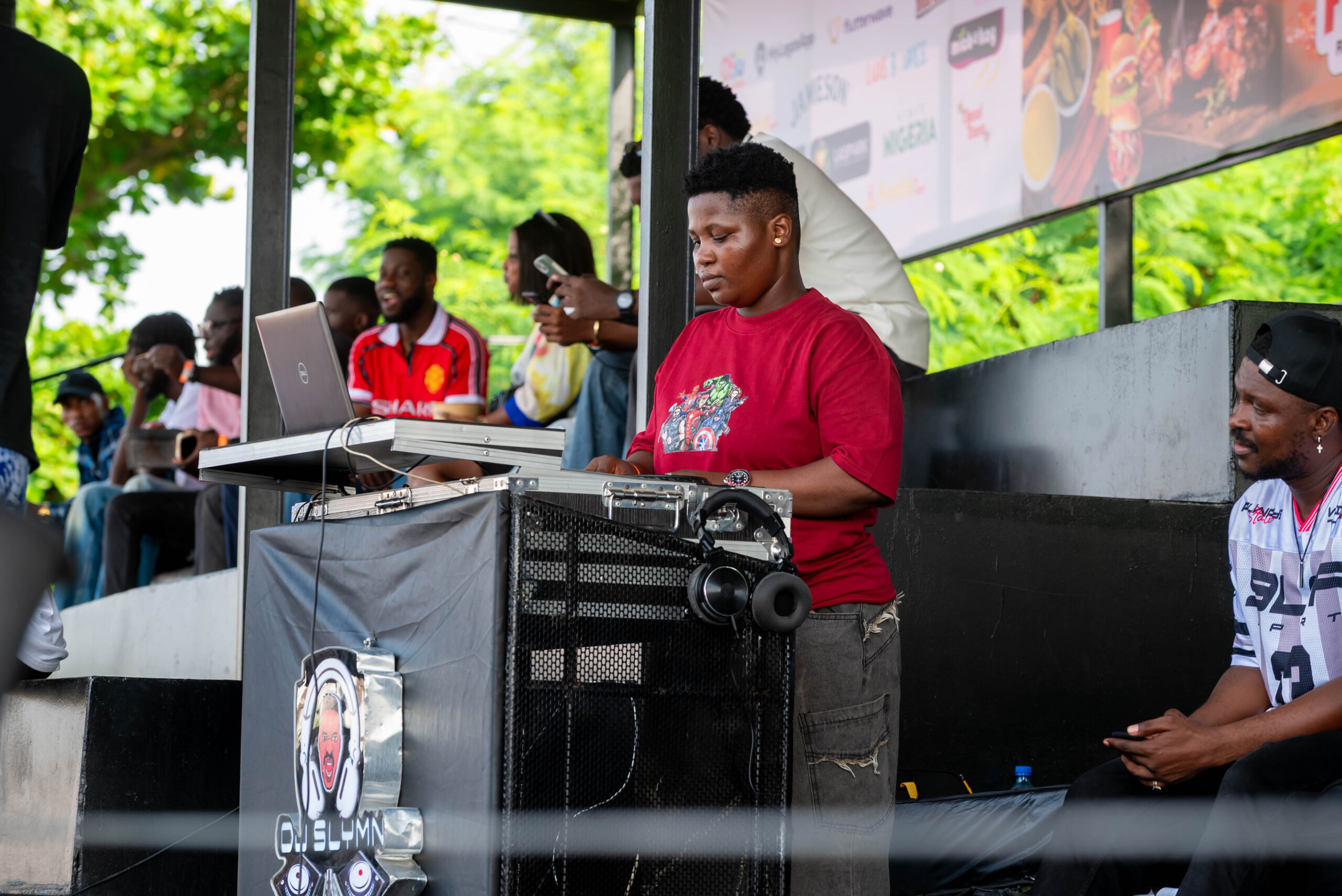
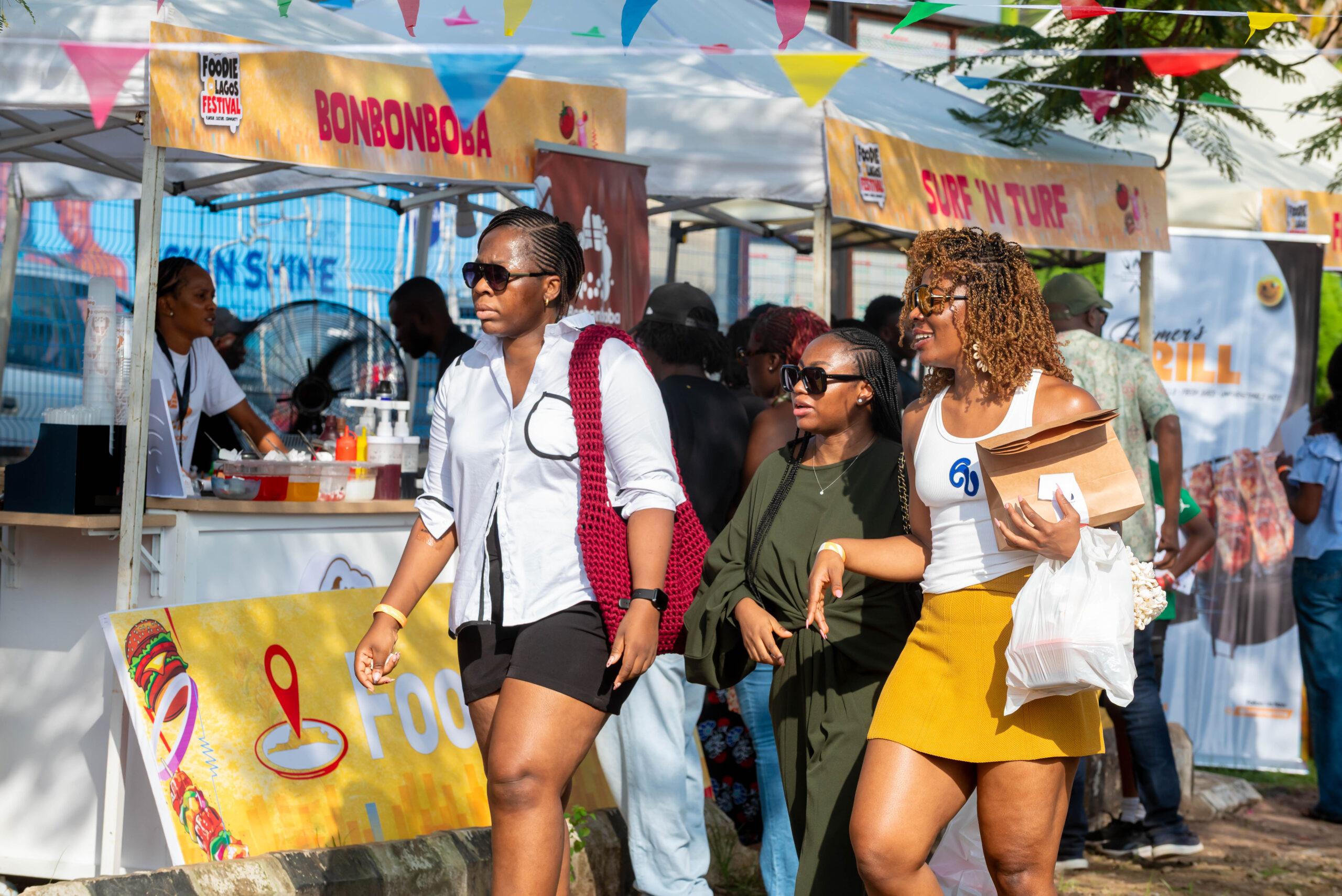
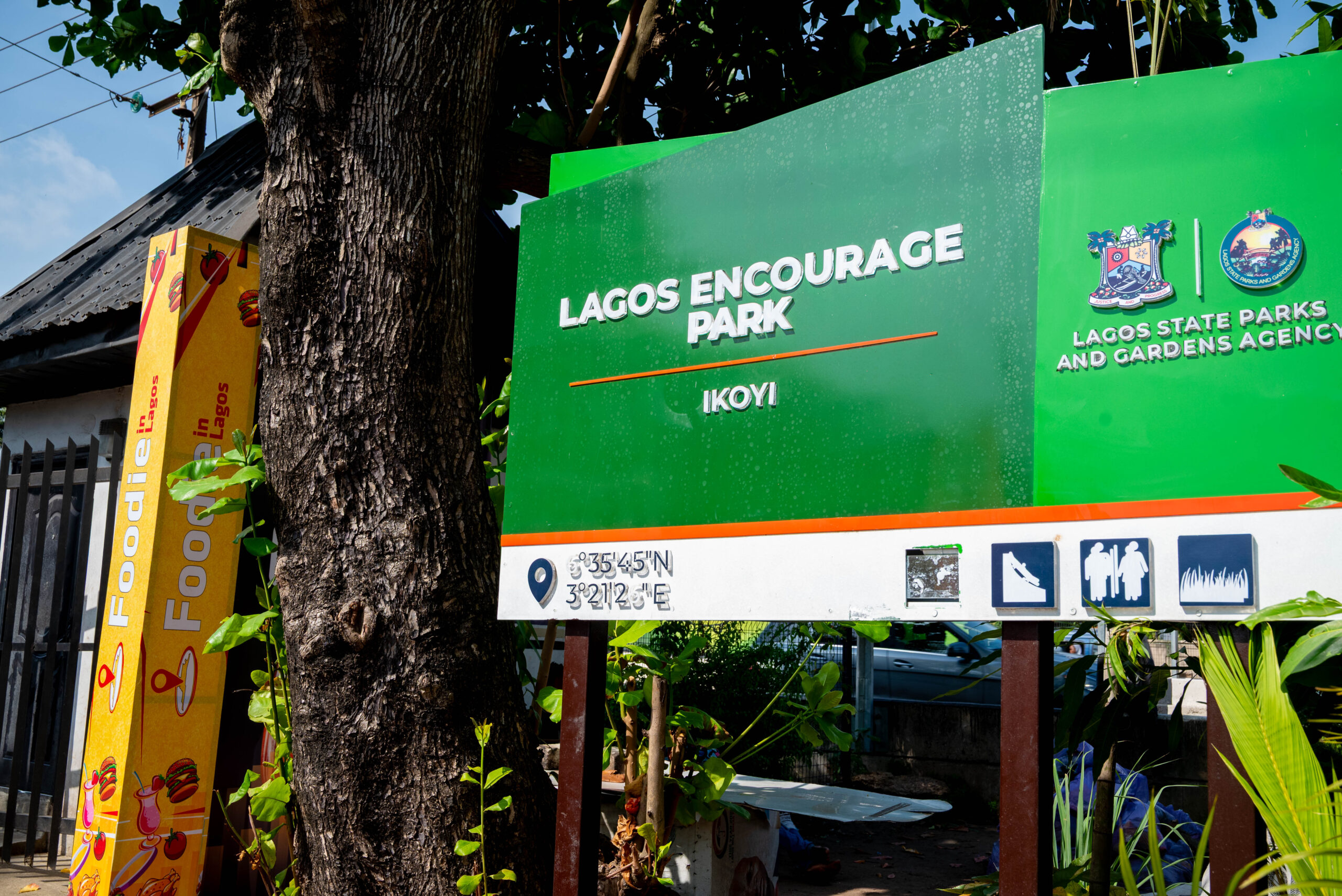
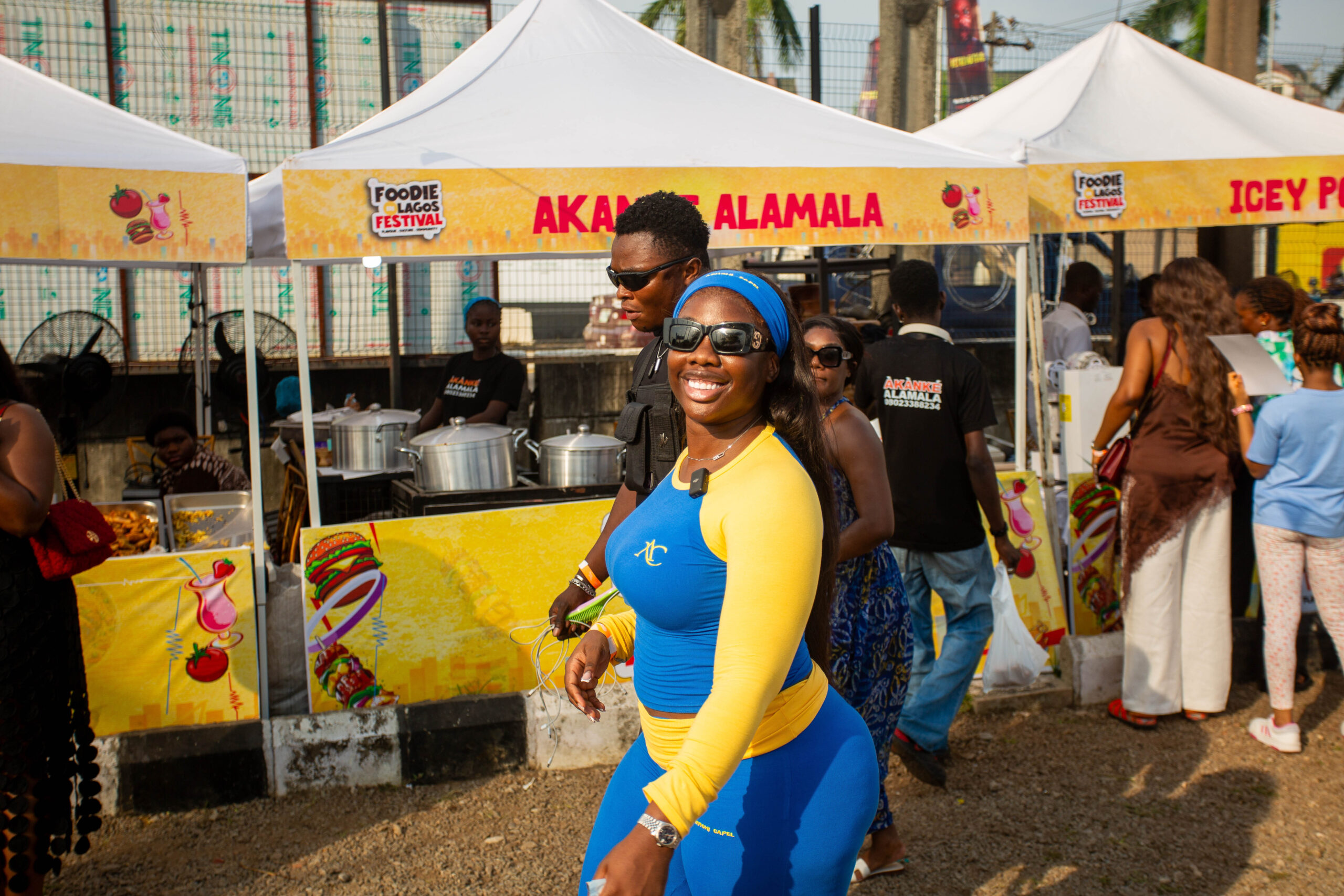
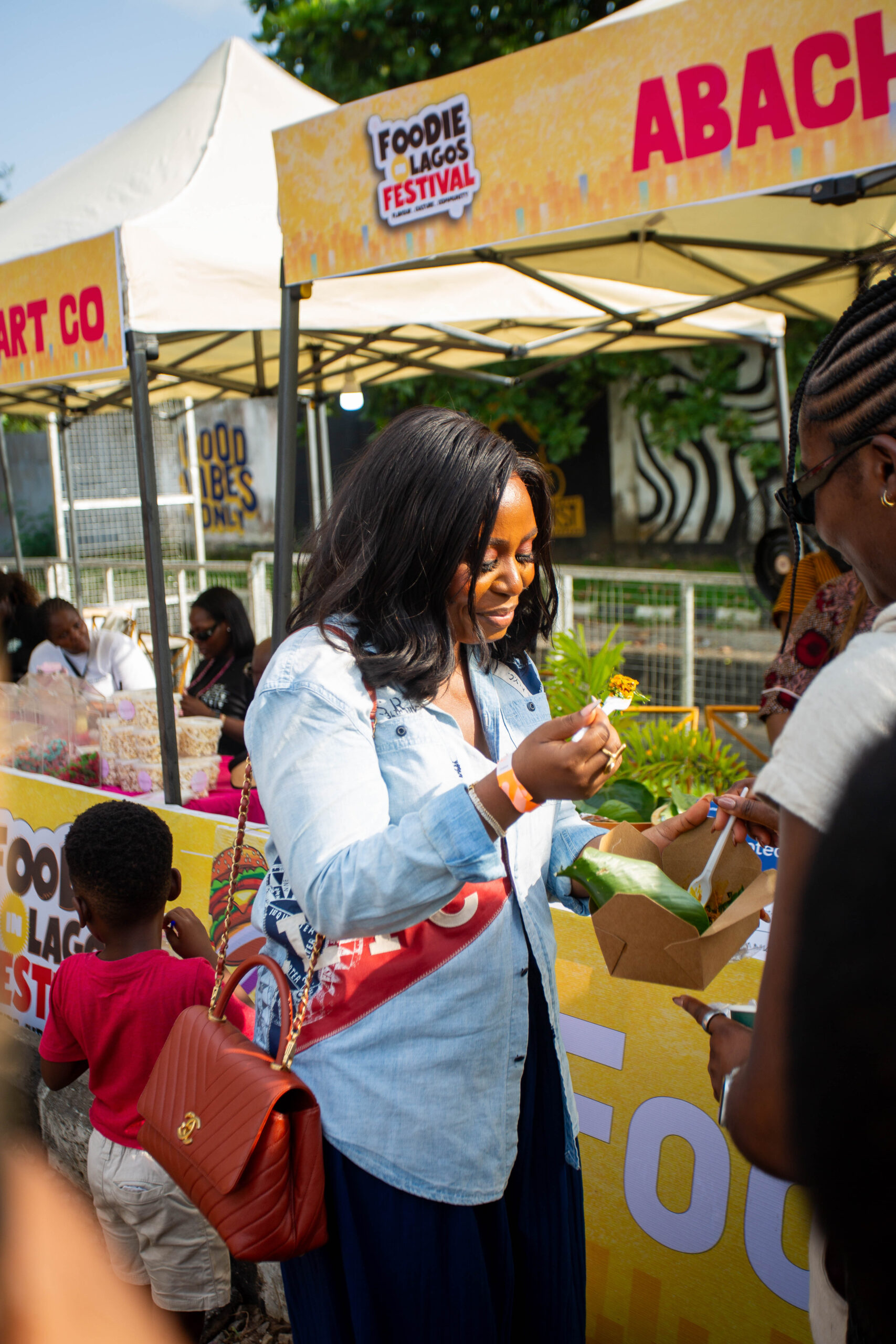
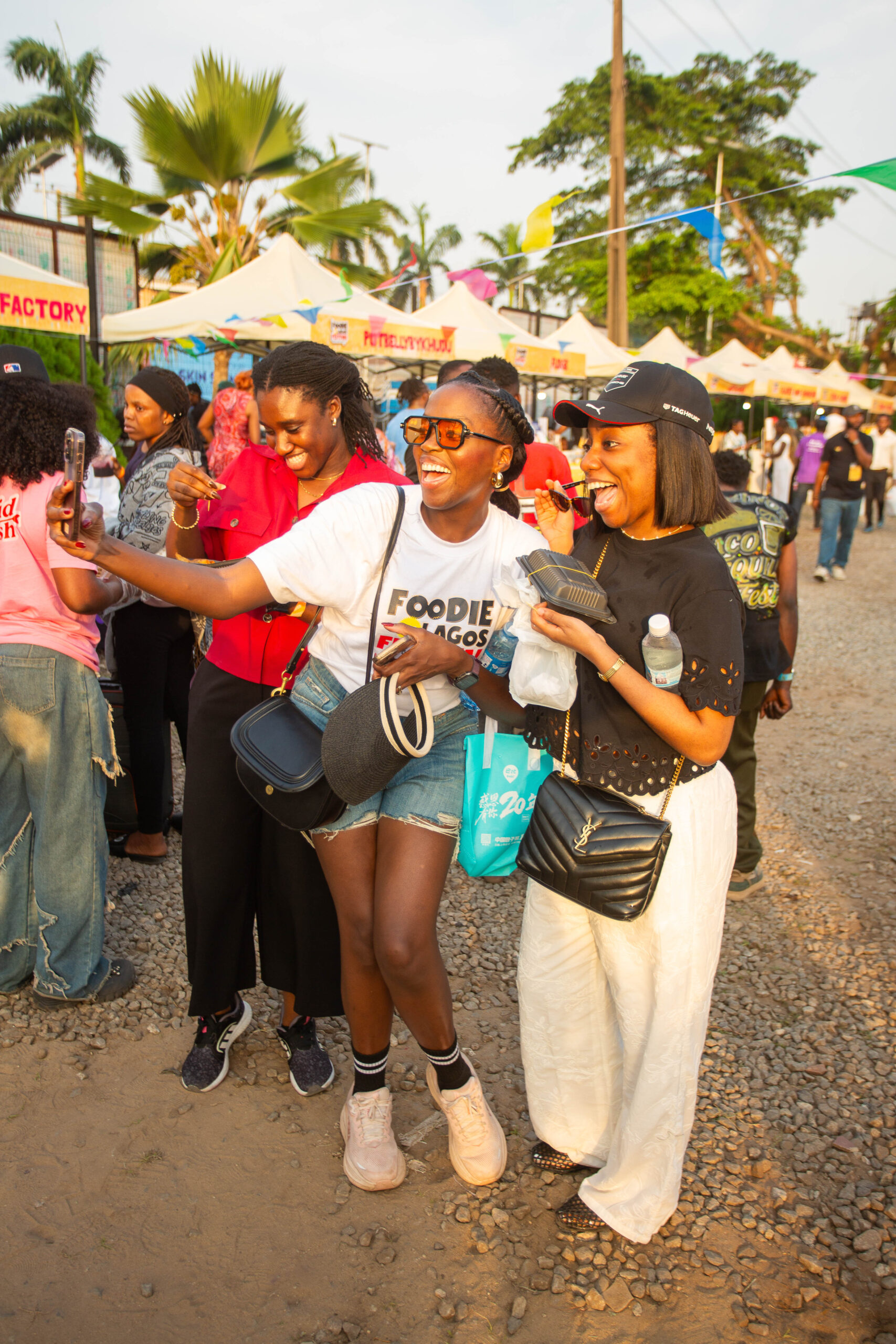
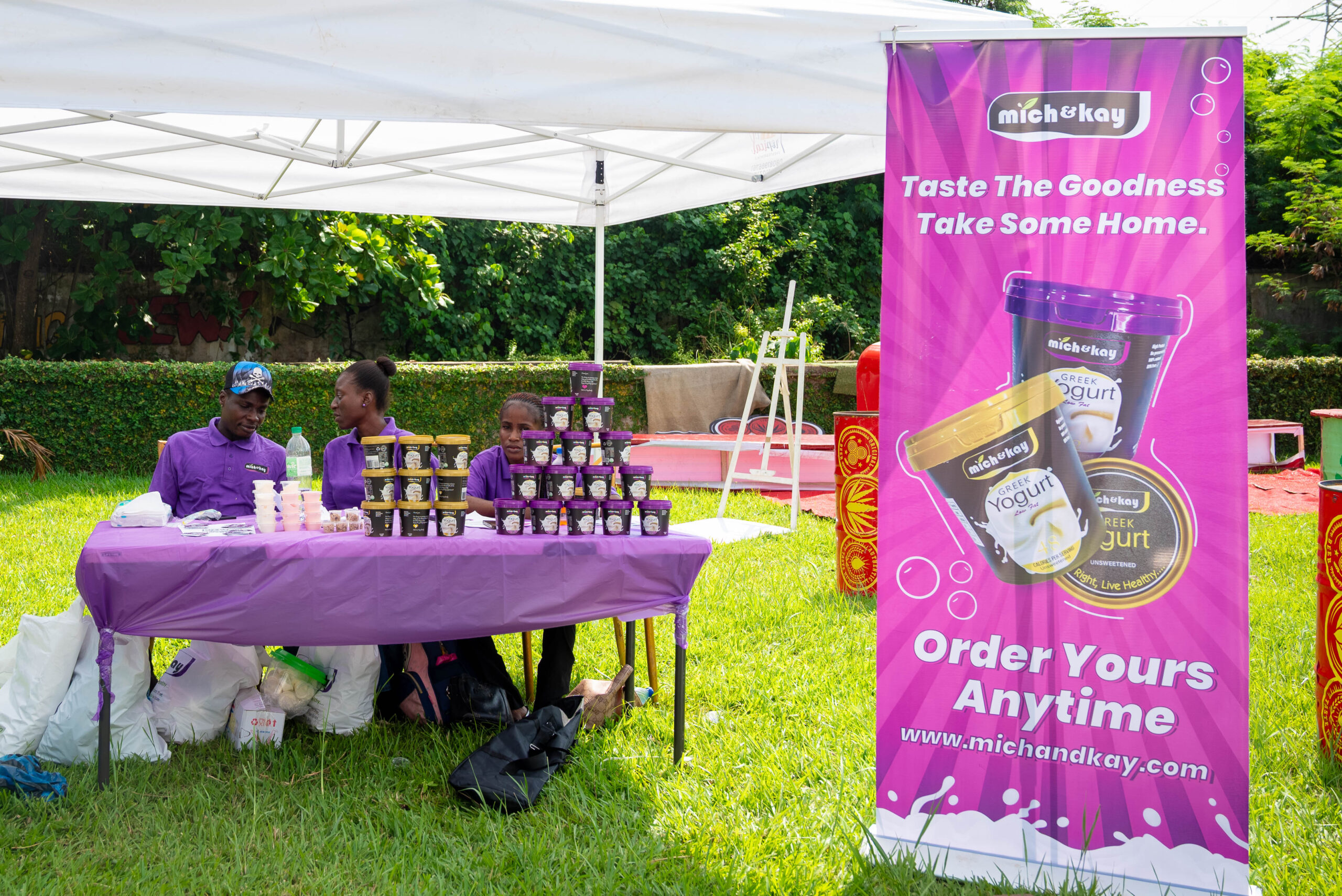
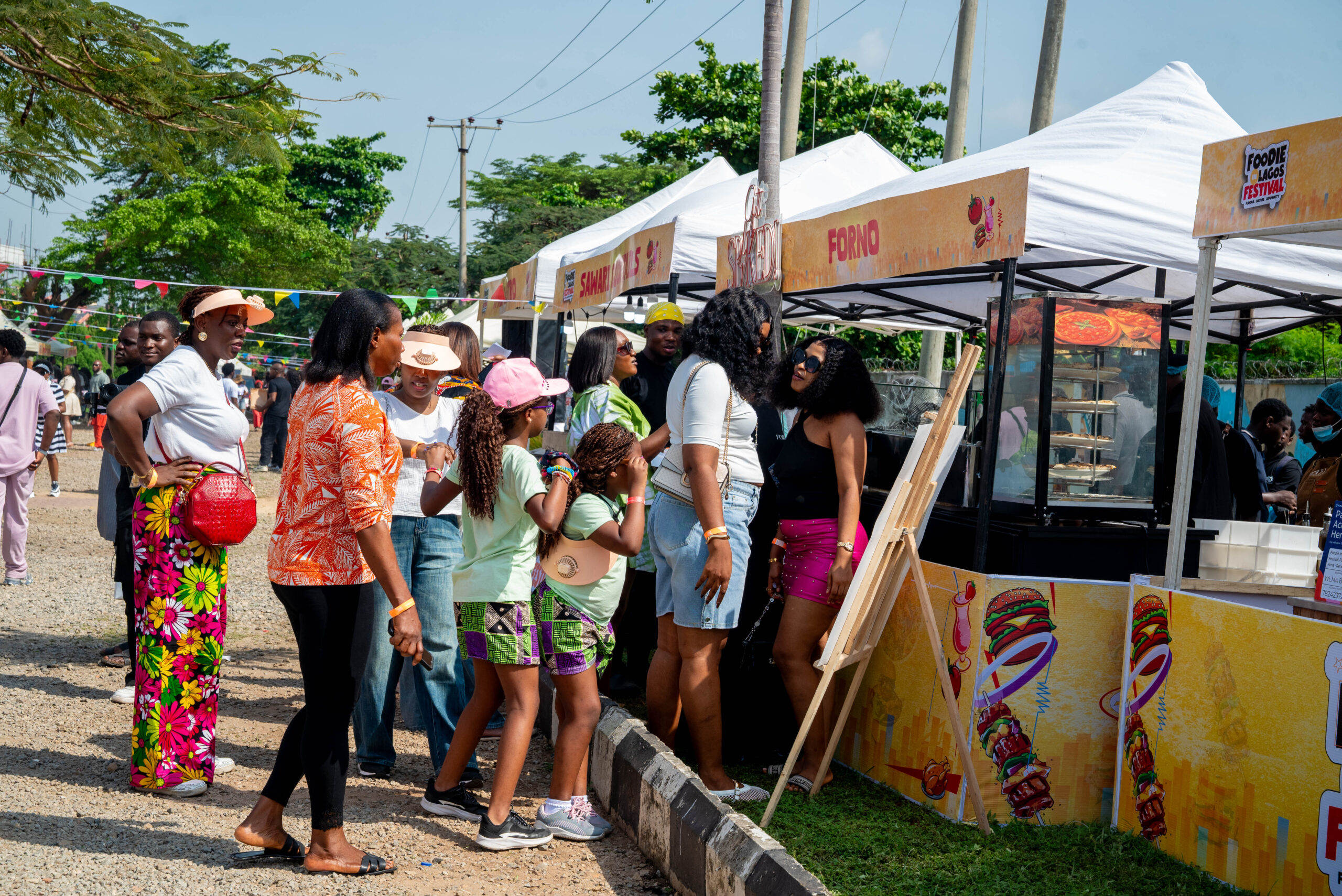
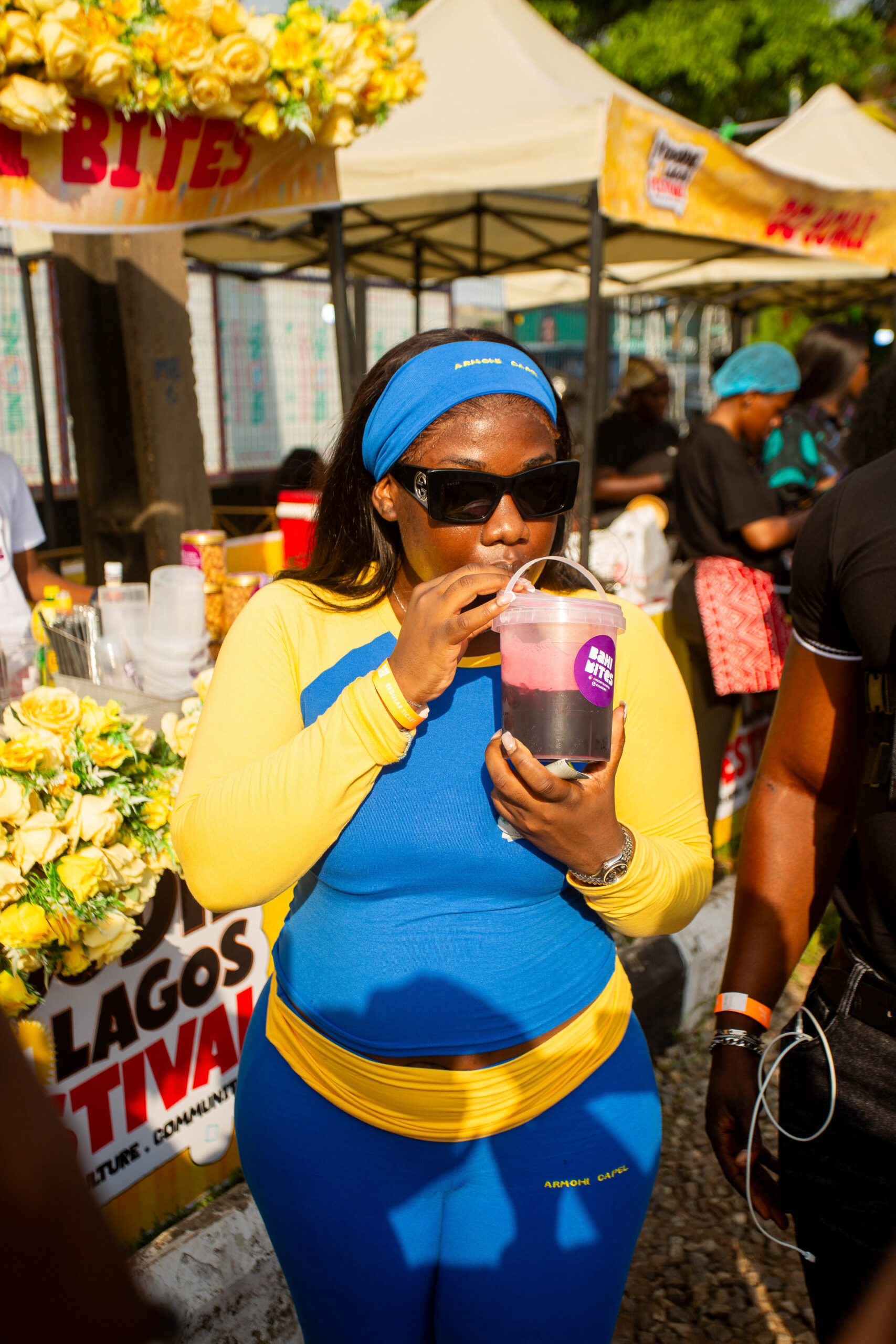
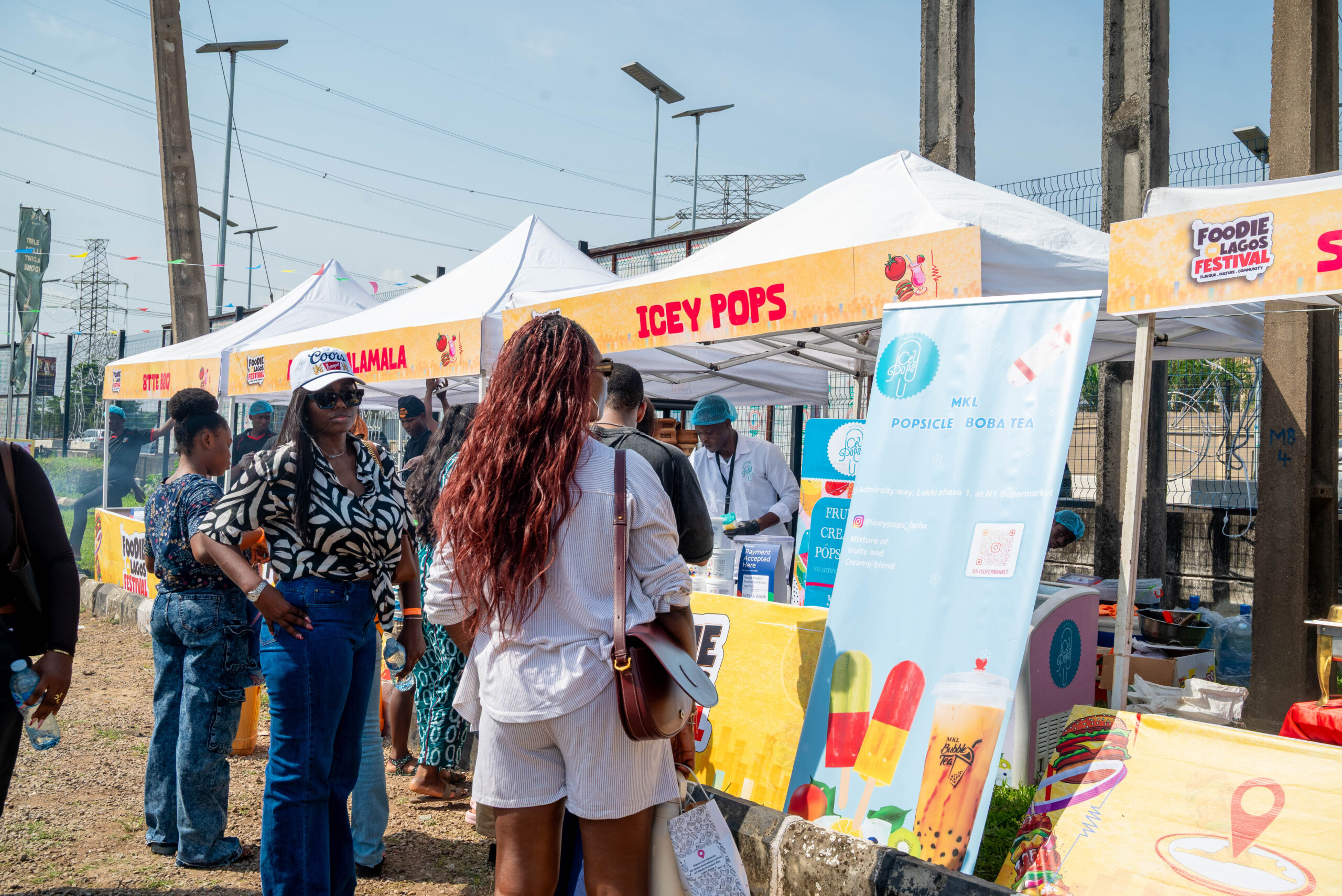
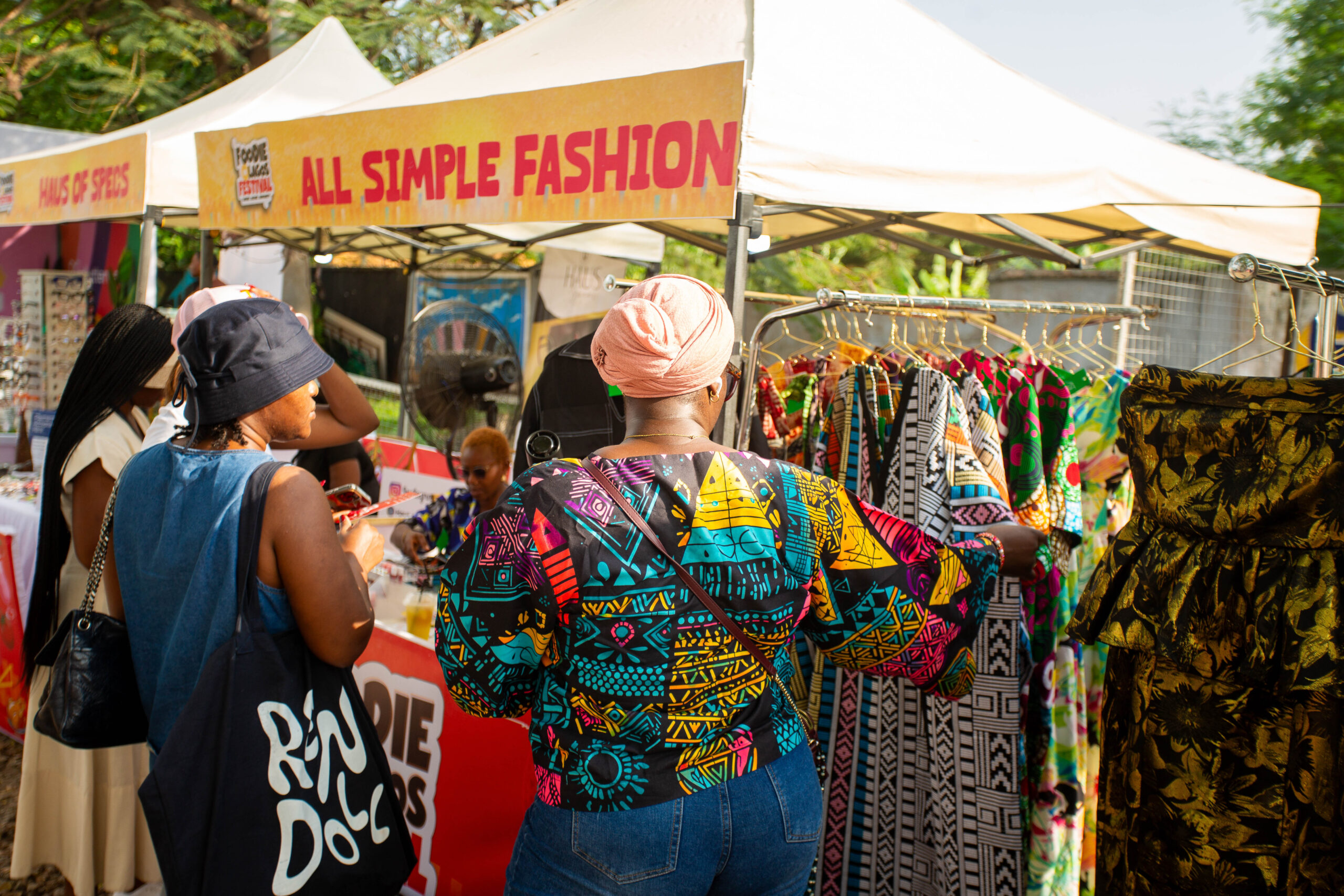
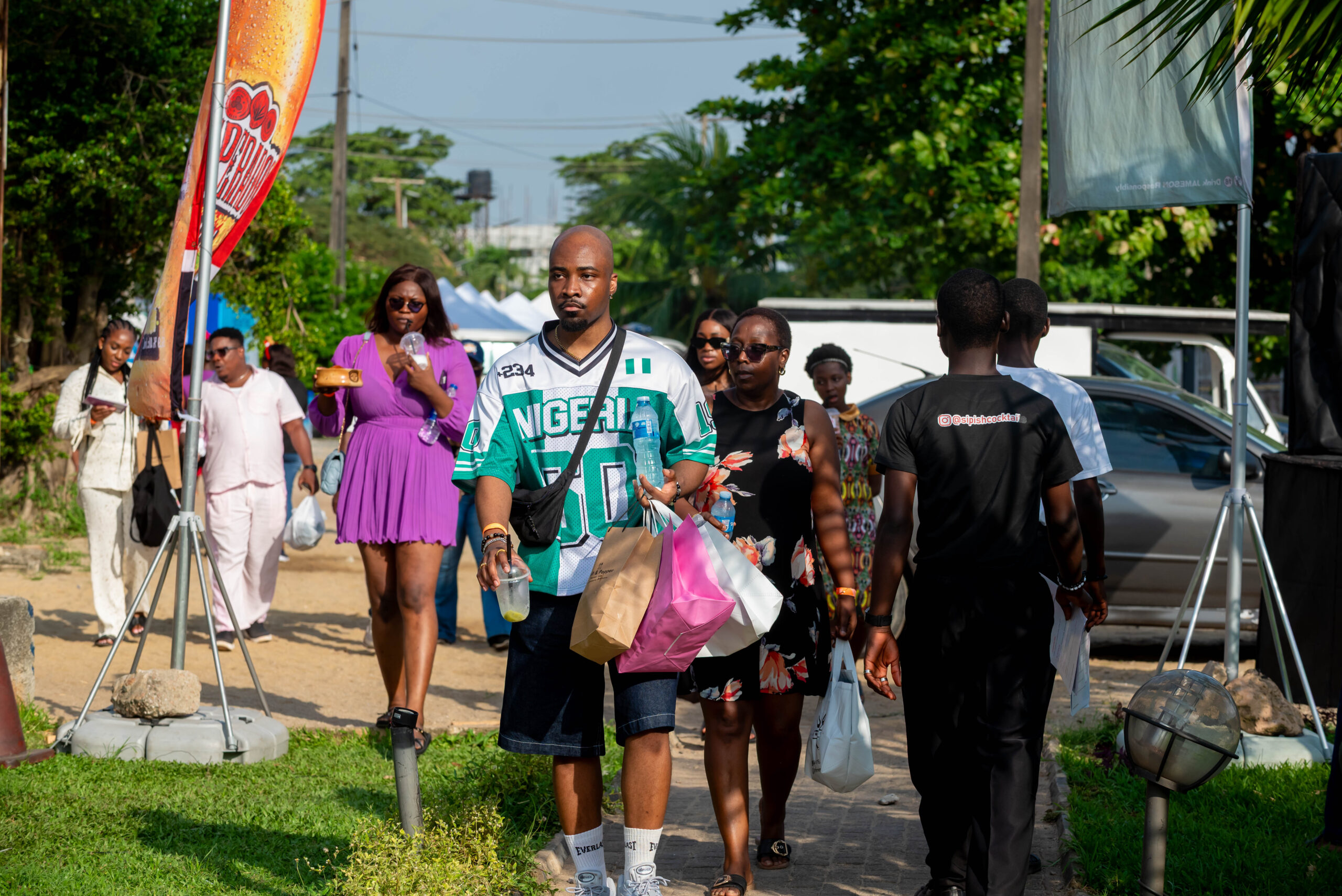
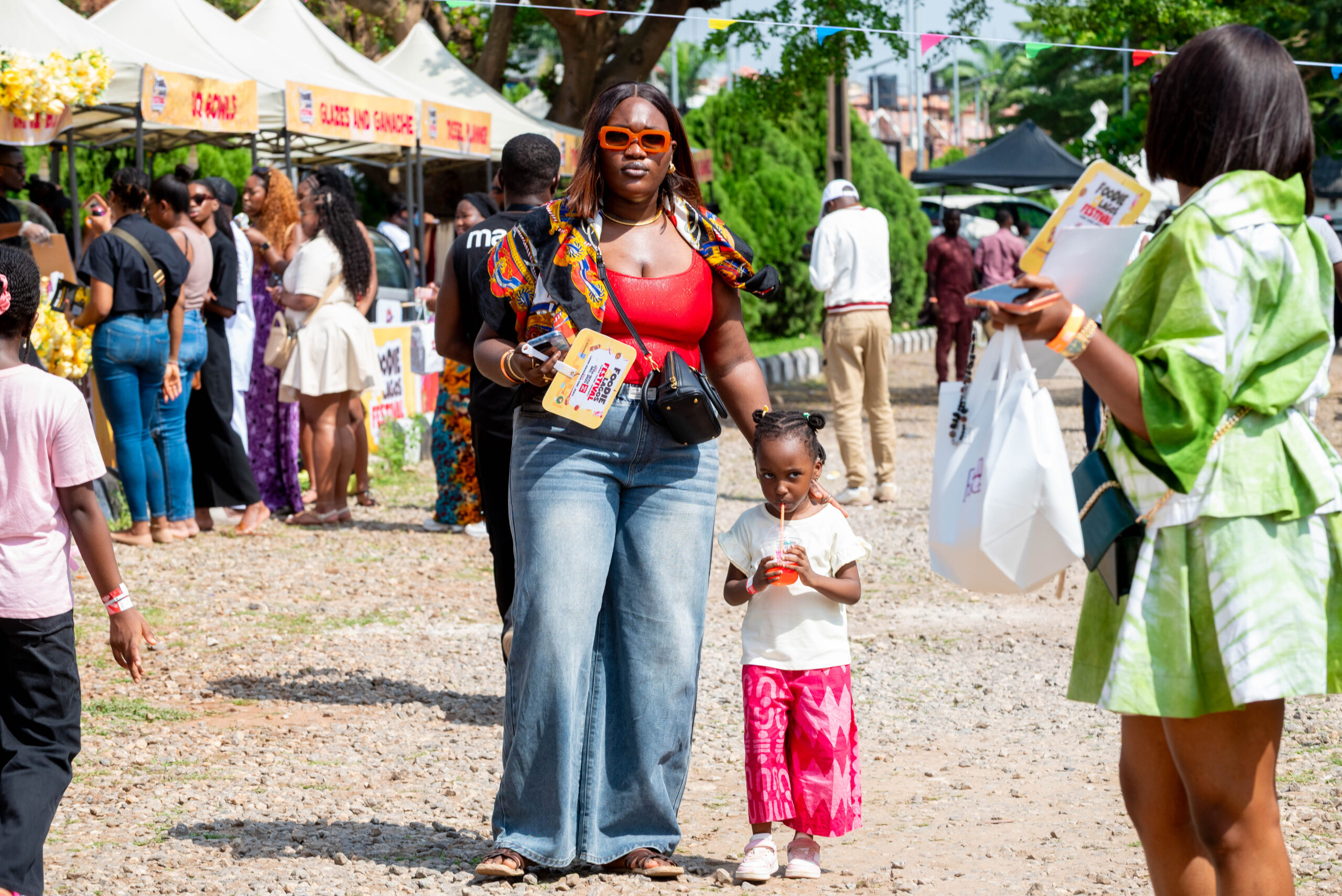
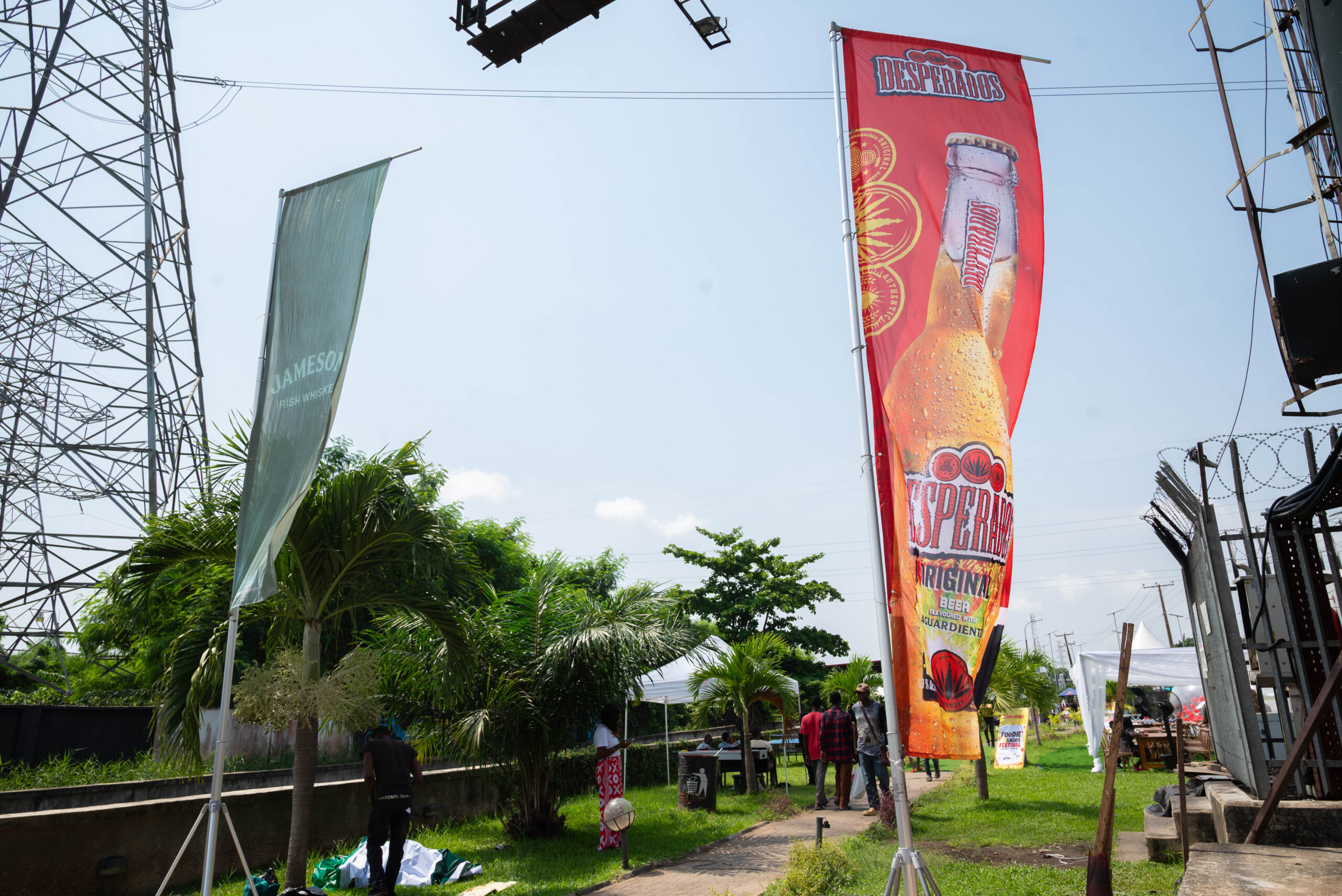
Lagos’ food and lifestyle scene came alive on December 17 and 18, 2025, as thousands of guests gathered for the Foodie in Lagos Festival. A two-day celebration of food, drinks, music, and family-friendly experiences. Curated by Foodie in Lagos, the festival brought together 53 carefully selected vendors spanning food, lifestyle, and creative brands, alongside families and creators, for an immersive end-of-year experience that captured the true spirit of Detty December.Â
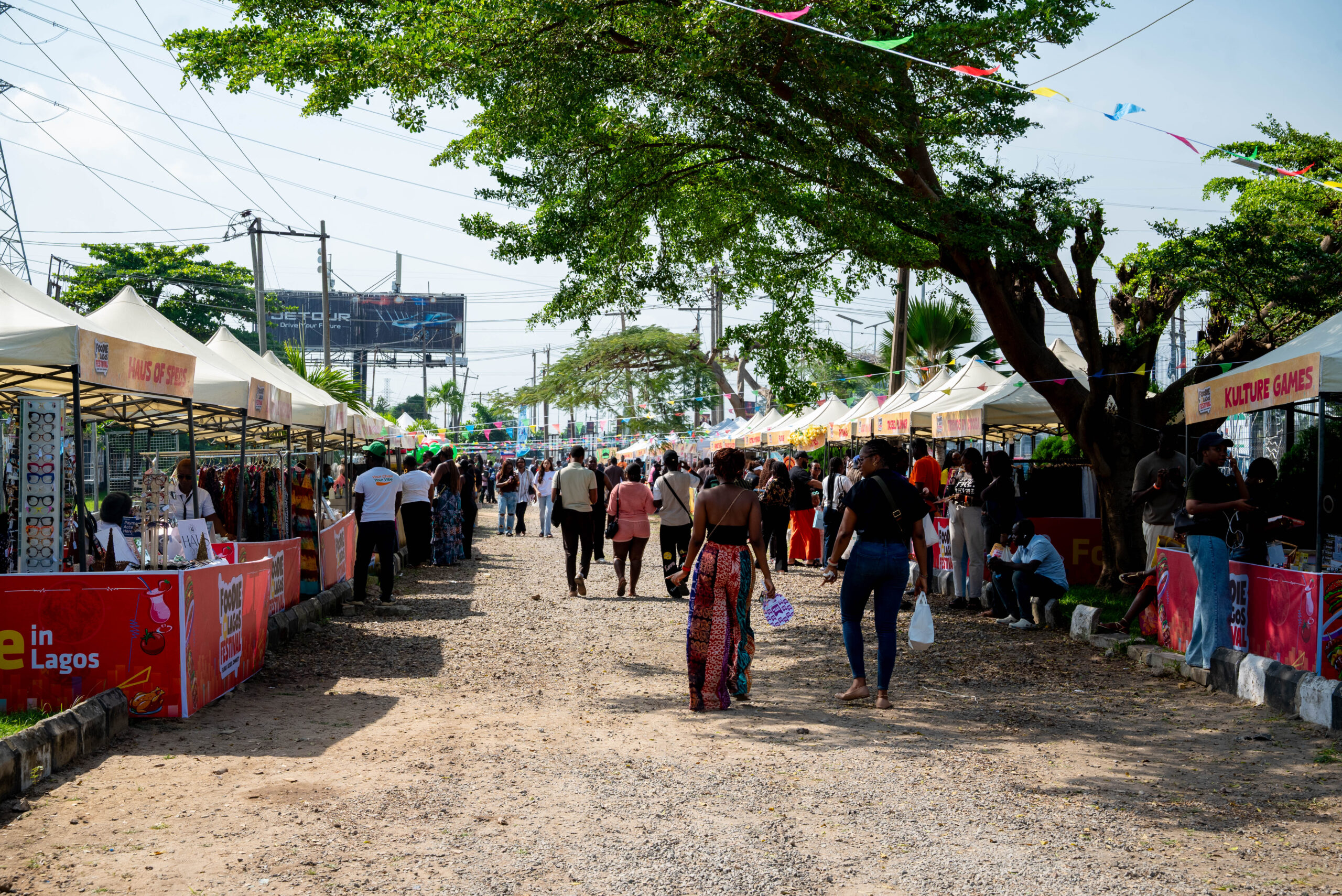
Hosted in a vibrant open-air setting at Encourage Park, Ikoyi, the festival transformed the venue into a bustling hub of flavour, colour, and sound — offering guests the opportunity to eat, explore, shop, connect, and unwind. Over the course of two days, the festival welcomed over 3,000 attendees, underscoring its growing status as a key fixture on Lagos’ Detty December lifestyle calendar.
Watch highlights from the Foodie in Lagos Festival below.Â
A Thoughtfully Curated Food Experience
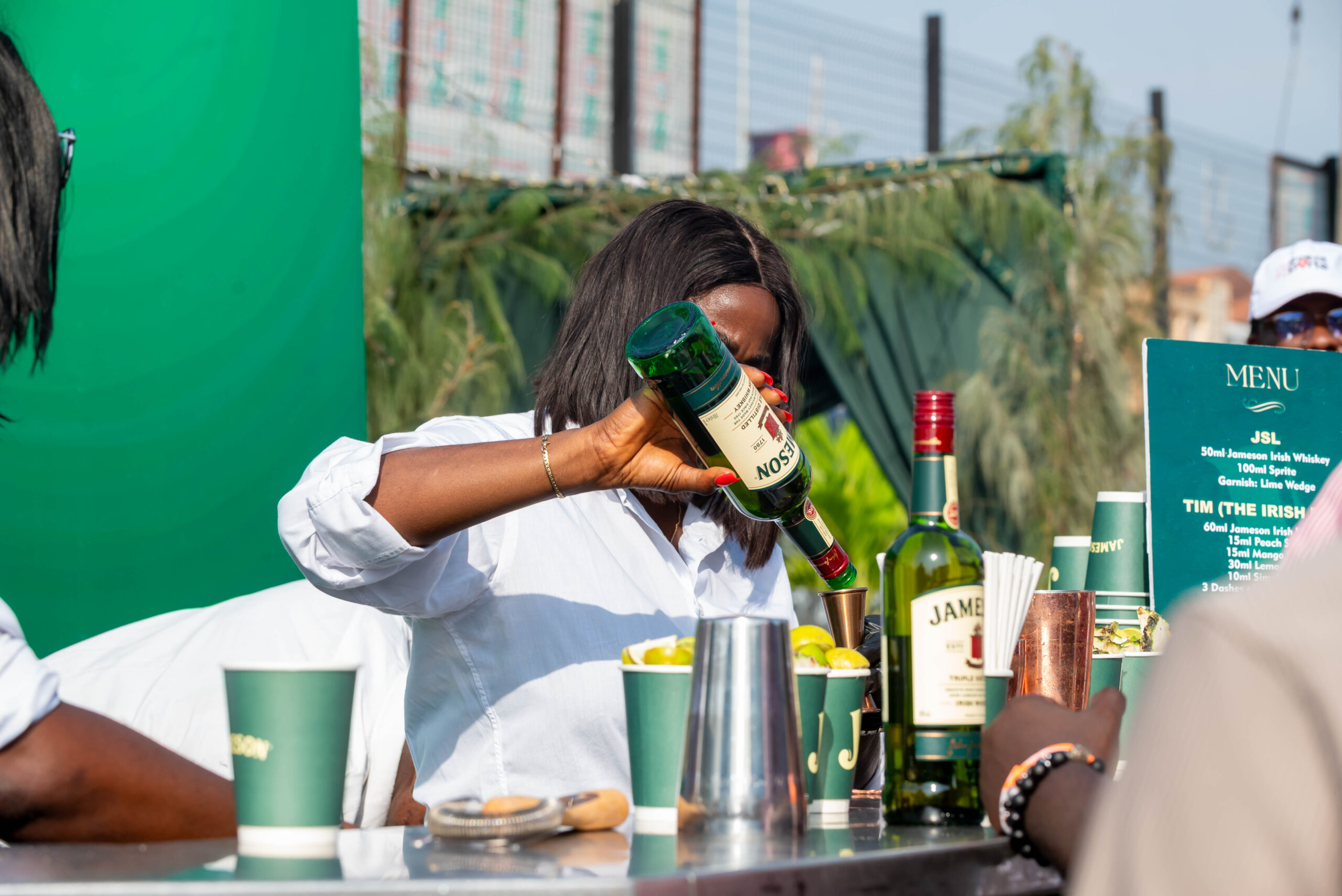
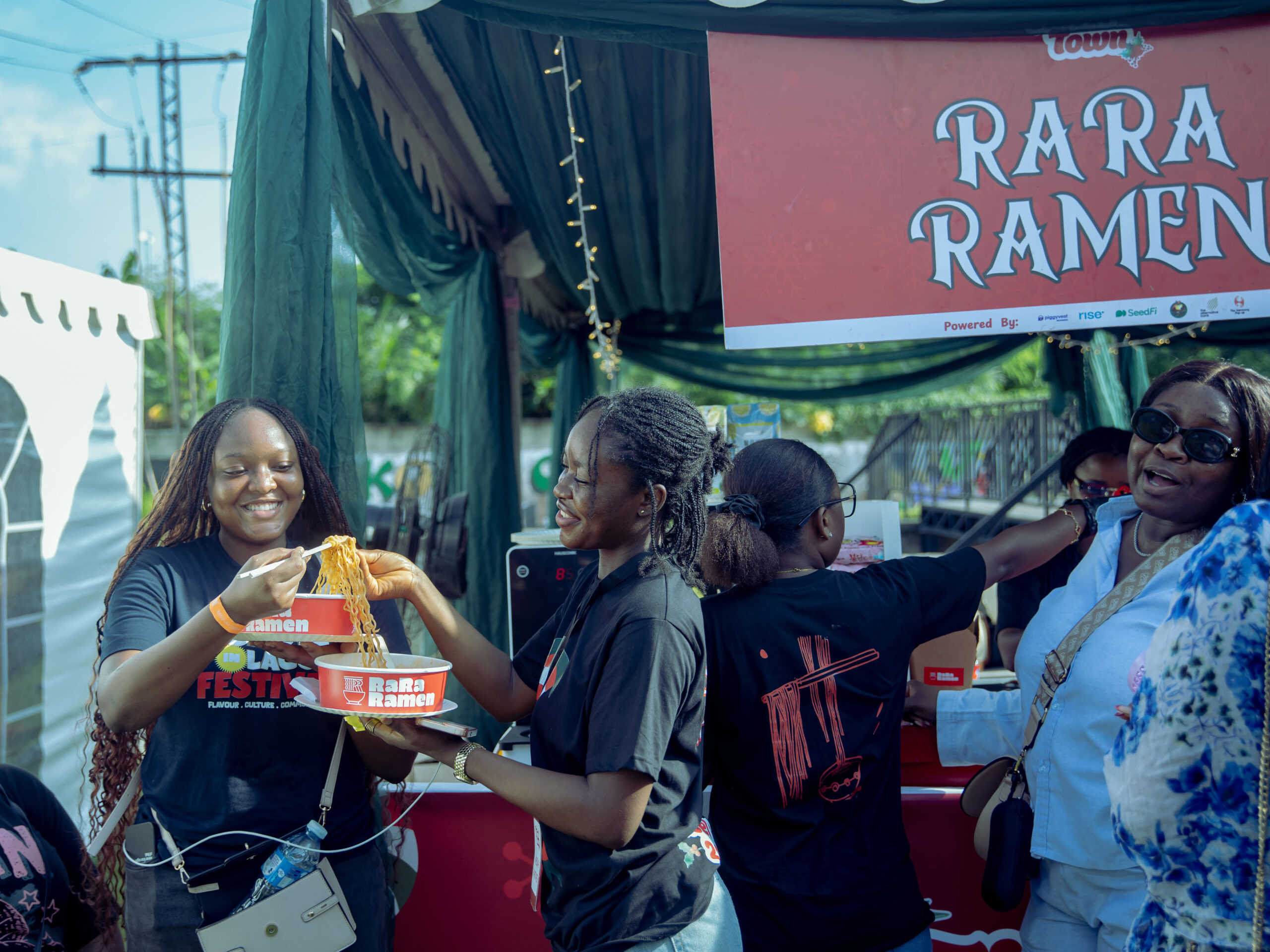
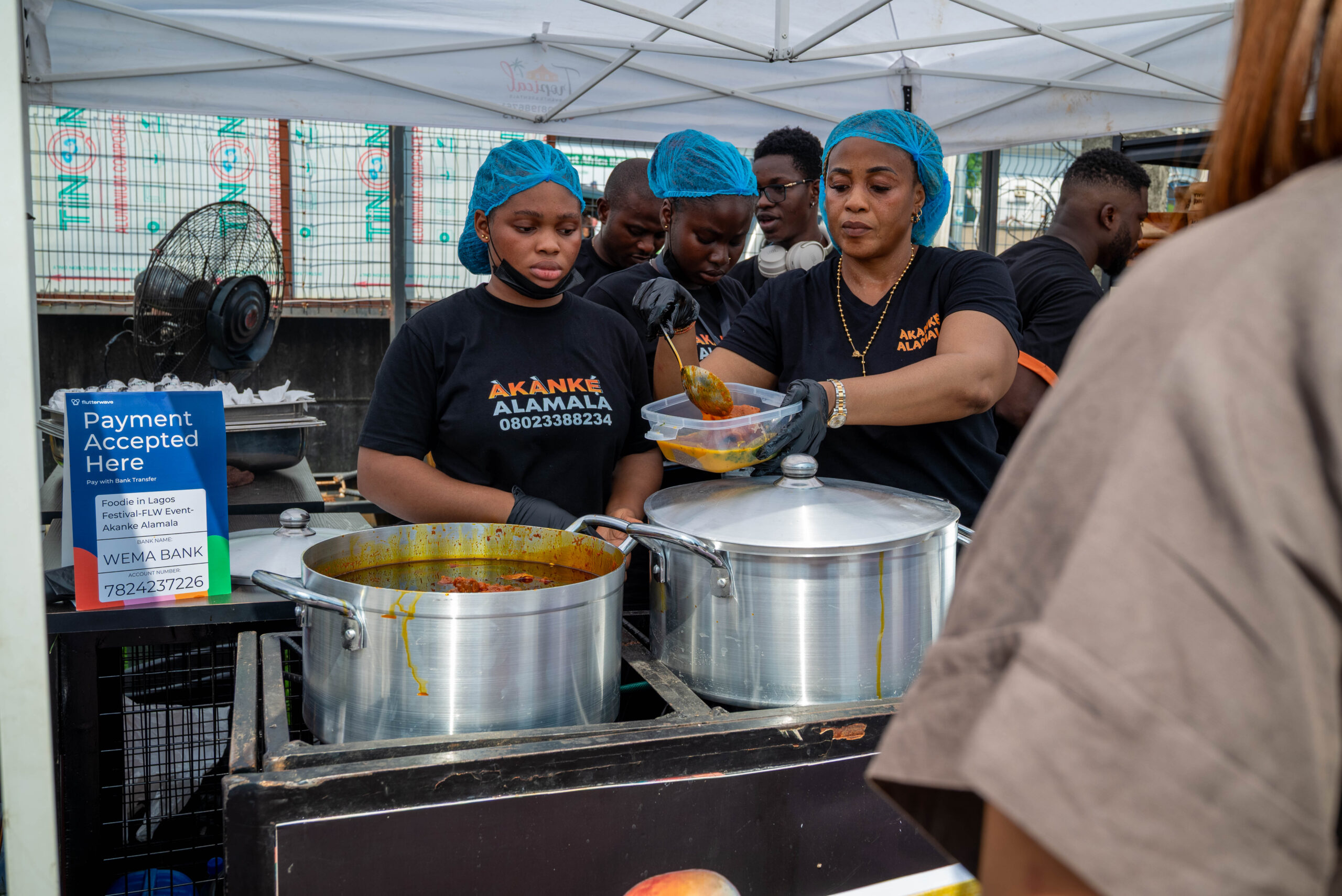
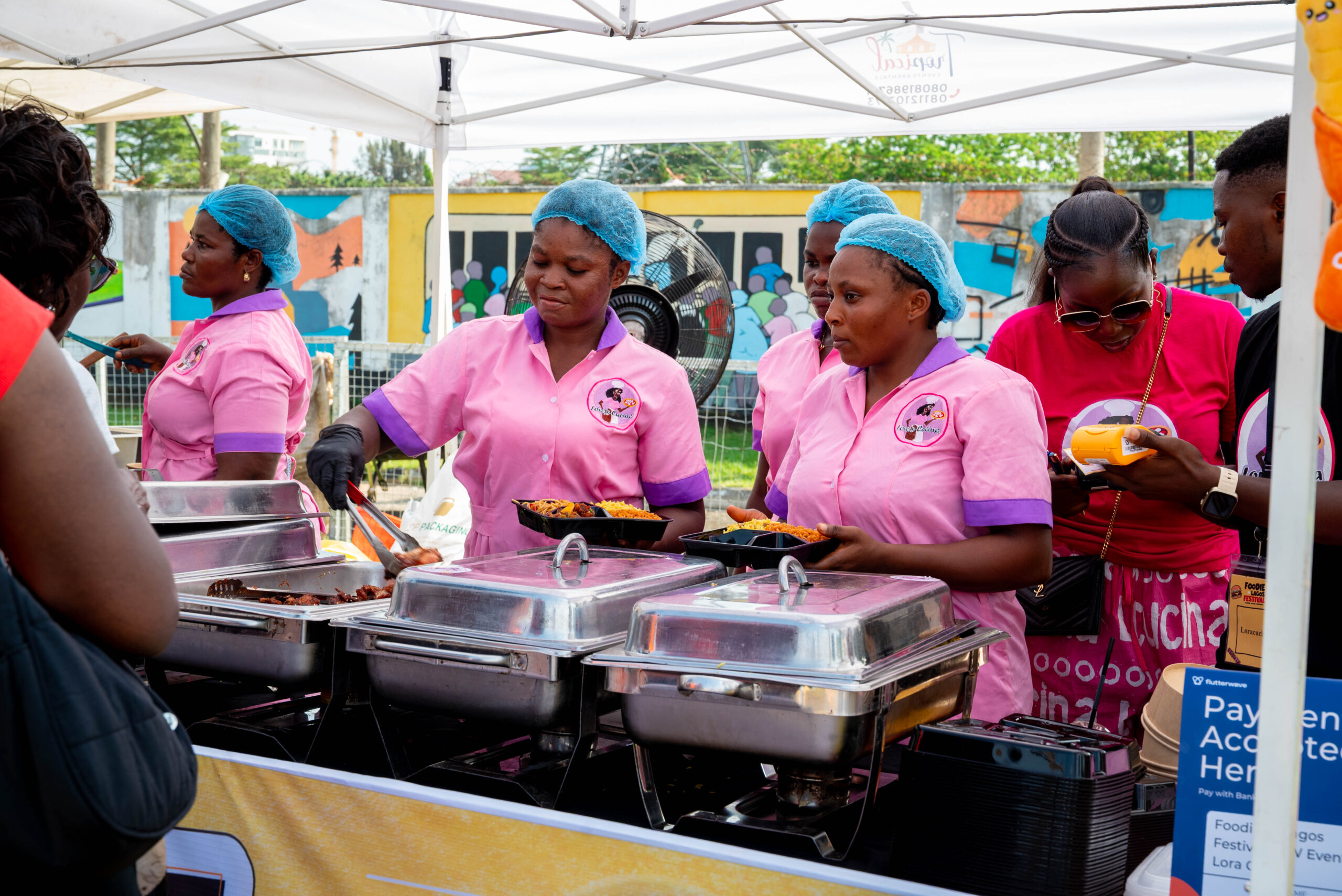
At the heart of the festival was food and plenty of it. Across two days, the festival’s food vendors delivered a diverse range of offerings spanning Nigerian classics, grills, desserts, street food favourites, cocktails, and contemporary fusion dishes. From familiar crowd favourites to exciting new discoveries, attendees were spoilt for choice as they moved from stall to stall sampling flavours and discovering new brands.
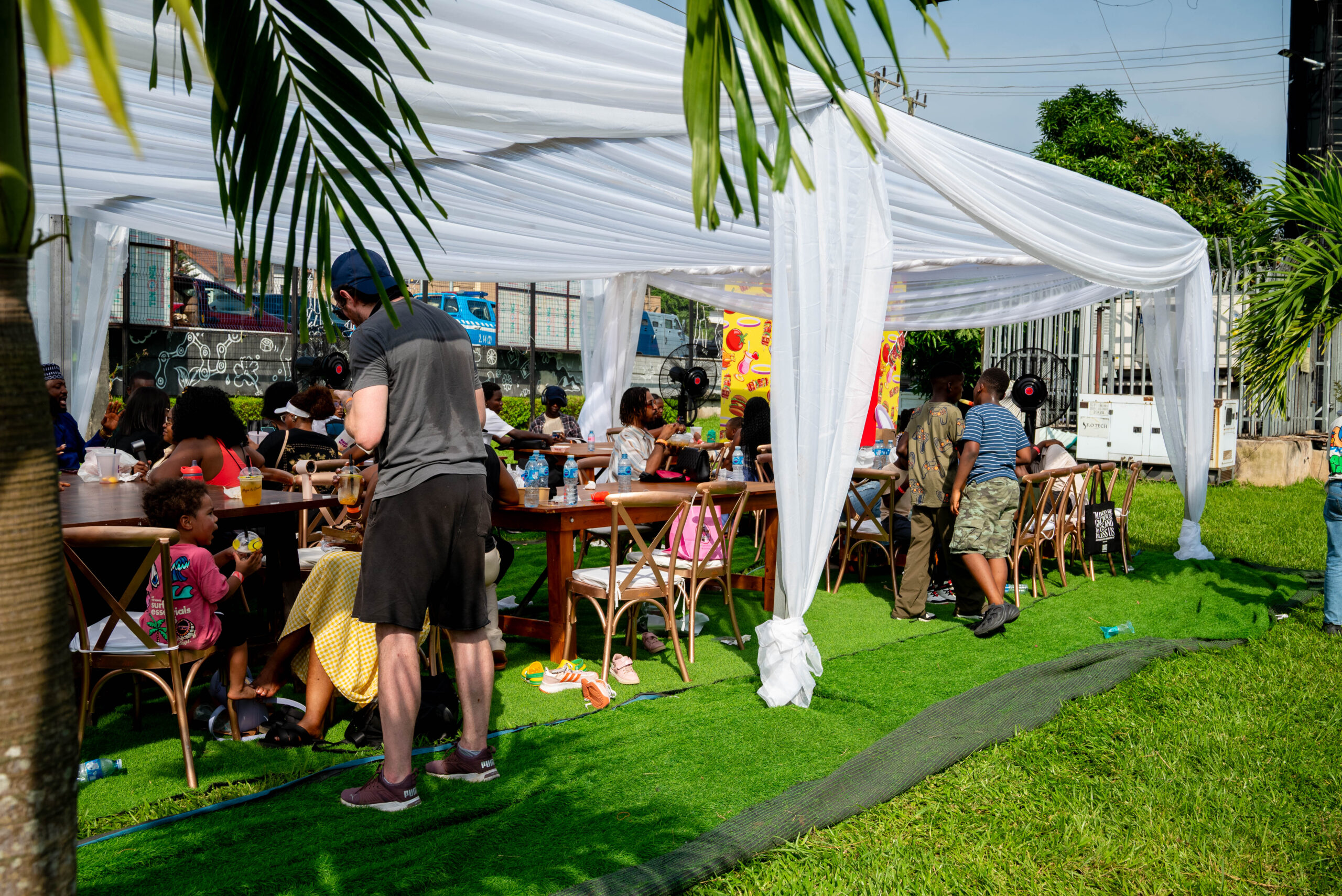
The festival’s layout encouraged exploration, with clearly defined vendor zones and relaxed communal seating that made it easy for guests to enjoy meals with friends and family. Many vendors reported sell-outs across both days, reinforcing the festival’s reputation as a key platform for food businesses looking to connect directly with their audience.
More Than a Food Festival
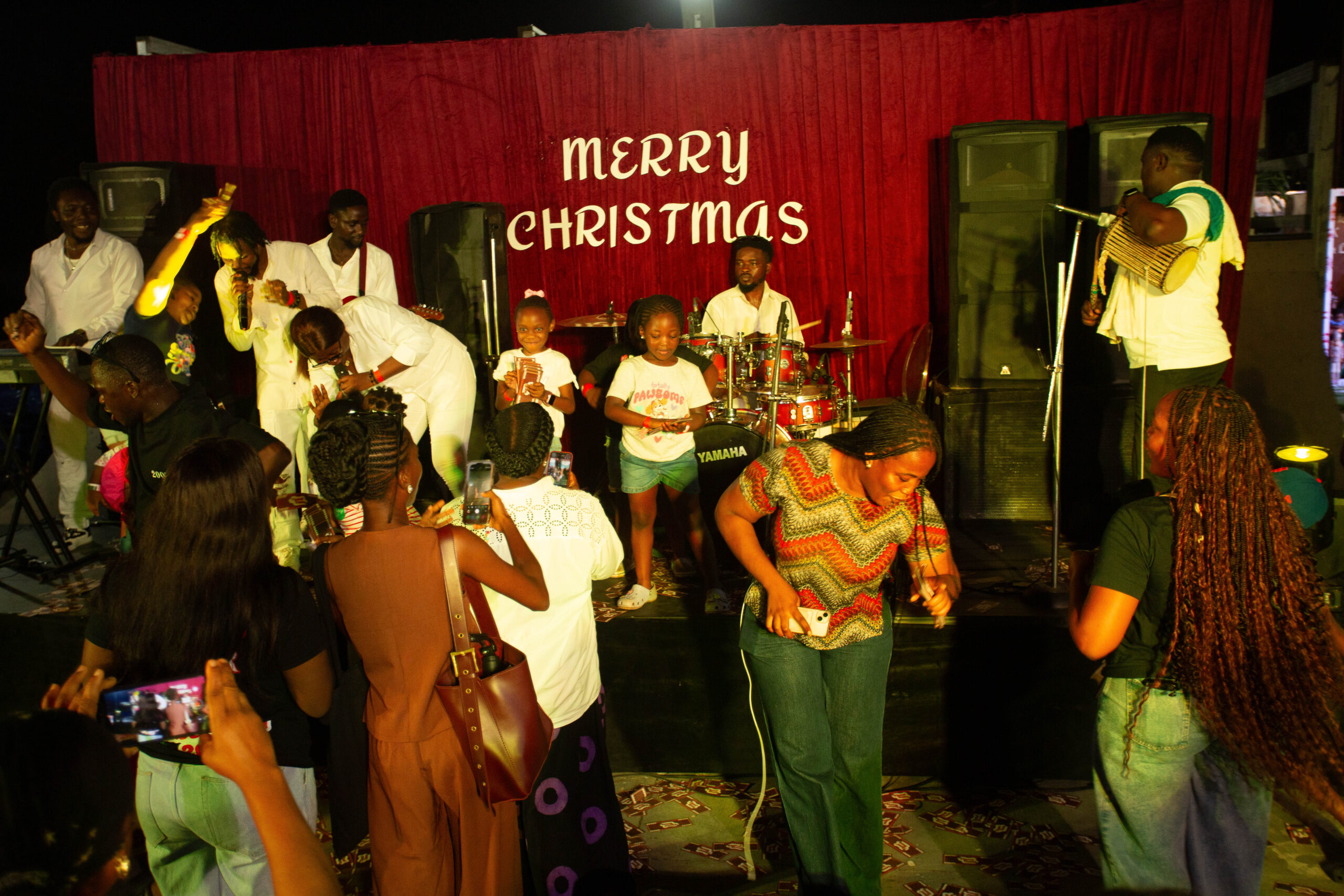
While food was the star, the Foodie in Lagos Festival delivered much more than just great meals. Live DJ sets by DJ Slymn & Guest DJ Lolahstic kept the energy high throughout the day, while a DJ battle and artiste performances turned the evenings into a lively celebration. A live band performance added a soulful touch, giving guests moments to slow down, sing along, dance, and soak in the atmosphere. The Festival was anchored by Deji Osikoya on Day One, with MC Obinna taking over hosting duties on Day Two, while Oludamee hosted the festival’s red carpet — ensuring seamless flow, high energy, and engaging moments throughout the event on both days.
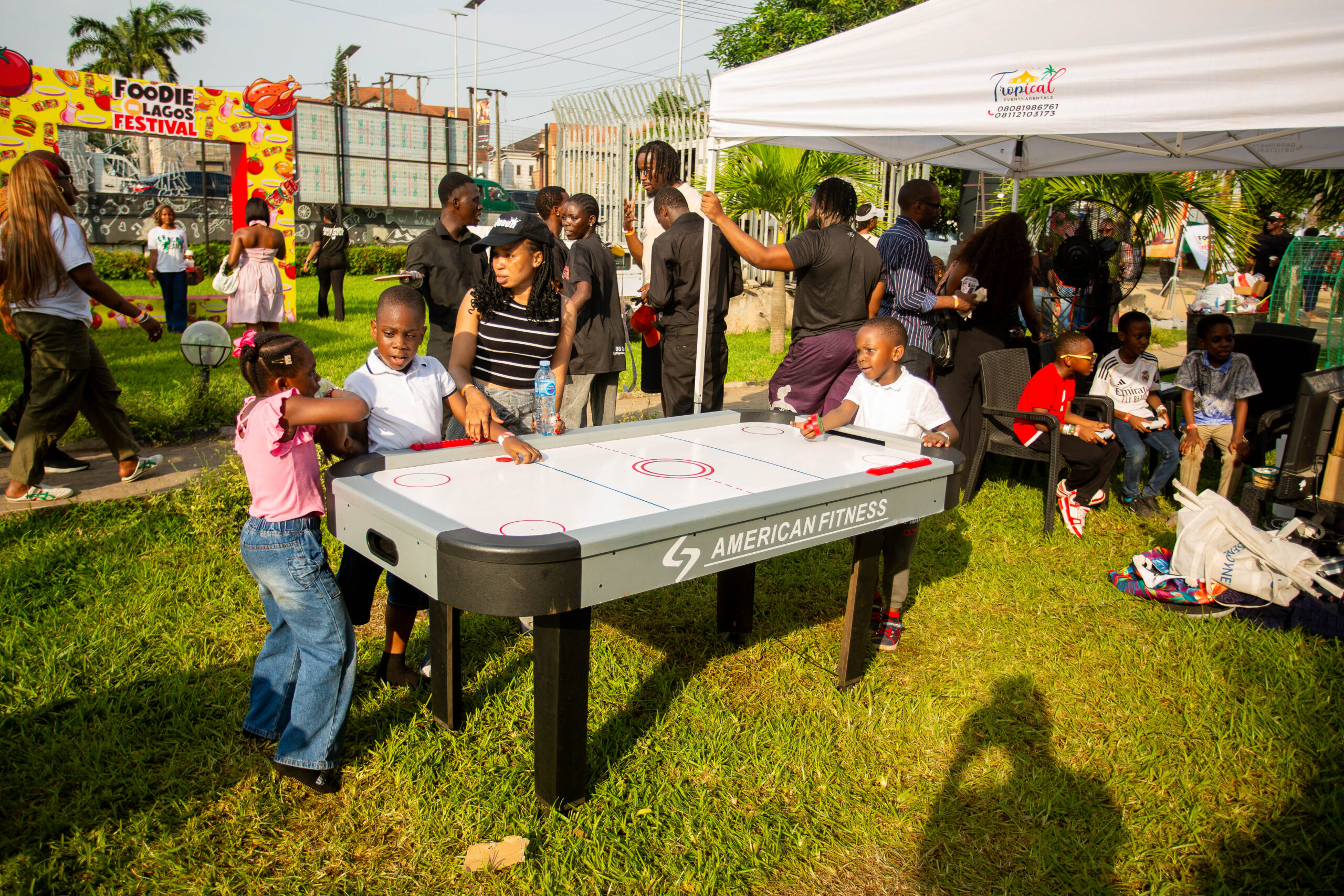
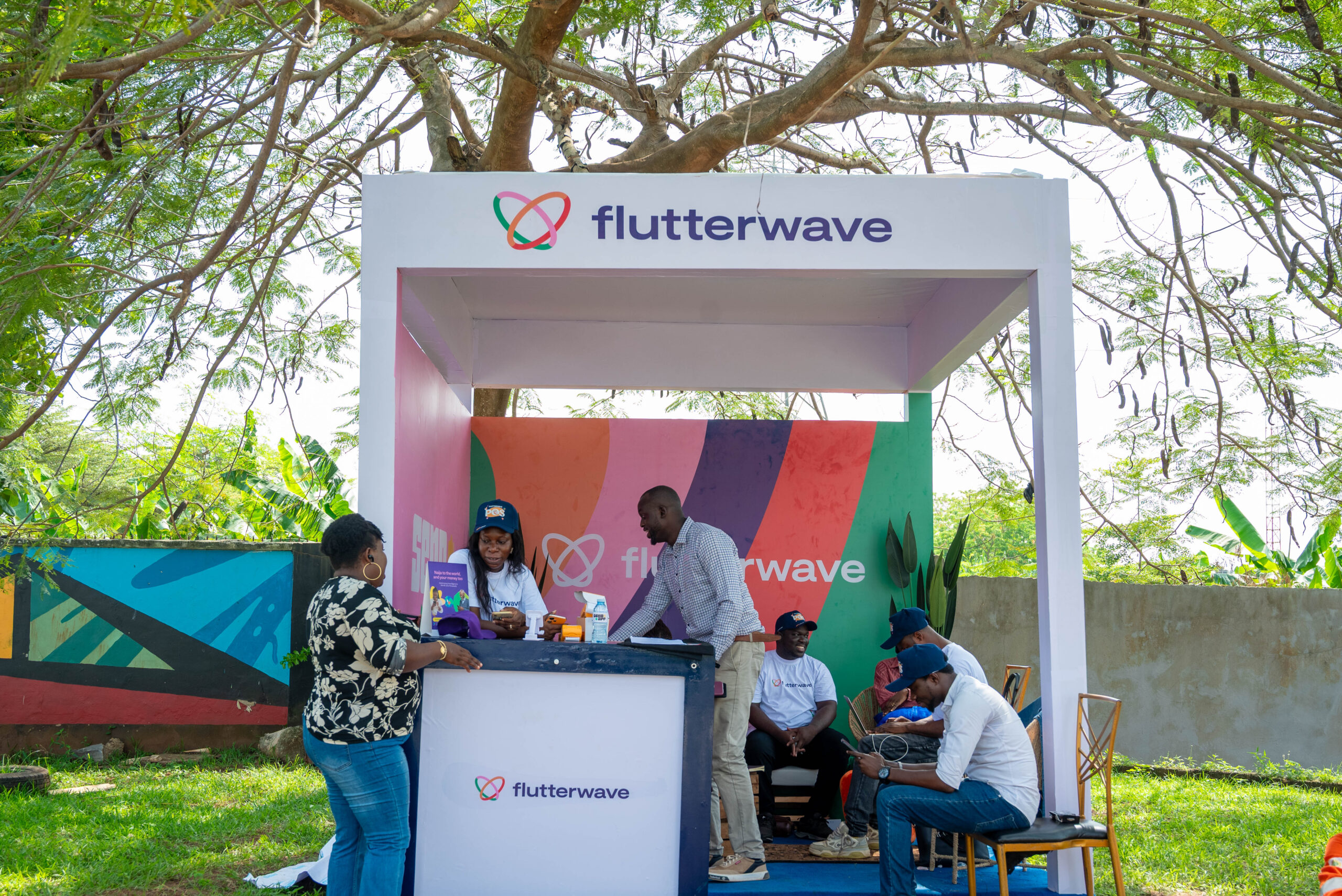
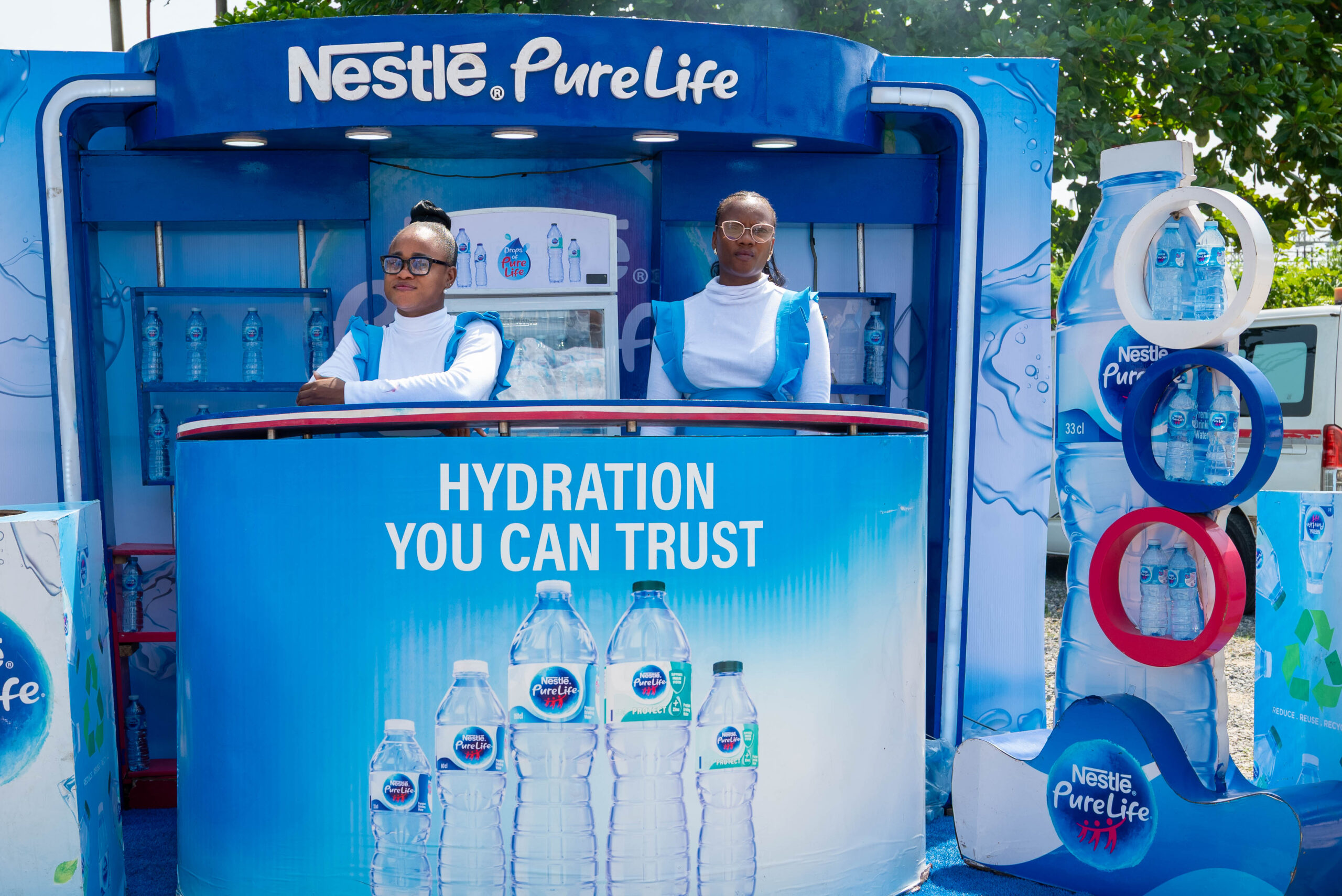
Interactive brand activations dotted the venue, creating engaging experiences that blended seamlessly into the festival environment. From kids’ play areas and game zones to experiential brand spaces and garden-style seating, brands connected meaningfully with guests without disrupting the flow of the event.
Family-Friendly Fun at the Christmas Village
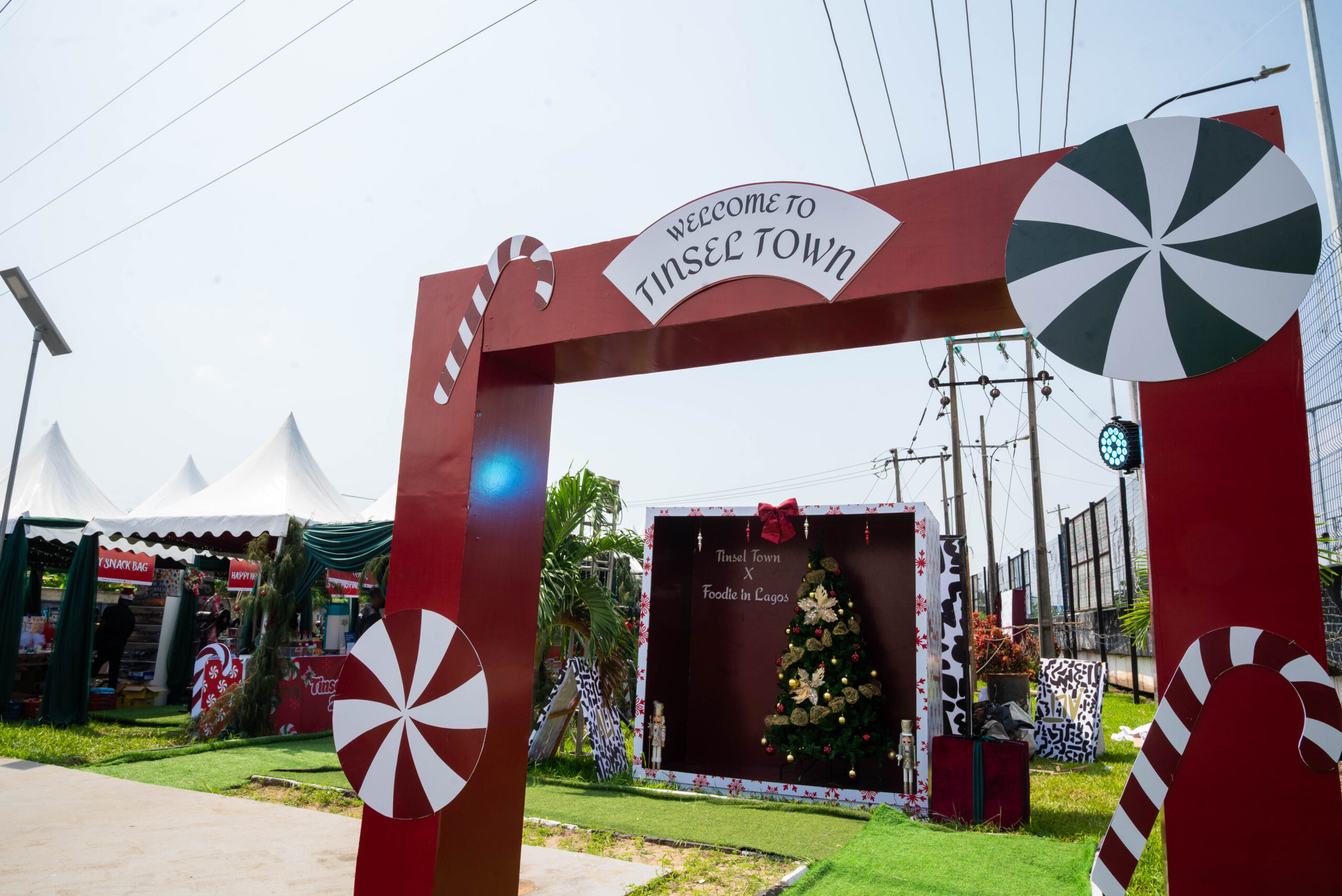
One of the standout attractions was the Christmas Village, curated in partnership with Tinsel Town and thoughtfully integrated into the festival experience. Designed with families in mind, the village offered a range of festive and creative activities for children, making the festival a truly inclusive event.
Young guests enjoyed bead-making workshops, cookie decorating classes, a Santa Grotto experience, and performances at the Elf Play House Theatre. Pamper sessions by Dermaspace added a gentle wellness element, ensuring both kids and parents could relax and enjoy the moment.
The Christmas Village reflected the festival’s commitment to creating a space where families could participate fully, rather than feeling like an afterthought.
Media partners BellaNaija, Olori Supergal, and My Lagos App helped amplify the festival’s reach, ensuring moments from the event travelled far beyond the venue.
A Defining Moment for Foodie in Lagos
For Foodie in Lagos, the festival marked a defining milestone, translating over a decade of digital food storytelling into a shared, real-world experience. Founded in 2013, Foodie in Lagos has grown into one of the city’s most trusted voices in food and lifestyle, consistently shaping conversations around where and how Lagos eats.
As the platform’s second festival, the Foodie in Lagos Festival reflected both the depth of its community and the strength of the trust it has built with audiences, vendors, and brands over the years. What began as an online dining guide has evolved into a platform capable of curating large-scale, community-driven experiences that celebrate Lagos’ ever-evolving food culture.
Held on December 17 and 18, 2025, the Foodie in Lagos Festival firmly established itself as a standout on Lagos’ Detty December calendar. Its inclusion in CNN’s 2025 Detty December line-up further underscored the festival’s growing cultural relevance, placing it among the season’s most anticipated food and lifestyle events.
If you missed out on the experience, highlights from the Foodie in Lagos Festival are available to view across Foodie in Lagos’ digital platforms.
For more information, please visit the Website. Instagram: @foodieinlagos | @foodieinlagosfest Threads: @foodieinlagos
Ready to settle into something new? There’s fresh music in town, and SND LAB and Star Baba Jay are behind it.
Their new single, “For Your Love,†leans into an easy, mid-tempo sound that sits between contemporary Afrobeats and R&B. From the first few seconds, the track keeps things measured, with SND LAB setting the pace through a steady rhythm and layered instrumentation that unfolds gently as the song progresses.
Star Baba Jay carries the song with a vocal delivery that feels close and intentional. He sings about devotion and emotional openness, taking his time with the lyrics and letting the story lead. Nothing feels rushed here; instead, the track allows space for feeling and reflection.
While rooted in African rhythms, “For Your Love†travels easily beyond borders. It’s the kind of song that fits late-night listening, quiet drives, or moments when you want something familiar but new. The collaboration points to a shared creative direction built on clarity and mood rather than excess.
The 68th Annual Grammy Awards are officially around the corner, and for us in the motherland, Sunday, 1st February 2026, is the only date that matters. While the world watches the “Big Four,†we have our eyes firmly fixed on the Best African Music Performance category. It is more than just an award; it is a celebration of the sounds that have moved from our local streets to the global stage.
This year’s “Big 5†contenders are a perfect mix of seasoned giants and the “new school†leaders who are currently holding the world in a chokehold. Here is everything you need to know about the songs and the stars vying for that golden gramophone.
Gimme Dat – Ayra Starr Featuring Wizkid
The “Celestial Being†and the “Starboy†teamed up once again for “Gimme Dat,†and the results were pure magic. Released on 25th April 2025, the song samples the iconic “911†by WyclefJean and Mary J. Blige, blending jazzy reggae beats with sultry Afrobeats rhythms. It’s a confident, sensual track where Ayra lists exactly what she needs in a lover—peace of mind and 100% commitment—while Wizkid delivers a breezy, seasoned verse.
The “City Boy†himself is back in the Grammy conversation with “Love,†a standout track from his eighth studio album, “No Sign of Weakness,†released on 10th July 2025. Produced by DreSkull, the song is a beautiful, introspective Afro-fusion piece that explores themes of loyalty, self-protection, and genuine devotion. It’s Burna Boy at his most vulnerable, trading his usual high-energy “pon di beats†for a mid-tempo, soulful reflection on who truly stands by you when the lights go out.
Burna is no stranger to the Recording Academy; this nomination brings his career total to a staggering 13 nods over seven consecutive years. Having already won Best Global Music Album in 2021 for “Twice as Tall,†he enters this race as a heavyweight veteran.
With You – Davido Featuring Omah Lay
Released on 18th April 2025 as a highlight of Davido’s fifth studio album, “5ive,†the track is a masterclass in modern Highlife. Inspired by BrightChimezie’s 1984 hit “Because of English,†the song features a repeating guitar loop and an easy, flirtatious charm that is hard to resist. Davido actually considered scrapping the song initially, but we are so glad he didn’t.
Omah Lay’s aching delivery pairs perfectly with Davido’s tender performance, making this a fan favourite. The nomination builds on Davido’s growing Grammy momentum after his historic three-nomination run last year, while for Omah Lay, it’s another well-earned nod that reinforces his place as one of the genre’s most distinctive voices.
PUSH 2 START – Tyla
After making history as the inaugural winner of this category 2024 with “Water,†South African sensation Tyla is looking for a back-to-back victory with “PUSH 2 START.â€
Released on 11th October 2024 as part of her TYLA + deluxe album, the song uses car metaphors to navigate the thrills of attraction and commitment. It’s a flawless blend of Amapiano, Pop, and R&B that has already dominated the Billboard and UK Afrobeats charts.
Eddy Kenzo & Mehran Matin – Hope & Love
Adding a unique, cross-cultural flavour to the category is “Hope & Love,†a collaboration between Uganda’s Eddy Kenzo and Iranian artist Mehran Matin. Released on 13th August 2025, the song is an uplifting Afrobeat anthem designed to unite hearts across borders. Featuring the joyful energy of the Masaka Kids Africana, the track is a reminder that music is a universal language that shines brightest in the darkness.
Eddy Kenzo remains a pioneer for East African music on the global stage. This isn’t his first rodeo; he made history in 2023 as the first Ugandan artist to be nominated for a Grammy. His return to the category with Mehran Matin shows that his mission to “spread love†through music is far from over.
Did You Know?
The Best African Music Performance category is relatively new. It was created in June 2023 and first awarded in 2024 to recognise recordings that utilise unique local expressions from across the continent. The Recording Academy established this dedicated space to acknowledge the massive global impact of genres like Afrobeats, Amapiano, Highlife, and Bongo Flava.
Adekunle Gold is definitely in his “I’m getting my money up†era, and we’ve got all the receipts.
The superstar kept his word about dropping something new. In yesterday’s newsletter, he told subscribers “I have a surprise for you tonight,†and by midnight – boom! – we had a fresh single. Some fans probably stayed up just to be first to hear it.
“Bobo†is a fun, bouncy track all about money, confidence, and not caring what people think. Featuring Lojay and Shoday, it’s basically an anthem for anyone levelling up and living their best life. Plus, it’s packed with that Nigerian humour we all love about how money changes everything.
AG didn’t just give us audio, there’s a visualiser too, so you can watch all three artists bring the song to life.
This comes after “Coco Money,†which is exactly why we’re saying Adekunle Gold is really in his money era right now.
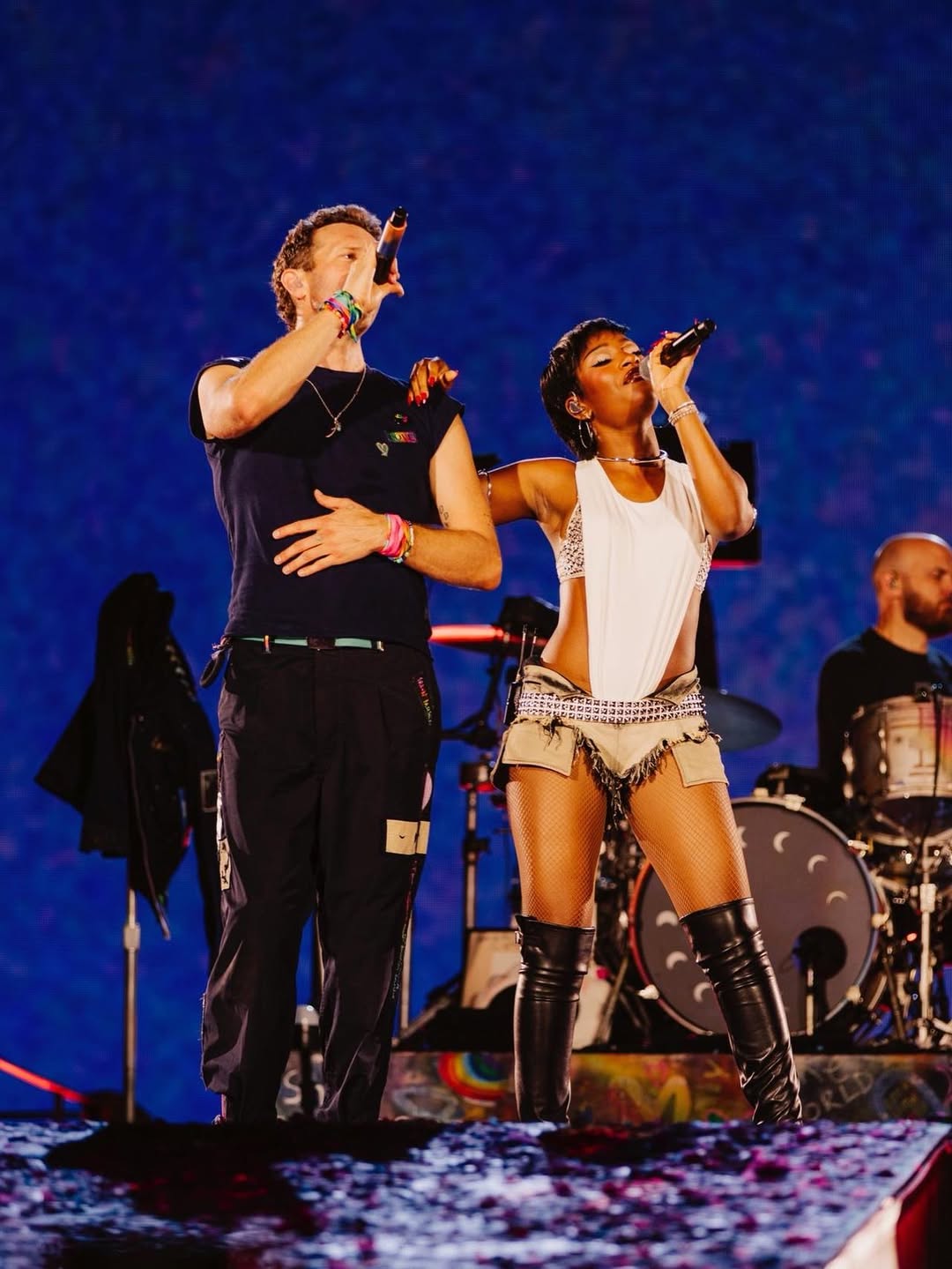
Ayra Starr is busy making the case for being the coolest person alive. Over the weekend, the 22-year-old Nigerian pop star showed up at Coldplay’s Music of the Spheres tour in Miami looking beautiful, sounding like summer, and casually performing her new single “Hot Body†alongside ChrisMartin.
Before they even started, Martin gave her a glowing intro: “This is Ayra Starr from Nigeria. She is going to be the world’s biggest pop star soon.†And if you’ve heard “Hot Body,†you know he’s not wrong.
Ayra taught Coldplay’s guitarist the lyrics on stage, danced like the main character, because she is, and kept things electric, without needing to shout. Dancers flipped around her, the crowd swayed and screamed, and just when you thought it couldn’t get more surreal—LionelMessi appeared on the big screen, watching it all unfold like the rest of us.
“I just performed Hot Body with Coldplay !!! And Messi was in the audience,†she wrote on Instagram, casually dropping that bombshell like she hadn’t just done the coolest thing in the world.
Welcome to The Next Wave: Francophone Africa, your weekly look at the tech ecosystem in French-speaking Africa. This newsletter is in French by default, but you can click the button below to read an English version.
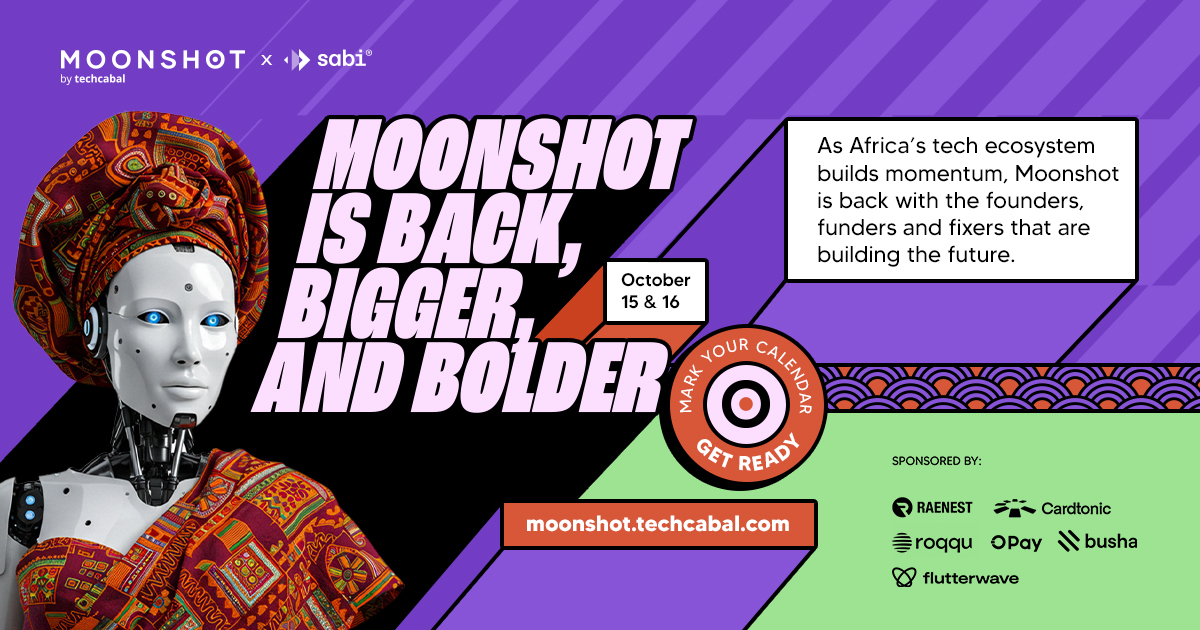
Mark your calendars! Moonshot by TechCabal is back in Lagos on October 15–16! Join Africa’s top founders, creatives & tech leaders for 2 days of keynotes, mixers & future-forward ideas. Early bird tickets now 20% off—don’t snooze! Get your tickets.
It’s a sabi summerrr indeed! AyraStarr just dropped some brand-new photos from her recent performance with none other than Coldplay, and if you know anything about Ayra, you know the vibe is never halfway. Captioning it “back on stageee with the best Band in the worlddd Coldplay,†the superstar reminded us that her summer isn’t just hot, it’s global.
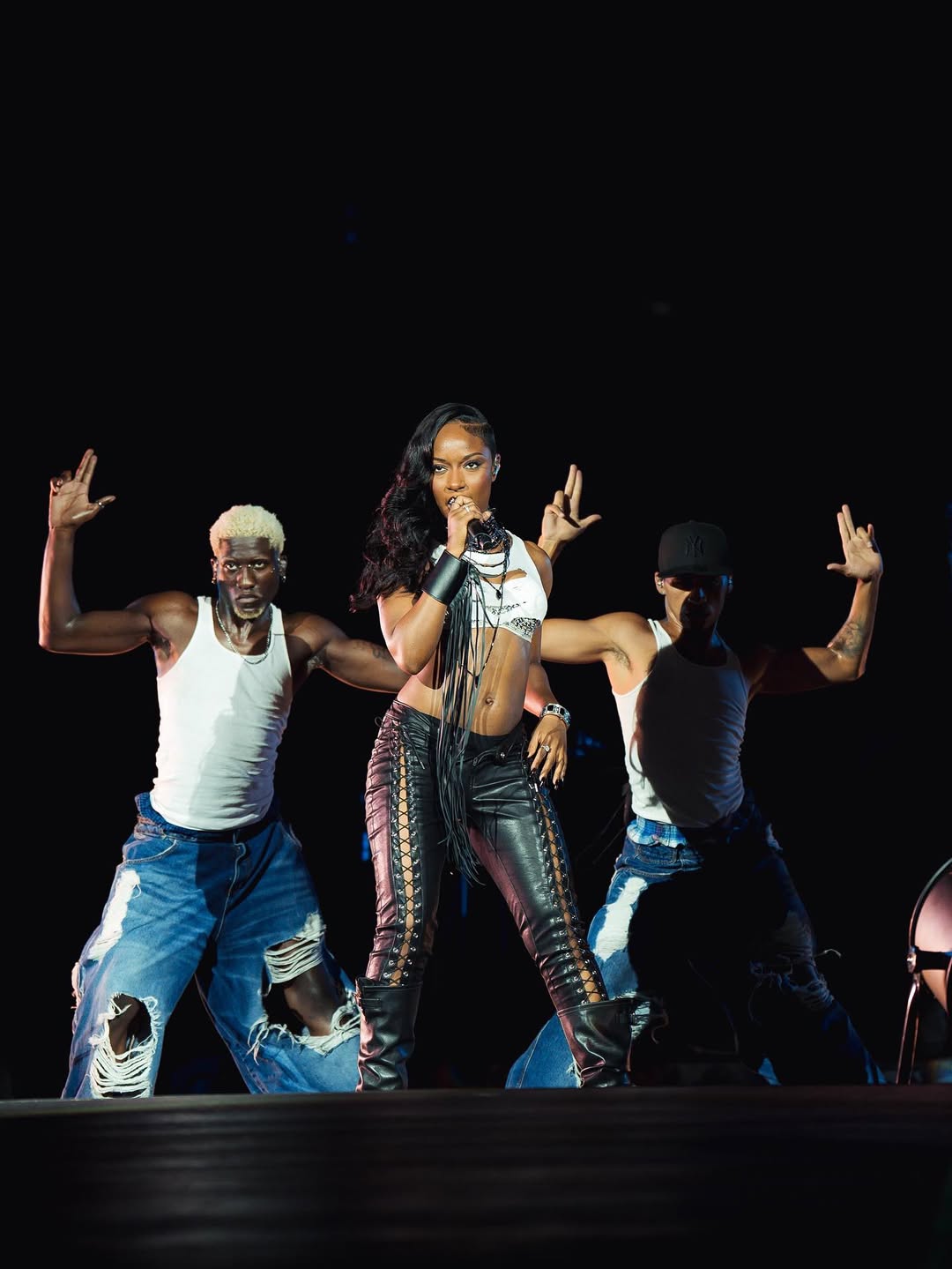
The photos take us right into the heart of the performance. One shot captures a fully coordinated set with dancers dressed in edgy black leather trousers and white tank tops printed with black stars. The scene has a cool, industrial look with chain-link fencing, stomping boots and sharp choreography all coming together.
Another photo brings that unmistakable concert magic. Ayra, dressed in white with metallic accents, fishnets and knee-high boots, performs alongside Chris Martin. Her hand rests lightly on his shoulder as blue lights flood the stage. A drum kit lingers in the background, adding to the thrill of the moment.
And just when you think it’s all about the stage, Ayra switches things up completely. The final look is Western-inspired, but with her own twist. A classic cowboy hat, chunky gold jewellery and a black strappy top with gold hardware come together for a bold, confident look. It’s giving cowgirl meets cosmopolitan, from Lagos to London.
Are you loving this look on Ayra Starr? Because we definitely are.
In 2024, the pay gap between Kenya’s corporate boardrooms and ordinary workers widened further. Bank executives continued to dominate the top of the earnings pyramid, with the country’s highest-paid CEOs taking home hundreds of millions of dollars in salaries, bonuses, stock options, and benefits, even as many companies trimmed staff or froze junior pay to preserve profits amid high interest rates, sluggish credit growth, and mounting economic uncertainty.
An analysis by TechCabal of the 12 highest-paid CEOs in Kenya’s listed companies shows just how lucrative corporate leadership remains. It also reflects how banks—buying government securities and cutting lending to the real economy—have stayed highly profitable and richly rewarding for their top management.
Financial sector chiefs took home Kenya’s lion’s share of corporate pay. Bank CEOs pocketed nearly KES1.2 billion ($9.3 million), led by Paul Russo, John Gachora, and Gideon Muriuki. Safaricom’s Peter Ndegwa, however, out-earned them all, further cementing the telecom giant’s dominance of the East African market.
The earnings packages, disclosed in annual reports, come amid a growing mismatch between executive compensation and economic performance. While the Central Bank of Kenya (CBK) warned repeatedly that banks were not directing credit to the productive economy, compensation for senior bank leaders continued to rise sharply, in some cases by over 40%.
Kenya’s banking sector recorded KES262.3 billion ($2 billion) in pre-tax profits in 2024. Yet much of that came from locking into high-yield government securities rather than lending to the real economy.
1. Peter Ndegwa, Safaricom — KES 294.2 million ($2,284,516)
Safaricom’s chief executive, Peter Ndegwa, is the highest-paid CEO in corporate Kenya for the fiscal year ending March 2025, earning KES 294.2 million in total compensation, a 17% increase from the previous year.Â
His pay package included KES 98.7 million ($766,423) in salary, a bonus of KES 116.7 million ($906,200), non-cash benefits valued at KES 33.5 million ($260,133), and KES 45.3 million ($351,700) in performance shares under the company’s Executive Performance Share Award Plan (EPSAP).
The payout came as the telecoms giant returned to growth, reporting an 11% rise in net profit to KES 69.8 billion ($542 million), driven by strong performances in mobile money, data services, and narrowing losses in its Ethiopia operations. Safaricom remains East Africa’s most profitable company and one of its most generous boardrooms.
2. Paul Russo, KCB Group — KES 250.2 million ($1,942,850)
KCB Group CEO Paul Russo’s total compensation soared by 40.8% in 2024, making him the highest-paid bank executive in the country. His KES 250.2 million payout came in a year when KCB reported KES 60 billion ($466 million) record profits, primarily from risk-free lending to the government through Treasury instruments.
The bank, however, also raised its loan-loss provisions to buffer against rising defaults, a nod to the financial strain facing many households and SMEs. Despite Russo’s windfall, KCB cut its directors’ compensation by 20%, a rare move in an otherwise lucrative boardroom year.
3. John Gachora, NCBA Group — KES 208.4 million ($1,618,264)
NCBA Group CEO John Gachora earned KES 208.4 million in 2024—a 25.7% increase from the previous year. While his pay placed him third among NSE-listed executives, NCBA’s boardroom was the most expensive, with directors pocketing a record KES 660.2 million ($5,126,883)— up 54.4%.
The bank’s KES 22 billion ($171 million) profitability was primarily driven by investments in Treasury bills and bonds, with cautious private-sector lending still in play.
4. Gideon Muriuki, Co-operative Bank — KES 172.5 million ($1,339,509)
Gideon Muriuki, Co-operative Bank’s long-serving CEO, took home KES 172.5 million in 2024, a 11.7% increase from 2023. The lender’s profitability remained strong, reporting KES 25.4 billion ($197 million) in 2024, giving directors a 28.1% jump in total remuneration to KES 473.4 million ($3,676,036).
But the windfall at the top contrasted sharply with a freeze in junior staff salaries and an ongoing push to reduce operating costs by migrating services to digital channels.
5. Kariuki Ngari, Standard Chartered Kenya — KES 174.4 million ($1,354,250)
Standard Chartered CEO Kariuki Ngari saw one of the steepest pay raises among banking bosses — a 43.5% jump — after the bank posted KES 28.2 billion ($219 million) record earnings in 2024. His KES 174.4 million package stood out in a year when the bank continued restructuring through attrition and digitisation.
Directors’ compensation also rose 17.4% to KES 378 million ($2,935,100), reinforcing the perception that executive and boardroom rewards remain insulated from broader belt-tightening.
6. James Mwangi, Equity Group — KES 166.3 million ($1,291,350)
James Mwangi, the long-time CEO of Equity Bank, saw his compensation rise modestly by 4.7% to KES 166.3 million. Despite the slower growth in its pay, Equity remains Kenya’s second most profitable bank and a major player in the regional financial sector. In 2024, Equity reported a 10.8% increase in net profit to KES 46.5 billion ($361 million).
He holds a direct stake of about 3.38% in the bank, making him one of its top individual shareholders, further linking his wealth to the group’s fortunes.
7. Abdi Mohammed, Absa Bank Kenya — KES 109.8 million ($852,555)
Absa Bank Kenya CEO Abdi Mohammed earned KES 109.8 million ($852,555) in 2024, marking a substantial 39.8% increase in pay. The bank saw strong growth in both interest and non-interest income, allowing it to reward its top brass handsomely.
At the same time, Absa has quietly trimmed operational expenses, suggesting an efficiency drive underpinning its performance.
8. Patrick Mweheire, Stanbic Bank Kenya — KES 95.5 million ($741,600)
Stanbic Bank CEO Patrick Mweheire earned KES 95.5 million ($741,600) in 2024, a 12.8% increase from the year before. Like many of his peers, Mweheire presided over a year of cautious lending, focusing on blue-chip clients and government securities.
The bank’s board also saw its pay rise by 17.4%, adding to an industry-wide pattern of reward concentration at the top.
9. Jane Karuku, EABL — KES 83.49 million ($648,323)
EABL managing director Jane Karuku earned KES 83.49 million ($648,323) in 2024, with her salary accounting for nearly 66% of the total. The rest comprised bonuses and stock options. The brewer’s profit grew 20% to KES 8.1 billion ($63 million), amid a challenging consumer environment.
Karuku remains one of the few women leading a top NSE-listed company, underlining the enduring gender gap in Kenya’s executive suites.
10. Kihara Maina, I&M Bank — KES 69.3 million ($538,127)
I&M Bank CEO Kihara Maina was among only two bank bosses to see a pay cut in 2024. His compensation dropped by 9.7% to KES 69.3 million ($538,127), and the bank also trimmed board pay.
11. James Mworia, Centum Investment Company — KES 64.52 million ($501,000)
Centum CEO James Mworia received KES 64.52 million ($501,000) in total compensation in 2024. While modest compared to his peers in banking and telecoms, his pay still outpaces average Kenyan earnings by several orders of magnitude.
Mworia’s remuneration came in a year when Centum reported KES 812 million ($6.3 million) in net profits, a 68% drop from 2023.
12. Nasim Devji, Diamond Trust Bank (DTB) — KES 62.9 million ($488,430)
Veteran DTB chief executive Nasim Devji also saw a decline in her compensation — a 4.2% drop to KES 62.9 million ($488,430). DTB’s strategy focused on regional integration, conservative lending, and cost controls. Despite her longstanding tenure and influence in the sector, Devji’s pay remained among the lowest in the top tier of Kenya’s banking elite. The bank reported a net profit of KES 7.64 billion ($59 million).
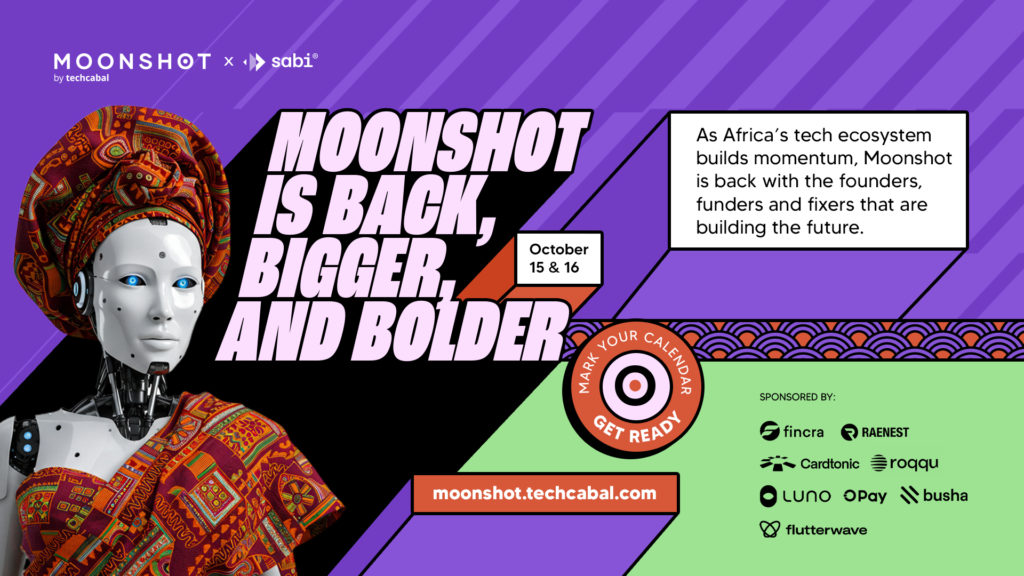
Mark your calendars! Moonshot by TechCabal is back in Lagos on October 15–16! Join Africa’s top founders, creatives & tech leaders for 2 days of keynotes, mixers & future-forward ideas. Early bird tickets now 20% off—don’t snooze! moonshot.techcabal.com
It’s been over a decade since former South African President and global icon Nelson Mandela passed away. Every year on his birthday, 18 July, South Africans, and everyone around the world, are asked to dedicate 67 minutes of their time to helping others. The number marks the years Mandela spent in service — from his early legal work in Johannesburg and underground activism, to his imprisonment on Robben Island alongside other stalwarts of the liberation struggle.
This year, Mandela Day arrives during a particularly volatile moment in the country. Just last week, Lieutenant General Nhlanhla Lucky Mkhwanazi publicly accused Police Minister Senzo Mchunu and other senior officials of disbanding a task team investigating political assassinations in KwaZulu-Natal, and of concealing evidence. These are serious allegations, with the potential to shake national politics. In response, President Cyril Ramaphosa has ordered the formation of a commission of inquiry.
All this unfolds against a backdrop of deepening instability. The Government of National Unity is fragile, always one disagreement away from collapse. In Mandela’s home province, the Eastern Cape, recent floods have resulted in deaths and left communities reeling. At the same time, budget cuts to key health programmes are raising alarms about the state’s ability to care for its people.
OkayAfrica took to the streets to speak to young South Africans about their thoughts and feelings about Mandela Day. For Sivenathi, a student at the University of the Western Cape, the day represents “the effort and progress made towards addressing the injustices of the past.â€
She continues: “It also poses a solution for us to work together towards addressing those injustices, and taking a collaborative and bottom-up approach to addressing the issues we face as a society because of our past.â€
Buhlebethu Magwaza (31) agrees. As the project lead at Youth Capital, a campaign advocating for key policy changes to solve youth unemployment, she recognises the urgency of a youth locked out of employment opportunities. She plans to spend Mandela Day helping young people format their resumes and with reading and comprehending job descriptions. For her, the day is about “collective action.â€
“It’s about what you can do with your community to give back. It’s about being courageous, it’s about unity, and doing something for someone. Mandela was really about nation building and what we can do to ensure that everyone contributes to a better South Africa, continent, and even the world,†she says.
Compassion and courage are two values of the revered former statesman that she still abides by today. “To solve today’s development problems, we need to be courageous. In the same breadth, we need to be compassionate; people are going through a lot. We need to remember that we exist within our communities; therefore, we must remember to always be kind in whatever we do,†she says.
The legacy of the man, however, has not gone unquestioned. For many, Mandela’s vision of a “rainbow nation†feels increasingly out of step with South Africa’s present-day realities. The post-apartheid promise of equality and justice remains unfulfilled for millions. Rising inequality, corruption, unemployment, and deep mistrust in political leadership have led some to view Mandela Day as symbolic at best, performative at worst.
But Magwaza reckons the day is still relevant.
“Especially in a world that is going through so much,†she says. “It’s always important that you give back. You go back to communities, see what can be done, and how you can contribute. As someone who works in the youth unemployment space, I think now more than ever we need to pull together to come up with solutions,†she says.
Thapelo Tapala (13), a student, learnt that fighting for one’s rights is important while being taught about Mandela in school. But he doesn’t think that people nowadays pay attention to the day. To his generation, Mandela represents freedom. “We’re young people who need our rights and our freedom,†he says. His cousin Anesu (15) agrees that young people don’t really pay attention to Mandela Day anymore. “I think it’s just another day for them. He does mean a lot to us, even though we don’t really show it in anything we do. He fought for our freedom, and that is why we are where we are now,†he concludes.
July 5th marks Algerian Independence Day. In 1962, it became the first African country to liberate itself from 132 years of French occupation and colonization, having waged an eight-year-long guerrilla war.
But Algeria wasn’t done fighting imperialism. It poured its energy and resources into helping other colonized countries, positioning itself as the spearhead of Pan-African and internationalist action at the time.
It is widely known that Afro Caribbean psychiatrist Frantz Fanon dedicated himself to the Algerian cause, using his experience with the National Liberation Front to formulate a theory of liberation in his books, The Wretched of the Earth and Toward the African Liberation.
It is less known that in the newly liberated streets of Algiers, you would have bumped intoBlack Panthers, fighters of theAfrican National Congress, and militants from Cape Verde, Angola, Mozambique, the Canary Islands, or Namibia.
“During the War of Independence, Algeria had large support from African countries like Morocco, Tunisia, Egypt, Mali, Ghana, and Congo,” filmmaker Hassane Mezine tells OkayAfrica. “It was part of the essence of the Algerian revolution to support national liberation movements from other countries. The Algerian national project of liberation was not just an Algerian project. It was an African project.”
Once the French had been driven out, around 80 international organizations were invited to mingle in the North African capital of the revolutionary, anti-colonial, and anti-fascist struggle, generously hosted by Ahmed Ben Bella’s nascent regime, which felt a responsibility to popularize its belief that non-violent resistance would never defeat imperialism.
Revolutionaries and exiled militants received training in guerrilla-style warfare, financial support, and political education. Nelson Mandela famouslydeclared, “The Algerian army made me a man,” and Guinea’s Amilcar Cabralcalled Algiers the “Mecca of Revolution.”
“This was a time when Algerians met people from other places who had the same struggle with a history linked to colonialism and a need for liberation,” says Mezine. “I think that young people in Algeria are very aware of this up to today.”
When London-based Algerian cultural organizer Dénia Dimsdale wrote her master’s thesis about the 1969 Pan-African Cultural Festival in Algiers, she found that most diasporic Algerians of her generation were unaware of the great role their country played in the post-independence era.
“The festival was a beautiful moment in history where Algerians still had a fractured sense of identity - are we French or are we Arab?” says Dimsdale. “Pan-Africanism just came from the sky, gifting Algerians their African identity. But then the government at the time saw it as the perfect opportunity to hijack it and use it for its own gain.”
One of the comments on Dimsdale’s thesis was that she had arrived at an unfair conclusion, saying that the government had hijacked Pan-Africanism. “This information is so difficult to access. I found nothing [about it] online in French, English, or Arabic,” she says.
Said Djinnit, a former Algerian diplomat, witnessed post-independence Algiers, where he began his career working with foreign liberation movements. “You can choose to look at the Sahara as dividing or uniting Africa,” he says. “I’m a Pan-Africanist, I think it unites us.”
Djinnit dedicated his life to Pan-African unity, serving in the African department of the Algerian government and becoming a key architect of the ‘African solutions to African problems’ approach. “The position in Addis Ababa, Africa’s capital, is as important for Algeria as New York,” he says, refusing the divide of North and Sub-Saharan Africa and calling it “pure fabrication. Africa is geographical space, a continent. Not history, not mythology, but reality.”
Algeria was one of the founding members of the Organization of African Unity (OAU) in 1963, establishing a Liberation Committee and an African Battalion tasked with coming to the aid of revolutionary and liberation movements in need of weapons, money, or militants.
“Through people like my father and his colleagues, Algeria has kept a key role in continental peace and security architecture in the 21st century,” says Dalil Djinnit, Said’s Algerian Ethiopian son. “Based on their experience and budget, Algeria is perhaps the only country in Africa to have this capacity.”
Unsurprisingly, the post-independence era, which many may consider a revolutionary utopia, was marked by harsh realities. The rapidly changing world order left no time for a continent as vast as Africa to figure out unity while nations were still embroiled in their liberation struggles. The Pan-African spirit dwindled. Algeria was plunged into civil war in the 1990s, which led it to look inward.
“[The younger generation’s] idea of Algeria stops with the Civil War because no one wants to talk about that or anything that happened after,” says Dimsdale. A growing economic and cultural influence from the Gulf brought what Mezine calls “a counterrevolutionary influence” to the country, stirring it away from Pan-African education and towards a stronger Arab and Islamic identity.
In asurveyconducted by OkayAfrica last year, asking North Africans to share the stories they grew up hearing about each other, there was a general impression that Algerians are not interested in inviting non-Algerians to their country. Considering their Pan-African efforts, this might seem counterintuitive.
“I think this can be linked to the traumatic experience of being French,” says Dalil Djinnit. “Algeria is trying to protect itself,” agrees Dimsdale, but also notes that Pan-Africanism has lost its fire across the continent.
“At the OAU’s opening summit in 1963, Ben Bellasaid, ‘Let us all agree to die a little … so that the people still under colonial rule may be free,” says Djinnit. “Are you hearing any such statements from any other African leader today? Now, people are in survival mode; they are not dreaming anymore.”
As Algeria commemorates its triumph over colonial oppression, all Africans and formerly colonized peoples should remember July 5th as a historic milestone and turning point for the project of African self-determination and unity.
Mezine believes that we are once again at a turning point where the fundamentals of the Algerian revolution are seeing a revival. Djinnit actively advocates for this revival.
Algeria plays a big role in the African Union, continuing to be a champion for Western Sahara’s independence from Morocco, issuingdebt forgiveness to other African countries, and providingbillions of dollars to Sahelian countries.
“The [Algerian] government is aware that there is a real need to have people getting back to their relationship with the southern neighboring countries first and then to the rest of the continent,” says Mezine. “Governments know that the African people are the red line of liberation.”
“When I was a young diplomat and attending the OAU meetings, there was a sense that we were together, building our common destiny,” says Djinnit. “I attended the last African Union summit, and honestly, it looked like a panel discussion. We need an African moral rearmament.”
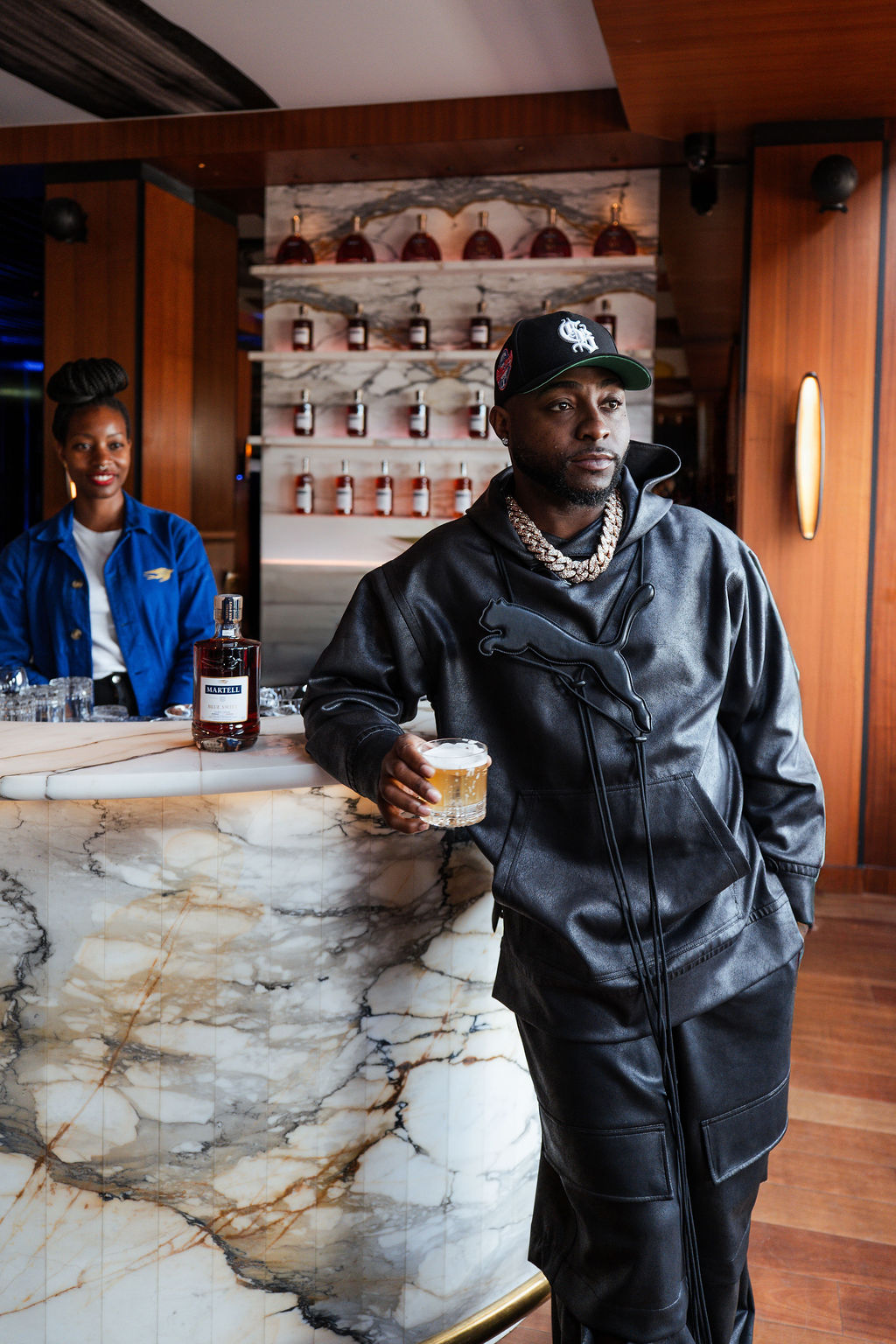
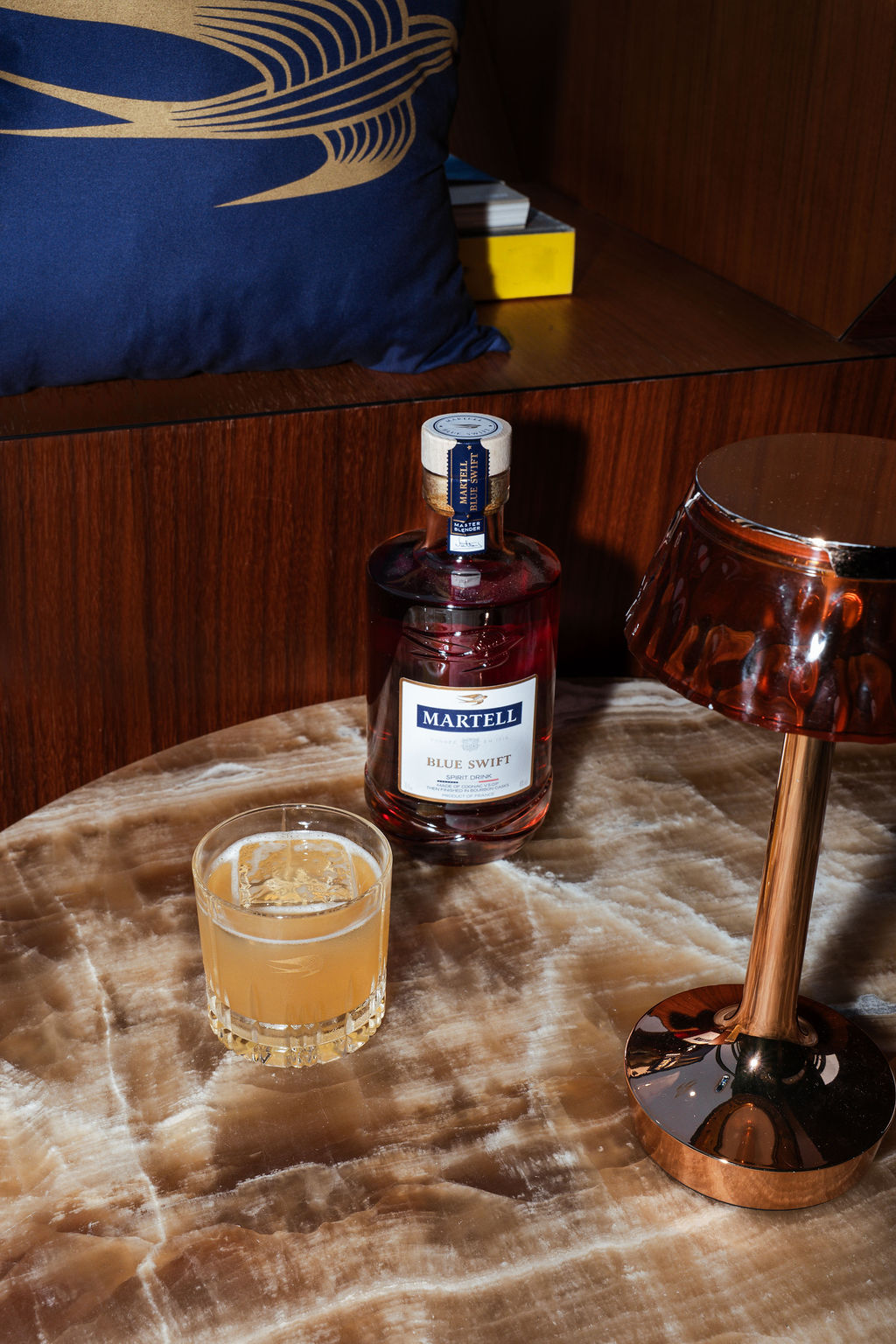
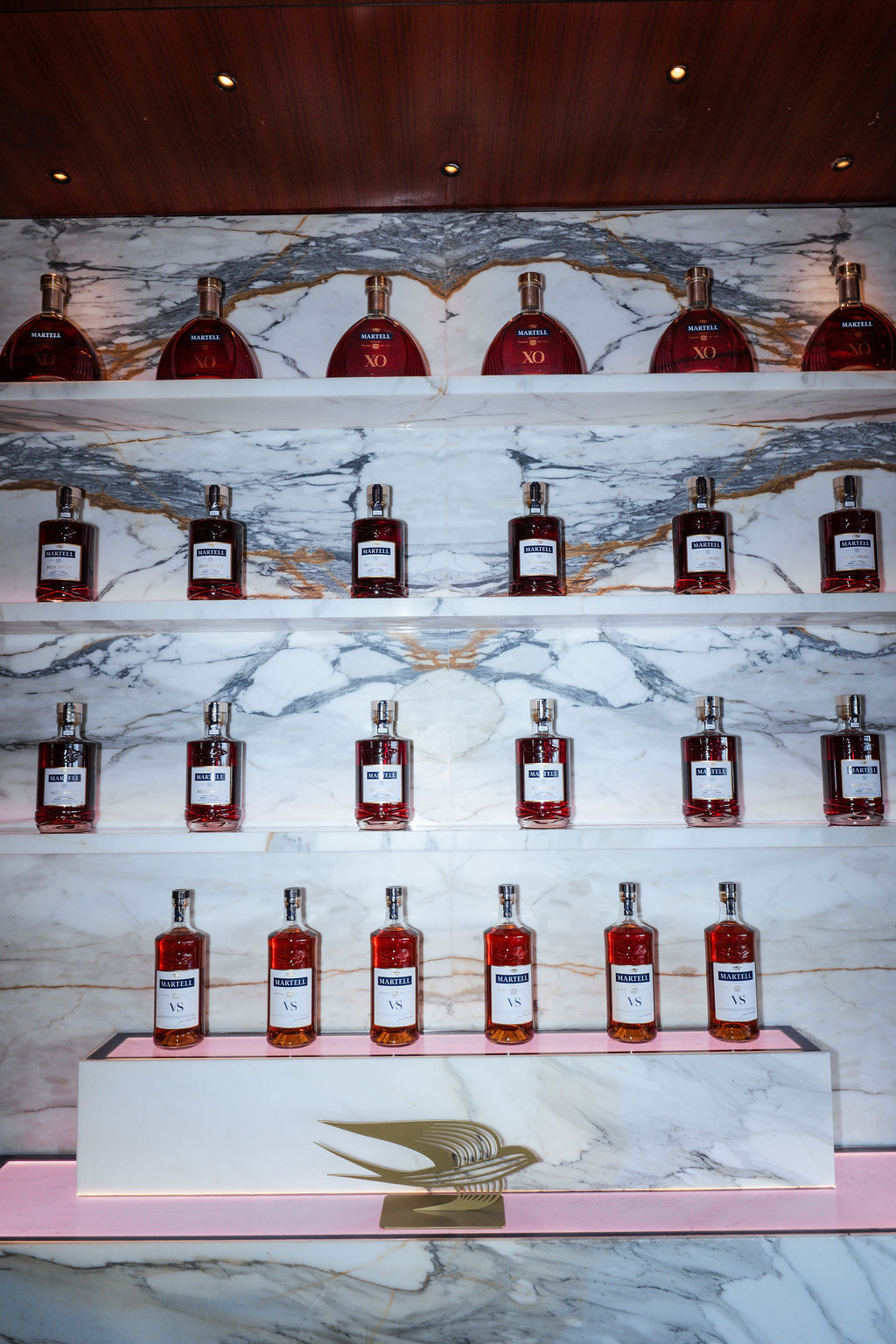
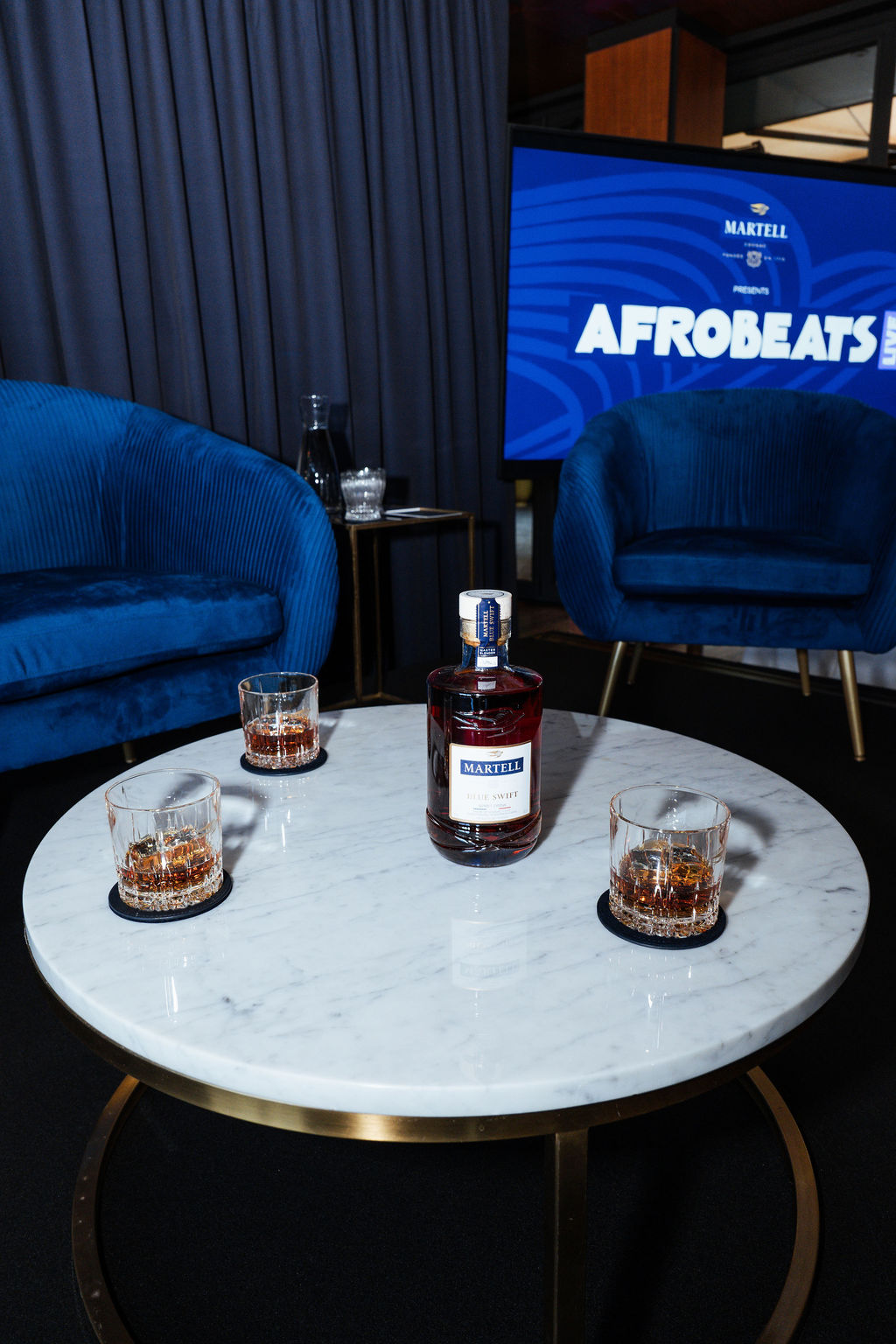
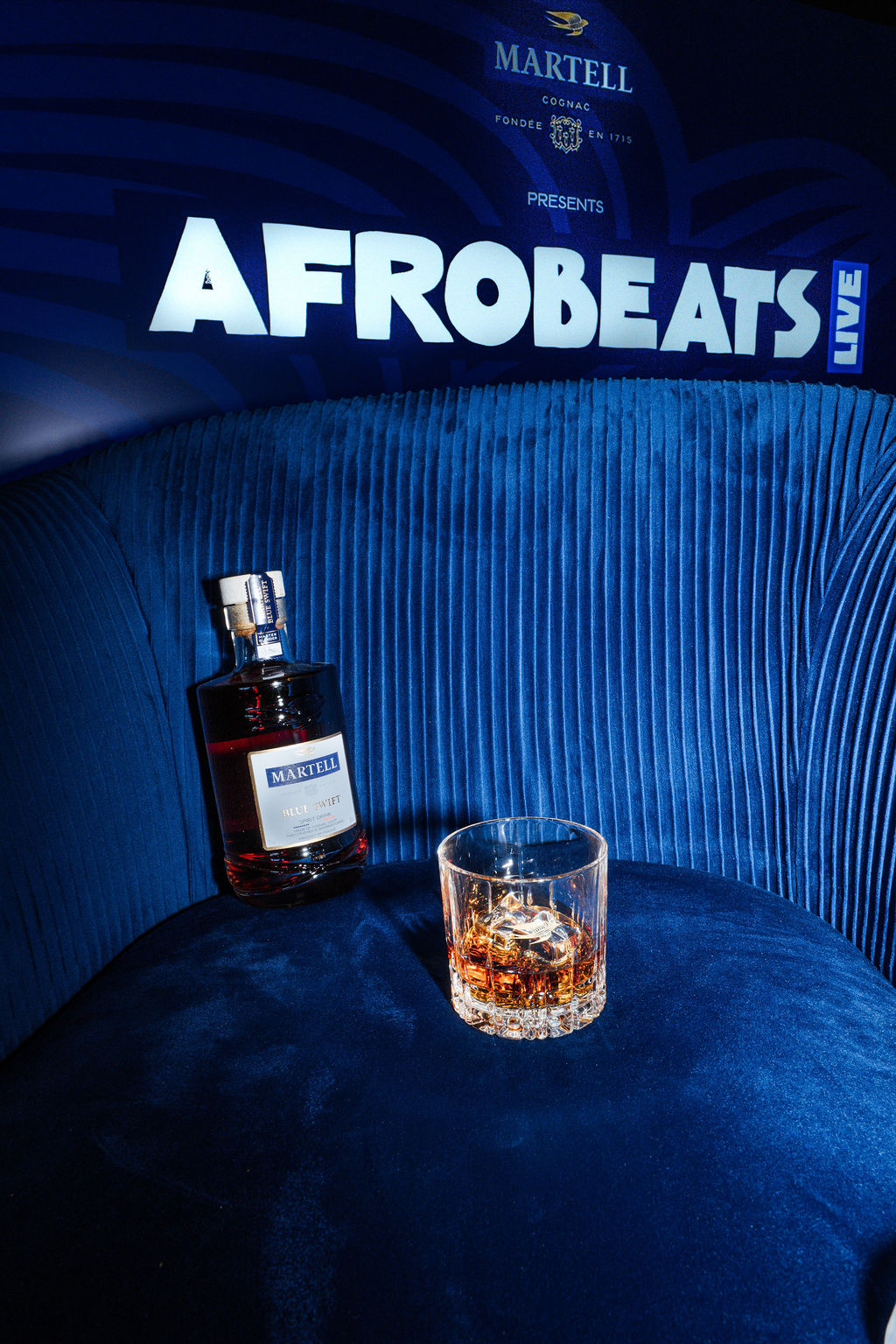
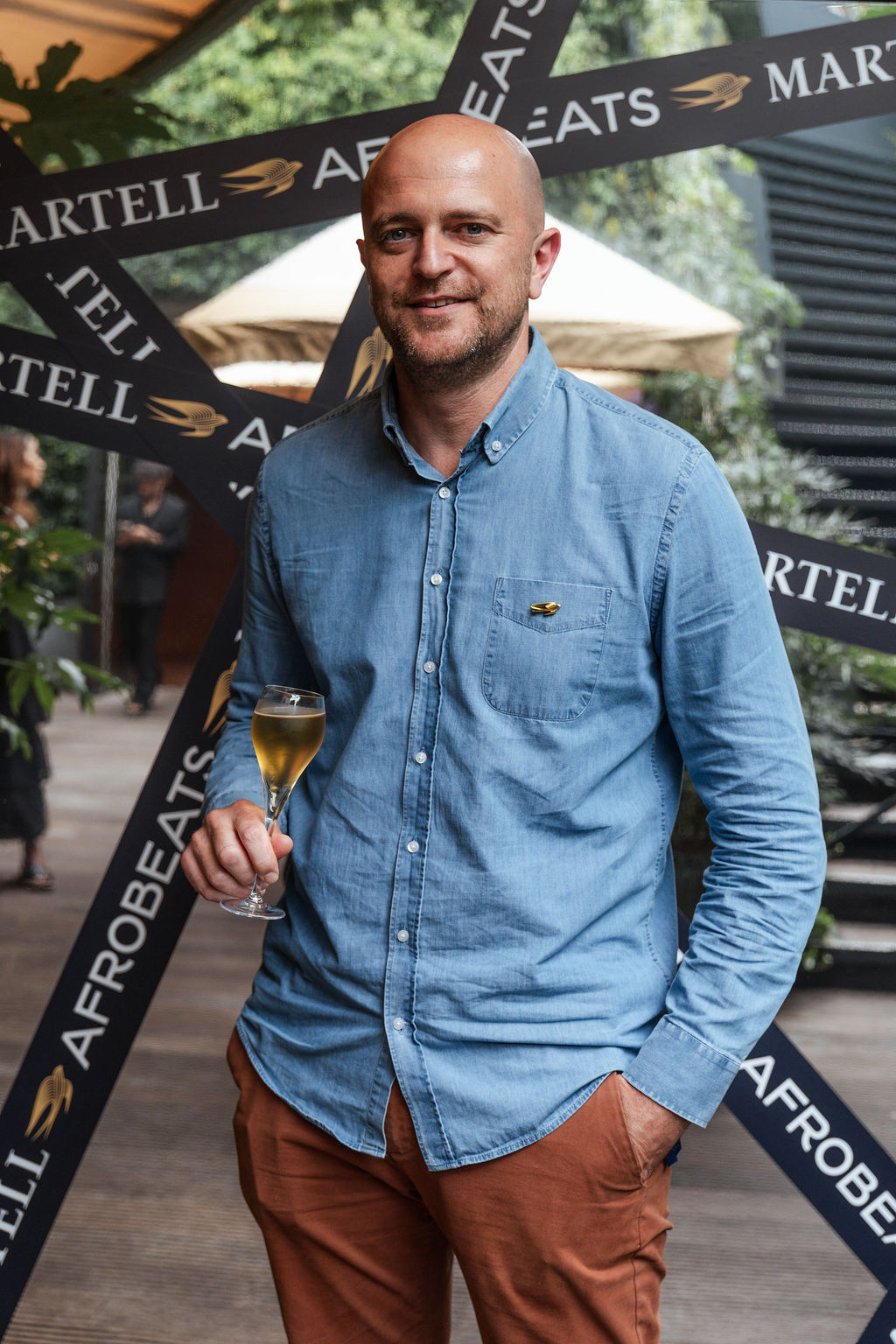
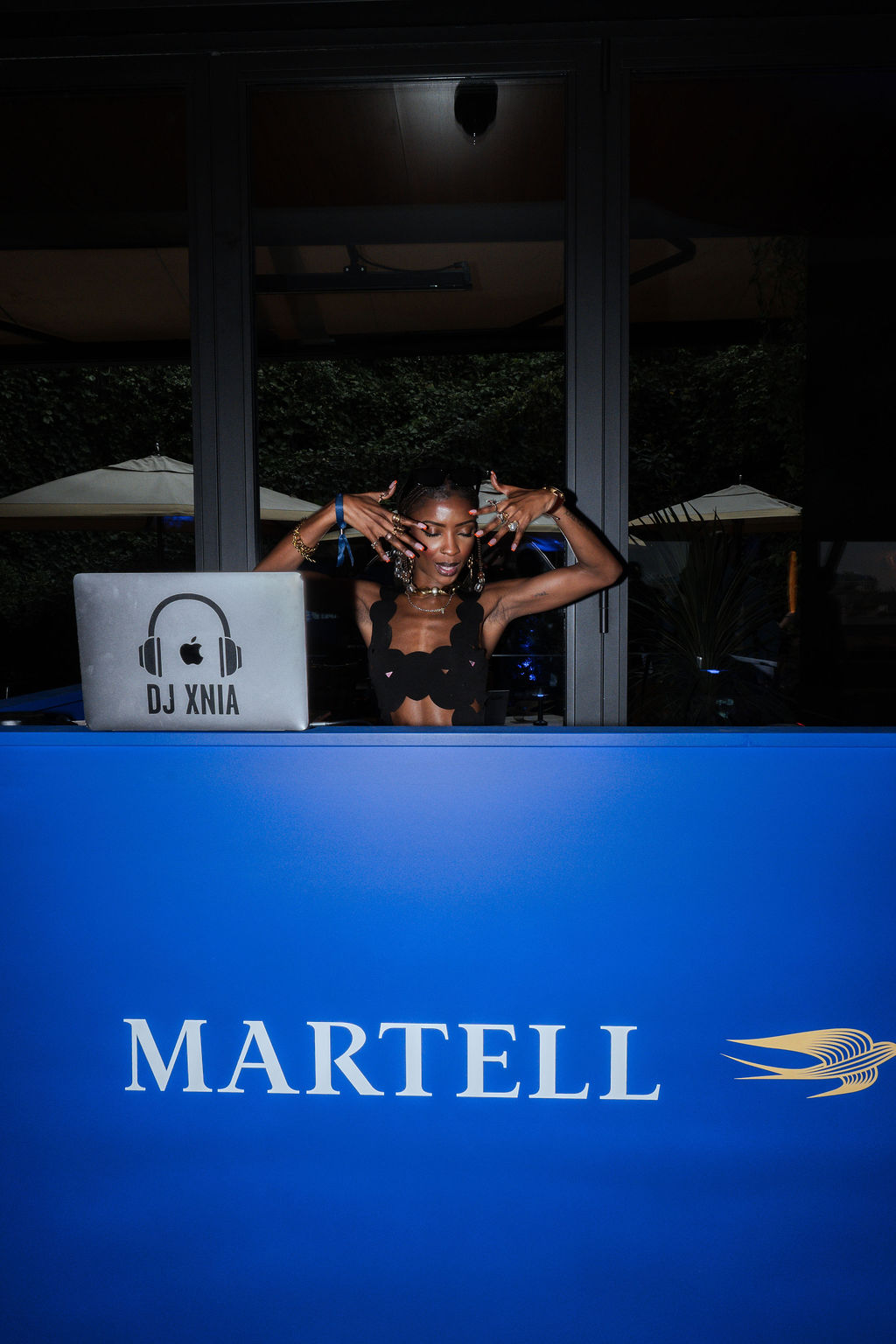
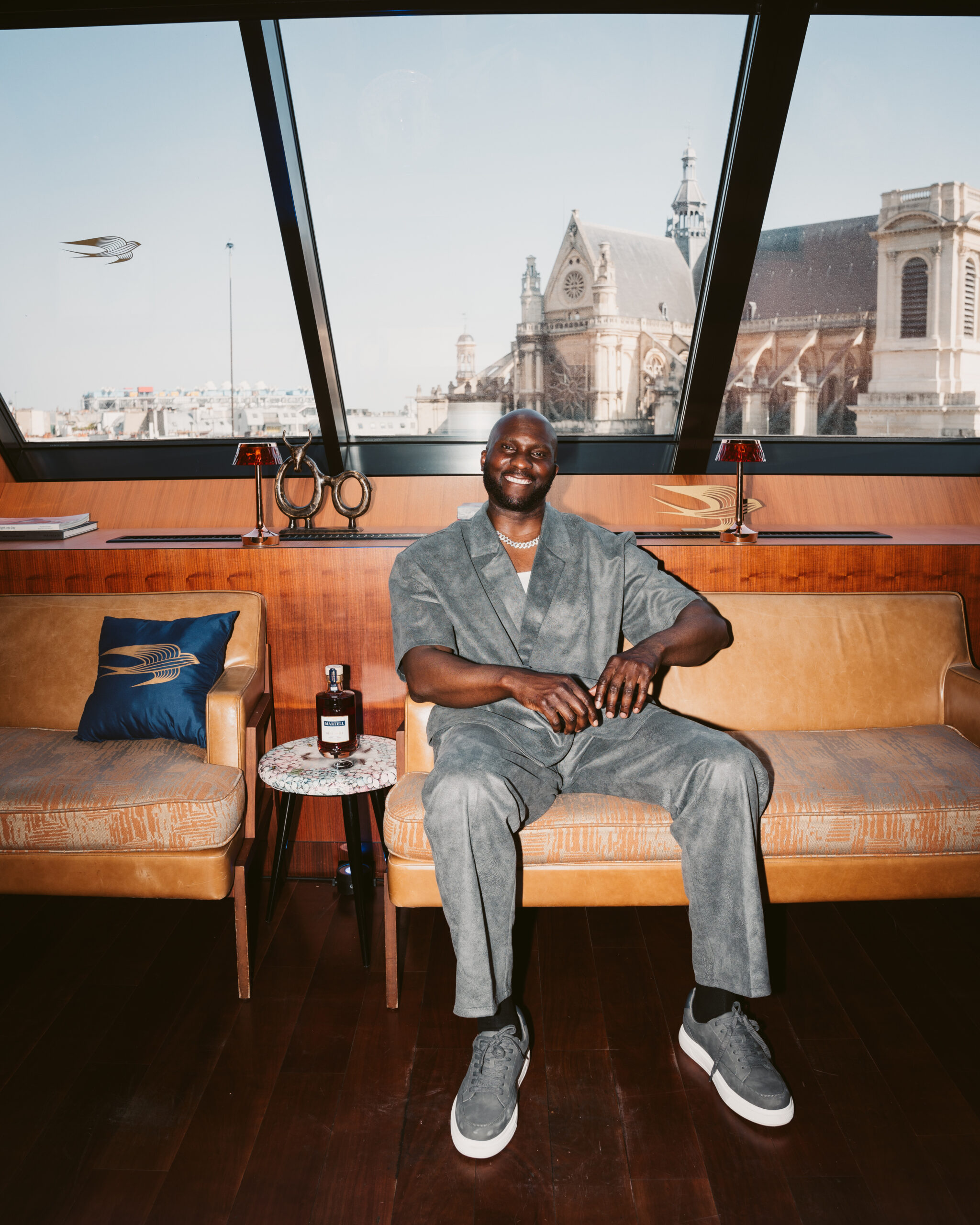
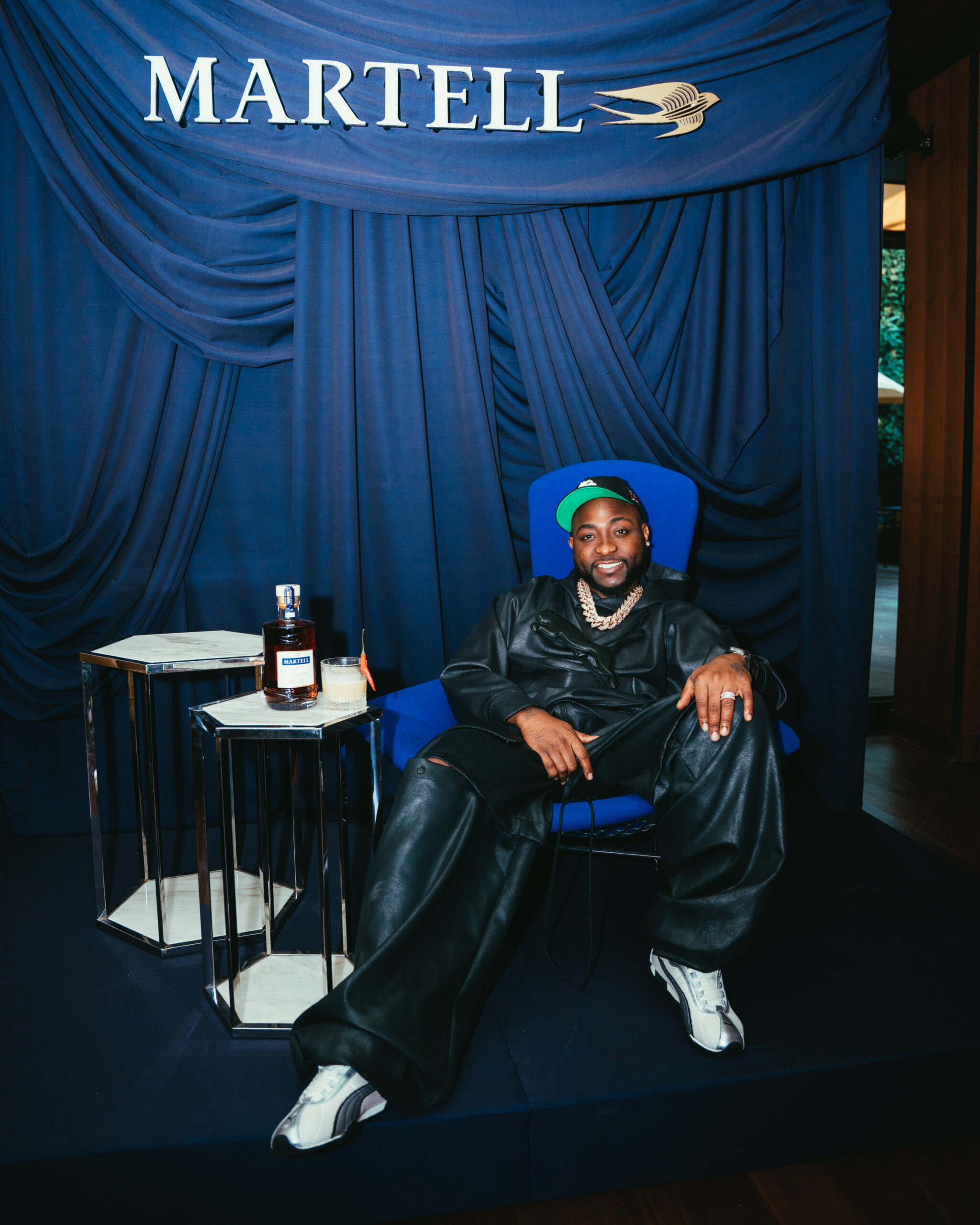
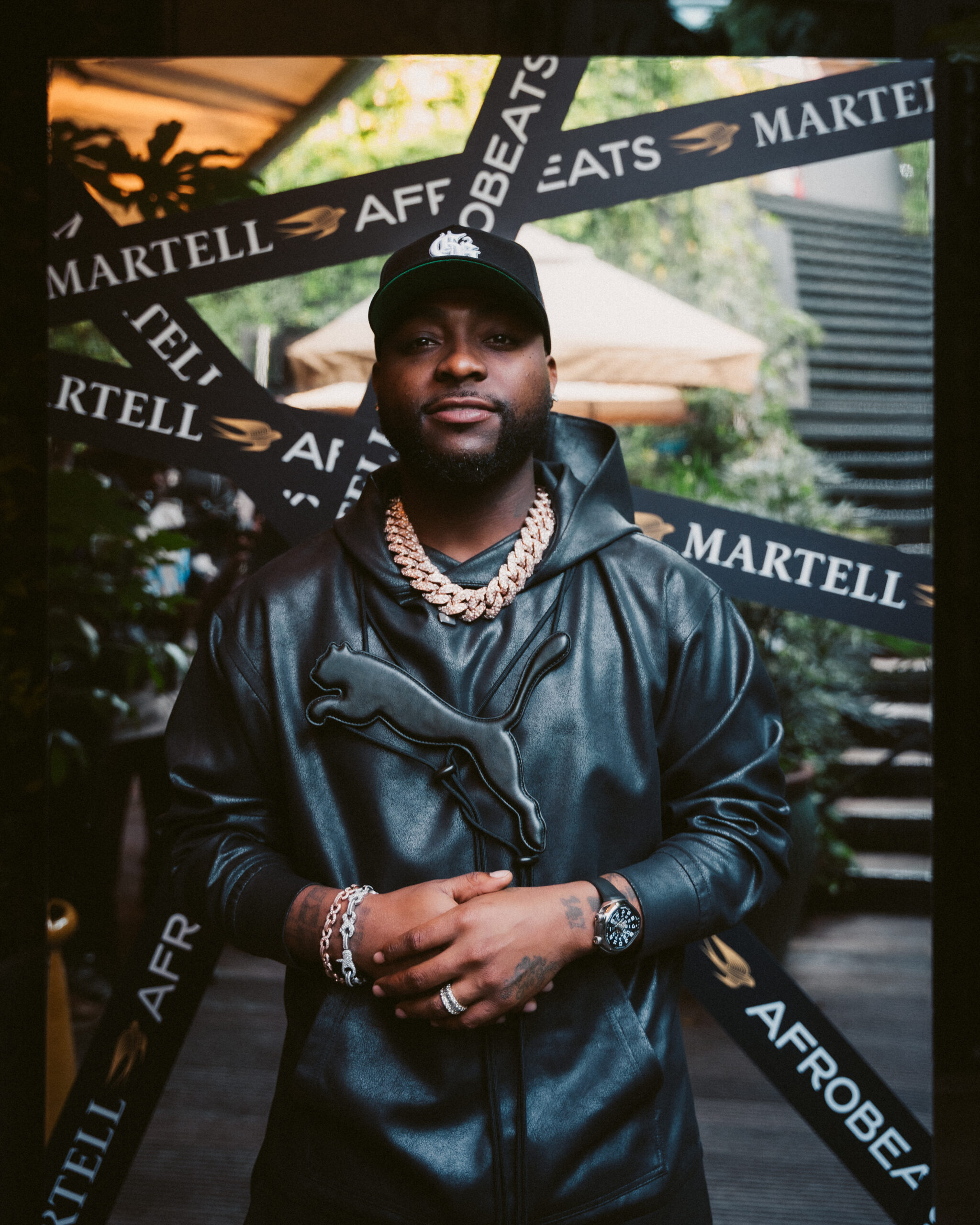
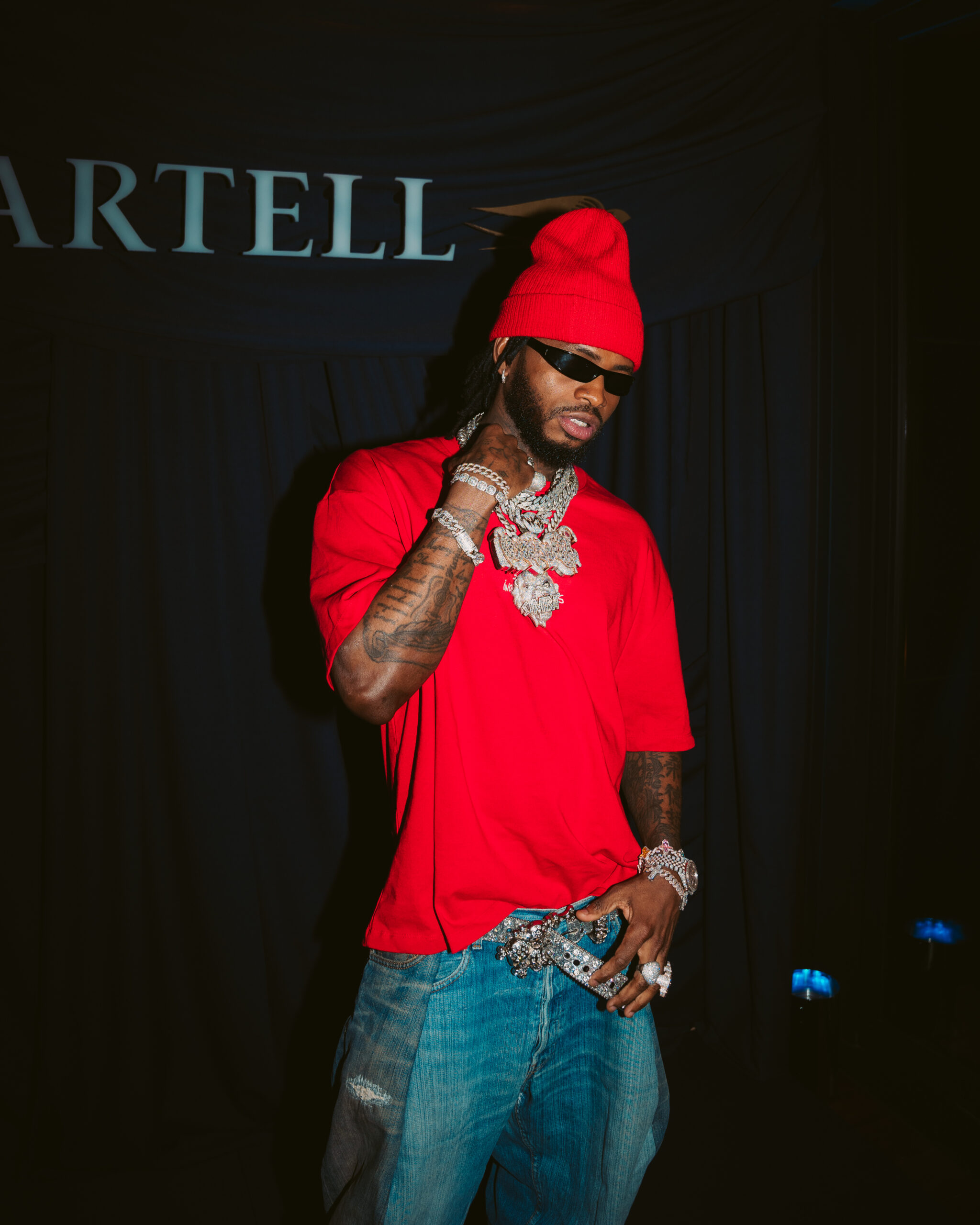
Martell, one of the oldest great cognac houses, has renewed its partnership with global Afrobeats star Davido for a third term, first signed in 2021. Now in its fifth year, the partnership goes far beyond a traditional brand ambassadorship to a business partnership.
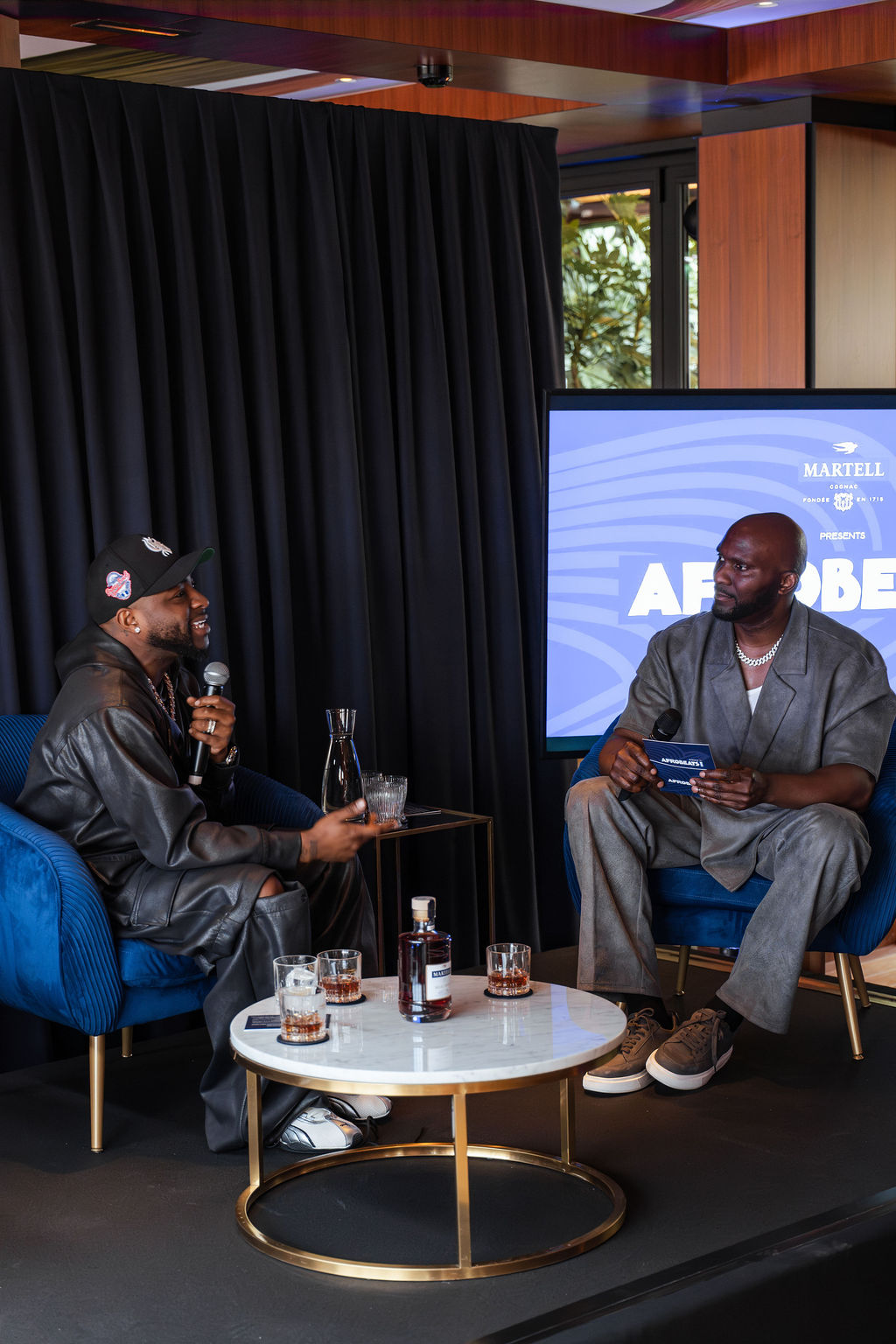
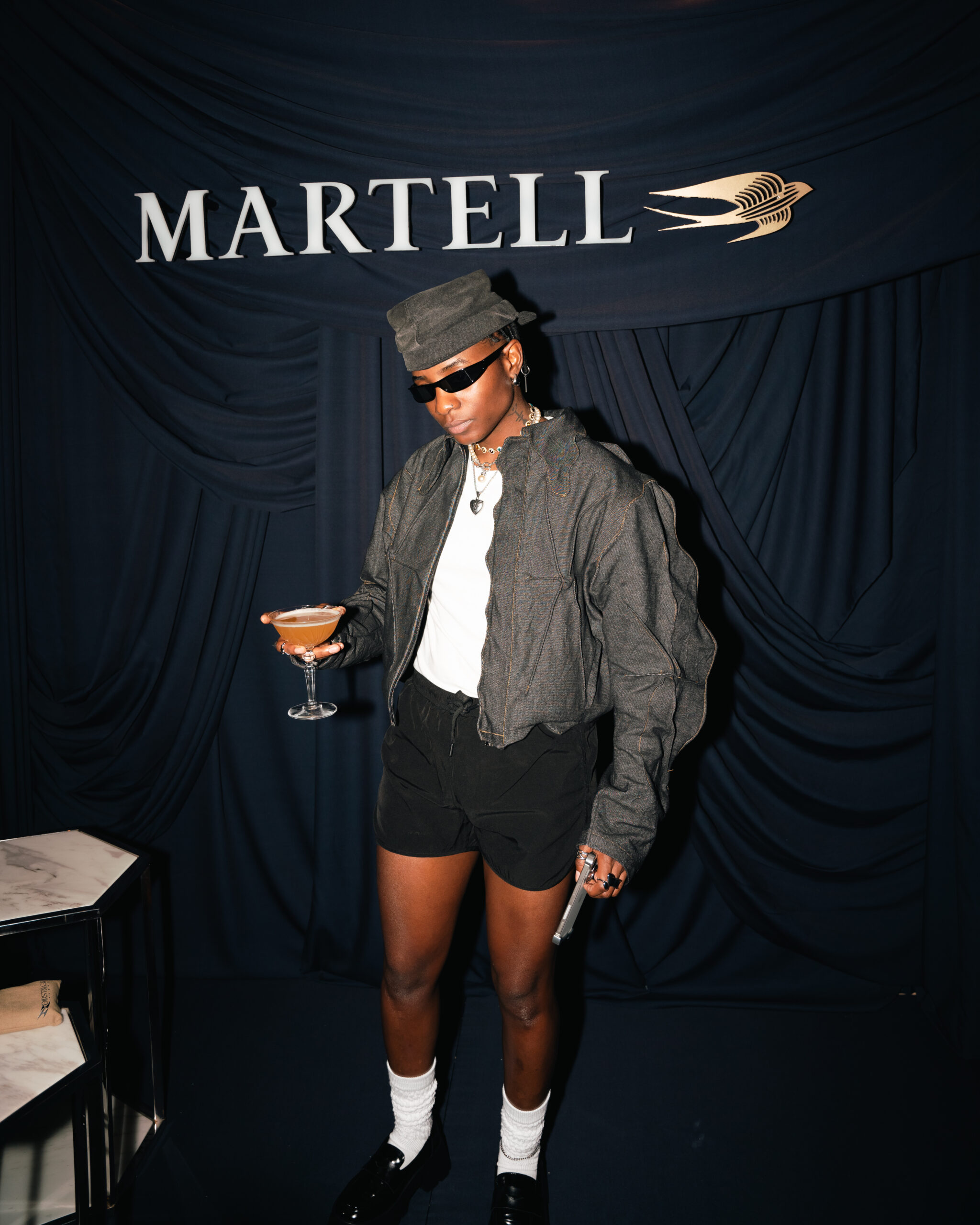
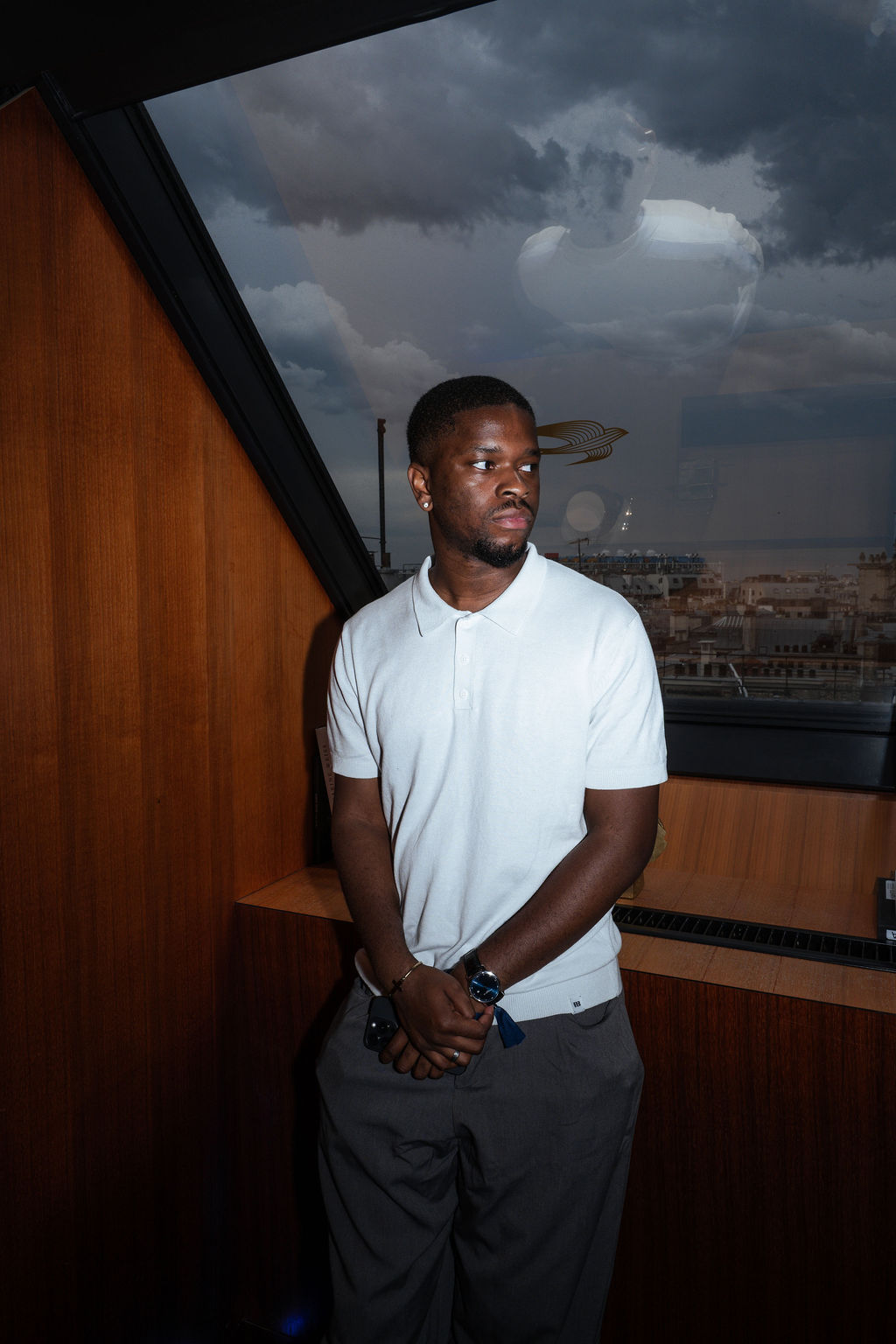
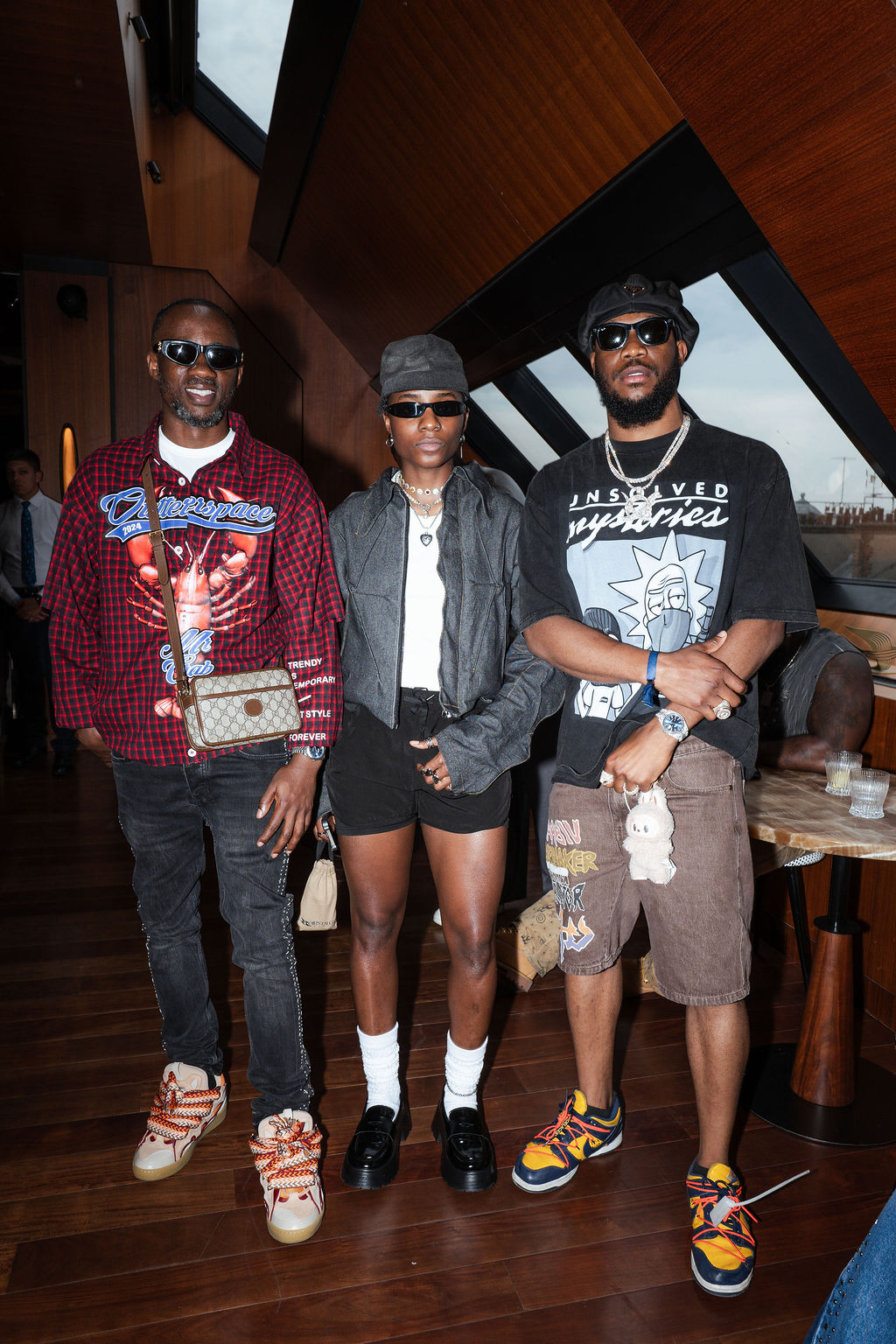
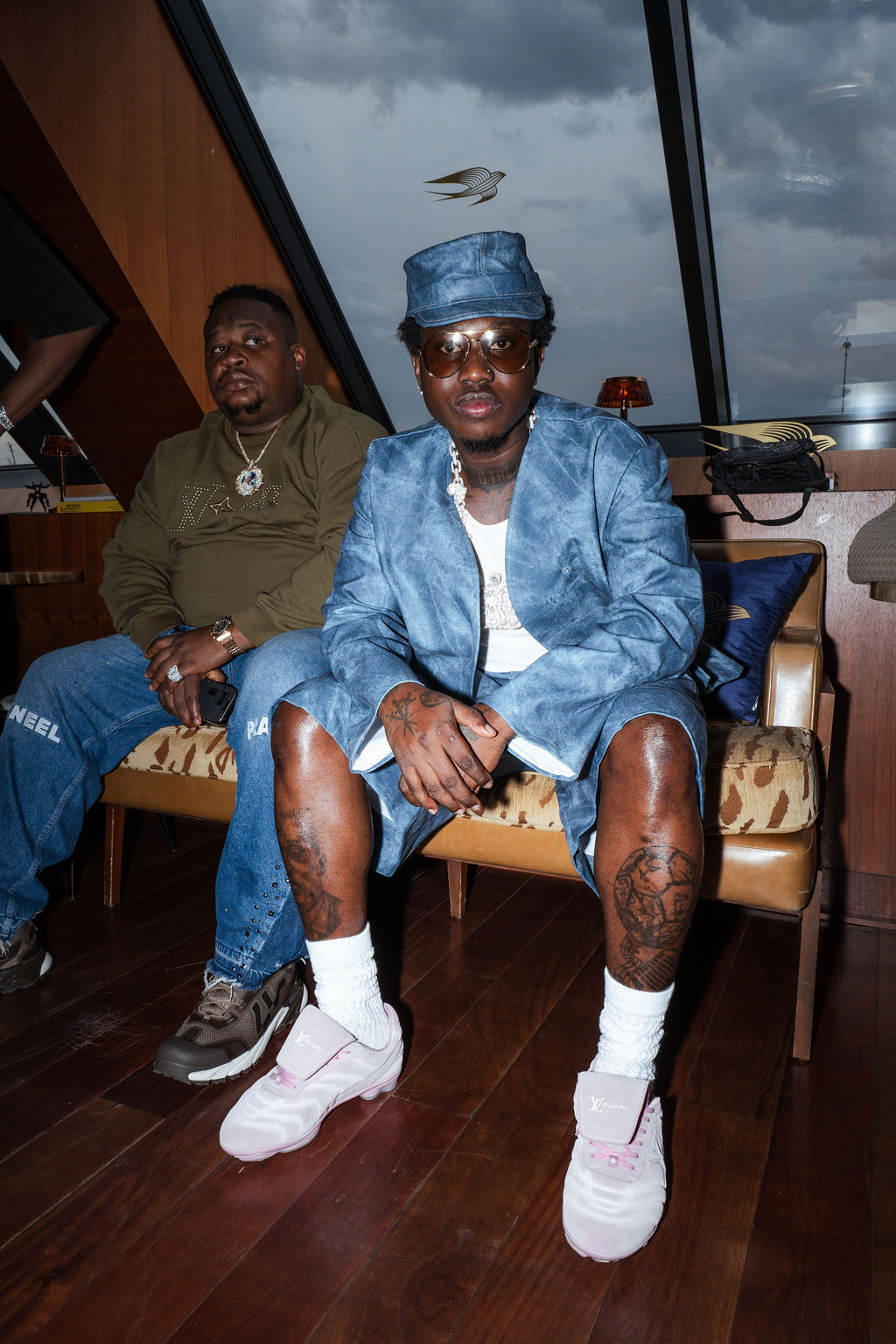
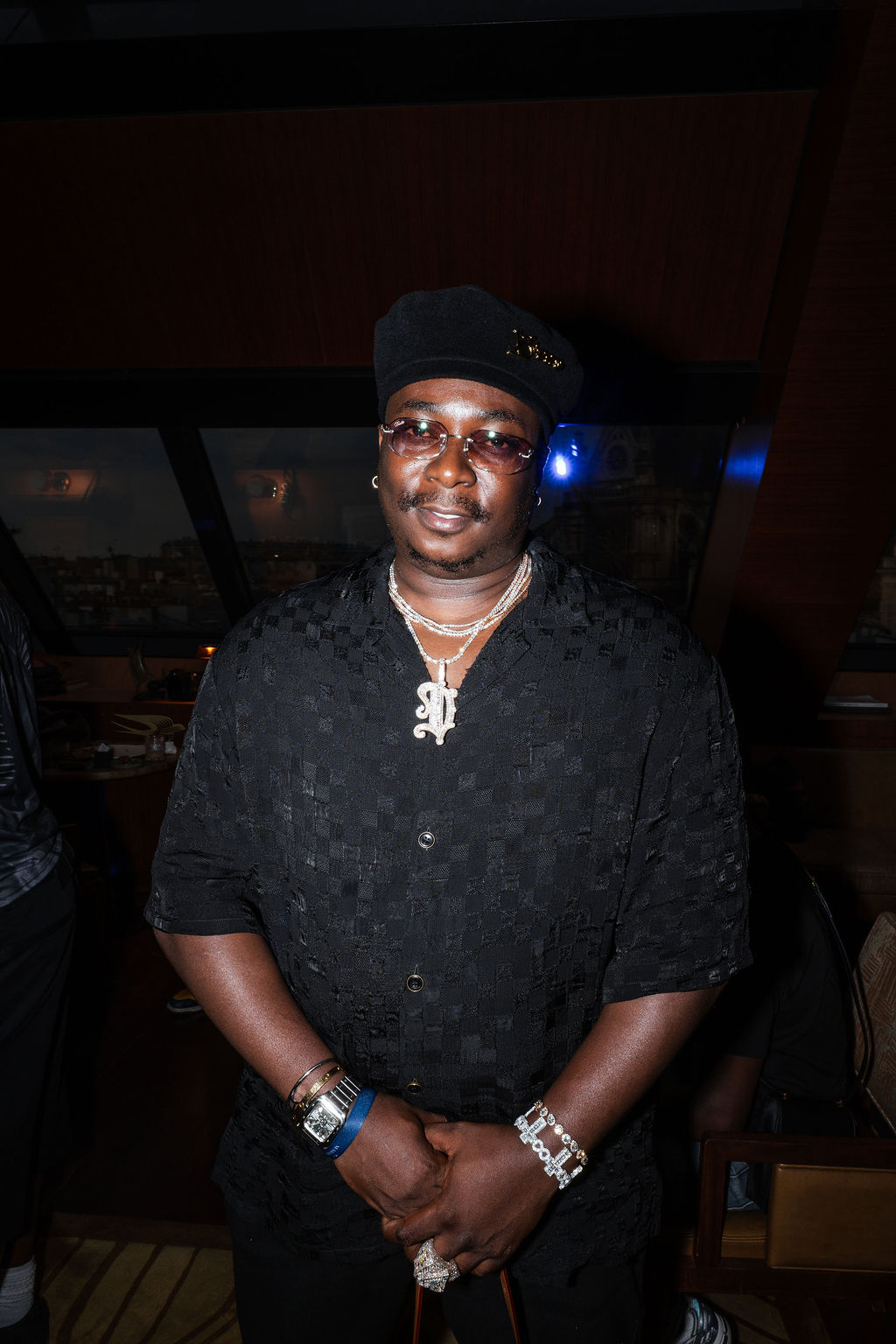
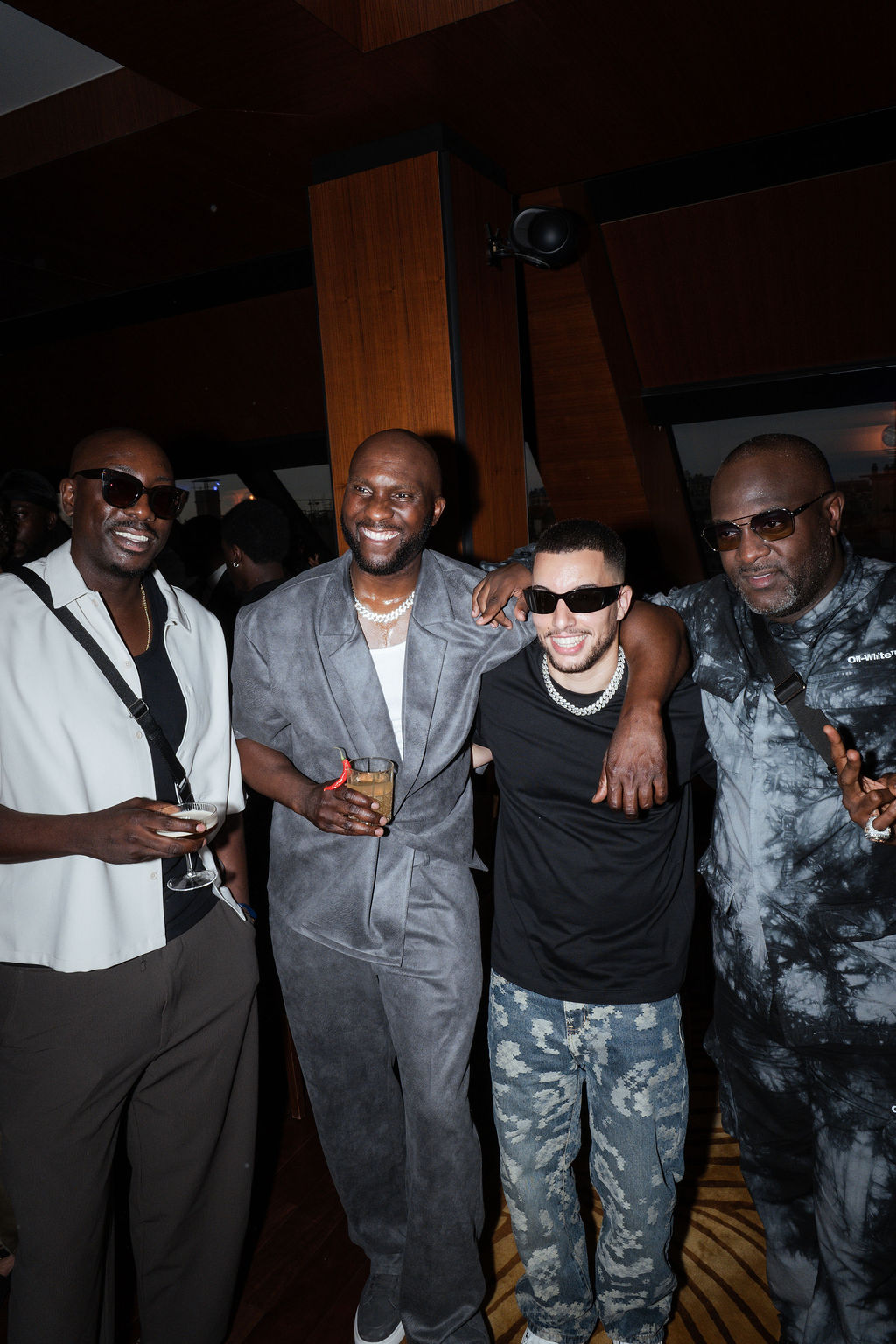
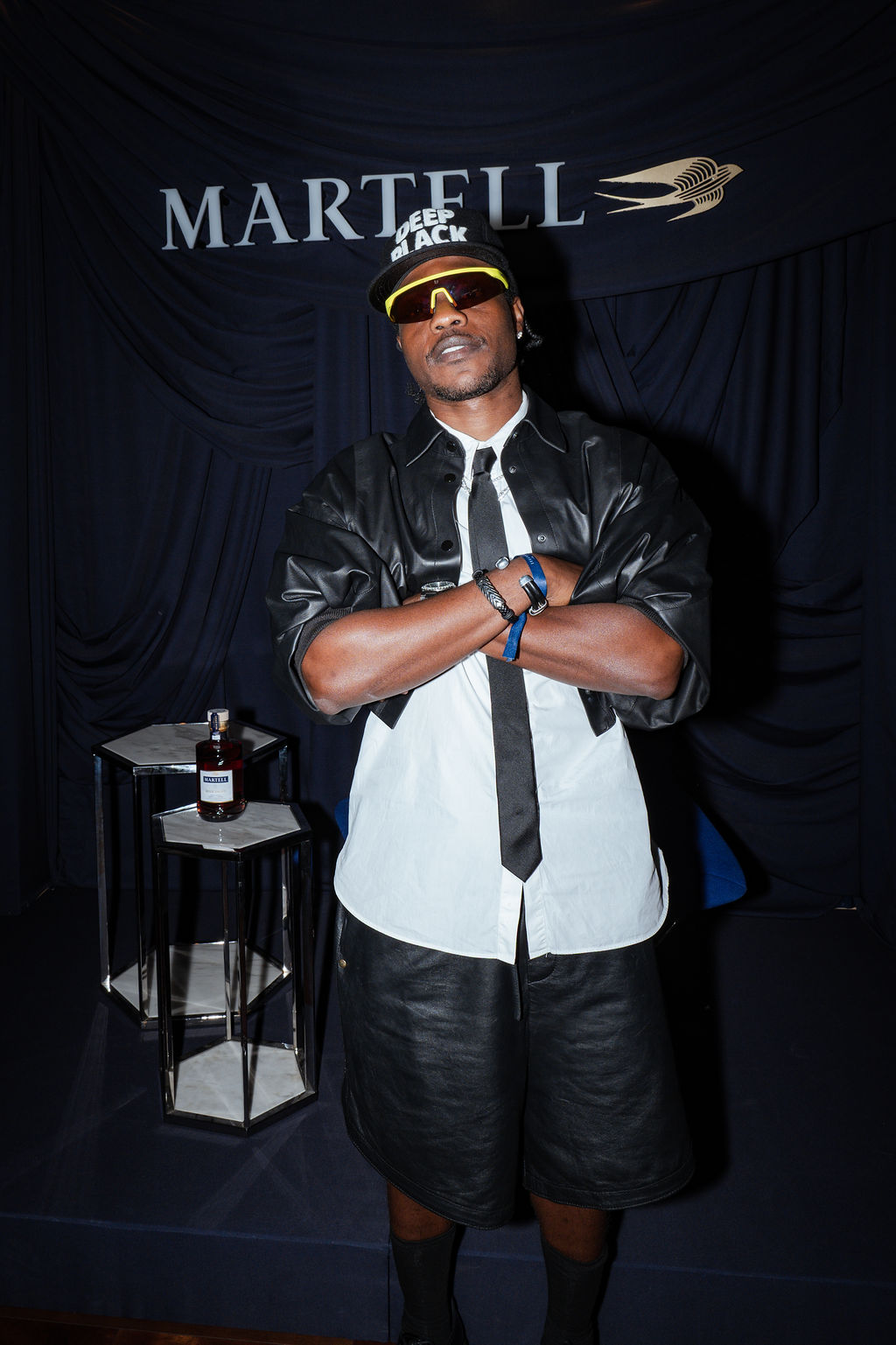
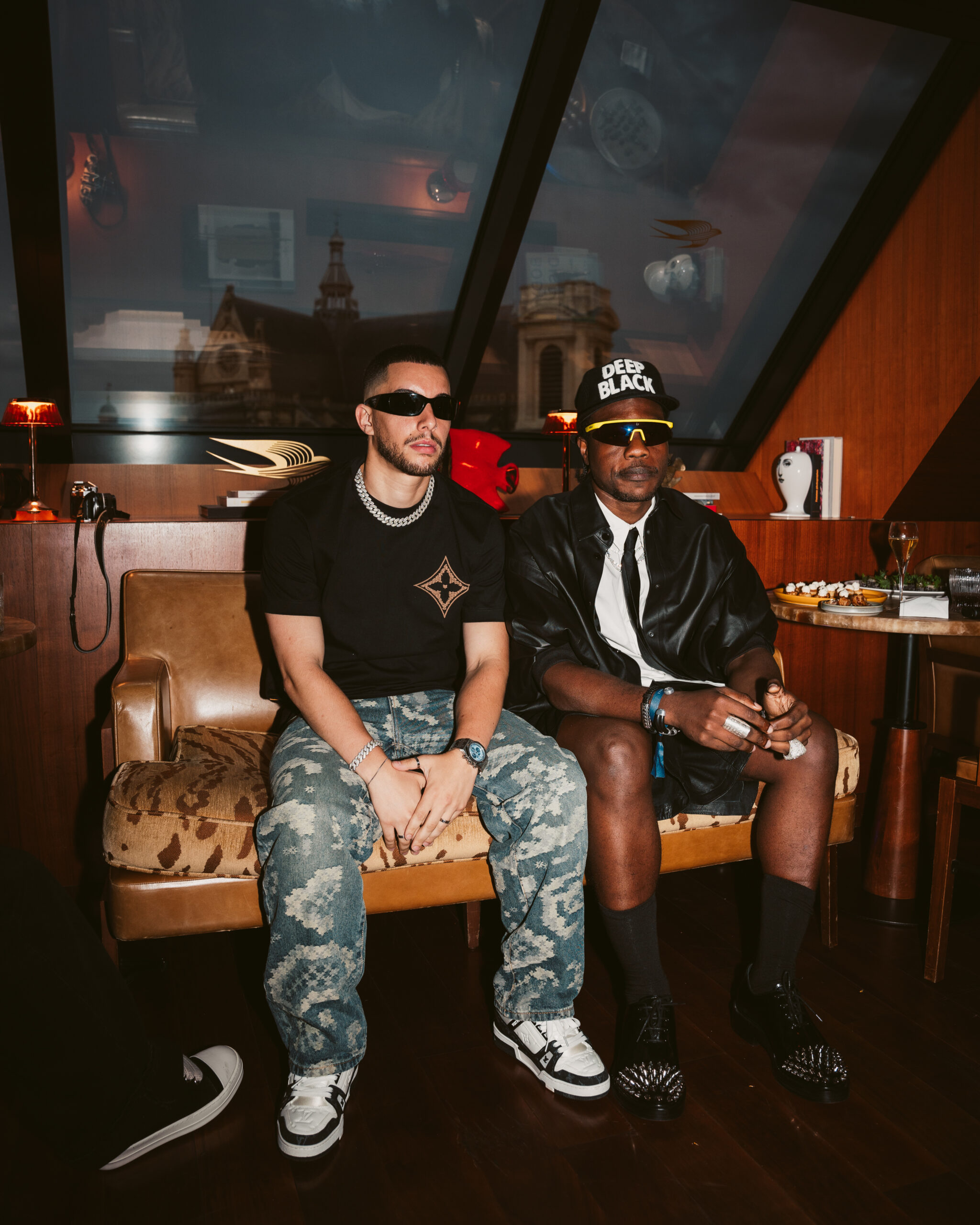
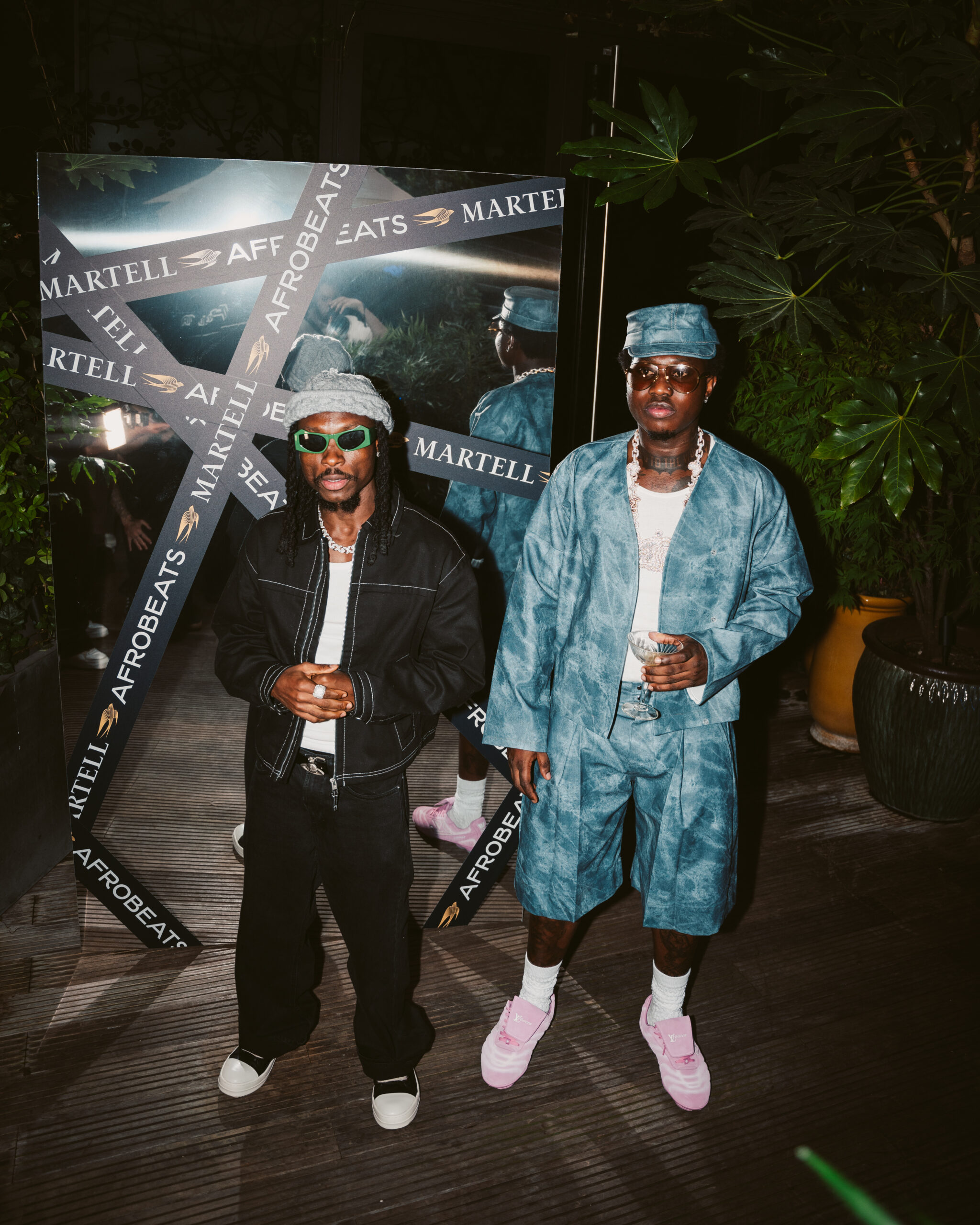
The renewed partnership was spotlighted on 25th June during the inaugural Afrobeats Live event in Paris, signalling the next phase of Martell’s evolving cultural strategy – backing the platforms, people, and conversations shaping the future of Afrobeats. Davido’s continued role reflects the brand’s long-term commitment to cultural partnership rooted in creative collaboration, infrastructure, and purpose.
Afrobeats is shaping how a generation sees itself: bold, creative, and full of intent. At the heart of this alignment lies a shared set of values: the optimism and joy that define Afrobeats’ energy; a commitment to challenging the status quo that has shaped both Martell’s and Afrobeats’ cultural legacies; and a collective mindset grounded in pride, collaboration, and community. These parallels underpin Martell’s commitment to the Afrobeats movement, a partnership built on shared purpose and cultural intent.
We see Afrobeats as a powerful force for cultural progress, built by artists and communities who are creating their future with clarity and purpose, and our commitment is grounded in respect and belief.
We’re here to walk alongside the movement, support its growth and contribute meaningfully to where it’s going next, said Lanre Odutola, Cultural Partnerships & Influence Marketing Manager, Martell
Martell also unveiled its newly appointed Cultural Ambassadors, three respected figures in music, media, and culture: Adesope Olajide (Shopsydoo) – UK-based cultural commentator & host of The Afrobeats Podcast Sheniece Charway – Music executive & podcast host Abdul Abdullah – Founder of AfroFuture Festival & Culture Management Group
Each will play an active role in collaborating with Martell to co-create programming and shape storytelling, building on the brand’s existing commitment to engaging with Afrobeats in a way that is meaningful, respectful, and rooted in cultural authenticity.
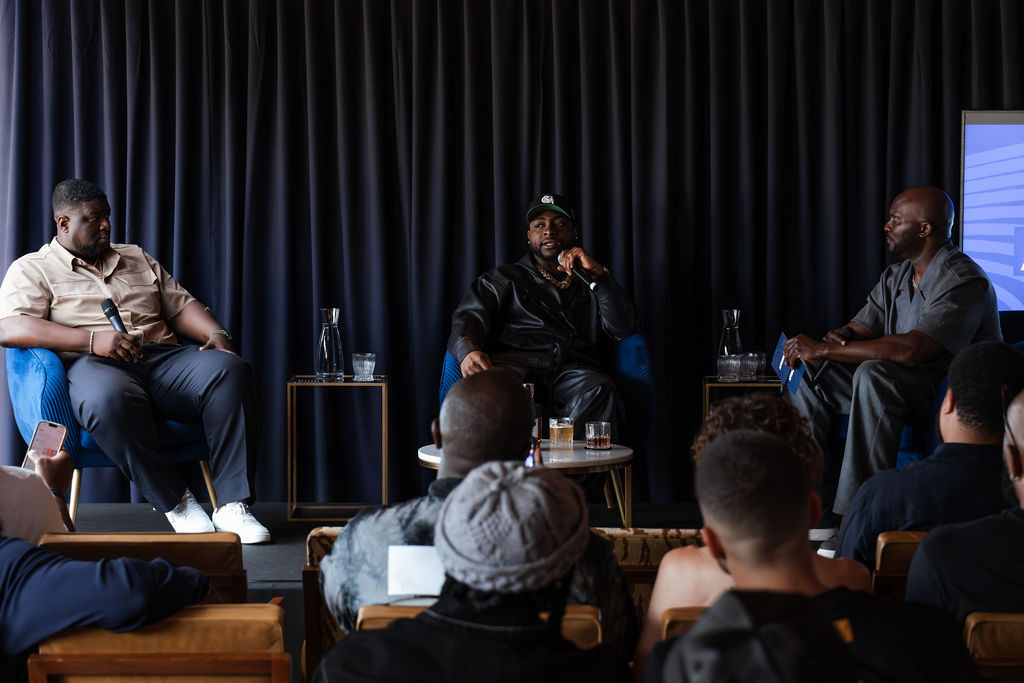
A key moment of the night was a live panel moderated by Adesope Olajide, exploring Afrobeats’ global momentum and what lies ahead. The discussion covered infrastructure, talent development, storytelling, and the evolving expectations placed on the genre as it continues its global rise.
At Martell we believe legacy is shaped by those with the audacity to redefine convention. This first Afrobeats Live event reflects that belief – a commitment to supporting cultural movements that are driven by purpose, authenticity and progress, said Sébastien Borda, Global Marketing Director, Martell
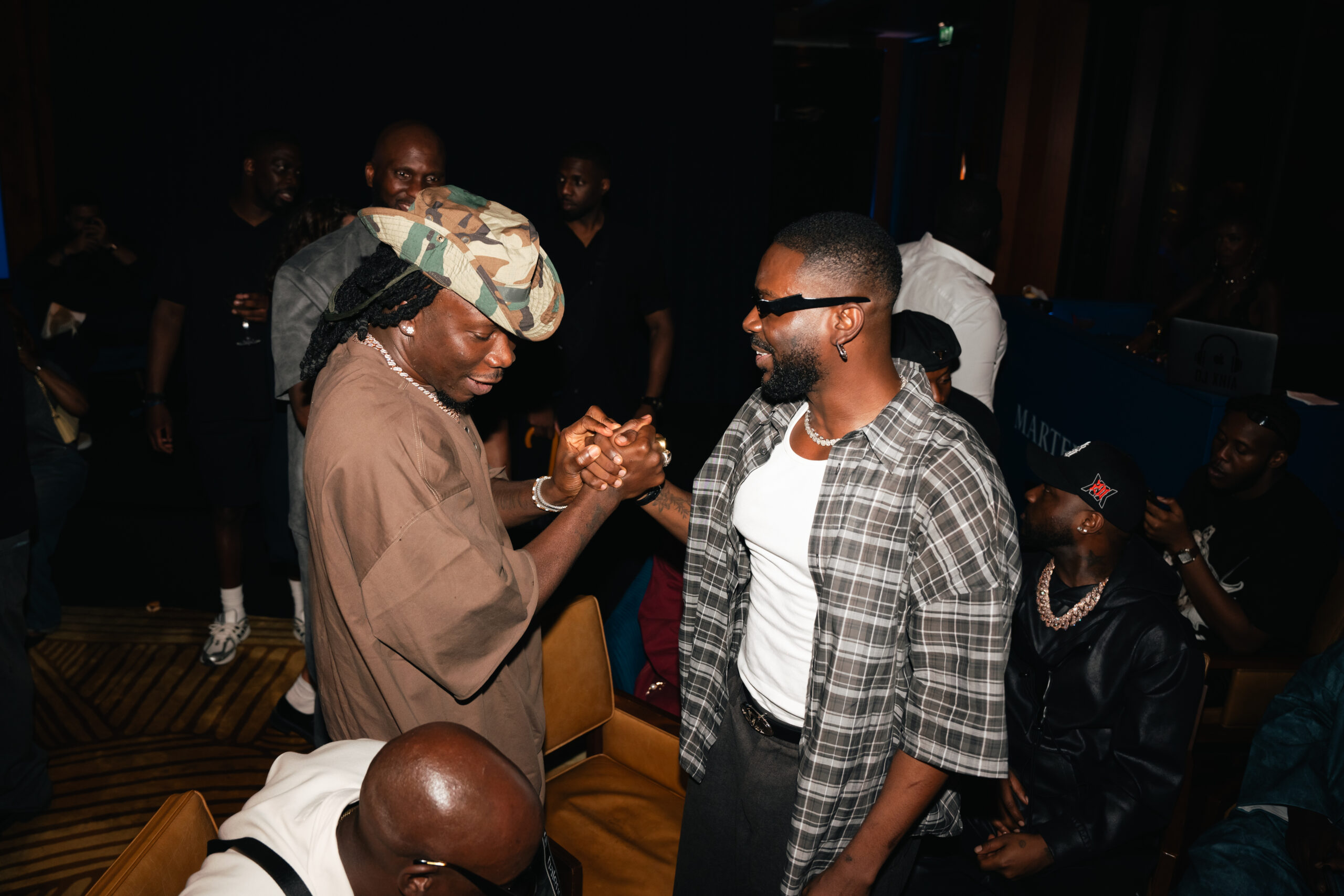
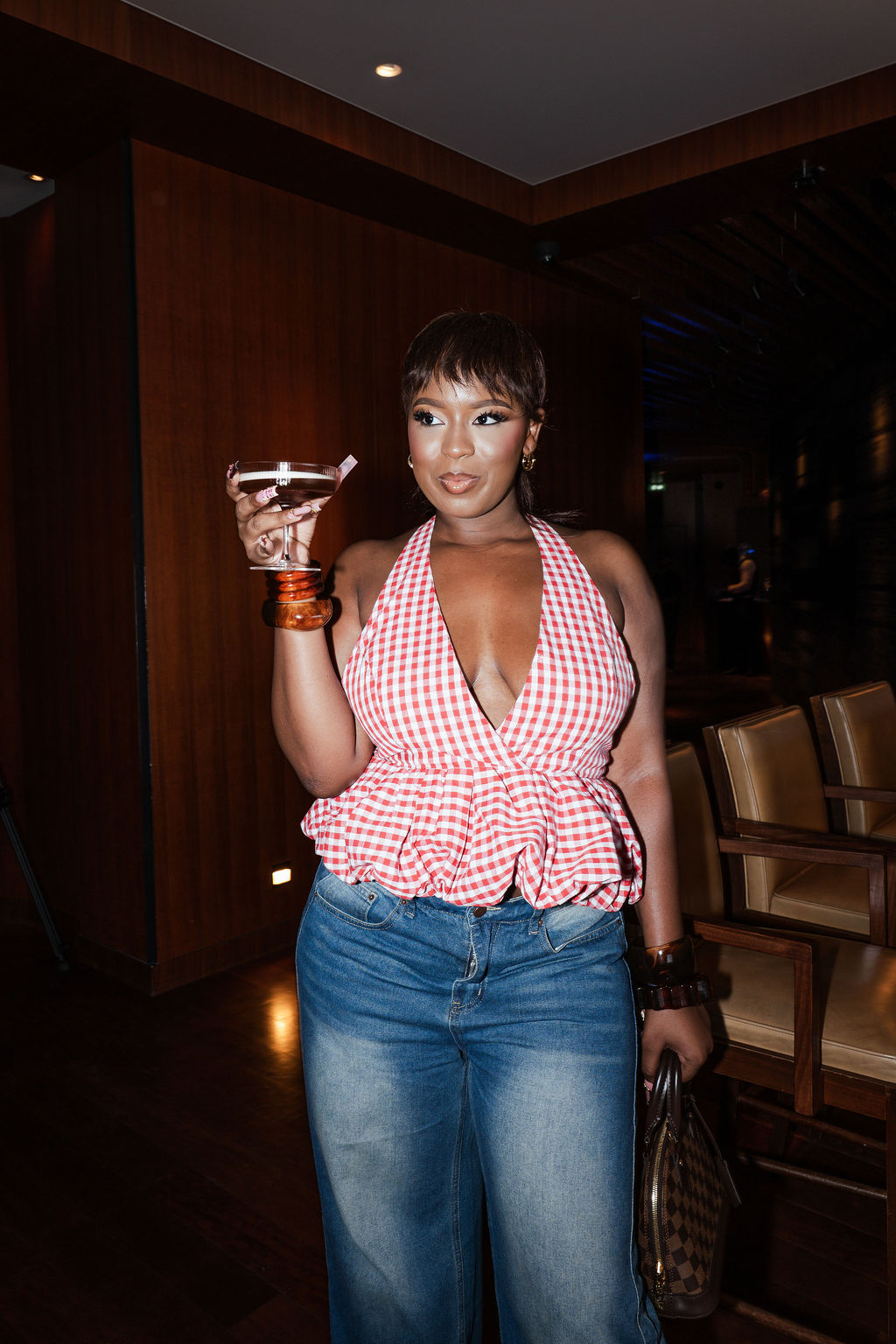
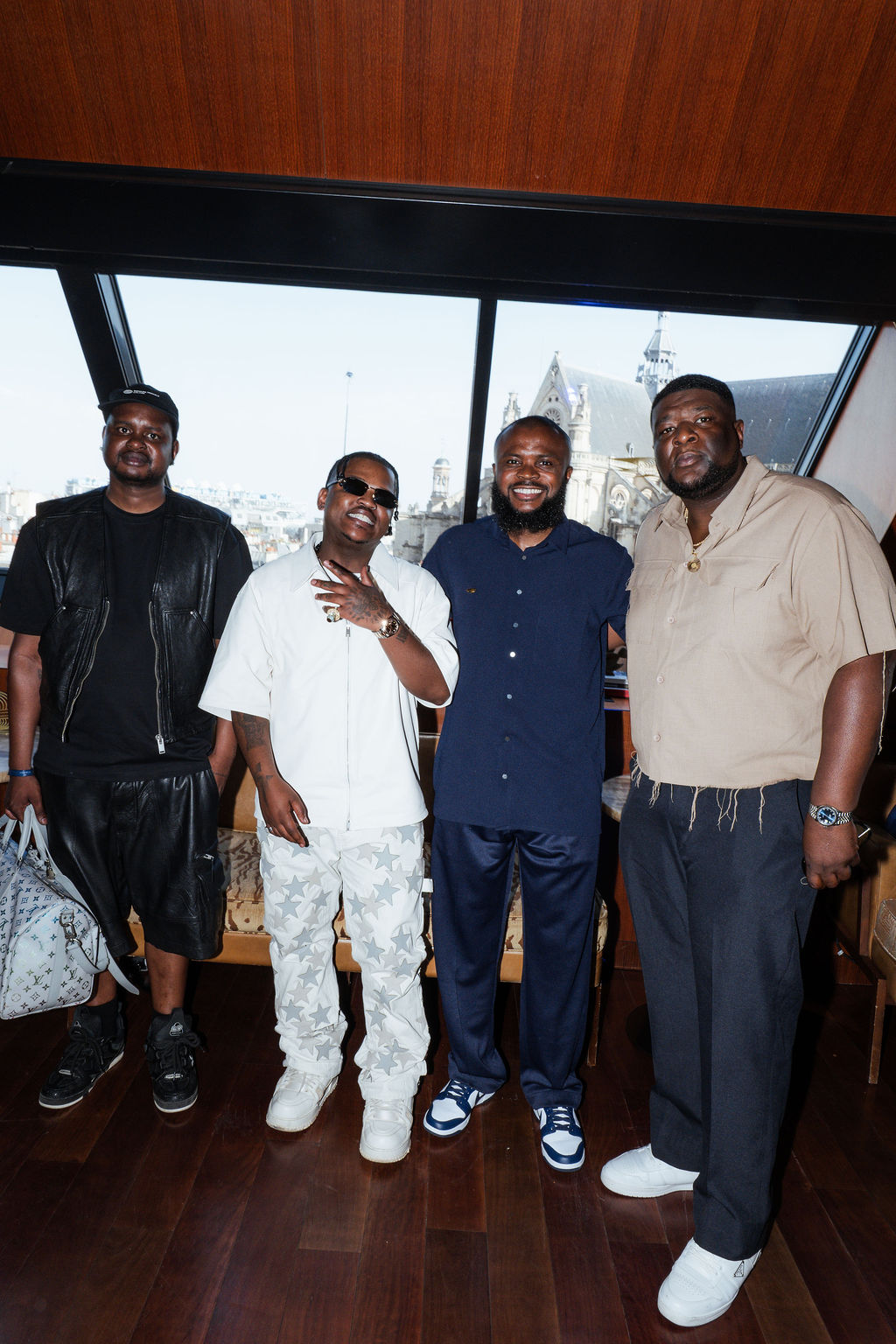
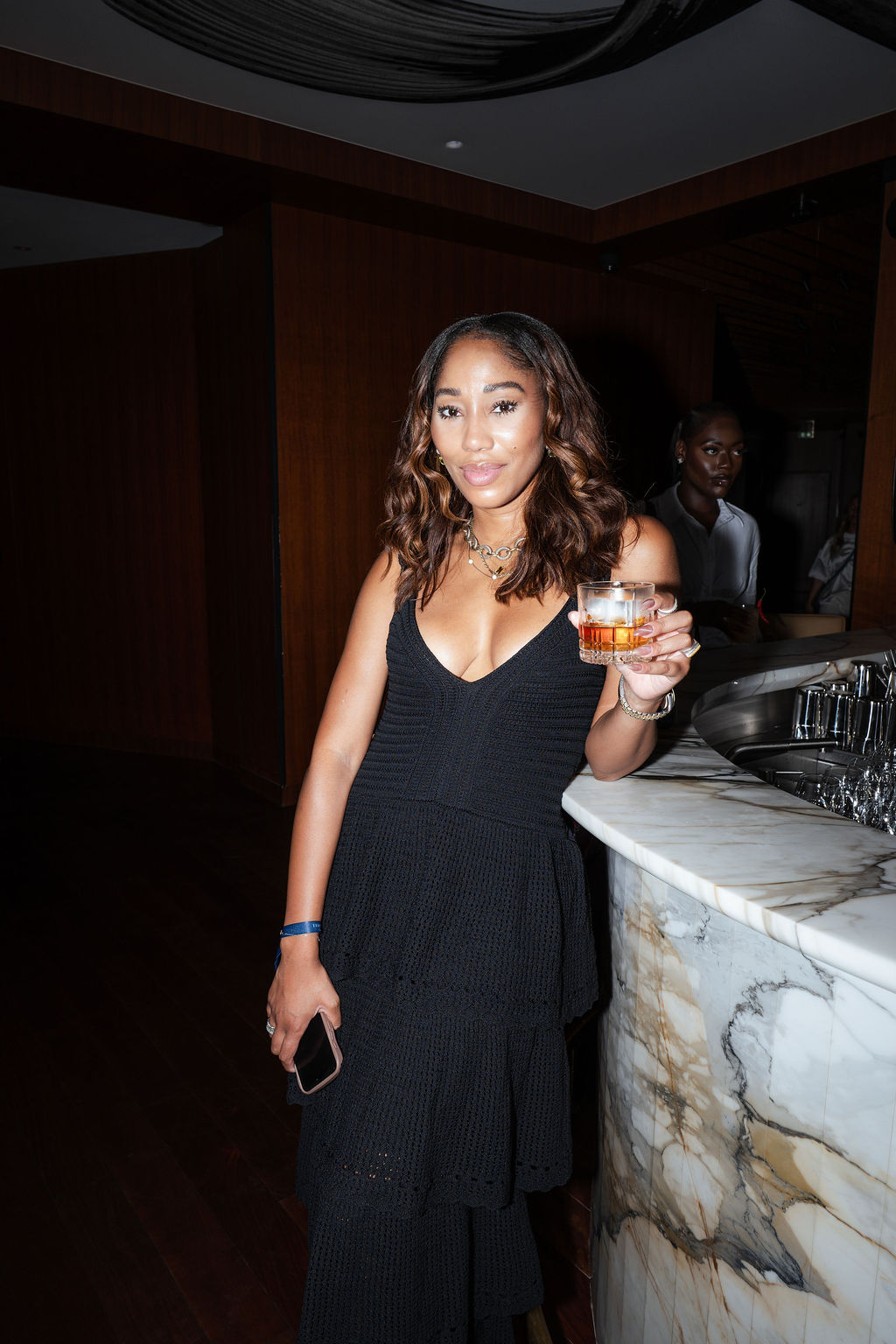
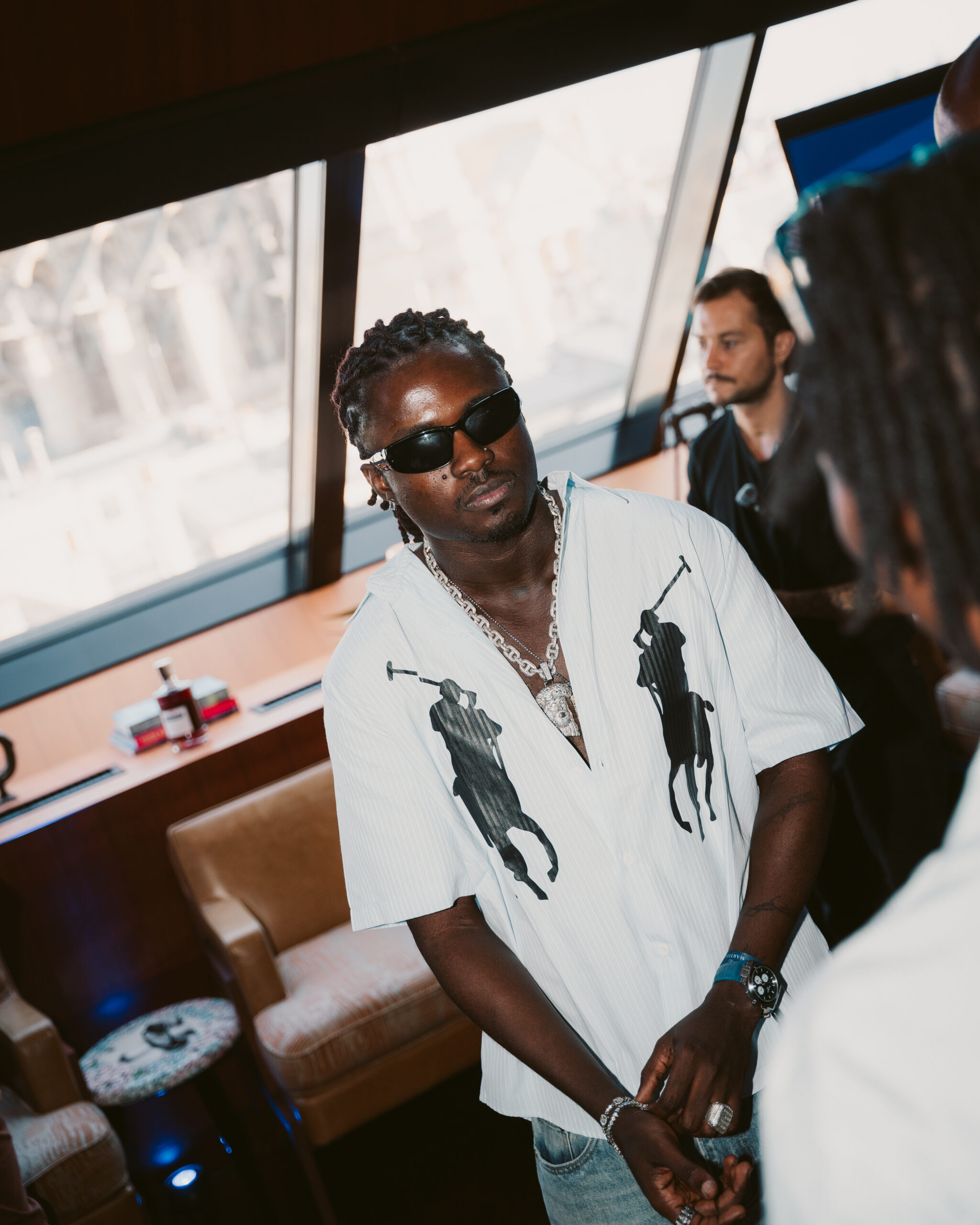
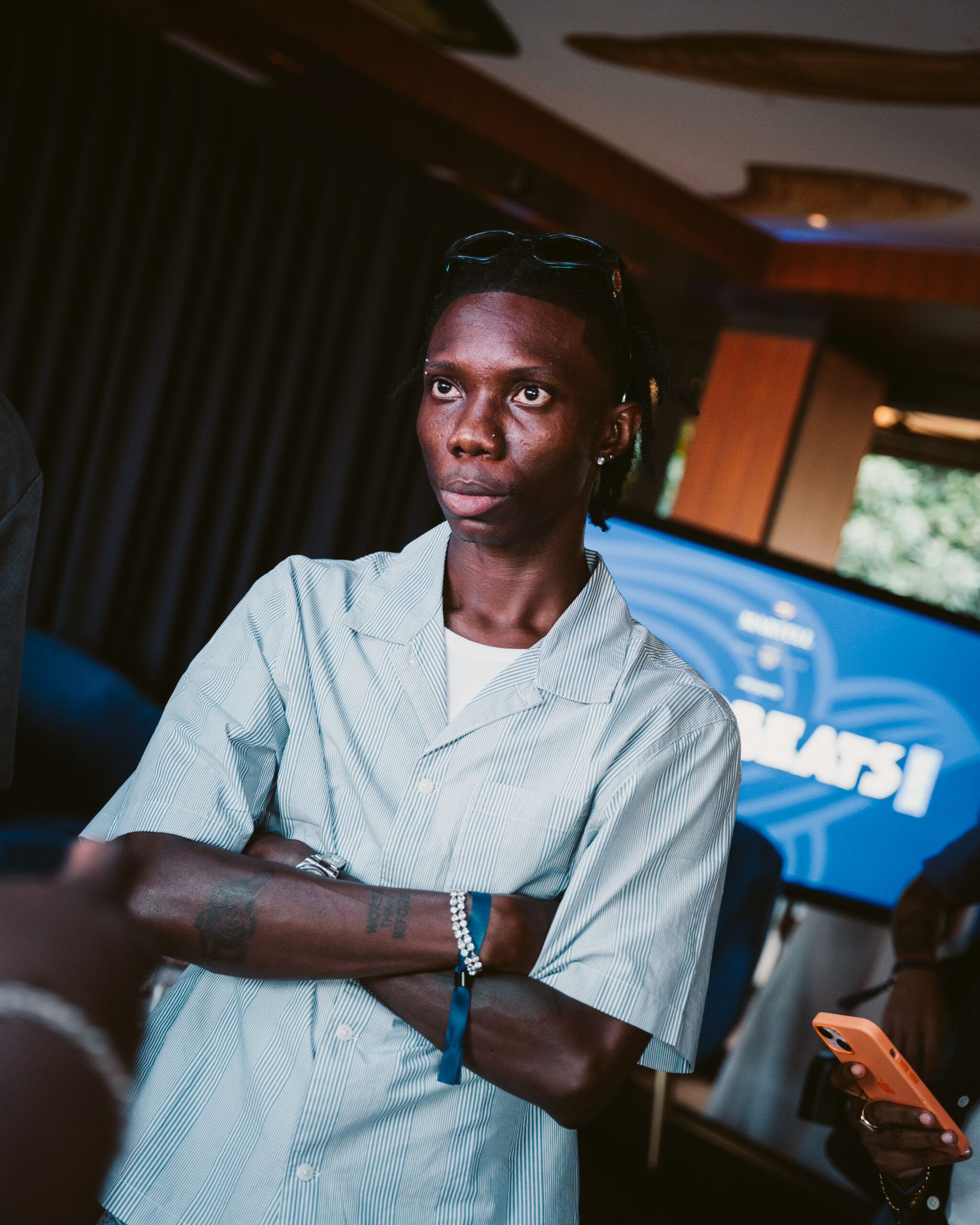
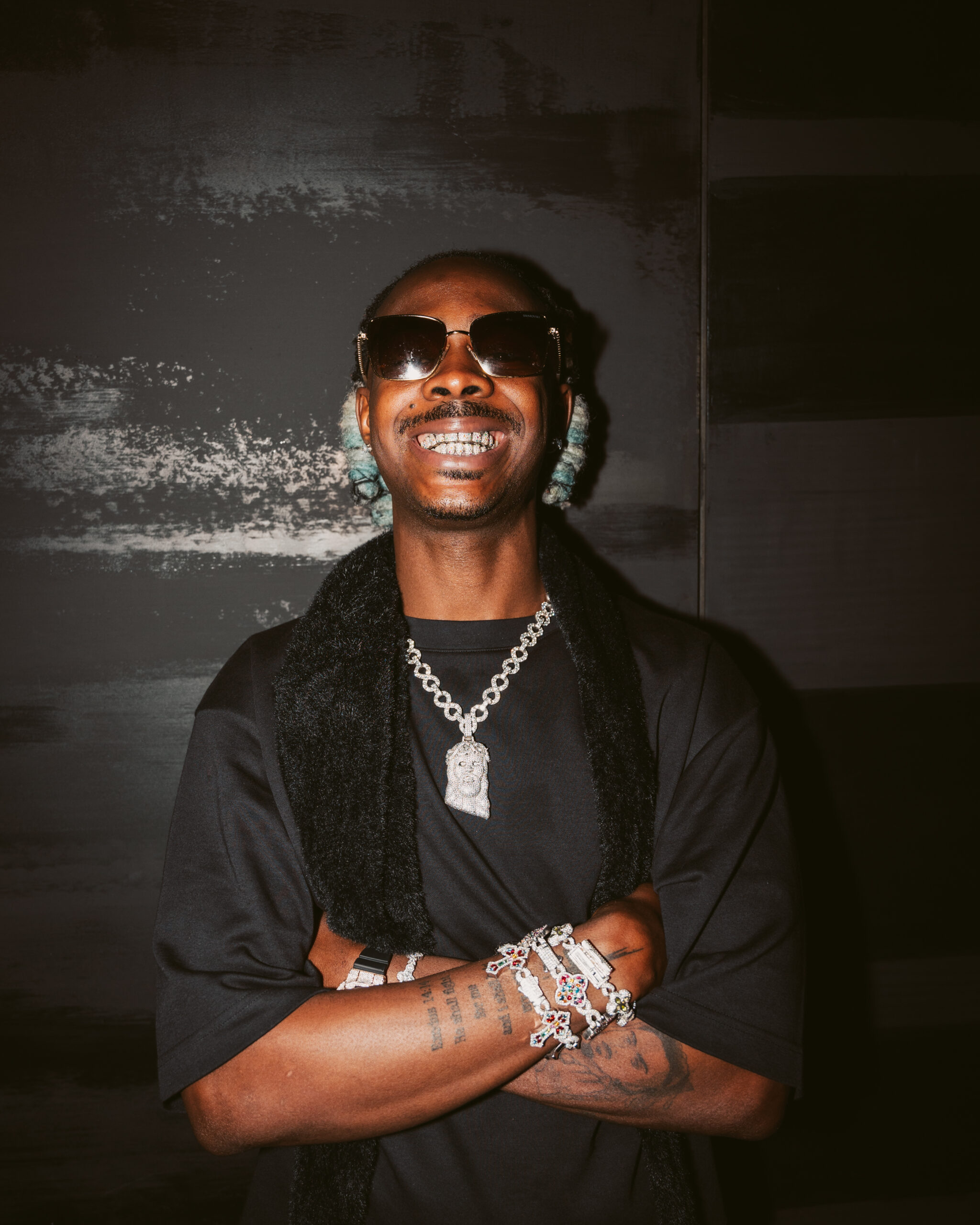
The evening brought together a cross-section of respected voices from across the Afrobeats diaspora: artists, media, creatives, and industry leaders who have helped shape the culture from the ground up. It also marked the start of a sustained series of cultural experiences Martell will deliver across key regions, including Africa, the US, and global diaspora markets.
We’re sure you’ve heard it everywhere. Davido and Omah Lay’s voices pouring out of speakers, taking over the moment as Omah Lay gently sings, “Baby the weather is getting cold / Cold inside…” before Davido follows with the unforgettable line, “Sweet Fanta Diallo / I no fit forget you o…”
And there you are, nodding your head, tapping your feet, maybe even drumming your hands against your thighs as you sing along. We wouldn’t be surprised if you’ve gotten up a few times to dance to the catchy tune.
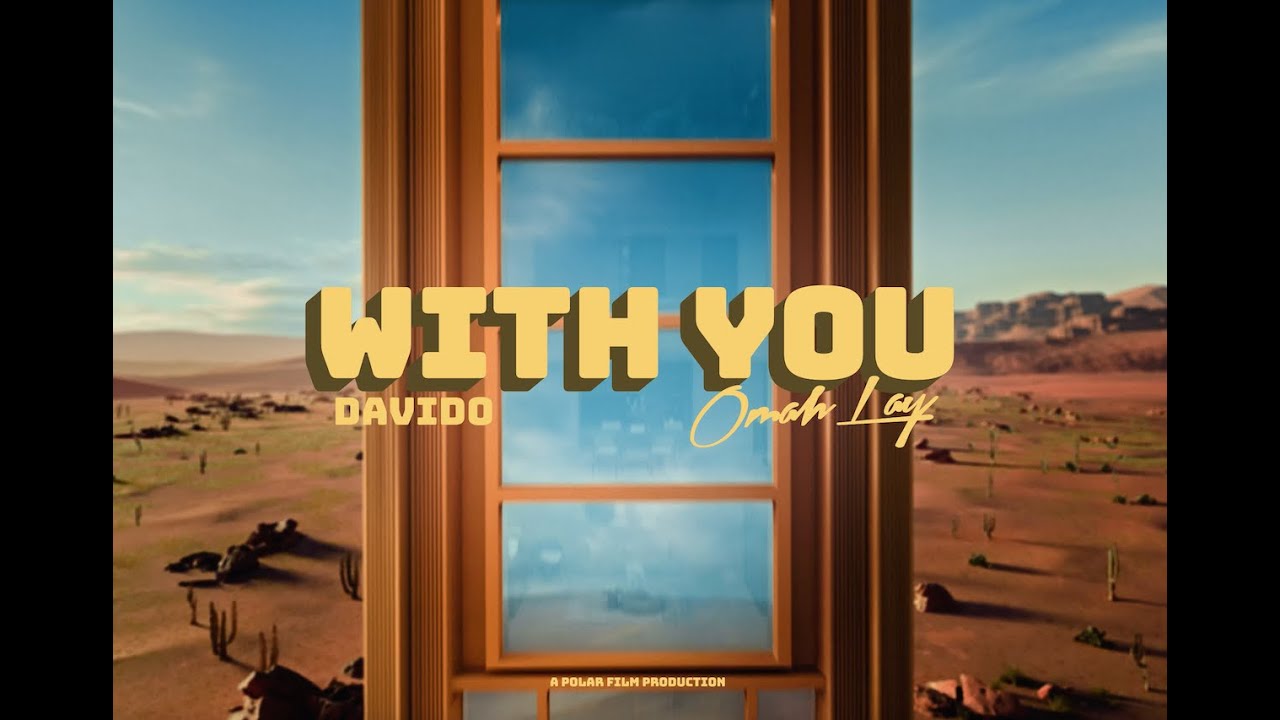
Now there’s even more reason to move, as the video for “With You” has just dropped. In it, you’ll see both Omah Lay and Davido sharing new dance steps as they groove to the track with ease and charm.
What makes the video even more special is the appearance of the legendary BrightChimezie. Davido sampled Chimezie’s iconic track “Because of English” on “With You” and has openly acknowledged the inspiration. Seeing the legend himself in the video is a brilliant nod to the song’s roots and cultural richness.
“With You” is a romantic Afropop number about love, longing and deep connection. It is one of the memorable tracks on Davido’s latest album, “5IVE.” The video is directed by DammyTwitch, who brings the warmth and rhythm of the song to life.
Nigerian music star Omah Lay left audiences in awe during his recent performance in Belgium, delivering an emotionally charged live rendition of his breakout hit, You.
The intimate moment quickly became one of the standout highlights of the night, reaffirming the raw power of live music.
Originally released in 2020, You introduced the unique Afro-fusion sound of Omah Lay to the world. It waas a track rooted in vulnerability, longing, and deep emotional expression. On stage in Belgium, those sentiments were brought to life in the most poignant way.
With minimal stage setup, just a microphone, subtle lighting, and his unmistakable voice, the singer held the audience captive from his very first line: “I love, I love you, I love you.” The crowd fell silent, hanging onto every word as his crisp yet tender vocals floated effortlessly over the mellow instrumentation.
There were no extravagant theatrics or flashy production. It was pure, unfiltered emotion, the kind of performance that cuts through the noise and leaves a lasting imprint. Fans in the venue responded with quiet sways and hushed singalongs, fully immersed in the atmosphere Omah Lay created.
The performance served as a powerful reminder of the artist’s journey since You first put him on the map, showcasing his ability to connect with audiences through vulnerability and sincerity. Whether experienced live or online, You continues to resonate, and Belgium was lucky enough to witness a truly special moment.
For many in attendance, it wasn’t just a performance, it was a shared experience, one that won’t be forgotten anytime soon.
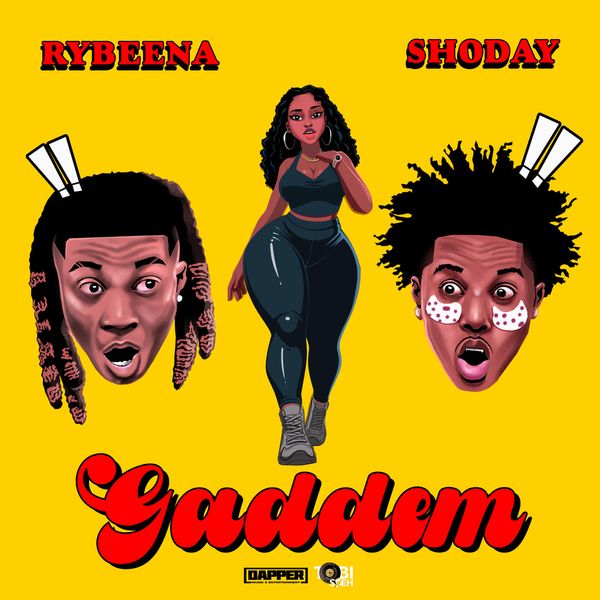
With infectious hooks and catchy melodies, this song, Gaddem by Rybeena and Shoday, is bound to uplift your spirits and make you move to the rhythm; read the lyrics below.
Gaddem Cover Art
Rybeena & Shoday - Gaddem Lyrics
You know what time it is baby Let's fuck shit up baby Let's go baby (Bomboclaat sounding it) Hmm hmm hmm
See, I like the way you denge pose for there Mo like bo se penego My baby if we nenepo I swear I no go cast ma lo senu e bo Allow me dakun ma se bo se to Have you ever heard hold your Amber Rose? I bin think say dem hot till I find you My baby mo foh (oh my baby girl so fine oh)
God damn you're so sexy Mo fe je o le pe mi l'atenu No stress oh my baby no fear owo mbe Weekly allowance l'ose, Olohun N'igboro emi lo n je Enu o ra range ko se f'ole O r'agba singing oko 'midan So mo ko pe meji lagbo
Oh oh oh oh oh Achalugo omilolo My pilolo my pilolo Baby je ka jo ma kiboroki Ka ma gbadun, ka ma jo Ka sere moju, ka mu'gbo O my sexy namacho Tell me what I no fit do My baby, my baby Baby, baby eh eh ah
Alawee, alawee, alawee for my bae Dem fit bad dem no reach my bae I be thug boy wey no get feelings But for your sake I don change my way Na you be all I know You be sativa for my po You give me joy I no fit lie oh You be my dream I am chasing you, ah!
God damn you're so sexy Slim waist petite body And if you turn orobo no fear I no go stop to love you my baby God damn you're so sexy A fe je, o le pe mi l'atenu No stress oh my baby no fear owo mbe Weekly allowance l'ose, Olohun
N'igboro emi lo n je Enu o ra range ko se f'ole O r'agba singing oko omidan oohh So mo ko pe meji lagbo Oh oh oh oh oh Achalugo omilolo My pilolo my pilolo Baby je ka jo ma kiboroki Ka ma gbadun ka ma jo Ka sere moju ka mu'gbo O my sexy namacho Tell me what I no fit do? My baby
Check Lyrics of latest songs here, and get fresh updates as they drop via X and Facebook
In Day 1–1000, we follow founders through the raw, unfiltered journey of company-building: the early scrambles, the quiet breakthroughs, the painful pivots, and the milestones that shape what a business becomes.
When Lagos-based football club, Sporting Lagos launched its brand new identity—jersey, typography, campaign—the internet exploded. Strangers tweeted: “I think I’ve found my new club.” Others asked, “Where can I buy this jersey?”
I was determined to seek out the designer or creative studio that had made the club jerseys some of the most desirable pieces of clothing in Lagos. For the first time since I was born, I saw Nigerians wear a local football jersey with pride and style. My quest led to Jordan Belonwu.
It did not surprise me to learn that his studio, Belonwus, was behind other outstanding branding of some of Nigeria’s prominent tech startups, including Zap by Paystack, Grey, JuicyWay and Casava.
Belonwu is my guest today on Day 1–1000. We spoke for nearly two hours—the longest interview I’ve done for this column—and the conversation felt like a masterclass on taste, identity, and proving yourself again and again. During our conversation, Belonwu takes me from his Blackberry Messenger (BBM) logo days to nearly being fired by fintech company, Bamboo, and running a studio that now chooses who to work with.
Act I — The making of taste
“I think I’ve been designing since I was a teenager,” Belonwu says when I ask where it all started, a mix of happy accidents. He grew up in Lagos, the child of a fine art–appreciating mother. In their home was a computer with illustration software. “I was redrawing the Superman logo on Microsoft Paint before I even knew what design was.” In secondary school, he tried science and failed nearly every subject. “At some point, I realised: I’m not a science student. I’m just not.” He switched to arts and eventually studied Fine Art at the University of Benin.
But even there, he didn’t fit neatly into the system. While his peers painted or sculpted, Belonwu was already using Illustrator and Photoshop, teaching himself software the department dismissed. “We were told to do assignments in CorelDRAW. I was using Illustrator. And the lecturers hated that,” he says.
Get the best African tech newsletters in your inbox
He clashed with teachers. He fought for relevance in a system that prized hand-painted poster boards over digital precision. “You’d be asked to paint a Close-Up ad by hand. It wasn’t design education, it was nostalgia training.”
He never stopped designing, though. On BBM, he posted logos he had made for friends. More friends reached out: campus makeup artists, photographers, fashion entrepreneurs. Soon everyone in school knew someone who had a ‘Jordan logo’. “I didn’t know it was brand identity at the time. I just thought I was designing logos.”
What he had—even then—was taste. “Because of my mum, and the artists she knew, I had early exposure to what great art looked like.” That early calibration of the eye, the sense of refinement still anchors his work today.
Act II — The battle for belief
After school, Belonwu didn’t spend a week job-hunting. He texted a designer friend just to say he was open to opportunities and got called in the next day. He was hired immediately. He worked at GampSport, then freelanced, then got pulled into an advertising agency— Image & Time—where he finally saw what real design teams looked like. “It was the first time I realised I wasn’t that good,” he tells me. “Everyone was faster, sharper. That place taught me to work under pressure.”
But it was his next move that almost broke him. Two months into a design role at Bamboo, his output almost got him fired. “I was designing a pitch deck for an investor,” he recalls. “It was terrible. Not good enough. I hadn’t done anything that high-stakes before.” The founder called him in and showed him a better deck: “This was done by someone we didn’t hire. And we hired you.”
He left that meeting unsure if he still had a job. Seeing as he wasn’t asked to leave, he launched a secret redemption plan which he called “Project 27.”
“I messaged everyone—Ope from Paystack, people from Cowrywise, Facebook. I asked for help. I watched YouTube tutorials like my life depended on it.” For two months, he redesigned Bamboo’s branding at night while doing his actual job during the day.
The work paid off. Bamboo kept him. Eventually, they raised a round, expanded into Ghana, and gave him full creative control. “I was creative director. I was the photographer. I was managing decks for Helium Health, designing Money Africa’s visuals every morning, managing Bamboo’s social accounts, and hiring designers. It was insane.”
In 2021, after nearly two years, Bamboo offered him stock options and a bigger role. He turned them down to start his own studio. “I didn’t want to be tied down,” he told me. “I knew I wanted to build something of my own.”
Get the best African tech newsletters in your inbox
Days 1–100: Crafting culture beyond the logo
Belonwu didn’t walk out into uncertainty. He had already built enough reputation that projects were lining up. His first client came before the studio had a name. Taeillo, a furniture company, was first. Then cross-border remittance startup, JuicyWay, followed shortly after.
He hired his first employee, Mayowa, who had previously applied for an internship at Bamboo but didn’t get in. Mayowa, joined part-time then became a full-time hire. There was no pitch deck. No org chart. The model was simple: do the work; when it gets too much, hire someone else. The team grew one overwhelmed day at a time.
But the work was undeniable. Series A startups started calling. Zap. Juicy Way. Grey. Bamboo again. And Lagos-based football club, Sporting Lagos. One by one, he became the visual architect of Nigeria’s most design-forward startups.
In the first few months, the studio moved fast. Belonwu and his lean team worked on brand identities, merchandise design, and production design. Soon, he began noticing a trend: the brands that reached out weren’t just interested in design, they wanted distinctiveness. They wanted branding strategy. They wanted to work with a studio that made them feel different.
It was around this time the studio began defining values. What would they say yes to? More importantly, what would they say no to?
That answer showed up when two betting companies reached out. Belonwu says he didn’t decide alone. He asked his team. “I ran a poll. I said: “If you had full autonomy, would you work with a betting company?” Only one person said yes. Everyone else said no. The answer became clear.
He tells me now, almost casually: “Gambling is too dangerous to have great identity.” That line stayed with me.
The make or break Sporting Lagos project
One of his most euphoric—and painful—projects was Sporting Lagos. Midway through the rebrand, the client almost pulled the plug. “They said they might stick with the old identity.”
Belonwu and his team had already worked on it for five months. “I wasn’t even thinking about the money,” Jordan said. “I just couldn’t imagine all this work—the detail, the cultural nuance—not being seen.” He fought for it. He can’t even remember exactly how it got resolved, but the project got back on track. They resumed. And what came out of that work changed everything.
When Sporting Lagos finally launched the new identity—jersey, typography, campaign, everything—the internet exploded. Strangers tweeted: “I think I’ve found my new club.” Others asked, “Where can I buy this jersey?”
Belonwu’s studio built everything from scratch—the pattern inspired by road markings and Nigerian truck art. The bird motif on the away jersey symbolised migration—a metaphor for fans flocking to this new team.
“We put so much into that identity,” he says, pulling up photos of the moodboards, “the stitched sleeves, the custom typography. Seeing strangers wear it was the highest validation.”
The jerseys sold out. The football club’s social media followers jumped from 4,000 to 17,000. And Jordan, who fought to keep the project alive, finally got to see his work on people. “That’s when I knew. People don’t just want brands. They want brands that feel like them,” he says.
The Sporting Lagos project would later earn Belonwu a referral for the Paystack project.
Get the best African tech newsletters in your inbox
Day 1000
It’s been four years since Belonwu walked away from Bamboo and launched his eponymous studio. Today, the studio employs 12 people. The team has branded some of the most recognisable startups in Nigeria. They’ve made merch, rebranded apps, art directed commercials, built sets, designed exhibition pieces, and made fans fall in love with football jerseys.
“I don’t think we have a style,” he tells me. “Our style is: it must not look like the last thing we did.”
But the company’s proudest shift is that they don’t chase clients anymore. Clients chase them. They don’t run ads. They don’t send pitch decks. Every single client—from Zap to Grey to JuicyWay to Bamboo—has come through referrals. “It’s not about scale. We’re not trying to be Uber. We’re trying to be unforgettable,” he says.
If a startup doesn’t care about design, they politely say no. If they don’t share values—like those betting companies—they walk away.
“Some people don’t understand design,” he said. “And if you don’t, I can’t convince you. Especially when I know it’ll cost you money.”
Present Day
At a talk last year, Belonwu titled his keynote: “We’re Finally Good Enough.” The name came from a moment of vindication when design agency, Wieden+Kennedy London rebranded Upwork using a layout system nearly identical to what his studio had built for Bamboo a year earlier. “I don’t think they copied us. I think we just arrived at the same truth,” he says.
That moment convinced him they were no longer “local” designers. They were global in thought, execution, and ambition. They just happened to be based in Lagos.
When I ask if he feels like they’ve made it, he pauses then smiles. “We used to dream of global relevance. But now we know: we’re already here.”
I ask him what’s next. A bigger studio? Global clients? A product line? He shrugs. “Honestly, I just want to keep proving that Nigerian design can be world-class and still be rooted in culture.”
Mark your calendars! Moonshot by TechCabal is back in Lagos on October 15–16! Join Africa’s top founders, creatives & tech leaders for 2 days of keynotes, mixers & future-forward ideas. Early bird tickets now 20% off—don’t snooze! moonshot.techcabal.com

 Connexion





 (@ayrastarr)
 ,
,