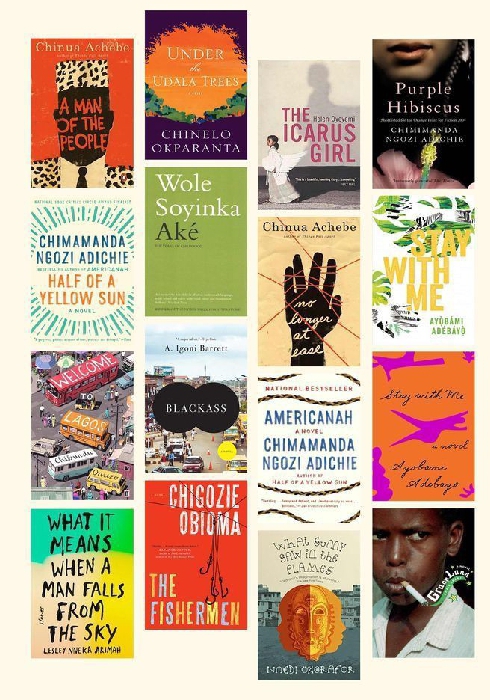
Publishers need to invest in education and literacy initiatives. The idea is that such an investment creates tomorrow’s readers—the customers who will buy books when the contemporary readers are no longer there.
By Chimezie Chika
One of the long-running omissions of Nigeria’s publishing industry is the absence of regular weekly bestseller lists. We know on occasion—usually by hearsay—what books are moving numbers, but no official list in this country collates bestselling books weekly and ranks them by sales.Â
One drawback of this absence is that, in an industry as large as ours, no one has concrete information on the numbers around our bestsellers. When all is considered—the industry’s infrastructural deficits notwithstanding—one must conclude that we seem to be operating in an industry that thrives on withholding information. Perhaps thrive is the wrong word here, for withholding information as far as sales go has never helped anybody in publishing.Â
But bestseller lists have changed the industry considerably in terms of circulating valuable business information on sales data and creating further demand. Putting aside the sales engineering that this is hinting at, bestseller lists are immensely beneficial for publishers and authors alike. For the former, they are marketing tools and provide signals about where the market is leaning; for the latter, they create visibility, credibility, and the ability to command higher future advances.Â
One example is what the phrase “TheNew York Times Bestseller†pasted on the front cover does for a book published in the United States or what The Sunday Times version of that phrase does for a book published in the UK. Can we not create something that would make it possible to put a similar phrase on books published in Nigeria? Something along the lines of “No. 1 on The Vanguard’s Bestseller List†or “No 2 on Open Country Mag Bestseller List†or “No. 3 on Afrocritik’s Bestseller Listâ€.Â
The idea of becoming a bestseller gives a social—and even psychological—weight to a book. This is purely on the basis of publishing and marketing rather than the quality of the writing. While it is hard to determine what kind of books readers will like and buy, collecting data on reader preference goes a long way in providing leverage for stakeholders within the publishing industry.Â
Some people may begin to point to Open Country Mag/RovingHeights Bestseller List as an example of one such initiative in this country. Need I remind them that the Open Country list is an annual one (though a remarkable one in the desired direction).Â
The kind of list I am pitching for here is weekly or monthly lists which, over time, are collated to give a more comprehensive picture of sales figures within the industry, usually at the end of the year. By these indices, almost anybody can reasonably estimate how many copies a book sold by simply going through bestseller lists—week by week or month by month—during the given year.Â
Transparency and Bestseller Lists
For all intents and purposes, Nigeria is not a transparent state, has proven not to be so, particularly in much of its public affairs. This is why a bestseller list in Nigeria will return paradoxical results, if not managed well. On one hand, bestseller lists are an exercise in transparency in that all stakeholders in the industry—publishers, bookstores, authors, the National Archives—are willing to give sales information to make this possible.Â
Imagine what would happen if each of these stakeholders willingly gave data on sales? I wager we would have relatively comprehensive and credible bestseller lists. Conversely, when any or all of these stakeholders withhold such information, the bestseller list becomes a partial representation of actual sales in the country or, worse, completely nonexistent.Â
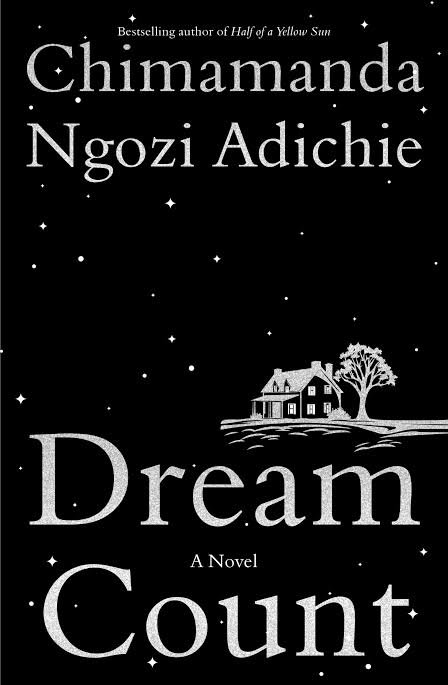
I have already given an example of a part-representation bestseller list: The Open Country Mag/RovingHeights List. This list is strictly restricted to sales data from Nigeria’s largest bookstore, RovingHeights, yet the data shows that in the year 2025, the bestselling book in Nigeria from the bookstore, billionaire Femi Otedola’s memoir Making it Big: Lessons from a Life in Business, sold over 8,000 copies (the biggest for a single book since the list was launched), followed in second place by Chimamanda Ngozi Adichie’s novel Dream Count, which sold more than 4,000 copies.Â
Dream Count
Musing on these data, Open Country Mag would go on to note: “The only bigger winner is the publisher of those two books: Narrative Landscape Press, the first press to claim the Top 2 spots.†They also noted the limitations of using only one bookstore’s data as a yardstick. According to them, Nigerian publishers tend to sell more copies of their books than bookstores.Â
They referenced Narrative Landscape again, “which also released and primarily sold another bestseller in Chude Jideonwo’s How Depression Saved My Life.†This makes sense for a book like Adichie’s Dream Count, her first in 12 years, which would have—judging from speculations—been the number 1 on a comprehensive bestseller list. Speculations online earlier this year were that the book would probably have sold over 15 thousand copies, with some putting the figures at over 25 thousand.Â
Speculations like this are only possible because the country—and more specifically, the entire publishing ecosystem—is not transparent enough with sales data. In the same vein, Fatima Bala appears to dominate fiction sales this year. We will see what the 2026 Open Country Mag/RovingHeights list would reveal.Â
On the other hand, transparency can be doctored, gamed, or twisted to serve the interests of those concerned. One of the most controversial subjects of bestseller lists has been how easily they can be tailored to suit a publisher’s agenda. Some sales data can be skewed to favour certain books or genres. It is well known that Amazon bestseller lists can be easily doctored simply by choosing less-popular categories (meaning fewer sales push the book into bestseller spots), or by engineering the preorders. This is perhaps why authors hustle so desperately for preorders these days.Â
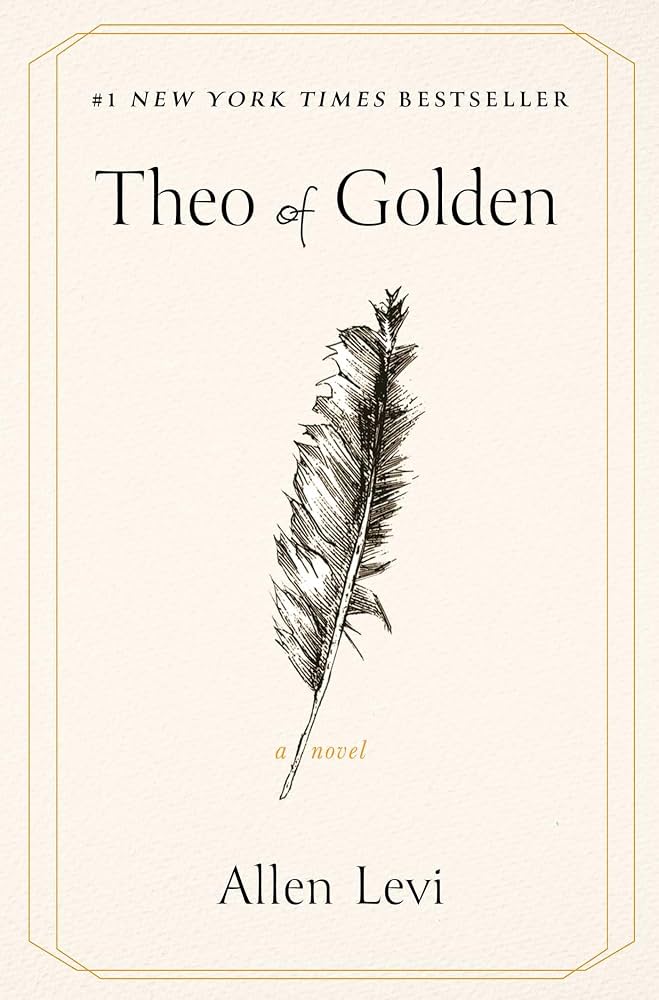
Historically, this was not how bestsellers happened. This happened organically. A book is released (touted, marketed), and its sales pick up as demand rises with ads, reviews, and word-of-mouth, building up to a buzz (to be fair, these still play a part in the making of bestsellers). In fact, one of the major bestsellers of this year in the US is an initially self-published book by an American retiree, whose sales were first boosted by word-of-mouth. The book in question, Theo of Golden, has now sold more than 3.5 million copies.Â
Theo of Golden
Official bestseller lists, as an editorial product, were first created by The Bookman, an American literary magazine, in 1895. Afterwards, Publishers Weekly began its list in 1912, while the famous The New York Times list was first published in 1931. All collated their lists by tracking sales across bookstores nationally. A major question to ask in the bestseller discourse is what exact numbers make a book a bestseller?Â
It will immediately become clear that this is dependent on the country or the book demand within a location. There are countries where selling 10 thousand copies doesn’t make you a bestseller, but there are countries where a mere 5000 copies makes you an absolute chart topper. It has always amused me that books that sold a thousand or two thousand copies in Nigeria are considered bestsellers (though, again, this makes sense as data from one bookstore). But is it not a mark on our publishing, literacy, or education infrastructure?
Poor Infrastructure or a Lack of Will
I have always argued that the publishing industry should synergise and grow its own market. This is the innovation publishers must commit to in a country like Nigeria, where government is failing to invest in literacy and fight piracy. While we must continue to hold government accountable, publishers must be willing to go the extra mile.Â
Publishers need to invest in education and literacy initiatives. The idea is that such an investment creates tomorrow’s readers—the customers who will buy books when the contemporary readers are no longer there.Â
Lateral collaboration between publishers, and between publishers and serious-minded publications, and between publishers and educational institutions should be unquestionable. Publishers should be willing to provide relevant sales data wherever they are needed.Â
We know that this country is severely limited by governmental dysfunctions, poor infrastructure, and dire economic conditions. This is why all stakeholders must be willing to be innovative with ideas. At the moment, a bestseller list and a continuous investment in literacy will do no small work.Â
Chimezie Chika is a staff writer at Afrocritik. His short stories and essays have appeared in or forthcoming from, amongst other places, The Iowa Review, Dappled Things, Channel Magazine, Terrain.org, Lolwe, Isele Magazine, Efiko Magazine. He is the fiction editor of Ngiga Review. His interests range from culture, history, to art, literature, and the environment. You can find him on X @chimeziechika1.
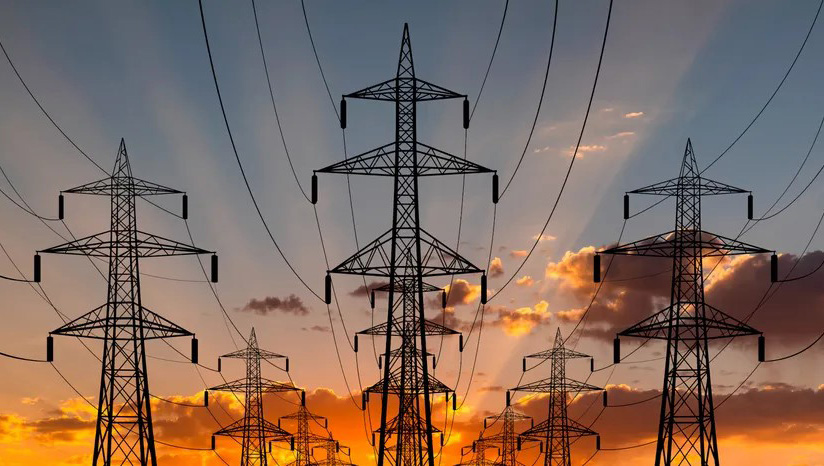
Infrastructure in Nigeria does not merely fail; it asserts itself as a constant condition, a baseline against which life is measured. Electricity, water, transport, and access to safe streets are all provisional, temporary, and negotiable only in the most practical terms.
By Taiwo Egunjobi
Cinema serves many masters.Â
It can persuade, entertain, provoke, indict, memorialise, and mobilise.Â
In the Nigerian context, where I live and work, the demand to entertain is often treated as the primary, most legitimate function. My own early education in film mirrored this tension; while studying a diverse canon, I gravitated towards works that married persuasion with pleasure, and often found myself impatient with European or African art films that seemed to disdain entertainment. Yet, many of those films held something vital: an unflinching gaze at the environments shaped by systemic neglect. The danger, I learned, was in turning that gaze into dogma, in presenting restraint or deprivation as the only “correct†cinematic mode. It has become a thematic preoccupation of festival programmers and critics of African cinema to reinforce this dogma, and there are no signs of this abating anytime soon.Â
For me, the real goal is not a predetermined style, but an honesty of relation between form and condition. This honesty becomes imperative when the subject is infrastructural failure that is permanent rather than exceptional, bureaucratic rather than violent, and normalised rather than shocking.Â
In such a context, spectacle often lies. Not morally, but structurally. It distorts the lived experience of neglect by presenting it as an event or a dramatic interruption, rather than the very air a society breathes. The question for a filmmaker, then, is not “Should cinema avoid spectacle?†but “What kind of form does this reality demand if I am not to distort it?â€
Sometimes the honest form is quiet. Sometimes it isn’t. The trap is in making poverty porn for the international festival circuit, a commodity of despair that is legible to outsiders but alien to those who live within the reality it claims to depict. Some truths about neglect collapse when aestheticised. In response, restraint becomes less an aesthetic choice than an ethical refusal to misrepresent.Â
My filmmaking practice has been shaped by this refusal. In Nigeria, infrastructure does not fail episodically; it fails continuously. This continuity alters not only how films are made, but what kind of films can be made. Electricity is the cardinal example. On set, power failure is not a crisis, but the chief premise. The generator’s constant hum is our baseline, reshaping soundscapes, dictating schedules, and rewriting dialogue. This is not dramatic. It is routine. And because it is routine, it quietly determines form: it dictates where scenes can be staged, how long they can run, and what kind of auditory silence is achievable.Â
This pressure extends into writing. I stopped imagining stories that could only be realised through production heroics. Instead, I began writing for contexts I knew intimately: university campuses, zoological gardens, junkyards in familiar neighbourhoods, spaces whose rhythms and constraints I could predict. This was not so much a creative limitation as it was an adaptive logic: if neglect structures the world, then narrative must be designed to survive inside it. Constraint became a tool to be acknowledged, not romanticised.Â
Infrastructure in Nigeria does not merely fail; it asserts itself as a constant condition, a baseline against which life is measured. Electricity, water, transport, and access to safe streets are all provisional, temporary, and negotiable only in the most practical terms.
Power cannot be relied on permanently, and this uncertainty seeps into every aspect of production, every choice of location, every moment of planning. Filming exteriors in many urban centres is a hazardous negotiation: crews are confronted with extortion, thugs demanding payment, and the ever-present threat of violence. On one prominent set, several crew members were stabbed after refusing to settle a new gang of thugs. Injuries, fear, and improvisation become part of the production. Fuel crises compound the instability: kegs of petrol have been seized by authorities and never returned, forcing productions to continue with smaller generators and improvised energy sources. These are not exceptional crises; they are ordinary pressures, shaping both how stories are told and what stories can survive the day.Â
The slow violence of neglect extends beyond electricity and roads into the very rhythm of urban life. Public roads, estate streets, and city infrastructure become both stage and character, subtly dictating where and how action can unfold. The filmmaker must budget for power, assume the impossibility of social infrastructure, and anticipate the interruptions imposed by spatial decay.Â
Waiting becomes a civic condition: students endure terminal university strikes, markets operate on the whims of fuel availability, commuters navigate streets that offer no guarantee of safety. Lives are navigated in suspended time, negotiating around absence, scarcity, and delayed provision. Such rhythms are not incidental—they shape aspiration, social connection, and hope itself. Filmmaking that attempts to ignore these rhythms risks distortion; the camera must learn to breathe with them, to acknowledge absence without fetishising it.Â
Audience recognition introduces a further tension. Local audiences, accustomed to the realities of infrastructural failure, often recognise the truth quietly embedded in a film: the generator hum in the background, the awkward improvisation of a scene, the improvised detours through broken streets. Yet, there is also a persistent desire for entertainment above all else, a demand that stories provide pleasure or distraction.Â
International festival circuits add another layer: films that aestheticise neglect and failure often receive attention precisely because they conform to a dogma of African cinema, a spectacle of deprivation legible to outsiders. Filmmakers are left in a delicate bind: how to tell the real story without transforming endurance into performance, or suffering into spectacle? The tension between domestic recognition and festival reward becomes a structural pressure, shaping choices in framing, narrative pacing, and even casting.Â
Cinema, then, is ultimately an archival act. Beyond immediate aesthetic or narrative concerns, films bear witness to the texture of the era: the music that pulses in streets and markets, the clothing that marks generational change, the language and dialects that punctuate daily life. They become living photographs of a time and place, recording not just absence or failure, but presence, the strategies of survival, the improvisations of ordinary people, the small assertions of dignity that persist in conditions of structural neglect.Â
This documentation matters because it allows the future to understand who we were and where we were. By capturing the rhythms of daily life, films create a historical ledger that statistics and policy papers cannot; they register the lived experience of citizens navigating an infrastructural landscape of instability. In doing so, cinema becomes a form of memory, offering a reference point for reflection, critique, and perhaps, eventual improvement.Â
Visually, this translates to a preference for compositional stillness. While often interpreted as a stylistic signature, for which I often reference Yasujuro Ozu, its roots are practical and ethical. The environments I film are often visually chaotic or compromised. A restless camera would risk turning that backdrop into a spectacle, forcing the audience to see deprivation as a series of striking images. A still frame, by contrast, allows attention to settle on the characters. It becomes a form of refusal: the refusal to insist that every broken thing be seen, the refusal to make deprivation perform. My characters exist within materially constrained worlds, but the camera does not linger on peeling paint or empty cupboards as if collecting evidence. Deprivation is the given, not the subject. The goal is not to show that things are “bad,†but to show how lives, gestures, and hopes are rearranged around that “badness.†It is not about the bridge that collapsed, but about the path people take to walk around it.Â
This approach demands a specific discipline: the discipline of patience. It means making fewer films. It involves long periods of development, writing with specific collaborators and locations in mind, building productions that can absorb sudden, predictable collapses. On almost all my projects, from In Ibadan (2020) to All Na Vibes(2021), A Green Fever(2024), and The Fire and the Moth(2025), locations have fallen through repeatedly due to sudden situations. Scenes have been reworked overnight, interiors converted to exteriors, and narrative emphases shifted not for creative flair but for survival. This filmmaking trains a particular kind of patience, not as a virtue, but as a necessary, embodied response to a world where nothing is promised, and continuity cannot be assumed.Â
The Fire and the Moth
Ultimately, this practice advocates for cinema as a historical witness, a record of neglect that operates on the level of form. It is a cinema that allows broken systems to shape its aesthetics quietly and its ethics firmly. It refuses to turn neglect into either pity or poetry.Â
By accepting the slow, repetitive, and incomplete rhythms imposed by infrastructural failure, such filmmaking creates a durable record of ordinary life within abandonment. It captures not the spectacle of crisis, but the texture of endurance, offering a testament to how authority, legitimacy, and daily existence are contested and shaped within the quiet, continuous crisis of the everyday: how a poor Ibadan farmer deals with heartbreak, how terminal University strikes can damage waiting students, how a smuggler and a struggling student try to make off with a great artefact. This is the record we make from within the frame of neglect, not a cinema of complaint, but a cinema of witness.
*This essay, among other cultural essays, is published in The Afrocritik Report 2025. Download the report here.
Taiwo Egunjobi is a Nigerian film director, screenwriter, and cultural commentator based in Lagos. A graduate of Psychology from the University of Ibadan, he began making short films as a student, driven by a deep interest in how stories shape human experience and identity. His films have screened at international festivals, including the NOW Festival Paris, the African Film Festival in Argentina, and AFRIFF. His works are available globally, with All Na Vibes on Netflix, and A Green Fever and The Fire and The Moth on Amazon Prime Video. Beyond filmmaking, Taiwo serves as the Editor-in-Chief of Filmkaku, where he contributes to critical discourse on African cinema, and regularly shares insights on other platforms. He has taught sessions on storytelling and leadership at YP Lagos, and has served as a juror for the Africa Magic Viewers’ Choice Awards (AMVCA), the Fountain International Film Festival, and the Ibadan Indie Film Awards.
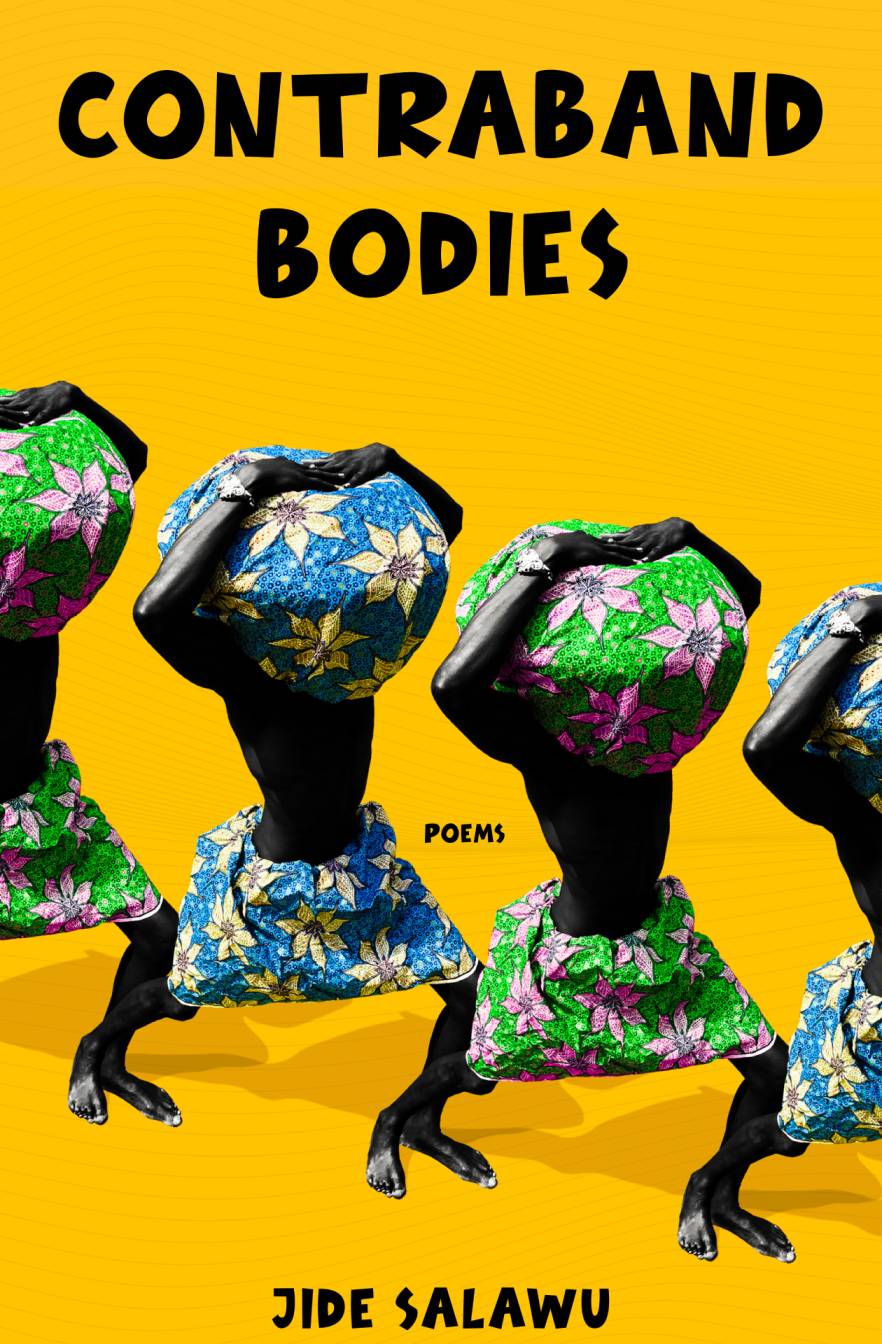
Contraband Bodies challenges us to think about exile: that there is not much dignity in it, either within the places of origin or in exile itself.
By Chimezie Chika
In Jide Salawu’s splendidly titled debut collection of poems, Contraband Bodies, you might catch yourself forcefully imagining hordes of bodies moving in one clouded mass (“a cartographer talk say his country na sufferhead and maps the sea as an alternative bridgeâ€), the destination being anywhere other than their places of origin, across the Atlantic from Africa.Â
Although these migrations are not limited to echoes of the transatlantic or trans-Saharan human trafficking (“Newark is the harbour of Atlantic dreams/where boats of the past dock with the presentâ€), we are aware that they are no less devastating. It is this devastation—of what could be but cannot be, of entire fugitive lives “made of runningâ€â€”that Salawu attempts to inscribe.Â
Contraband Bodies
In Contraband Bodies, Salawu makes us see clearly that the poetry of bodies is the poetry of exile. As has become evident in contemporary poetry of exile, traces of the reasoning that even the journey to exile is itself a kind of condemnation are everywhere. Salawu offers it up well in the last line of the poem, “A Cartographer Maps His Way out of His Countryâ€: “exile is also a famished road even when you survive seaâ€.
If this reasoning functions as colonial gutting, this is what the poet writes in “48 Nightmares Laterâ€:
In the beginning was the sea,
and the bandits of empire arriving at the shores
Before Lagos was called to bow
for the crown under a sky of smog.
If the reasoning is contemporary “Sea Storiesâ€, we will find a lot of it flammable:
… hundreds are wadingÂ
through the butane eye of the MediterraneanÂ
flailing in the brine.
…
rushing out of a country’s flame.
And of course the idea is that the journey is so arduous, insufferable, coming with so many baggages, that surviving the journey becomes another exile of its own kind.Â
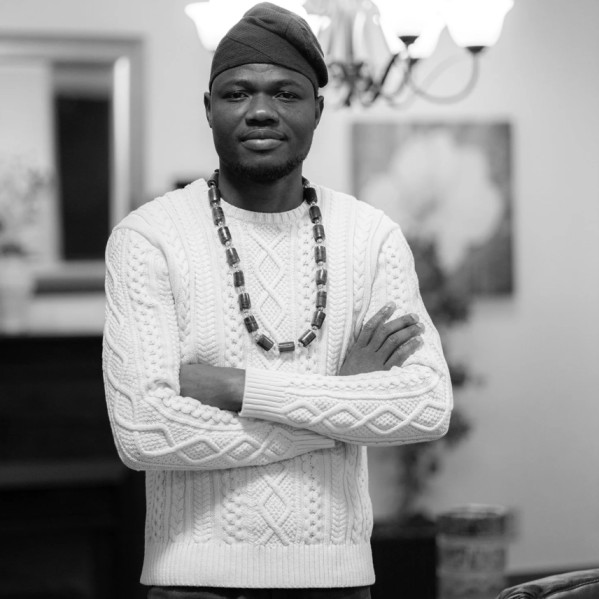
Jide Salawu
Choice can be read in many of these lines. The poet suggests a kind of consciousness in which “choice†as a valid reason for the journey of exile is ever-evolving. While the slave trades of the past were choiceless for the African victims, today this choice thing is more complicated. If there is even some agency with that choice, many have arrived at it from being hounded by hardship and dysfunctional or war-torn homes. The poem, “Sufferheadâ€, exemplifies this pattern in the collection, framed as a prayer:
God, do not make me a beast of burdenÂ
for this land, its broken door,Â
and fractured fiber of its roads.
…
I leave home with my anger
on my back like a hunch
…
On every road I have drifted,
I hear the voices of the dead
and contraband bodies waiting for dawn.
Home here is a metaphor sitting either in plain view or just between the interstices of the poet’s melancholia. One prose-poem, “The Family Houseâ€, in this vein jumps out. Here the poet revisits and reimagines his natal home. What could have gone wrong with his memories of the place? He tells us: “Standing at the front of the house, I smell like a loss.†Loss here is many things: it is family, dreams, an undivided nationality, a non-dislocated identity. We are feeling emotions we have been searching for all over with the poet.Â
Considering all these, the African exile understands that exile is a kind of permanent condition. Many homes these days may function for, and as a result of, exile. “I am in the story,†Salawu muses in the end, “where my father says all gratitude belongs to the roadâ€. Some of this last consideration is also in a poem like “Memorandum of Understanding for the Travelling Africanâ€.Â
Contraband Bodies is not limited by geography. In these poems, we move across the Americas, across Africa and parts of Europe. And in these places, we are given the understanding, sometimes vaguely, that Africans are the contrabands. Every African understands the horrors of visa applications and other related immigration blues. The African immigrants can be many things: unwelcome bodies, bodies that feel strange, bodies that feel lost, bodies that are longing, bodies that do not belong, bodies of ennui—they are all contraband bodies.Â
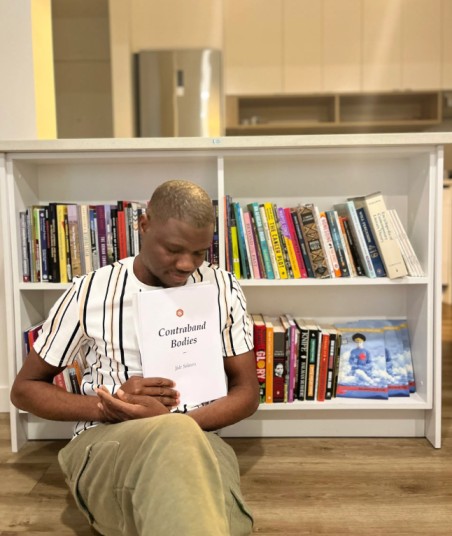
Jide Salawu with his book, Contraband Bodies
The best poems here, often familial or autobiographical, encapsulate something about the tragedy of moving bodies, either those leaving in life or leaving in death. Like in a “Lament of Leaving†where moving away from family is a devastating exercise in the loss of love (“Every morning, I sacrificed to the worms/because I speak no language of the grave.â€). Or like in “The Uplanders†(“what makes the sea salty is the migrant’s sweatâ€)
But is Nigerian literature new to the poetry of bodies? Of course not. And while we do not expect poetry on this theme to end anytime soon, we want poets to bring singular insight, a certain strange new wisdom, to the subject.Â
If one looks at poets who have done this successfully as a yardstick, this collection does not, on the whole, give us the consistent emotional pull of an Adeoba or the narrative poignancy of an Oriogun. It does, however, offer what one may call individuated clarities, and that resides wholly in experience. The best poems conflate the symbols of memory, home, and the sea; some of the others contain execrable lines.
Perhaps the culprit is that Salawu may have spread some of his thoughts a little too thin. As a result, some of the earlier poems in the collection feel superfluous. Or perhaps it is the lack of rhythm, the sense of a running inner song, that gives this sense that something is missing.
Yet, these will not detract from what Contraband Bodies challenges us to think about exile: that there is not much dignity in it, either within the places of origin or in exile itself. This is as much a poetry of bodies as it is a poetry of the sea, of lands, and of nameless faces striving for survival in those places.Â
Chimezie Chika is a staff writer at Afrocritik. His short stories and essays have appeared in or forthcoming from, amongst other places, The Iowa Review, Dappled Things, Channel Magazine, Terrain.org, Lolwe, Isele Magazine, Efiko Magazine. He is the fiction editor of Ngiga Review. His interests range from culture, history, to art, literature, and the environment. You can find him on X @chimeziechika1
The festival programme includes projects in different formats, including narrative features and shorts, documentary features and shorts, and animation, from 21 African countries.
By Adedamola Jones AdedayoÂ
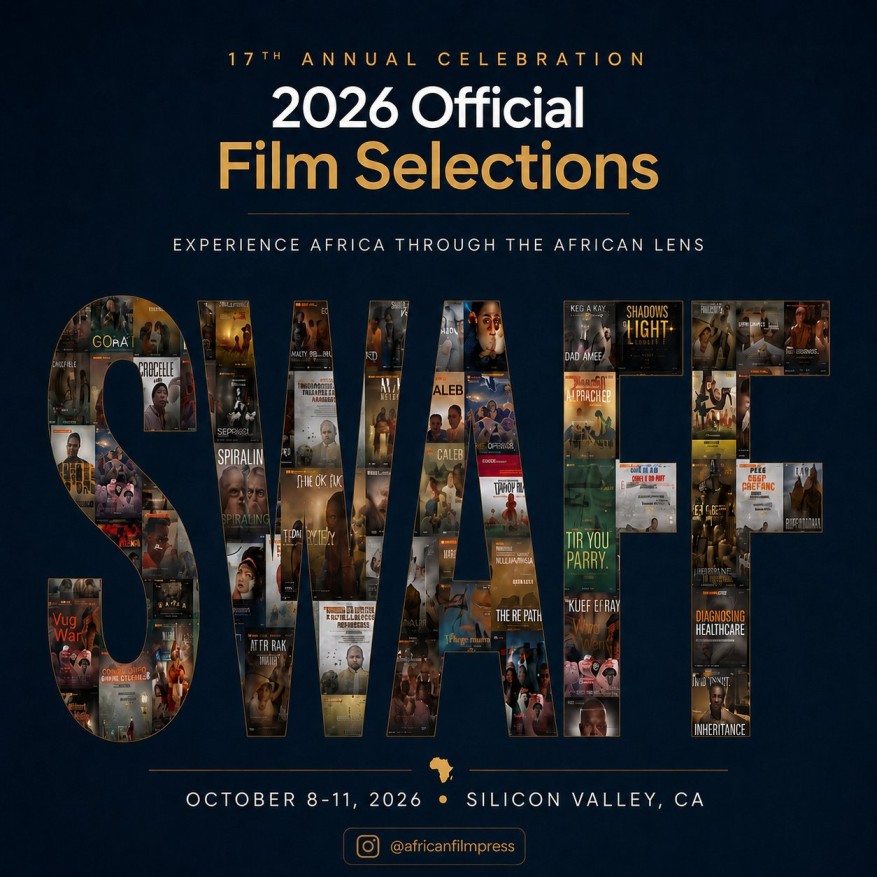
The Silicon Valley African Film Festival (SVAFF) has unveiled a lineup of 76 films from 33 countries for its 17th edition, acknowledging stories from across the African continent and diaspora—with the festival scheduled to run from 8th to 11th October, 2026 in California, USA.
The festival programme includes projects in different formats, including narrative features and shorts, documentary features and shorts, and animation, from 21 African countries. Selected countries include Angola, Benin, Burkina Faso, Côte d’Ivoire, Egypt, Gabon, Ghana, Kenya, Madagascar, Mauritania, Morocco, Namibia, Nigeria, Rwanda, Senegal, South Africa, Tanzania, Togo, Tunisia, Uganda and Zimbabwe.
Narrative feature projects include Namibian filmmaker Elisabeth Tonata Hamukwaya’s Mwananga, Gabonese filmmaker David Mboussou’s AFROTŌPIA, Ugandan filmmaker Maureen Jolly Nankya’s SLUM BOMBER, South African filmmaker Lwazi Duma’s Thulebona, and Beneath The Tides, directed by Kenyan filmmakers Mbithi Masya, Millan Tarus, Mark Wambui, Barbara Minishi, Samuel Tebandeke.
Part of the documentary lineup are shorts such as Ugandan filmmaker Denis Israel’s The Blind Family, Kenyan filmmaker Robert Mutahi Macharia’s What Shall I Wear To My Funeral?, South African filmmaker Felicia Mokgara’s Living Under Water, Nigerian filmmaker David Akwara’s 40 Years of Crafting AFRICA; and features such as Togolese filmmaker Joel M’Maka Tchedre’s CENT DOUZE, Tunisian filmmaker Anis Lassoued’s Our Seed, Kenyan directors Robert Asimba and Ras Mutabaruka’s Fight For Life, and Nigerian filmmaker Daro Umaigba’s SUYA – A Spicy Piece of Home.
From the animation selections are Moroccan filmmaker Marwan Chiguer’s INVESTIGATION, Ugandan filmmaker Arnold Abayo’s Queen Kitami, and Congo-Côte d’Ivoire co-production My little stories_The gardener’s tears, directed by Manuelly Lashika N’Landou-Tchibindat, among others.
Afrocritik Music Spotlight: Storytelling Songwriting
By Yinoluwa Olowofoyeku
Hey everyone, and welcome back to another edition of the Afrocritik Music Spotlight!
How are we doing? We’re already well into Q3, and we hope the year has been treating you kindly so far. How’s everything going on your end? We hope you’re staying positive, making the most of your time, and finding little reasons to keep moving, whether that’s through work, love, creating, resting, or simply taking things one day at a time.
And of course, if you’ve been making music, don’t keep it from us. We’ve been discovering so much amazing music lately, and we’d love to hear what you’ve been working on. Send your latest releases our way at yinoluu@afrocritik.com for a chance to be featured in a future edition of our Music Spotlight.
Addressing the elephant in the room, unfortunately, technical difficulties kept us from bringing you our delectable selection two weeks ago. Thankfully, they have been resolved, and now you get to enjoy a stacked, long, and moving curation. You know I don’t like being away from you guys for too long, so consider this a soft apology from me.
This batch was particularly special to discover because the storytellers really came out to play. From beautiful songs carrying deeply personal narratives to records built around vivid themes, heartfelt reflections, and lyrics that stay with you long after the music stops, this edition is all about Storytelling Songwriting. These are songs that give your mind something to chew on and your heart something to feel, while still getting your feet moving.
So settle in, turn the volume up, and let’s get into this week’s discoveries in the form of…
SOUL & BALLADS
Some artists let the music speak softly, leaning into soulful melodies, vulnerable performances, and stories that linger long after the song ends. This selection brings together some of the week’s most heartfelt offerings, where rhythm meets reflection and emotion takes centre stage.
The singles continue that soulful thread, with Libianca’s “I Know†featuring ZeeBoy, Lusanda’s “By The Time I Wake Upâ€, Nasty C and Tellaman’s “Naturalâ€, and Marcus Harvey’s “Waters†each offering their own take on intimacy, vulnerability, and emotional expression.
NARRATIVE FUSIONS
Some artistes find their stories in the spaces between genres, folding different rhythms, textures, and influences into songs that remain deeply personal. This selection brings together a broad spectrum of Afro-fusions, where movement and melody work alongside storytelling, emotion, and distinctive artistic voices.
Valee YVE introduces the LITBOY WAVE v1 aesthetic through “Purple hibiscusâ€, “Sb boys!â€, and “Vacay!â€, blending youthful energy with an unmistakably modern sound, while Llona takes listeners through the highs and lows of the journey on On The Road, where “Monster or Notâ€, “Cry†featuring Black Sherif, “Masculine Loveâ€, and “Look At Me†pair introspective songwriting with emotionally charged performances.
That same blend of rhythm and narrative continues through ginius’ “Love Me Softlyâ€, Ms Gideon and Not3s’ “All My Luvâ€, Darkoo and Asake’s “THAT GIRL!â€, and YKB’s “BOOBOâ€, each bringing a different energy and perspective to the playlist.
STORIED ENERGY
Some stories do not have to slow the music down. There is plenty of room for emotion and narrative when the beat is thumping, the rhythm is infectious, and the energy demands movement. This selection finds that balance, pairing strong songwriting with grooves built to get the body moving.
Zhus Jdo brings a playful, contemporary energy to Wahala Pikin, with “Kai Cenatâ€, “Opium Amapianoâ€, and “USDT†offering three distinct flavours across the project. Zen Universe taps into a hazier headspace on #flowstate, with “#toomuchswagâ€, “margiela babyâ€, and “2am in Elegushi†capturing its laidback, atmospheric character. MOLIY captures a playful, vibrant energy on BADDIES <3 MOLIY, where “TOMETOâ€, “PARTYGYALâ€, and “ACCRA GIRLS†bring together catchy melodies and lively collaborative chemistry. Anabel Rose reflects on love, growth, and emotional complexity across How Do The Flowers Bloom?, with “Peace of Mindâ€, “How I Want It Tooâ€, and “Monsters†showcasing her intimate songwriting.
The momentum carries through Phina’s “Ambulanceâ€, HEVI’s “Danceâ€, and Liquideep’s “For The Nightâ€, bringing more movement and rhythmic energy without losing sight of the stories and emotions at the heart of the music.
ELECTROPULSE
The final stretch takes us into the electronic heart of South Africa, where rhythm, atmosphere, and texture can carry a story just as vividly as words. These projects turn pulse into their own language, building immersive worlds through layered production, emotive melodies, and grooves that keep the narrative moving.
Royal Music brings together “iThembaâ€, “Umoya†featuring Q Bonke, and “Drain My Energy†for SZEID, a collaborative project steeped in contemporary African sounds and emotive vocal performances. Chronical Deep delivers another atmospheric electronic statement on H.O.P.E, with “Hopeâ€, “Zizweâ€, “Pulseâ€, and “Aura†building a cohesive, immersive listening experience. De Mthuda turns up the energy on Noise, bringing together “Sasingengjenaâ€, “High Hillsâ€, and “Baleka†featuring Nobuhle and Notkzin for a vibrant Amapiano-driven experience.Â
ShaunMusiq explores soulful Amapiano textures on MISSING PIECE, with “Magama†featuring Thatohatsi, “Maseko†featuring Rory DiamonDz, and “Imizamo Yami†featuring Mashudu. MÖRDA expands his sonic world on Asante IV, bringing together “Nightlife Scats†featuring Napelion, “We Are Samba†featuring Meguel, and “Craving Corners†featuring 2Me10 for a richly textured electronic-leaning experience, while DJ Zinhle keeps the momentum moving on ZINHLE, pairing “Uthandoâ€, “Njengemaliâ€, and “Bestie†with energetic production and collaborative vocal performances.
As ever, what we’ve featured here is only a small part of everything waiting for you across this week’s playlist. There are plenty more gems tucked between these selections, so keep exploring beyond the tracks we’ve highlighted. Revisit the projects that caught your attention, follow the threads that lead you somewhere new, and you might find an artist or song that becomes a lasting favourite.
That remains at the heart of Music Spotlight. Every edition gives us another chance to celebrate the incredible range of African music, from established artists continuing to evolve to emerging voices finding new ways to express themselves. We’re committed to digging through the noise, finding the records that might have slipped past you, and bringing them into the conversation.
And we’d love to know what you’ve been listening to as well. Tell us which releases have been on repeat, what you’ve discovered recently, and which artists or projects you think deserve a little more attention. If you’re an artiste with new music to share, send your work to yinoluu@afrocritik.com for a chance to be featured in a future edition of the Music Spotlight. And keep up with Afrocritik across our social platforms for more reviews, interviews, playlists, and cultural conversations.
As we proceed into September, we hope the month brings you fresh inspiration, meaningful progress, good moments with the people you love, and plenty of music to soundtrack it all. Take care of yourself, keep looking out for those around you, and make the most of whatever the new month has in store.
And there’s more on the way. The next edition will also be a really big one, so please stay tuned for that! We’re always so excited to keep you up to date with the music we’ve been discovering across the continent. Until then, keep your ears open, keep supporting the artists shaping African music, and never be afraid to follow a new sound down the rabbit hole. We’ll be back in two weeks with another collection of brilliant discoveries. Happy listening.
Yinoluwa â€Yinoluu†Olowofoyeku is a multi-disciplinary artist and creative who finds expression in various media. His music can be found across all platforms, and he welcomes interaction on his social media @Yinoluu.
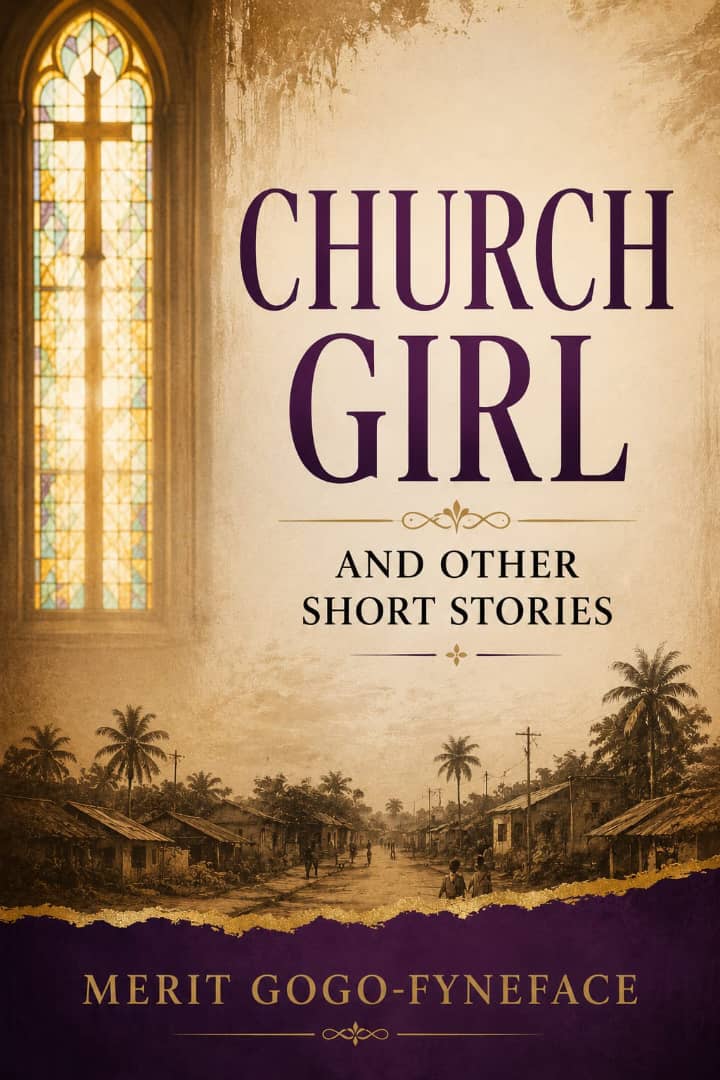
At its core, “Deliverance†studies the misrepresentations of Christian exorcism and the toll it takes on the victims.
By Chimezie Chika
Merit Gogo-fyneface’s Christian-oriented story, “Deliveranceâ€, begins with a scene of corporal punishment. The narrator is being flogged by a man called Baba. At this point, we do not know who the narrator is or what they might have done. We are not even clear as to the justness of this punishment. What the narrative tells us at this point is the details of the beating going on. The onomatopoeic weight of the cane—“Viam. Viam.â€â€”and the force and single-mindedness with which the man is flogging the narrator: “It [the cane] came down on my back – the first, the second, the third until I could no longer count.â€Â
Of course, a crucial word—time—is missing from that counting, but we get the drift of the narrative. In the next sentence, the narrator tells us that their screaming did nothing to stop Baba. “If anything, the strokes began to match the velocity of my wails.†And whenever the narrator tries to move away from Baba, he draws the narrator back into proximity so that the cane can continue its journey.
And thus we are let into the world of Bright, a boy whom the rest of the people around him see as a being “possessedâ€. But why is such heavy punishment being visited on Bright? What has he done? Apparently, nothing untoward. His father—whom he calls “Papa†in the story—took him to that ministry to be exorcised. In short, he is being flogged as a form of deliverance. Such extreme measures are not an anomaly in Nigeria, especially when the subject of the beating has been identified as “possessedâ€.Â
The commonality of the idea of possession labelling within the Christian subculture in Nigeria conjures images of evil or satanic alliances which, as the religious devout would have it, can only be solved by church deliverances. But the idea of possession in Nigeria’s religious landscape goes much further. A child who is not walking exactly in the expected ways, a person who is behaving outside of society’s stipulated boundaries, is no less seen as possessed. Behavioural defects that may simply be a result of teenage exuberance are also added into the equation. Indeed, there is no end to the things Nigerians can label as possession.Â
“Deliverance†is included in Merit Gogo-fyneface’s Church Girl and Other Stories collection
An unhealthy dependence on religious panacea as the only solution to physical or behavioural defects prevails in Nigeria. It is more disturbing that the route such deliverance sessions take is ferocious, with the belief that the possessing spirit can be forced out by putting the body through physical pain. Gogo-fyneface exposes that hypocrisy in this story.Â
In truth, Bright’s problems do not appear to be spiritual. He is a child who does poorly at school. But is he less attentive in class? This is what he tells us: “I listened in class. I tried. I listened when our teacher came in wearing the same shoes all week, the same faded blouse, still speaking about education and telling us it was the key, a key that had locked her inside this village. Still, they said I was not trying enough.â€
Now if a person tries this hard, as Bright narrates, is it possible for us to think they might not be a talented student? Certain kinds of people, like Bright’s father, do not understand the idea of nurturing talent, which is why he would miss the one crucial interest his son has, and insist on orthodoxy: “I saw Papa work hard, selling farm products that filled our soup pot and bought me books at school. My kind of hard was football – movement that made sense in my body. Papa did not understand me, no one did. He said I would grow up and I would be a Medical Doctor.â€
At its core, “Deliverance†studies the misrepresentations of Christian exorcism and the toll it takes on the victims; it also highlights defects of character as a problem that demands a different solution. One cannot begin to imagine the mental toll of being misjudged as spiritually possessed by one’s own family, when parental care and love are all a child needs. In one of the author’s clever set-pieces, we learn that his father uses money meant for food to pay the prophet who does the exorcism or deliverance, as Pentecostal Christianity calls it. Bright describes the prophet as “a very old man in long white garments who said he would travel with it to see Jesus Christâ€.
But while even Bright could see the disparity between the “Jesus Christ†the prophet speaks of and the one he had been taught to believe in, his father seems unable to detect the underlying subterfuge. To this end, Bright says something that proves he is far from the mentally challenged boy his father appears to think he is.Â
In fact, he flips the script on him. And this time his father thanks the prophet. “I remember thinking: Papa might also need deliverance, because what kind of man thanks another human being for beating his child for thirty minutes?â€
The author does well to show us the psyche of the character we are dealing with here. Bright narrates that his father is frustrated, waiting for his mind to catch up to the meaning of his name. He also says this: “There was nothing bright about me. Not my skin or the way I felt insideâ€. Without telling us these details in a bland, matter-of-fact way. The author makes us see that Bright is a dark-skinned, disturbed boy grossly misjudged by the people around him.Â
Merit Gogo-fyneface
It is perhaps to the author’s credit that she does not endow Bright with any Christian-centred redemption. The character is shown until the end to have the same issues he has always had, even after being bundled off to live with his aunty. The author leaves the story open-ended.
“Deliverance†is written as a first-person narrative. We encounter Bright through his own eyes. While his unstable mental state—which might be a result of his family’s treatment—may be why the narrative rambles, his voice is also disproportionately mature for a 10-year-old.Â
The author’s tackling of the psychology of deliverance in the Nigerian imagination needs to be reiterated. Bright is stigmatised, not from an actual diagnosis, but from socio-cultural assumptions. Of course, the relevance of such a subject cannot be overstated.Â
But also this is a story whose principles are extra-literary. The author could’ve stretched the narrative, taken it to its end, with characters acquiring a more nuanced portrayal by virtue of space to develop.Â
This story assumes the tenor of the vast majority of the home-grown literature emerging today in Nigeria, in its tendency towards a range of social concerns. To its credit, its prose is simple; but the structural devices from which it operates remain vastly under construction.Â
A time will come when we will look at the kind of provocative Christian fiction Gogo-fyneface writes and see our lives or that of our neighbours. Here, in this time, we can understand this is an instalment in the work of an author hewing their way through a much-trodden path.Â
Chimezie Chikais a staff writer at Afrocritik. His short stories and essays have appeared in or forthcoming from, amongst other places, The Iowa Review, Dappled Things, Channel Magazine, Terrain.org, Lolwe, Isele Magazine, Efiko Magazine. He is the fiction editor of Ngiga Review. His interests range from culture, history, to art, literature, and the environment. You can find him on X @chimeziechika1.
The 18th Headies Awards will be staged in Canada, marking another international staging of one of Nigeria’s most prominent music award shows.
By Emmanuel “Waziri†Okoro
Nigerian music heavyweights Davido, Wizkid and Burna Boy are among the leading nominees for the 18th Headies Awards, following the unveiling of the 2026 nominations on Tuesday. The ceremony is set to take place in Canada, marking another international staging of one of Nigeria’s most prominent music award shows. The year under review for this edition is from August 1st 2024 to April 30th 2026.Â
Davido, Wizkid and Burna Boy feature across several of the ceremony’s major categories, including Afrobeats Album of the Year, Best Male Artiste, Song of the Year, Afrobeats Single of the Year and Best Headies Collaboration.
Davido earned multiple nominations for his collaboration with Omah Lay, “With Youâ€. The song is in contention for Song of the Year, Afrobeats Single of the Year, Best Recording of the Year, Best Headies Collaboration, and Viewers’ Choice. Wizkid also secured a strong showing. His collaborations with Asake: “MMS†and “Jogodoâ€, earned nominations in major song categories, while his album, Morayo, is nominated for Afrobeats Album of the Year. The singer is additionally nominated for Digital Artiste of the Year, Best Male Artiste, and Viewers’ Choice.
Headies Awards
Burna Boy’s “Bundle by Bundle†received an Afrobeats Single of the Year nomination and is also recognised in the Music Video of the Year category. His album, No Sign of Weakness, is nominated for Afrobeats Album of the Year, while the singer is in contention for Best Male Artiste. The Next Rated category reflects a growing crop of Nigerian artistes, with Fido, FOLA, Llona, Mavo, and Shoday receiving nominations.
Check out the full nominees list below:
Song of the Year
“Arike†— Kunmie
“Hey Jago†— Poco Lee, Shoday & Rahman Jago
“Hot Body†— Ayra Starr
“Joy Is Coming†— Fido
“MMS†— Asake & Wizkid
“With You†— Davido & Omah Lay
Afrobeats Single of the Year
“Fun†— Rema
“Jogodo†— Asake & Wizkid
“Laho†— Shallipopi
“Joy Is Coming†— Fido
“With You†— Davido & Omah Lay
“You†— FOLA
“Bundle by Bundle†— Burna Boy
Best Performer (Live)
Adekunle Gold — Live at the National Theatre, Lagos
If films are inherently political, if all films have something to say, though they may be unaware or unconscious of their inherent politics, then the critic’s duty remains, difficult as it may have been rendered by the film itself.
By Vivian Nneka Nwajiaku
I. The Politics of Cinema
In a world of magic and speaking animals, a green-skinned young woman enrols at a magical university. She is bullied and mistreated, but she endures, accepting to be tutored by the Dean of Sorcery Studies in hopes of gaining access to the great Wizard. On campus, she discovers that animals are losing their speech. Determined to do right, her first opportunity to fraternise with the Wizard becomes an advocacy project on behalf of the animals. She expects a solution. Instead, she is invited to join a scheme to control and scapegoat the animals. Her refusal sets her against the Wizard and the Dean. She is branded the Wicked Witch and a sworn enemy of the land.
This is the story of Wicked (2024-5), Hollywood’s colourful two-part musical fantasy that primarily presents itself as entertainment. Most audiences, especially those uninterested in politics, would consume Wicked for its entertainment value. Fascism, the “nature versus nurture†debate, power imbalances and social inequalities in daily life, these discourses may not bear heavily on the casual viewer. And yet, American sociopolitical realities and the ideological positions of the filmmakers seep through the screen, intentionally controlling the narrative. The casual viewer, wherever they may be located in the world, might not know it, but they are likely internalising certain political stances propagated via this fantasy world.
“Politicalâ€, here, refers not to the strict dictionary definition of “relating to the government†but to the broader socio-cultural interpretation of the term as the exercise of power or, as the British political scientist Andrew Heywood defined it, “the activity through which people make, preserve and amend the general rules under which they liveâ€. In this sense, “the political†encompasses several forms of negotiation for power or control within the various contexts of cultural, socio-economic, and socio-political realities, including the politics of identity, of community, of human emotions and relationships, of class struggles, and of societal systems and power structures.
In this age of social media and the considerable democratisation of access, we have come to discover that the flawed perception held by most of the Global South in favour of the West has been, at least partly, a result of the PR machine that is cinema. The United States, for instance, has historically wielded Hollywood in garnering global respect and consolidating soft power. Hollywood’s reinforcement of American ideological dominance is well documented, from government-sponsored propaganda to independent-minded filmmaking with deliberate socio-political messaging.
Beyond the West, film has played a remarkable role in propagating ideologies. Chinese Kung Fu films, from Drunken Master (1978) to Shaolin Temple (1982), were psychological weapons that shaped national identity and global perception. And even in Nigeria, early Nollywood notably altered the fabric of Nigerian society, for better and for worse. Much of Old Nollywood has been blamed and criticised for the proliferation of societal ills and the deformation of Nigeria’s global image—an extreme example, films such as End of the Wicked (1999) are considered to have influenced the upsurge in the branding of children as witches, a culture which persists today—but their clarity in messaging can scarcely be denied.
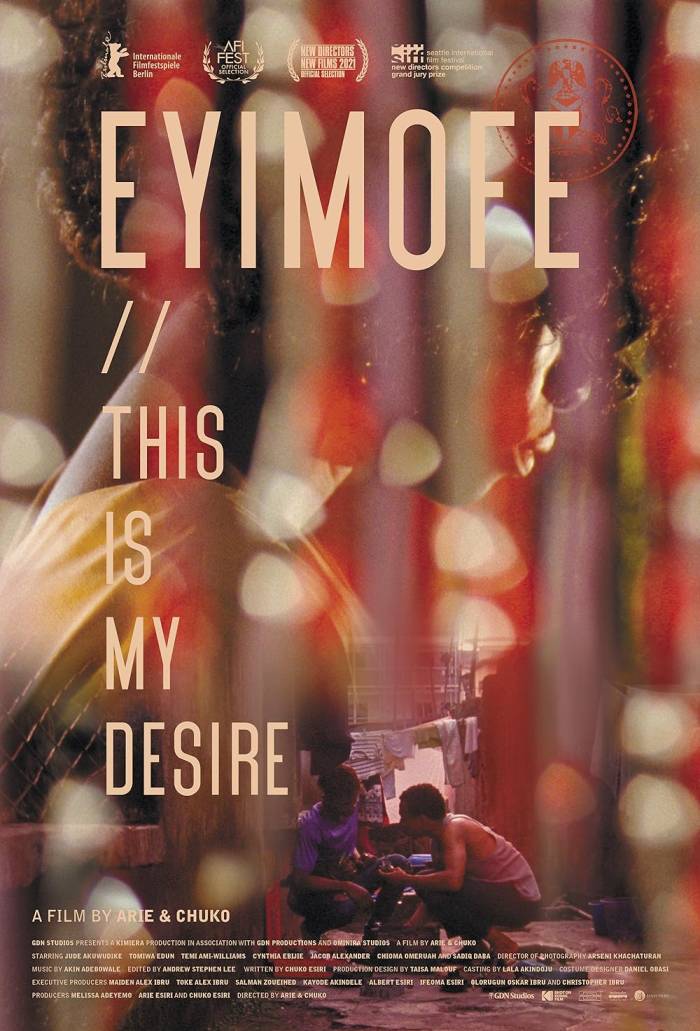
In its present iteration, however, Nollywood hardly seems aware of this power of cinema to shape cultural perception, consciousness and influence. That is not to say that cinema is required to function specifically as a marketing tool or a morality police. After all, many of Nigeria’s finest films, from Tunde Kelani’s classic Saworoide (1999) to Arie and Chuko Esiri’s globally acclaimed Eyimofe:This Is My Desire (2020), have been films that highlight the country’s dysfunction, with the latter, in particular, eschewing moral judgment.
As French film critic and theorist Christian Zimmer put it in his 1970 essay titled “All Films Are Politicalâ€: “There is no innocent film, we would say, no film without some political incidence.†This is even more so because the medium itself is political, pulling its audience in and making active participants of them. Film gives “the impression of reality†as French film theorist Christian Metz famously described it in his seminal 1968 work, Film Language: A Semiotics of the Cinema. “Films give us the feeling that we are witnessing an almost real spectacle—to a much greater extent… than does a novel, a play, or a figurative painting.â€
We may preach eternally about the fiction of film, even in documentary filmmaking, but we will remain unable to deny that the public does not always see the screen. Too many members of the audience are simply unable to divorce film from reality. Even critics, as Zimmer acknowledged, do not always manage to escape the effects of that impression of reality created by a film. This is its very design and, perhaps, its strongest appeal.Â
So, if films are inherently political, and if they indeed shape public consciousness, then is it not preferable that films be conscious? Surely, such consciousness need not take the form of overtly political themes. But is it not necessary that films have a clarity of essence and a sense of responsibility for their inescapable political implications? And is it not imperative that films be subject to critical engagement and interpretation? What, then, is the essence of criticism if not to interrogate the intersections of culture and politics?
II. The Critic’s Quagmire
In the Nigerian film ecosystem, journalistic assessment has minimal effect on audiences’ filmgoing decisions, a phenomenon which appears to diminish the power of criticism. I argue that this is not the case. Granted, criticising is an element of the critic’s job, despite our insistence on marking distinctions between “criticising†and “critiquingâ€. Indeed, in Criticism and Politics: A Polemical Introduction, American literary scholar Bruce Robbins gently admits (although with specific reference to literary criticism) that faultfinding is a major component of what critics do. And I concede that it does register as partially futile, at least, if that faultfinding has no effect on the market, since the incentives for correction and improvement are considerably minimised.
Yet, film has established itself as an integral part of culture, and criticism is crucial to culture, not only as a faultfinding affair but also as an analytical and interpretative activity, essentially political in itself. To quote Robbins, in his reflection on the career of Thomas Mann, the German social critic and Nobel Prize in Literature laureate who notably walked back his position on maintaining an apolitical approach to culture, “Culture doesn’t represent only itself, but that it is socially representative, passively displaying truths about its time but also intervening—representing in an active sense—so as to push the social collectivity in a certain direction or directions. If it is indeed representative, it would be the duty of critics to figure out what cultural politics does represent, and how much, and with what effects.â€
Accordingly, even in Nigeria, criticism, at the very least, interprets, contextualises, and enlightens. This is an essential duty, considering the political power of cinema, especially in a society desperately in need of a sociopolitical reckoning. But if one has a duty to engage, what does one do when there is nothing coherent to engage with? When the film itself fails to properly engage with its own cultural politics? When the film is itself unaware of or uninterested in its inherent power? When it does not know what it wants to say?
We often frame Nollywood’s filmmaking and storytelling problem as primarily a screenwriting problem. That is indeed a part of the industry’s challenge, but one that arises at a later stage. A more urgent diagnosis, perhaps even more worrisome, may be that Nollywood is largely devoid of thematic direction and intentionality.
In essence, Nollywood has a messaging problem. This challenge is often transcribed as “Nollywood films have nothing to sayâ€, a sentiment that even I may have expressed in the past. However, if it is established that all films are political, it follows that all films have something to say. The question, then, is not whether a film has something to say but what the film has to say. This is Nollywood’s primary difficulty, I contend, where a film often runs into its first trouble.
At this juncture, it is pertinent to note that the term “Nollywood†is used here strictly, referring specifically to mainstream Nigerian cinema. In fact, political consciousness abounds at the other end of Nigerian cinema, independent cinema, typically in overt manners, with stories and themes deliberately sociopolitically or ideologically driven.
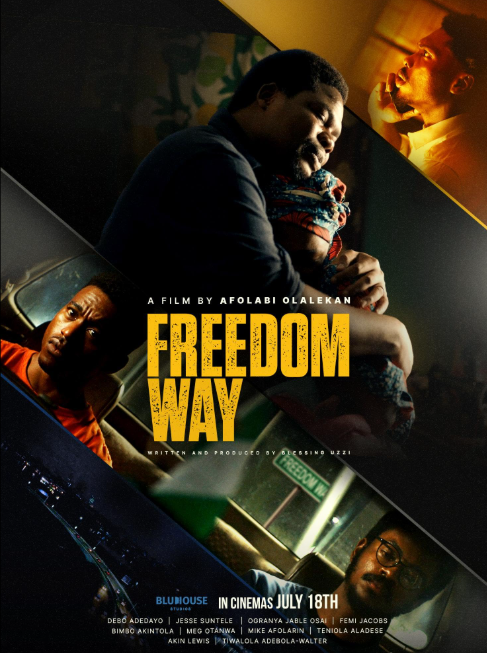
Indie titles like My Father’s Shadow(2025), Freedom Way(2024/5) and When Nigeria Happens(2025) remain overtly conscious of the social conditions that produce them. Beyond the conspicuous approach, as well, Nigerian indie films, especially films which function with an independent mindset rather than merely as a stepping stone to mainstream Nollywood, also tend to appreciate the inherent political character of cinema.
Freedom Way
Nollywood, on the other hand, rarely does. Too many films suffer from an entry stage deficiency, as it concerns messaging, hence the recurring complaint in Nigerian film criticism: “This film does not know what it wants to say.â€
Often, they meander, skipping between ideas, easily distracted, unable to complete any thought, and incapable of delivering coherence. Consequently, a story of self-discovery ends without self-discovery (Finding Me (2025)). A drama centred on a dysfunctional family grappling with trauma and abuse abandons the trauma and abuse in favour of theatrics (Family Brouhaha (2025)). A crime drama attempting a critique of Nigerian party culture and ethnic tensions takes an unjustified detour into unwarranted marital drama (Owambe Thieves(2025)). And a tourism film meant to challenge negative portrayals of Northern Nigeria becomes a decidedly negative portrayal of Northern Nigeria (Finding Nina (2025)).Â
Other times, Nollywood films bury their thematic essence in pursuit of genre expectations. Thus, a psychological thriller built around sexual exploitation does not recognise that it is a film about sexual exploitation (Blackout(2025)). And a romance drama apparently interested in celebrity culture and power dynamics either skirts around the subjects or completely avoids them (A Lagos Love Story(2025)).
A Lagos Love Story
The overtly political films do not enjoy exception solely based on the fact of their politics. They, too, tend to fail the entry-stage test, often presenting incoherent ideologies, betraying their lack of appreciation for the implications of their attempted political statements.
Consider The Masked King(2025), a historical drama set in an ancient Efik kingdom. Arriving in a cinematic era of proud historical epics, currently dominated in Nigeria by Yoruba cinema, The Masked King pitches itself as a celebration of Efik history and culture. However, the historical events the film draws from (the customary killing of twins) demand that the film create a balance between adoration and condemnation. The Masked King, unclear on its own core message, ultimately leans towards a generalised demonisation of the local customs and a celebration of colonial religion.
Exceptions exist. Nollywood films like The Fire and the Moth(2025), The Herd(2025), and Radio Voice (2025) have recorded decent success in resolving the entry-stage question of political awareness. Having accomplished this feat, the question that follows is the deftness of the writing and the effectiveness of the message delivery. As that question is beyond the scope of this inquiry, suffice to say that proper execution of the message is a venture of equal importance, and, understandably, a priority of film criticism in Nigerian cinema.
The Fire and the Moth
If the vast majority of contemporary Nollywood films struggle to generate thematic relevance, to produce storytelling worthy of meaningful engagement, the implication is that the critic becomes easily manipulated towards the more agitating approach: “film bad / film goodâ€, where good really means technically decent or competent. It is a belittling of the form, both of film and criticism, and a predominant cause of Nollywood fatigue among critics and audiences, especially critics.
Yet, criticism remains a sacred duty. And if films are inherently political, if all films have something to say, though they may be unaware or unconscious of their inherent politics, then the critic’s duty remains, difficult as it may have been rendered by the film itself. The critic must endeavour to rise to the challenge, above “film bad / film goodâ€. The critic cannot afford the hypocrisy of limiting themself to “film bad / film good†while they criticise filmmakers for a similar failure.Â
Admittedly, we often wrestle with this demand, even more so in the past year. Critical engagement noticeably declined across the board, partly due to exhaustion. We wonder why we must consciously dedicate our faculties to films that exhibit little evidence of equal consciousness. Perhaps, we will always wonder. Nevertheless, we must apply to ourselves the rules we apply to filmmakers: It might be easier said than done, but it must be done properly.
After all, as Christian Metz succinctly noted, “Certainly, the criticism of films—or, better yet, their analysis—is an enterprise of utmost importance: it is the film-makers who create the art of the cinema; it is through reflection on those individual films we have liked (or those we have disliked) that we have gained insights into the art of the film in generalâ€.
*This essay, among other cultural essays, is published in The Afrocritik Report 2025. Download the report here.
Vivian Nneka Nwajiaku is a writer, film critic and Afrocritik ’s Head of Film and TV. She has a master’s degree in law but spends most of her time consuming, studying, and discussing film and TV. She’s particularly concerned about what art has to say about society’s relationship with women.
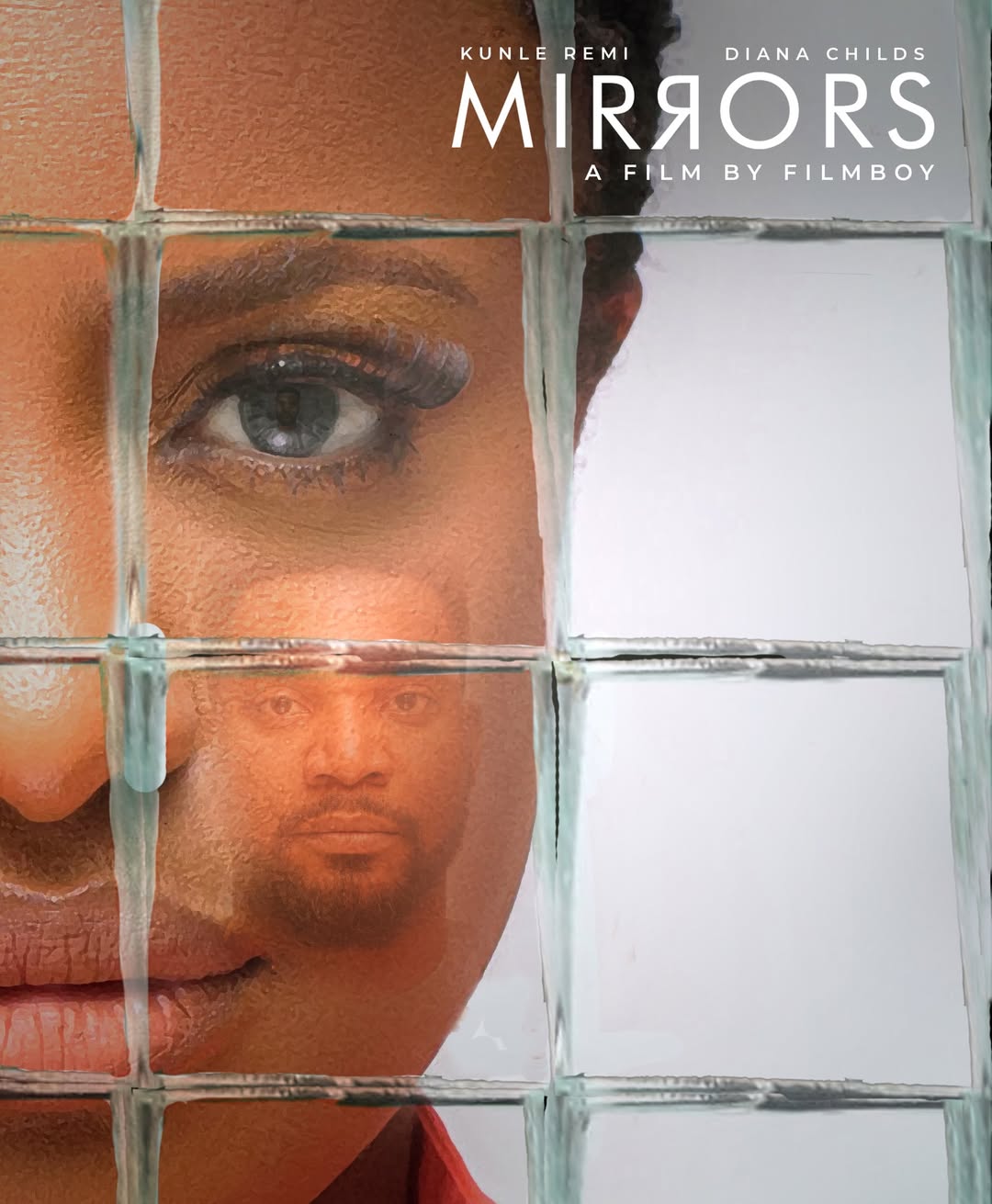
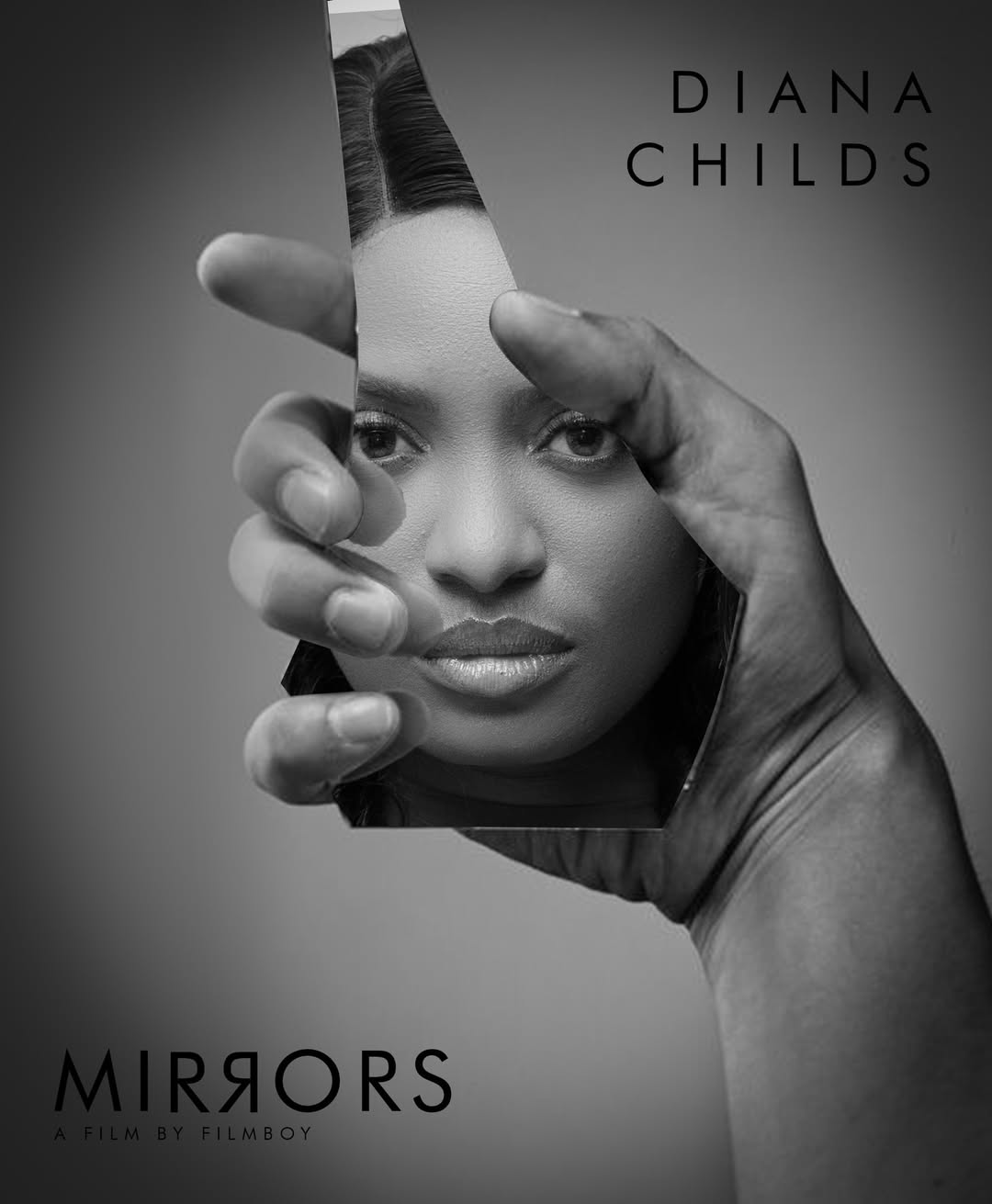
Long after the wedding photographs have faded into family albums and social media memories, what remains are the quieter negotiations of everyday life: money, grief, expectation, resentment, compromise. It is in this difficult terrain that Mirrors, directed by Yemi “Filmboy†Morafa and written by and starring Diana Childs, situates itself. Released on Prime Video, the film strips away the distractions of spectacle and secondary plots to focus almost entirely on two people confronting the wreckage of a marriage that neither seems fully prepared to let go of.
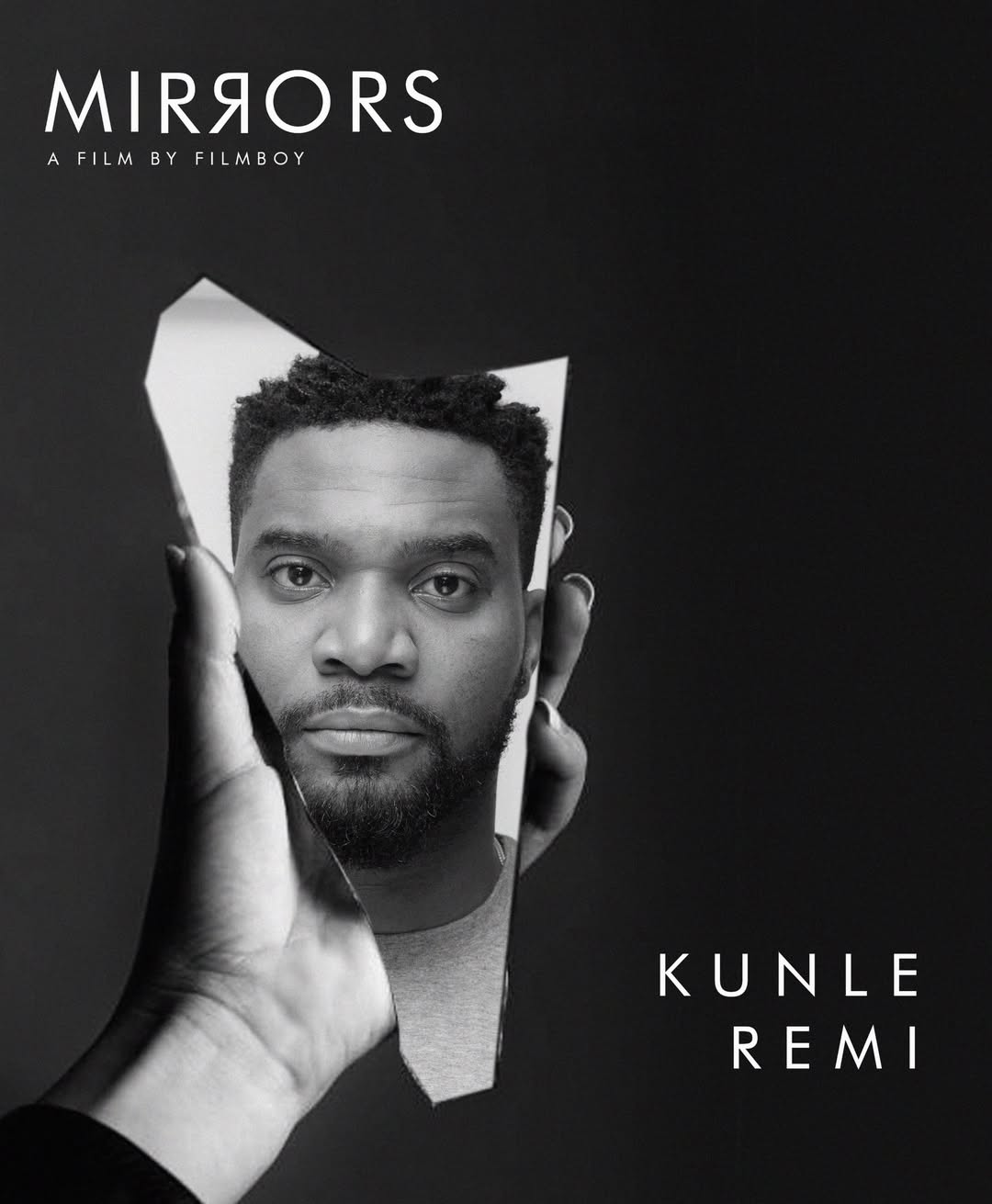
In an industry where relationship dramas often rely on sprawling ensembles, melodramatic twists, or comedic diversions, Mirrors makes a more unusual choice. It is essentially a two-hander (a film centred primarily on two characters and their relationship), built around a single extended conversation between Eddy (Diana Childs) and Yemi (Kunle Remi), a couple standing at the edge of divorce. Eddy is in the process of moving out. Divorce papers have been served. Yet before the separation becomes final, the pair sit down for one last conversation, revisiting the story of their relationship and attempting to understand how a marriage built on love eventually collapsed under the weight of its contradictions.
The premise recalls films such as Noah Baumbach’s Marriage Story (2019) and Richard Linklater’s Before Midnight (2013). Throughout the conversation, Eddy and Yemi recount shared memories that unfold in flashbacks, with each character offering their own interpretation of events. The technique highlights a simple but often overlooked truth about relationships: no marriage contains a single story. There is only perspective. Every disagreement produces competing narratives, every hurt carries its own justification, and every memory becomes a site of negotiation.
Mirrors
What emerges from these recollections is not a portrait of two people who never loved each other, but rather two people whose love proved insufficient against deeper incompatibilities. Eddy comes from a modest background; Yemi is the sole heir to considerable wealth. Their differing attitudes toward money become one of the fault lines running through the marriage. Yemi frequently approaches problems through provision and ownership. His instinct is to point toward what he has purchased, provided, or secured. Eddy, meanwhile, seeks emotional partnership rather than financial reassurance. To her, Yemi’s language of provision gradually begins to feel like a language of possession.
The film becomes particularly compelling when examining how grief exposes these differences. Following a miscarriage, the couple find themselves mourning in fundamentally different ways. Eddy retreats inward, yearning for comfort and emotional intimacy. Yemi, conditioned to respond to problems with provision rather than presence, gives her everything except what she needs.Â
They grieve the same loss in completely different languages, and the distance between those languages is where the marriage quietly dies. The tragedy itself is devastating, but Mirrors is ultimately more interested in the emotional distance that tragedy creates. The question is not whether the couple suffered; it is whether they knew how to suffer together.
There is something refreshingly mature about the film’s willingness to interrogate the limits of love. Nigerian cinema often treats marriage as an institution whose preservation is inherently virtuous. Separation is frequently framed as failure, while endurance becomes its own moral achievement. Mirrors push against that assumption.Â
The film repeatedly suggests that love alone cannot sustain a relationship. Communication, emotional intelligence, shared values, and mutual understanding matter just as much. Sometimes, the film argues, the healthiest thing two people can do is recognise that their differences have become irreconcilable.
Diana Childs in Mirrors
It is an idea that feels particularly resonant within a Nigerian context, where cultural and religious expectations continue to place immense pressure on couples to remain together regardless of circumstance. Yemi embodies much of this worldview. His commitment to the sanctity of marriage is sincere, even admirable. Yet the film quietly asks whether preserving a marriage should always take precedence over preserving the people inside it.
Morafa deserves credit for embracing such a minimalist framework. In many ways, Mirrors represents the kind of formal experimentation Nollywood often needs more of. It resists the temptation to dilute its central premise with unnecessary subplots and instead commits itself to character, conversation, and emotional excavation. The decision is risky because it leaves the film with nowhere to hide. Every scene depends on the strength of the writing and the performances. Unfortunately, that is where the film begins to struggle.
For a story built almost entirely around dialogue, the conversations frequently lack the emotional texture needed to sustain them. Rather than feeling like two people excavating years of accumulated hurt, many exchanges feel overly constructed, as though the characters are explaining themselves to the audience rather than speaking to each other. Important emotional revelations arrive, but they rarely land with the force they should because the dialogue often feels too neat, too deliberate, and occasionally too flat.
The performances face a similar challenge. Childs and Remi both demonstrate an understanding of their characters’ emotional journeys, and there are moments where genuine vulnerability breaks through. Yet too often, the acting feels restrained in ways that undermine the film’s emotional ambitions. A project this intimate requires performances capable of transforming ordinary conversations into compelling drama. When those performances remain merely competent, the film’s emotional stakes become harder to fully invest in.
The film’s limitations are further exposed by the foundational logic of its central premise. The decision to frame the entire narrative around a final conversation between two people in the process of divorcing raises a question the film never satisfactorily answers: why are they having it? What is the purpose of this conversation for these characters? In legal and emotional terms, the divorce is already in motion; the papers have been served, Eddy is moving out, and the decision has been made.Â
A final conversation of this intimacy and duration, in which old wounds are reopened and old love is briefly visible again, requires a dramatic justification that Mirrors does not provide. It is possible to accept the conversation as a structural device — a container for the film’s thematic content — but the best two-handers, from Before Sunrise (1995) to Marriage Story, earn their conversational architecture by making the conversation itself feel necessary to the characters rather than merely useful to the filmmaker. Here, the conversation occasionally feels like it exists because the screenplay needs it to rather than because Eddy and Yemi need it to.Â
This issue is compounded by pacing. At just under eighty minutes, Mirrors is not especially long, yet its slow-burn structure occasionally stretches scenes beyond their natural endpoint. Certain exchanges linger longer than necessary, creating a sense of repetition that tighter editing might have alleviated. The film clearly wants audiences to sit with discomfort and reflection, but there is a fine line between contemplative and stagnant.
Kunle Remi in Mirrors
Yet even with these shortcomings, there is something admirable about what Mirrors attempts. In an era where much of Nollywood’s streaming output gravitates toward familiar formulas, Morafa and Childs choose a more difficult path. The film is interested in emotional ambiguity rather than easy answers. It trusts conversation over spectacle. It understands that relationships often end not because of a single catastrophic event but because of countless smaller fractures accumulating over time.
That ambition alone makes Mirrors noteworthy. It may not fully succeed in translating its ideas into compelling drama, but it points toward a kind of filmmaking that remains relatively uncommon in mainstream Nollywood. One hopes more filmmakers will take similar risks, while recognising that projects this stripped-down demand extraordinary precision in both writing and performance.
In the end, Mirrors is perhaps most interesting as an experiment. It asks worthwhile questions about love, grief, class, and the expectations we bring into marriage. It challenges romantic notions that love can overcome every obstacle. And it demonstrates a welcome willingness to break from convention. But for a film built on conversation and emotional intimacy, it never quite finds the depth of feeling needed to make those questions truly resonate. What remains is a thoughtful, ambitious work whose ideas are ultimately stronger than its execution.
Rating: 2.6/5
Joseph Jonathan is a historian who seeks to understand how film shapes our cultural identity as a people. He believes that history is more about the future than the past. When he’s not writing about film, you can catch him listening to music or discussing politics. He tweets @Chukwu2big
If June 12 means anything, it cannot simply be that Nigerians once demanded democracy. It must also mean that democracy remains answerable to those demands.
By Joseph Jonathan
Nations are, among other things, memory management projects. They cannot function on unresolved history. The friction of a painful, contested, genuinely unfinished past is incompatible with the civic cohesion that states require, so they do what institutions have always done with uncomfortable material: they process it, package it, and return it to the public in a form that is easier to live with.
The pattern is consistent enough to constitute a principle: states prefer commemorative certainty to historical ambiguity. A holiday is not a reckoning. It is a replacement for reckoning. It takes the volatile, unresolved energy of a historical wound and converts it into something annual, predictable, and safe; a ceremony that marks the wound’s existence without requiring that it be healed.
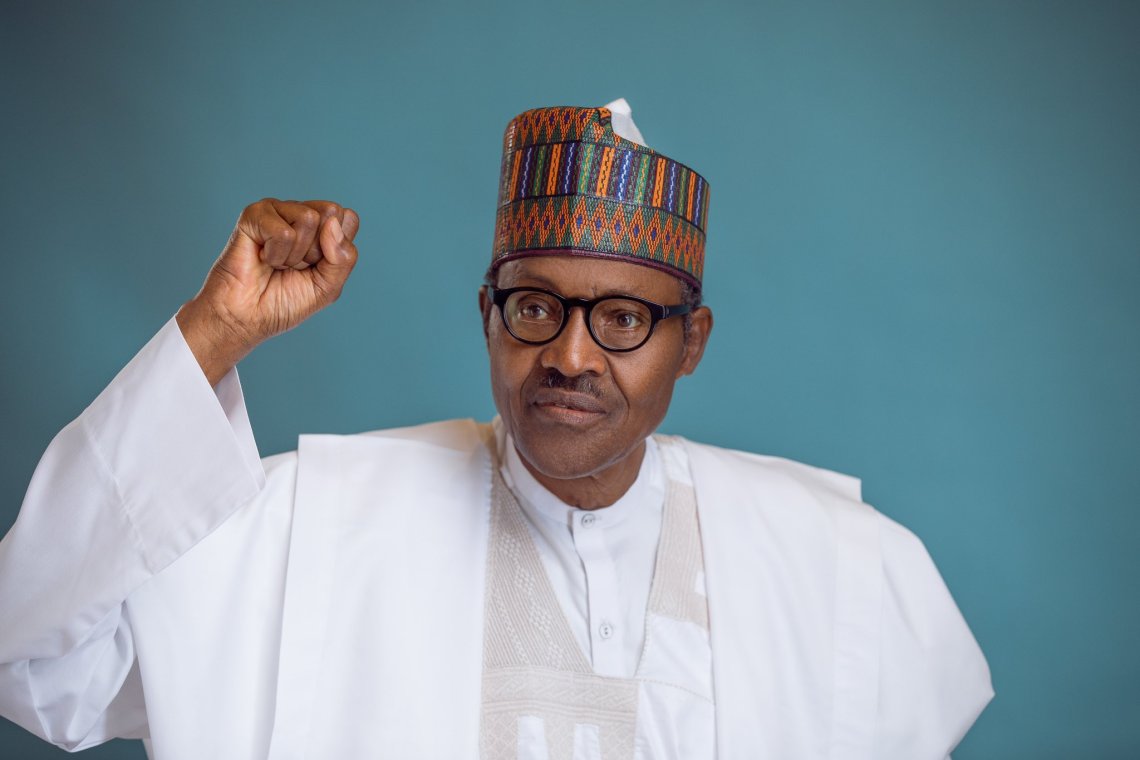
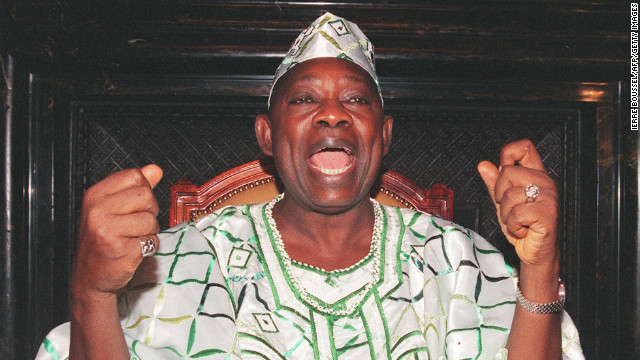
This is what Nigeria did with June 12 in 2018, when President Muhammadu Buhari announced the date change of Democracy Day from May 29 and conferred a posthumous GCFR on Moshood Kashimawo Olawale (MKO) Abiola. Many Nigerians received the announcement as an act of long-delayed justice. For the families of the dead, for the activists who had been detained and beaten across years of struggle, for ordinary citizens who had stood in queues only to have their choice erased, the official recognition carried genuine emotional weight. To dismiss that weight entirely would be dishonest.
Muhammadu Buhari
Like all successful national narratives, this one contains a great deal of truth. It also leaves something out. The election of June 12, 1993, was not a democratic triumph. It was a democratic catastrophe. Votes were cast but never allowed to reach their conclusion. The winner was never sworn in. The mandate was never restored. The struggle that followed consumed lives, produced years of repression, and ended with Abiola himself dying in detention. If June 12 represents anything, it represents the violent interruption of democracy by the state.
Which raises an awkward question. Why does Nigeria commemorate a democratic failure as Democracy Day?
This is not an argument against remembering June 12. Quite the opposite. The date deserves remembrance. The activists who were detained, exiled, beaten, and killed deserve remembrance. The ordinary Nigerians whose votes were nullified deserve remembrance. The question is what kind of remembrance is taking place.
Because memory and commemoration are not the same thing. Memory preserves discomfort. It keeps old arguments alive. It refuses easy closure. Commemoration, by contrast, often organises the past into usable stories. It selects heroes, identifies villains, and transforms complicated histories into civic lessons. States do this constantly. Every national holiday is, in some sense, an argument about history disguised as ritual.
For twenty-five years, one of the most consequential events in modern Nigerian history (duly represented in popular culture) had existed in an uneasy space between public memory and official silence. State acknowledgement mattered. But acknowledgement is not the same thing as reckoning. And that distinction is what makes June 12 worth revisiting today.
The Election That Never Became Government
To fully understand the weight and significance of June 12, let’s take a trip back in time. On June 12, 1993, Nigerians participated in what is still widely regarded as the freest and fairestelection in the country’s history. The contest pitted MKO Abiola of the Social Democratic Party against Bashir Tofa of the National Republican Convention. It unfolded under the supervision of General Ibrahim Babangida’s military government, which had spent years managing an elaborate and repeatedly delayed transition programme.
Abiola won, but more importantly, he won in a way that seemed to challenge many assumptions about Nigerian politics. He performed strongly across regional and ethnic lines, securing support in parts of the country that conventional wisdom suggested should have been inaccessible to him. For a brief moment, the election appeared to offer something rare in Nigerian political life: evidence that a genuinely national democratic mandate was possible.
That possibility lasted eleven days. On June 23, Babangida annulled the election. The decision was justified through legal technicalities and bureaucratic language, but its political meaning was unmistakable. Millions of Nigerians had participated in an election organised by the state, only to discover that the state reserved the right to reject the outcome.
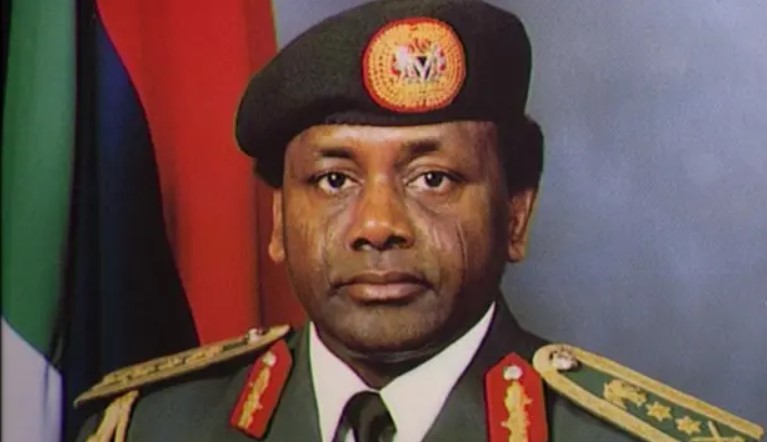
What followed was not the neat morality tale that commemorative speeches often imply. Babangida eventually stepped aside, handing power to an Interim National Government headed by Ernest Shonekan. The arrangement collapsed within months. General Sani Abacha seized power in November 1993 and established a dictatorship that would become synonymous with repression, censorship, political assassinations, and the systematic destruction of dissent.
General Sani Abacha
Abiola declared himself president in 1994 and was arrested. He remained in detention for four years. His wife, Kudirat Abiola, emerged as one of the most prominent voices of resistance. In 1996, she was assassinated in Lagos. Her murder became one of the defining symbols of the violence that accompanied the struggle. Abiola himself died in detention in July 1998. He was never sworn in. The election was never restored. The mandate was never recovered.
This matters because contemporary commemorations often compress the history into a story of democratic perseverance. Yet what happened in 1993 was, first and foremost, a democratic failure. The state organised an election, voters participated in good faith, and the outcome was nullified. The most remarkable thing about June 12 is not that democracy succeeded. It is that democracy was denied.
Which is precisely what makes its later transformation into Democracy Day so interesting. Nations do not merely remember the past. They interpret it. They decide which events become symbols, which symbols become rituals, and which rituals become part of national identity. The question, then, is not whether June 12 deserves remembrance. The question is why this particular memory was eventually elevated into a national holiday, and what happened to its meaning in the process.
The Strongest Case for June 12
Before interrogating the cost of the date change, it is worth seriously engaging with what it was trying to honour, because the case for June 12 as Democracy Day is not exactly a weak one.
Its most compelling form goes something like this: democracies are not born in transitions. They are born in struggle. May 29, 1999, was not a democratic achievement; it was a negotiated elite settlement. The constitution Nigerians currently operate under was drafted not by elected representatives but by a military government preparing its own exit. The man who won the 1999 election was a former military head of state whose democratic credentials were, at the point of his election, entirely theoretical. The handover was real. But it was a handover between elites, on terms set by the departing military, ratified by an electorate that had been given no meaningful alternative.
June 12, by contrast, represents something the Nigerian political process has rarely produced: a genuine expression of democratic will that crossed ethnic and regional lines, that was not managed or manufactured by any incumbent power, that emerged from the people rather than being administered to them. If democracy is, at its root, the idea that political legitimacy derives from the consent of the governed, then June 12 is Nigeria’s most democratic moment. May 29 is when the soldiers went home. June 12 is when the people spoke.
More than that, the people who fought to keep June 12 alive (who were arrested, exiled, killed for it) deserve to have their sacrifice located in the national calendar. NADECO’s members who went underground. Kudirat Abiola was shot in her car in broad daylight. Beko Ransome-Kuti, imprisoned. Gani Fawehinmi, harassed across decades. Their struggle was specifically for the mandate of June 12. To commemorate a different date would be to erase the specific content of what they fought for.
The date embodies an idea of citizenship that extends beyond elections and governments. It speaks to the willingness of ordinary people to defend political rights even when doing so carries significant risks. The years that followed the annulment produced some of the most sustained democratic resistance in Nigeria’s modern history. Journalists endured censorship and harassment. Activists were detained and exiled. Civil society organisations continued operating under increasingly hostile conditions. Some paid for their commitments with their lives.
To many Nigerians, it is this broader struggle, not merely the election itself, that June 12 commemorates. The argument is difficult to dismiss. Indeed, one could plausibly contend that May 29 always suffered from a symbolic weakness. It celebrated the arrival of democracy without adequately acknowledging the sacrifices that made that arrival possible. It focused attention on the settlement rather than the struggle. In doing so, it risked presenting democracy as something granted from above rather than demanded from below. June 12 corrected that imbalance. It shifted the emphasis from institutions to citizens, from transitions to movements, from government decisions to popular resistance.
This is a serious argument. It deserves a serious response.
The response is this: everything the argument says about June 12 is true, and none of it is what the 2018 date change was actually about. The date change honoured the struggle in name while performing a very different operation in substance. To see what that operation was, you have to look not at what the ceremony claims to remember, but at what it requires you to forget.
The Ideological Operation
When Buhari moved Democracy Day to June 12, his government accomplished something worth describing precisely. It took a date that represents democracy’s violent interruption — the beginning of an annulment, the opening of a wound — and reframed it as democracy’s foundation. June 12 in the official version is no longer the day Nigerian democracy was destroyed. It is the day Nigerian democracy began. This reframing is not neutral. It is load-bearing.
If June 12 is where Nigerian democracy begins, then 1999 is where it arrives. The May 29 handover, for all its compromises and limitations, became the vindication of the June 12 struggle; the moment the wound finally healed, the mandate finally honoured, the people’s will finally ratified. And the democracy that has existed since 1999 (with its rigged elections, its looted treasuries, its dynasty politics, its legislature of rentiers, its executive impunity) inherits the moral authority of a movement it did not complete and has, in structural terms, consistently betrayed.
The elegance of the operation is worth admiring, even as you resist it. By adopting June 12, the post-1999 Nigerian state claimed the legacy of a pro-democracy struggle while remaining institutionally continuous with the forces that the struggle was fighting against. Many of the politicians who have governed Nigeria since 1999 were participants in or beneficiaries of the military system that produced the annulment. The transition did not remove them. It reabsorbed them, gave them new titles, new electorates, and the same impunity. The date change allowed this class to drape itself in the symbolism of a resistance it had, in many cases, actively opposed.
Buhari himself is almost incidental to this argument, a vessel through which the operation was performed, but not its author. The operation belongs to the state. Any government seeking to manage the memory of June 12 would have faced the same temptation and the same choice: genuine reckoning, which is costly and destabilising, or commemorative theatre, which is cheap and consolidating. The theatre won. It usually does.
Consider what genuine reckoning would have required. It would have meant asking what happened to the specific democratic demands of the pro-democracy movement, not merely civilian rule, but accountable governance, press freedom, the protection of citizens from state violence. It would have meant accounting for the fact that many figures from the Abacha era transitioned seamlessly into the civilian order. It would have meant sitting with EndSARS (which happened in 2020, two years after the date change, twenty-one years into Nigerian democracy) and acknowledging that a government which massacres protesters at a toll plaza is not the inheritor of a democratic struggle. It is its repudiation.
A holiday cannot hold all of this. It is not designed to. The holiday is designed to make these questions unnecessary, to replace the restlessness of unresolved history with the comfort of annual remembrance. The danger of June 12 as Democracy Day is not that it makes Nigerians remember. It is that it convinces them that remembering alone is enough.
The Myth Needs a Hero
There is another cost to the commemorative version of June 12 that runs deeper than politics, and it has to do with what national myths require. Myths require heroes. Not men, heroes. The distinction matters because men are complicated: contradictory, morally mixed, shaped by the same structures they sometimes oppose. Heroes are simpler. Heroes are what myths need.
MKO Abiola, in life, was a man. He was one of the wealthiest businessmen in Nigeria, a fortune built substantially on proximity to military power. He had been a close ally of Babangida’s government before becoming Babangida’s most prominent victim, a relationship that is not incidental to understanding the political economy of the 1993 crisis. None of this cancels the wrong done to him or to the twelve million Nigerians whose votes were erased. But the commemorative version of June 12 cannot accommodate this complexity. It requires Abiola the hero, and so Abiola the man, with all his contradictions intact, has been quietly retired.
MKO Abiola
The more serious cost of this simplification is what it does to everyone else. The pro-democracy movement that formed around June 12 was larger, more radical, and more politically coherent than Abiola himself. NADECO contained voices whose democratic commitments were not personal to Abiola, who were fighting for a principle, not a patron. Fawehinmi had been a democratic agitator long before 1993 and would remain one long after. And Kudirat Abiola, whose assassination in 1996 is among the most brazen acts of political murder in Nigerian history, was not simply a loyal wife. She was an independent political actor who chose to continue a struggle she could have abandoned, under conditions of genuine physical danger.
These figures have received their posthumous honours. But in the commemorative architecture of June 12, they remain supporting cast. The myth has one protagonist, and everyone else orbits him. What is lost in that arrangement is the most important thing the pro-democracy struggle actually demonstrated: that democratic commitment does not require a candidate. That the principle is larger than any individual who embodies it.
A commemoration that genuinely honoured the June 12 struggle would put the movement at its centre, not the man. It would ask what the movement demanded (beyond Abiola’s inauguration) and hold the present accountable to those demands. Instead, the holiday gives Nigeria a martyr. Martyrs are easier. They do not make demands of the living.
May 29 and the Accountability It Kept
Something was lost when May 29 was retired as Democracy Day, and it is worth naming it.
May 29 was an imperfect date. The 1999 transition was rushed and military-designed, the constitution undemocratically produced, the leading candidate a former general. These criticisms are valid. But May 29 marked something specific and traceable: the moment from which the current democratic order is directly descended. It was the institutional origin of the republic Nigerians actually live in, with all its specific failures and all its identifiable architects.
Keeping May 29 would have maintained a form of accountability that June 12 dissolves. The problems of Nigerian democracy (the INEC manipulation, the godfatherism, the legislative capture, the executive impunity) are not betrayals of some pure democratic ideal. They are the direct, traceable consequences of specific choices made in 1999 and after, by specific people who are mostly still alive and, in some cases, still in office. May 29 kept those people in the frame. June 12 lets them exit it, replacing their accountable faces with the untouchable image of a martyred candidate.
By relocating democracy’s origin to a wound rather than a transition, the date change made the failures of Nigerian democracy feel like the continuation of an old theft rather than the result of new ones. The annulment is now always already the explanation. The soldiers are always to blame. The civilians who have governed for twenty-five years recede into the background as inheritors of a damaged system rather than agents of its continued deterioration.
The Question the Holiday Forecloses
June 12 deserves to be remembered. The people who suffered for it deserve to be honoured. The election of 1993 deserves its place in the national consciousness as evidence of what Nigerian democracy can be at its best: multiethnic, voluntary, legitimate in a way that subsequent elections have rarely matched. None of that requires a public holiday that does the work of settlement rather than reckoning.
That possibility is what makes June 12 worth revisiting, not because the date is unworthy of commemoration, but because commemoration should never exempt a society from asking whether the promises attached to that memory have actually been fulfilled. For if June 12 means anything, it cannot simply be that Nigerians once demanded democracy. It must also mean that democracy remains answerable to those demands.
General Ibrahim Babangida
The most honest thing you can say about June 12 is that the wound it marks has not healed. The democratic deficit the annulment created (the sense that elections in Nigeria are ultimately subject to the veto of power) has not been resolved by twenty-seven years of civilian governance. The political class that manages Nigerian democracy emerged from the same system that produced the annulment and has demonstrated, repeatedly, that it shares that system’s fundamental instinct: that power, once held, is not surrendered to the will of the electorate without a fight.
The holiday does not say this. It cannot. Its function is precisely to say something else, to provide a moment of national consensus around a shared wound, to transform political failure into cultural memory, to make Nigerians feel that they have reckoned with something when they have, in fact, only remembered it.
Nations do this. It is one of their oldest and most reliable operations. The question is whether citizens are obliged to participate in the performance, or whether they are permitted, required, even to ask what the ceremony costs.
What June 12, as Democracy Day, costs Nigeria is the restlessness the date should produce. The annulment of 1993 should make every subsequent election feel provisional, every abuse of democratic process feel like a continuation of the original crime, every moment of state impunity feel like evidence that the wound has not closed. That restlessness is not comfortable. But it is honest. And it is, arguably, the only political disposition adequate to the actual condition of Nigerian democracy.
The holiday offers something easier: pride, mourning, solidarity, the warm shared feeling of a people who have suffered and survived. These are not nothing. But they are not enough. And the day Nigeria decides that the feeling is enough is the day the state wins the argument it has been making since Babangida picked up his pen in June 1993.
The election was stolen. The mandate was never restored. The holiday arrived twenty-five years later, and called the debt paid. It is not.Â
Joseph Jonathan is a historian who seeks to understand how film shapes our cultural identity as a people. He believes that history is more about the future than the past. When he’s not writing about film, you can catch him listening to music or discussing politics. He tweets @Chukwu2big
Considered an associated programme of Berlinale Talents, Talents Durban is aimed at nurturing emerging African filmmakers, animators and film critics through training, professional development and international networking avenues.
By Adedamola Jones AdedayoÂ
The Durban FilmMart Institute (DFMI) has unveiled the list of participants for the 19th edition of Talents Durban, which will take place during the Durban FilmMart (DFM) in Durban, South Africa, from 9th to 12th October, 2026.
Considered an associated programme of Berlinale Talents, the annual summit and talent development programme of the Berlin International Film Festival, Talents Durban is aimed at nurturing emerging African filmmakers, animators and film critics through training, professional development and international networking avenues.Â
The 2026 edition of Talents Durban brings together participants from 17 African countries. It received a record 551 applications, from which 25 participants and 6 film critics were selected across different formats, including feature and short fiction, documentary, animation, episodic content, and film criticism.
Participants will undergo intensive project-focused and hands-on professional development initiatives, encompassing pitch sessions, mentorship engagements, masterclasses and direct consultations with notable industry experts.
This year’s mentors include Akosua Adoma Owusu, Amine Hattou, Bongi Ndaba, Comfort Arthur, Jihane Bougrine, Mayye Zayed, Nicole Schafer, Oris Aigbokhaevbolo, Ramadan Suleman and Razanajaona Ambinintsoa Luck.
Concerning the anticipated edition, DFMI Director, Magdalene Reddy, said: “The Durban FilmMart Institute remains committed to advancing African cinema through strategic collaborations that expand international access to professional networks, markets, and sustainable industry opportunities. Talents Durban is central to this vision. Now in its 19th year of partnership with Berlinale Talents, this partnership helps to contribute meaningfully to the long-term growth and sustainability of the African film ecosystem.â€
Talents Durban 2026
Nikola Joetze and Tobias Pausinger, Heads of Berlinale Talents, affirmed the position of Talents Durban not only as a creative partner but also as a force for amplifying exceptional creativity in African filmmaking and storytelling for the greater cause of global cinematic pursuits.Â
“Year after year, we are inspired by how Talents Durban nurtures bold artistic voices that embody the spirit of this year’s Berlinale Talents theme, Creating and Confusion, transforming uncertainty into innovation and new narrative possibilities,†they noted.
For Talents Durban 2026, a new Peer-to-Peer (P2P) Digital Newsroom model has been introduced, marking the evolution of the Talent Press stream. The programme will simulate a live festival newsroom environment, transcending the traditional workshop structure.Â
The current edition also brings back alumni Wilfred Okiche and Domoina Ratsara in new roles as Section Editors. They will be mentoring and collaborating directly with an emerging crop of African critics designated as Festival Film Writers. The programme is further reinforced through collaborations with the Encounters South African International Documentary Festival (4th to 14th June 2026) and the Durban International Film Festival (23rd July to 2nd August 2026), offering participants hands-on festival reporting opportunities and a platform to publish critical commentary from the heart of contemporary African cinema.
Talent Press is an initiative of Talents Durban in collaboration with the International Federation of Film Critics (FIPRESCI). Courtesy of a new collaboration between the Cairo International Film Festival (CIFF), FIPRESCI and DFMI, an outstanding participant from the Talents Durban Press programme at Durban FilmMart 2026 will receive an award presented by CIFF. The selected critic gets to attend and cover CIFF, featuring in its English-language daily publication—an initiative geared towards empowering film criticism across the African continent and fostering long-term opportunities for emerging critical voices to engage with global film culture and discourse.
The following participants have been selected to take part in Talents Durban 2026:
Fiction Features
Kelvin Kagambo – Dogi Dogi (Tanzania)
Lawrencia Aphua Larbi-Amoah – Bare Feet (Ghana)
Meekaaeel Adam – The Violent Type (South Africa)
Set against the backdrop of a retro-futurist African society, Memory of Princess Mumbi tells the story of a young filmmaker’s journey to a remote village called Umata in the wake of a war that revolutionised the world and reawakened ancient kingdoms.
By Adedamola Jones AdedayoÂ
Kenyan filmmaker Damien Hauser’s acclaimed Afrofuturist feature, Memory of Princess Mumbi (2025), has secured an English-language distribution deal with US-based independent film distributor Monument Releasing. The acquisition grants the company rights across key English-speaking territories: the United States, the United Kingdom, Canada, Australia, and New Zealand.Â
The agreement follows the film’s successful festival run last year, during which Memory of Princess Mumbi became the first Kenyan feature film to premiere in an independent parallel section of the Venice Film Festival. The film then made its North American debut at the Toronto International Film Festival (TIFF).
Combining mockumentary, drama and AI-generated pictures, the film has been hailed as a landmark achievement in African sci-fi filmmaking. An Afrocritikreview describes the film as “a micro-budget sci-fi odyssey that dazzles with invention while simultaneously casting a wary eye at the very tools that built it.â€
Memory of Princess Mumbi
Set against the backdrop of a retro-futurist African society, Memory of Princess Mumbi tells the story of a young filmmaker’s journey to a remote village called Umata in the wake of a war that revolutionised the world and reawakened ancient kingdoms. In Umata, the young man, Kuve, picks interest in Mumbi, a lady who challenges him to make his film without the use of AI. Struggling at first to find his own voice and identity, he eventually comes to terms with the delicate state of the world around him.
Reacting to the film’s stylistic experimentation and ambitious storytelling, Ryan Kampe, President of Monument Releasing, said: “There is so little truly original cinema in the world at the moment, and when you have the privilege of seeing such a smart and innovative film, it feels like an obligation to support and nurture it. Damien has made a gem that audiences will fall in love with now in cinemas and for years to come as they discover it on various digital platforms.â€Â
Concerning the deal with Monument Releasing, Hauser expressed optimism at garnering reinvigorated audience interest.
“We live in a time that often feels defined by conflict and bad news. With Memory of Princess Mumbi, I wanted to tell a story that celebrates beauty, joy, and human connection,†he said. “I’m incredibly grateful to Monument Releasing for believing in the film, and I hope audiences leave it with a renewed appreciation for the small moments that make life meaningful.â€Â
With an acquisition agreement brokered by Ryan Kampe on behalf of Monument Releasing and Alexandre Moreau of international sales company Paradise City Sales, Memory of Princess Mumbi is expected to roll out across the selected English-speaking territories.Â
Blood Sisters Season 2 is a repeat performance of the first season, except it is more Hollywood-ised, less technically capable, and happens to be both a courtroom drama and a prison drama in addition to its Thelma-and-Louise-on-the-run trope.
By Vivian Nneka Nwajiaku
It has been four years since EbonyLife and Netflix collaborated to dish out the hit Nigerian original series, Blood Sisters(2022), a crime thriller billed as a miniseries. For all its flaws (some of which I noted in my review at the time), Blood Sisters felt like a breath of fresh air; though in retrospect, I now wonder if it only felt that way because it was the first Ebonylife-Netflix outing since the disastrous Chief Daddy 2(2022) tarnished whatever goodwill the first Chief Daddy(2018)had managed to gain.
That inability to let sleeping dogs lie—or should I say EbonyLife’s tendency to revisit flawed but exciting releases hoping to milk them for commerce—has now led to Blood Sisters losing its limited series classification. The blood sisters, played by Nancy Isime and Ini Dima-Okojie, return in a second season where they spend four episodes dealing with the repercussions of the actions they took in the first episode of the first season.
By the end of that season, Sarah and Kemi resolve to stop running, but they also run into luck. Timeyin (Genoveva Umeh), the wildcard of the Ademola family, takes it upon herself to end her family’s reign. She shoots the family henchman Uncle B (Ramsey Nouah), her eldest brother Femi (Gabriel Afolayan), and Femi’s wife Olayinka (Kehinde Bankole). When the screen fades to black, Uduak is staring down the barrel of her gun.
Blood Sisters Season 2
At the start of Blood Sisters Season 2, we find out that only one of those gunshots served its purpose. Kola remains the only dead member of the Ademola family, but Femi is now paralysed. Uncle B is well and truly dead, though, and we meet his son “B Junior†(Ben Touitou), who is out for revenge. The problem is that B Junior has his sights set on the wrong people, to the benefit of the Ademolas.
You see, the Ademola family has closed ranks, despite their internal squabbles. In fact, Timeyin is now in charge of the family business. Kemi and Sarah now stand accused of more than Kola’s death and desecration; they are now standing trial for the murder of Uncle B and the attempt on the lives of the remaining Adebayos. And guess what? They once again find themselves running for their lives.
Really, the second season of Blood Sisters is a repeat of the first season, except it is more Hollywood-ised, less technically capable, and happens to be both a courtroom drama and a prison drama in addition to its Thelma-and-Louise-on-the-run trope. By the end of the second season, there’s too little to remember beyond the fact that the characters are in the same position that they were in for most of the first season, even regressing, considering that they had at least stopped running in the previous finale.
But even worse, there is a blatant lack of cohesiveness in both the plotting and the direction of the second season, and practically every element of production is either so mediocre or so incompetent that it makes the original series look like the best thing ever made.
The first season was directed by Kenneth Gyang (Sons of the Caliphate (2016); Oloture: The Journey (2024)) and the late Biyi Bandele (MTV Shuga Naija(2013)), and was definitely a Netflix original. The second is directed by Kayode Kasum (Unbroken(2019); Far From Home(2022)) and Daniel Oriahi (Oga! Pastor (2019); Etiti(2025)), and is streaming on Netflix without the traditional Netflix sound logo. Perhaps, with Netflix quietly cutting back on original programming in Nigeria, there might be budgetary explanations for the collapse in production value. But—and it hurts to say this about a project that has Oriahi attached, though he directs the better-shot half—it really does play as more of a craft issue.
Nancy Isime and Ini Dima-Okojie as Kemi and Sarah in Blood Sisters S2
Two minutes in, the visual worldbuilding falls apart as a prison van pulls into the vicinity of the “Lagos High Court†that has “Eko Judicial High Court†on the building and a “Faculty of Engineering†signpost within the shot. Before the first episode runs out, we would already have seen—quite visibly—the real-world building name plastered at the top of the university auditorium that has been staged as the courthouse. And by the second episode, you realise that the prison walls are practically the same as the walls of the court, and it suddenly makes sense why there is a jarring disconnect between the courtroom and the courthouse exterior.
It may sound like nitpicking, but these are just a few of many instances of the show’s manifestly confused production, and the cumulative effect is an on-screen world in which the suspension of disbelief is practically impossible. It is even more disconcerting and utterly unbelievable when combined with a tastelessly outlandish wardrobe, distracting hair and makeup, and way too many “creative choices†in the prison and court scenes that could not possibly be authentic in the Nigerian context.
Surely, the creatives behind Blood Sisters Season 2 do not expect their Nigerian audience to buy prison uniforms straight out of Orange Is the New Black, complete with the long-sleeved thermal undershirts, or lawyers randomly approaching the bench and practically testifying like they’re in an episode of How to Get Away with Murder. Other than the carefully constructed court sentencing that admittedly allows for an interesting, albeit undercooked, source of conflict between the two leading women, the court scenes are particularly exhausting due to their glaring lack of subject matter research.
Certainly, “dramatic licence†will be an easy justification for Blood Sisters Season 2 to fall back on. And even as a lawyer myself, I appreciate that accuracy does not always translate to good drama. But it is, quite frankly, a lazy cop-out for creative choices that are not in fact creative, especially when accuracy would likely be more dramatic than the choices made in pursuit of dramatic licence, which is the case with Blood Sisters Season 2 and its middling courtroom exchanges.
Still from Blood Sisters S2
Nothing truly works in this season of the show. In-world timelines have been discarded. Characters have been re-wired while remaining underdeveloped. The protagonists themselves are now barely sympathetic. The dialogue has deteriorated. Suspense is virtually non-existent, and the stakes are much less convincing than they used to be.Â
Even the acting performances have fallen below the show’s own standard, as caricaturish portrayals abound, save for Uche Jombo’s dedicated turn as Sarah’s mother and Blessing Obasi-Nze’s embodiment of the show’s most powerful prisoner. But how much can the cast really do with material this irredeemable?
Ultimately, this season of Blood Sisters is four episodes of fluff, death and sex, with the latter almost always short of valid consent despite the show having no real interest in responsibly reckoning with those choices. It is a pity. The first season, at least, cared about its social relevance, exploring delicate themes with considerable prudence.Â
Blood Sisters Season 2 is not bothered with that, or with standards, really. And as it arrives at another inconclusive end, the possibility of a third season feels very much like a threat. Where do I sign out?
Vivian Nneka Nwajiaku is a writer and film critic writing from Lagos. She has a master’s degree in law but spends most of her time consuming, studying and discussing film and TV. She’s particularly concerned about what art has to say about society’s relationship with women. Connect with her on X @Nneka_Viv
Each team preview breaks down squad strengths, tactical identity, and the players who could make the difference, before offering a prediction on how far they might go.
By Tuka LeturaÂ
Ten African nations are making their final preparations for the 2026 FIFA World Cup in the United States, Canada and Mexico, where the continent will enjoy its largest-ever representation on football’s biggest stage.
The expansion to 48 teams has opened the door for a record ten African qualifiers, giving the continent the second-highest number of representatives behind Europe.
Over the past few months, we have followed the qualification campaigns, tracking and analysing the strengths and weaknesses of each side to produce this guide to Africa’s representatives in North America.
2026 FIFA World Cup group standings
Each team preview breaks down squad strengths, tactical identity, and the players who could make the difference, before offering a prediction on how far they might go. Whether you are interested in a particular nation or simply want to gauge Africa’s prospects as a whole, this guide provides a snapshot of the ten teams hoping to leave their mark on the 2026 World Cup.
Ghana
Carlos Queiroz will lead Ghana into the 2026 World Cup after taking charge in April. His most recent match ended in a draw against Wales, bringing an end to a run of six consecutive defeats. Ghana’s last victory came as far back as October 2025, highlighting the difficult run of form they have endured heading into the tournament.
The Black Stars of Ghana
The Black Stars have been drawn alongside England and Panama, with the new coach tasked with steadying the side and restoring confidence ahead of the competition.
Tactics
Beyond questions of style and approach, this Ghanaian side is dealing with a number of injuries and will head into the tournament without several key players.
Mohammed Kudus was left out after a quadriceps injury, and a subsequent setback in his recovery brought an early end to his season with Tottenham Hotspur. Also absent is Mohammed Salisu. The AS Monaco centre-back ruptured his anterior cruciate ligament in a league match against Olympique Lyon in January, and Ghana team doctor Dr Prince Pambo confirmed earlier this year that his nine-month recovery timeline would rule him out of the World Cup.
The biggest losses are undoubtedly Kudus and Salisu, both guaranteed starters. With Kudus’ directness missing, Salisu’s astute performances at the back unavailable, and veteran captain Andre Ayew no longer part of the squad, Ghana will have to find new ways to score goals.
That responsibility could fall on Kamaldeen Sulemana, who has looked promising in recent appearances, and especially Antoine Semenyo, who arrives as the star man in the Black Stars attack. The Manchester City forward will be expected to carry much of the goalscoring burden as Ghana looks to compensate for the absence of Kudus.
It is a big task putting together a side that can compete with the players available to Queiroz. Ghana are likely to be very defensive, operating in either a 4-5-1 or 4-4-2 shape and looking to hit opponents on the break.Â
Prediction
Ghana are unlikely to make it out of the group stage. Drawn in Group L alongside Croatia, England and Panama, the Black Stars face an uphill task against three sides that are all ranked significantly above them. Panama, the lowest-ranked of the three, sits 33rd in the world, more than 40 places above Ghana, who enter the tournament ranked 74th.
Of course, FIFA rankings do not decide matches, but in terms of overall quality, experience and squad depth, all three teams appear stronger than Ghana. With several key players unavailable through injury, Ghana’s prospects have become even more difficult.
As things stand, their chances of reaching the knockout rounds are very slim. In fact, Ghana are very likely to finish bottom of Group L and is unlikely to progress, even as one of the best third-placed teams.
Democratic Republic of Congo
The Democratic Republic of Congo are back at the World Cup for only the second time in their history and for the first time under their current name. Their only previous appearance came in 1974, when the country was known as Zaire and competed at the World Cup in West Germany. Drawn alongside Yugoslavia, Scotland and Brazil, they lost all three matches, failed to score, and conceded 14 goals, including a historic 9-0 defeat to Yugoslavia.
Things are very different this time around, although the road to the 2026 World Cup was far from straightforward. The Leopards had to navigate a difficult route, defeating both Cameroon and Nigeria in the second round before edging past Jamaica 1-0 in the intercontinental play-offs to become one of the final two nations to secure qualification, completing Africa’s contingent of ten teams.
The challenge ahead is substantial. Drawn in Group K alongside Portugal, Colombia and Uzbekistan, the Congolese will face some stern opposition. Unlike Ghana, however, DR Congo is not the lowest-ranked side in their group, and their recent form suggests they are capable of causing problems.
After their scheduled friendly against Chile was cancelled, their World Cup campaign will begin with arguably their toughest assignment: a clash against Portugal.
Tactics
DR Congo’s recent resurgence has been driven by the integration of players who had previously not been regular members of the squad, as well as several dual-nationality talents who chose to represent the Leopards. Among the most notable additions are former Manchester United defender Axel Tuanzebe and full-back Aaron Wan-Bissaka.
In midfield, Ngal’ayel Mukau and Samuel Moutoussamy provide balance and energy, while the central defensive partnership of Chancel Mbemba and Axel Tuanzebe could prove to be one of the more underrated centre-back pairings at the tournament.
Prediction
While finishing top of Group K is almost impossible, DR Congo has enough quality and momentum to compete for a place in the knockout rounds. Unlike some of Africa’s other representatives, they are not the lowest-ranked side in their group and arrive in excellent form.
A third-place finish would not be surprising and could well be enough to secure qualification for the Round of 32.
Egypt
Egypt missed out on Qatar 2022 and arrived in North America unbeaten in qualifying. Led by Mohamed Salah, the Pharaohs conceded just two goals and kept seven clean sheets on their way to qualification, but they remain something of a paradox. They are organised, resilient, and difficult to break down, yet they often struggle to impose themselves against stronger opposition. Drawn alongside Belgium, Iran, and New Zealand, Egypt’s minimum objective will be to finally record their first-ever World Cup victory, while a place in the knockout rounds is a realistic ambition.
Tactics
Hossam Hassan has built a pragmatic side that prioritises defensive solidity over attacking flair. Egypt generally line up in a 4-3-3, although they can shift into a 4-2-3-1 when chasing games and occasionally employ a 3-5-2 against opponents who sit deep. The double pivot of Marwan Attia and Hamdi Fathi protects the defence, while Emam Ashour is tasked with linking midfield and attack.
Most of Egypt’s attacking threat comes through Mohamed Salah and Omar Marmoush. The pair are expected to exploit transitions, with Ibrahim Adel offering another outlet capable of carrying the ball forward and reducing the overreliance on Salah. Egypt are comfortable defending without possession, but their inability to consistently play through an aggressive press means they can become predictable when opponents successfully neutralise Salah.
Prediction
Belgium should have enough quality to top the group, but Egypt have every chance of finishing second ahead of Iran and New Zealand. Their defensive organisation and tournament experience make them difficult opponents, though their conservative approach may limit how far they can go.
Algeria
Led by Vladimir Petković, Algeria is back at the World Cup for the first time since their memorable run in Brazil in 2014, and they arrive with one of the strongest squads on the African continent. Drawn alongside Austria, Jordan, and reigning champions Argentina, the Desert Foxes find themselves in a group where progression looks realistic, although Argentina remain clear favourites.
Interestingly, three of the four teams in the group begin with the letter “Aâ€, but Algeria will be hoping that is not the only thing they share with the holders. Vladimir Petković’s side has been remarkably consistent, losing just three of its last 34 matches since March 2024. Only two of those defeats came in competitive fixtures, both in normal time: a 2-0 loss to Nigeria at the Africa Cup of Nations and a friendly defeat to Denmark.
Algeria
With experience, attacking quality, and a settled core, Algeria heads into the tournament with genuine belief. The question now is whether that consistency can carry over to the biggest stage and deliver a first knockout appearance since that dramatic campaign in Brazil twelve years ago. The squad contains players performing across Europe’s top leagues, though their tournament ceiling remains uncertain due to tactical predictability and occasional struggles against well-organised opposition.
Tactics
Algeria are expected to operate primarily in a possession-based 4-2-3-1 structure. The game model is built around territorial control, structured build-up, and sustained ball retention. The aim is to dominate possession and create chances through positional rotations rather than direct transitions.
Riyad Mahrez remains the creative focal point, supported by mobile attackers such as Mohamed Amoura and Amine Gouiri. Ibrahim Maza adds a layer of creativity and unpredictability in advanced zones.
However, the system’s main limitations lie in its tempo. Algeria can become slow in circulation, allowing compact defensive blocks to settle. Defensively, their rest structure is vulnerable in wide transition moments, particularly when full-backs advance simultaneously.
Prediction
Algeria are in a competitive group where margins will be fine. Their technical quality makes them competitive, but not necessarily dominant against higher-ranked opposition.
A third-place finish is the most realistic outcome, with progression to the knockout stage dependent on ranking among the best third-placed teams.
Tunisia
No African nation has been at the World Cup more often without ever reaching the knockout rounds. Seven appearances spread across nearly five decades, but never progression. Tunisia return to the global stage, drawn alongside Sweden, Japan and the Netherlands in Group F. The Eagles of Carthage have been given little margin for error. It is arguably one of the most balanced groups, yet Tunisia must be very intentional. If there is to be a first, it will have to be earned the hard way.
Tunisia
Tactics
Sabri Lamouchi has been in charge for the second shortest time among all the coaches of the African teams at this World Cup. He took over the side in January 2026, and in the four friendly games they have played so far, they have only recorded one win — a 1-0 victory over Haiti in March. They lost 5-0 in their latest game against Belgium and have yet to score a goal under him. It is very difficult to get an idea of what his side will look like, but so far, they have maintained a fairly consistent shape.
Based on how they have played in recent games, there has been very little time for him to really imprint his ideology on the team, and that in itself is a major weakness. Beyond that, they have simply struggled to win games, and when a team cannot win, it usually points to deeper problems.
At the moment, they are a side that looks vulnerable and open to being torn apart by stronger opponents. It is difficult to identify many positives, especially given their lack of goals and poor recent performances.
Prediction
Progression is not impossible, but Tunisia look like one of the African teams most likely to make a group-stage exit. The chances of that are quite significant, even though they are in a group where they could still pick up a result somewhere and perhaps finish third.
The verdict, however, is that they will once again be knocked out in the group stage. There will be no progression to the knockout rounds, meaning Tunisia will still be waiting for their first-ever appearance in the knockout stages of the men’s World Cup.
There are also occasional questions over defensive concentration, particularly when the full-backs push high, and transitions are not managed properly.
Prediction
Germany are favourites and will likely determine whether Côte d’Ivoire finish first or second. The meeting with Ecuador feels like the game that gives them a real chance of qualification. Both sides possess similar levels of quality, and the outcome could decide progression. Curaçao is a fixture the Elephants simply cannot afford to mishandle; they are inexperienced at this level but also very compact, making it a must-win.
Côte d’Ivoire advances from the group. A quarter-final appearance is not beyond reach.
South Africa
Sixteen years is a long time in football. Long enough for generations to grow up without seeing Bafana Bafana at a World Cup. Long enough for South Africa to drift from being hosts to spectators. Hugo Broos has changed that. What began as a rebuilding project has evolved into a side that finished third at AFCON 2023 and waltzed past Nigeria in World Cup qualification, and now returns to the global stage two years later with genuine belief. Group A pairs them with Mexico, Czechia and South Korea, and fate has given them a familiar beginning. The opening game of the tournament comes against Mexico, the same opponent that welcomed them to the 2010 World Cup.
South Africa
Tactics
Broos has built South Africa around a disciplined 4-2-3-1 that prioritises organisation over possession. Out of possession, Bafana Bafana defend in compact lines and look to win the ball in midfield before attacking quickly into space. It is not a system designed to overwhelm opponents, but to frustrate them.
Teboho Mokoena and Sphephelo Sithole provide the platform. Mokoena dictates the tempo and carries much of the responsibility in possession, while Sithole offers the energy and aggression that protect the back four. Behind them, Ronwen Williams organises a defence that prefers to stay narrow and force teams wide.
Further forward, Oswin Appollis provides the creativity. His ability to drift across the attacking line makes him difficult to track, while Relebohile Mofokeng adds unpredictability and direct running. Lyle Foster leads the line, occupying defenders and creating space rather than serving as a prolific goalscorer. The objective is straightforward: defend compactly and attack before opponents can recover their shape.
The weakness is obvious. South Africa lacks the firepower of elite teams. There is no striker guaranteed to score consistently, and periods of dominance do not always translate into goals. Against stronger opposition, chances will be limited, and efficiency in front of goal could determine whether they progress or go home.
Prediction
South Africa is capable of frustrating the hosts and has enough pace on the counter to make the opening game uncomfortable. It could swing either way. Czechia and South Korea represent real opportunities. Neither side is beyond them, and Broos has repeatedly shown an ability to organise his teams for tournament football.
They will reach the Round of 32 in this edition. Beyond that, anything else would represent another remarkable chapter in Broos’s rebuilding of Bafana Bafana.
Senegal
This is Senegal’s third consecutive appearance at the World Cup, and they arrive in North America with expectations. The generation that restored Senegal to the summit of African football is growing older, but it is also being supplemented by an influx of fresh talent. Pape Thiaw has inherited a side that knows exactly what tournament football demands. Drawn alongside France, Norway and Iraq in Group E, their opener is against France, a throwback to 2002 when Senegal famously beat the defending champions.Senegal beat France, the defending champions, then. Twenty-four years later, they have another opportunity to do it again, although France are not defending champions this time.
Senegal
Tactics
Thiaw has shown he can be flexible and win games, which is no surprise given the quality of his squad. Senegal has not lost a competitive senior game since 2023, excluding the overturned result in the final of the last Africa Cup of Nations.
Heading into the World Cup, the expectation is for that run to continue. Primarily set up in a 4-3-3 or 4-2-3-1 depending on game state, Senegal has also shown the ability to shift away from a four-man backline. In a recent friendly defeat to the USA, they used a three-man defence. Out of possession, Senegal defends aggressively and compactly, looking to recover the ball early and attack before opponents can settle.
The weakness is in goal. The goalkeeping depth is not necessarily poor, but it no longer matches the overall squad quality. Édouard Mendy has lost form, and while he did well at the last AFCON, his recent performances leave room for improvement.
Prediction
France in the opener is the defining match. Senegal has enough quality and organisation to trouble any side, but they will need to be clinical when chances arrive. Norway possess enough attacking quality to make second place a genuine contest, while Iraq is a game Senegal should expect to control.
Senegal will advance from the group. Their experience, defensive organisation and attacking talent make them difficult opponents in knockout football. A place in the quarter-finals is well within reach with the right draw.
Cape Verde
Cape Verde isone of four debutants at the 2026 World Cup. A nation of barely half a million people and the smallest country by land area to qualify for a men’s World Cup, the Blue Sharks qualified top of a group containing Egypt and Cameroon. Group H offers little room for sentiment. Spain, Uruguay and Saudi Arabia stand between them and the knockout rounds.
Cape Verde
Tactics
Bubista has built this side around a disciplined 4-3-3 that can become a 4-2-3-1 when extra protection is needed. Out of possession, Cape Verde sit compact and force teams into wide areas before springing forward quickly. They are comfortable without the ball and do not pretend otherwise. They are also one side that can rotate the starting lineup without too much of a downturn or uptick in performance.
The plan is to trap teams in central areas and target the flanks in transition. That direct threat will be relied upon whenever Cape Verde finds opportunities to break.
The weakness is straightforward. They lack the individual quality and depth possessed by the stronger nations in the group. Their defensive shape can keep matches competitive, but maintaining concentration for long spells against elite opposition is a different challenge entirely. This is also a squad with little experience at this level. One mistake can undo ninety minutes of organisation.
Prediction
Spain in the opener is likely to be damage limitation unless something extraordinary happens. Uruguay will demand a similar level of discipline, although Cape Verde will believe they can make life uncomfortable for them. The decisive fixture is Saudi Arabia — that is the game they must target.
Cape Verde could progress from Group H. One win and a third-place finish may be enough to see them through as one of the best third-placed teams, but that will likely be as far as they can go.
Morocco
Morocco arrives at the 2026 World Cup as a well-run, organised side. Ranked eighth in the world and only topped by Brazil in this group, they are no longer underdogs, even here. Group C draws them against Brazil, Scotland and Haiti. Their opener against Brazil is the tournament’s most compelling first-round fixture involving an African side. Everything else flows from that result.
Morocco
Tactics
Ouahbi inherits Regragui’s 4-2-3-1 but wants more positional fluidity in attack. Without the ball, Morocco compresses into a disciplined 4-4-2 mid-block, with Sofyan Amrabat screening in front of the back four, intercepting, recycling and protecting the channels. The defensive structure is elite when functioning correctly.
In possession, Achraf Hakimi pushes high on the right as an overlapping outlet, while Noussair Mazraoui tucks inside as a third centre-back, covering the space left behind. It is a system that demands positional intelligence from everyone; one lapse and the counter-exposure is significant. One of El Aynaoui’s or Bouaddi’s press resistance and recovery runs is central to maintaining balance in midfield.
Further forward, Youssef En-Nesyri leads the line physically, holding up play and running in behind, while DÃaz and Ben Seghir operate in the half-spaces to connect midfield to attack. In En-Nesyri’s absence, we could see more minutes for Ismaïl Saibari as a striker option. The goal is simple: get Hakimi into crossing positions.
The weakness is the coaching transition. Ouahbi has had limited time to install his ideas into a squad accustomed to a different voice. Tactical cohesion under pressure remains untested at this level. This is not the same team we saw at the last Africa Cup of Nations, and he still has to fully translate his ideas.
Prediction
Brazil in the opener is the defining fixture, unless something extraordinary happens. Ouahbi will set up to absorb and counter, but Morocco also has the personnel to go toe-to-toe when required.
Morocco will advance from the group. Their Round of 32 opponent would come from Group F, one of the tougher groups in the draw. A win there would put them on course for at least the quarter-finals.
Tuka Letura is an experienced sports writer with over five years of experience in the craft. He uses data and statistics to provide analysis and commentary. From regional to worldwide competitions, he has covered a wide range of sports-related events and topics. He is devoted to sharing his enthusiasm for sports with his audience and engaging them with interesting anecdotes and viewpoints.
Death does not end the earning life of a music catalogue. What determines whether that value continues, grows, or disappears is not sentiment but structure, and in most cases, structure is what is missing.
By Deborah Oyedijo
A music catalogue can continue generating income long after an artiste has died. Streams do not stop, broadcasts continue, films still license old records, and advertising agencies still look for familiar sounds. The real question is not whether the money exists, but whether anyone is properly positioned to collect and manage it when the artiste is no longer here to do so.
Consider the catalogue of Fela Anikulapo Kuti, who died in 1997. Almost three decades later, his music remains one of the most commercially active archives in African music history. His works continue to generate income through streaming platforms, reissues, live performances of his compositions, and, importantly, synchronisation licensing. His music has appeared in global productions such as Netflix’s The Harder They Fall (2021), where his sound was used to heighten a key action sequence, introducing his work to a new generation of international viewers. More recently, his 1971 track “Let’s Start†was featured in Apple’s global marketing campaign for the MacBook Air with the M5 chip, placing his catalogue in front of millions of consumers worldwide in a commercial context that goes far beyond traditional music consumption.
The commercial strength of Fela’s catalogue is not accidental. It is the result of deliberate rights retention and structured management. His estate retained ownership of both publishing and master rights, allowing licensing decisions to remain under the family’s control rather than being permanently assigned to third parties.Â
Over time, this approach has supported a steady stream of income from streaming, film placements, theatrical productions such as Fela!, and commercial synchronisation deals. That outcome, however, also depended on legal navigation, probate processes, and sustained administrative coordination across multiple jurisdictions and rights systems. Even a catalogue as globally recognised as Fela’s requires continuous management to ensure that value is not lost in the gaps between platforms, territories, and collecting societies.
Fela Anikulapo Kuti
The contrast becomes clearer when set against the reality of many African artistes whose estates are not structured the same way. Across the continent, music continues to earn after death, but the earnings do not always reach the intended beneficiaries. In many cases, royalties accumulate in collecting society systems or remain unclaimed due to missing documentation, unresolved succession issues, or lack of registration with the relevant rights organisations.
The legal foundation for posthumous copyright ownership exists across most African jurisdictions. In Nigeria, the Copyright Act 2022 classifies copyright as movable property capable of being transferred by will or through intestate succession under Section 30, with protection for musical works lasting for the lifetime of the author plus 70 years. Sound recordings are protected for 50 years from the date of publication. In South Africa, the Copyright Act 98 of 1978 (as amended) protects sound recordings for 50 years from the end of the year of publication, while musical compositions are protected for the life of the author plus 50 years. Kenya’s Copyright Act 2001 (as amended in 2019) also provides protection for the life of the author plus 50 years for literary and musical works, and 50 years for sound recordings. In Ghana, the Copyright Act 2005 (Act 690) similarly protects the life of the author plus 70 years for musical works. On paper, these frameworks are clear. In practice, they depend entirely on whether there is an identifiable rights holder who can activate them.
Where no will exists, the situation becomes significantly more complex. A large number of artistes across African markets die intestate, leaving their intellectual property to be distributed under general succession laws that were not designed with creative assets in mind.Â
Depending on the jurisdiction, estates may be governed by statutory inheritance rules, customary law systems, or a combination of both. In Nigeria, for example, estates may fall under statutory regimes or customary inheritance structures depending on the nature of the marriage and family system involved. The result is often fragmentation, where rights are divided among multiple heirs who may not have the technical or industry knowledge required to manage a catalogue effectively.
The estate of Sikiru Ayinde Barrister illustrates this complexity differently. As one of the most influential figures in Fuji music, his catalogue carries both cultural and commercial value. Yet managing such a body of work after death involves more than inheritance in the traditional sense. It requires coordination across rights ownership, royalty collection systems, licensing negotiations, and catalogue preservation. In situations like this, professional administration often becomes necessary not because families are unwilling, but because the structure of the music industry itself demands specialised knowledge to operate effectively within it.Â
Sikiru Ayinde Barrister
Organisations such as Digital Music Commerce and Exchange (DMCE) have been involved in supporting estates like Barrister’s and Dagrin’s in navigating these systems. Their role typically involves coordination across metadata management, distribution platforms, collecting societies, and licensing processes, ensuring that works remain commercially active and legally protected. This is less about control and more about bridging the gap between legal ownership and functional access to revenue systems that are often highly technical and fragmented.
The administrative challenge is not unique to Nigeria. Across Africa, the same structural issues appear in different forms. In South Africa, the estate of Solomon Linda, the original composer of “The Lion Sleeps Tonightâ€, became one of the most widely cited examples of posthumous royalty disputes. Although the song generated significant international revenue through adaptations and licensing, his family spent decades in legal battles to secure recognition and compensation. In many cases like this, the issue is not that the law does not recognise ownership, but that enforcement and access to revenue streams require sustained legal and institutional engagement that estates are often not equipped to maintain.
Even where rights are clearly established, the practical ability to collect royalties depends heavily on infrastructure. Collecting societies play a central role in this process. In Nigeria, organisations such as COSON manage performance rights collections, while in South Africa, SAMRO performs a similar function for composers and authors. Kenya’s Music Copyright Society of Kenya (MCSK) and Ghana’s GHAMRO perform equivalent roles in their respective jurisdictions.Â
Solomon Linda
These organisations are responsible for collecting and distributing royalties from public performance, broadcasting, and other uses. However, their effectiveness depends on accurate registration, complete metadata, and active engagement from rights holders or their representatives. Without these, royalties may remain in distribution systems without being properly allocated.
This is where the gap between legal entitlement and practical recovery becomes most visible. A catalogue may be legally protected for decades, but without active administration, the income it generates can become difficult to trace or collect. In some cases, royalties accumulate in what are often referred to as “black box†pools within collecting societies, awaiting claim by verified rights holders. The longer these claims remain unresolved, the more complex recovery becomes.
The Fela Kuti estate demonstrates what becomes possible when these systems are actively managed. His catalogue continues to operate across multiple revenue streams because there is clear ownership, an active licensing strategy, and institutional coordination behind it. Even then, maintaining that position requires ongoing negotiation, legal oversight, and industry engagement. The catalogue does not manage itself; it requires continuous intervention to remain commercially relevant.
For most African artistes, however, such systems are not in place at the time of death. The result is often fragmentation. Songs continue to circulate, but ownership becomes unclear. Revenue continues to be generated, but not always collected. Families may inherit rights in theory, but lack the infrastructure to exercise them in practice.
The broader issue is not simply legal awareness but operational readiness. Copyright law across African jurisdictions provides for posthumous protection, but it assumes that rights holders will have the documentation, registration, and institutional access needed to activate those rights. Without that, the law exists in principle but not in practice.
Ultimately, the survival of a music catalogue after an artiste’s death depends on whether it was ever treated as a structured asset during their lifetime. Fela Kuti’s catalogue continues to earn money because it was positioned within a system capable of sustaining it. Sikiru Ayinde Barrister’s estate reflects the ongoing effort required to manage culturally significant works in a complex rights environment. Solomon Linda’s legacy shows what happens when that system fails to function across borders.
Death does not end a music catalogue. It simply transfers the responsibility of managing it. Whether that responsibility produces value or loss depends entirely on what was put in place while the artiste was still alive.
Deborah Oyedijo is a music business writer and entertainment lawyer-in-training with a focus on the African music industry. When she is not writing about music rights and culture, she is watching K-dramas or absorbing yet another documentary. Connect with her on IG and X: ayooyedijo
At a time when digital culture often prioritises speed over substance, Afrocritik has remained committed to the belief that criticism, reflection, and context are essential parts of cultural development.Â
By Afrocritik’s Editorial BoardÂ
Five years ago, Afrocritik was founded on a simple but ambitious premise: that African stories deserved to be documented, celebrated, interrogated, and understood through perspectives rooted in the continent and its diaspora. At a time when conversations around African arts and culture were becoming increasingly global, there remained a need for a platform that could engage these conversations with rigour, context, and critical depth.
Since then, the media landscape has shifted repeatedly. New platforms have emerged. Audiences have changed their habits. The pace of cultural production has accelerated. Yet, through these changes, Afrocritik has remained committed to its founding vision: projecting Africa while contributing meaningfully to the conversations that shape how African culture is understood, both within the continent and beyond it.
When co-founders Samson Jikeme and Owanate Max-Harry conceived Afrocritik in 2021, the vision was to conscientiously explore the length of African and Black culture and to stir up conversations about people of colour globally. What has emerged, five years later, is something that exceeds even that ambition. Afrocritik has become, in the most deliberate sense, an archive; a living, growing repository of African cultural thought that generations of critics, artists, scholars, and curious minds will return to long after the specific cultural moments it documents have passed.
As Afrocritik marks its fifth anniversary, this milestone offers an opportunity not only to celebrate longevity but also to reflect on growth. More importantly, it invites a consideration of what the platform has become. What began as a publication dedicated to African cultural criticism has gradually evolved into something larger: an institution committed to documenting, preserving, and contributing to African cultural discourse. In many ways, this distinction matters.
A publication publishes stories. An institution helps shape the ecosystem within which those stories are produced, discussed, archived, and remembered. Over the past five years, Afrocritik has sought to do both. From its coverage of music, film, literature, sports, and fashion, to its explainers, interviews, essays, and cultural analyses, the platform has consistently engaged African creativity with seriousness and nuance. At a time when digital culture often prioritises speed over substance, Afrocritik has remained committed to the belief that criticism, reflection, and context are essential parts of cultural development. This commitment has increasingly found expression beyond individual articles.
In recent years, Afrocritik has expanded its role within the broader cultural landscape through initiatives designed not only to document culture but also to support the conversations surrounding it. The Afrocritik Prize for Criticism, launched to encourage critical engagement with African literature, reflects the platform’s investment in nurturing thoughtful criticism and supporting emerging voices. Similarly, initiatives such as the annual Notable Essay list, expanded end-of-year rankings across music, film, sports and literature, and the continued growth of “Afrocritik Spaces†and the Newsletter have helped create avenues for discovery, engagement, and cultural exchange.
Afrocritik Turns 5
Taken together, these initiatives are more than editorial projects. They represent an evolving commitment to institution-building: creating structures that encourage critical engagement with African creativity while contributing to the preservation of cultural memory. This past year, in particular, offered perhaps the clearest indication yet of that evolution.
One of Afrocritik’s most significant undertakings was the publication of the inaugural edition of The Afrocritik Report, a project designed to document, analyse, and contextualise developments across Africa’s creative industries. More than a retrospective account of cultural happenings, the Report is an annual cultural and intellectual record, reflecting a broader commitment to knowledge production and documentation. In an era where cultural moments often disappear as quickly as they emerge, the importance of creating records that capture trends, achievements, challenges, and transformations cannot be overstated.
The Report embodies a fundamental belief that documentation is itself a form of cultural stewardship. For African creative industries to grow, there must exist not only the artists and practitioners producing remarkable work but also the critics, journalists, researchers, and institutions willing to record, analyse, and preserve those developments for future generations.
This same commitment to participating in broader cultural conversations was reflected in Afrocritik’s coverage of the 2026 Cannes Film Festival. For the first time, Afrocritik had a physical presence at the world’s most prestigious film festival, providing on-the-ground coverage of a global event that continues to shape conversations around cinema and storytelling. Beyond the significance of attending Cannes itself, this milestone represented something larger: the increasing visibility of African critical voices within international cultural spaces.
African films, artists, and stories continue to command greater attention globally. Equally important is the presence of African journalists, critics, and publications participating in the conversations that surround those works. Afrocritik’s presence at Cannes reflects the growing recognition that African perspectives belong not at the margins of global cultural discourse but at its centre.
Taken together, these developments point toward an important reality: the work of cultural criticism extends beyond reviewing books, films, albums, or exhibitions. It involves creating archives, fostering conversations, nurturing communities, preserving histories, and helping societies better understand themselves through the art they produce.
This responsibility feels particularly urgent in the African context. Across the continent, artists continue to push boundaries, challenge conventions, and create work that speaks to both local realities and global audiences. Yet, the task of documenting these developments remains ongoing. Cultural memory does not preserve itself. It requires institutions willing to undertake the often-unseen labour of recording, analysing, and contextualising the moments that shape a generation.
For five years, Afrocritik has contributed to that work. None of this would have been possible without the writers, editors, contributors, readers, critics, artists, collaborators, and supporters who have helped shape the platform’s journey. Every review published, every essay commissioned, every interview conducted, every conversation hosted, and every story documented has been part of a larger collective effort to build a space where African creativity can be engaged with seriousness, curiosity, and care.
Members of the Afrocritik editorial team reflect on five years of our work:
“It is incredible what you can accomplish in 5 years, having the very best of minds committed to excellence in journalism, criticism and upholding standards across the continent in general.Â
Â
As Afrocritik takes a deliberate glance at its journey so far, we are poised to leap forward with even more certainty that the future of our continent largely depends on building cultural institutions which mirror the very core of African exceptionalism.Â
Â
Cheers to an amazing future.â€
Â
Owanate Max-Harry
Co-Founder, Afrocritik.
Â
“Afrocritik has always believed that criticism is an act of love; love for the work and the creators, and love for our readers that deserves to understand both. That belief has guided every pitch we have accepted and every conversation we have had with writers who have trusted us with their ideas. We have given serious attention to music, film, literature, sports, and visual art at a time when the world was finally catching up to what we already knew: that African creative expression is a movement, not a moment.
Â
To the writers and critics who have shaped this publication, thank you. To our readers, who have shared and pushed us to be better, this is yours too.
Â
Five years is a milestone. But honestly, it feels like the beginning. The conversations we want to have are bigger than ever. The stories waiting to be told are still waiting. The writers who need a home are still looking for one.
Â
We are not done.â€
Â
Emmanuel “Waziri†Okoro
Managing Editor, Afrocritik.
Â
“It has been both humbling and rewarding to grow into a leading voice in such a short period of documenting, celebrating, and contextualising African cinema for the benefit of the continent, the diaspora, and the global audience. We have established our presence on the international festival circuit, covering African films both home and abroad, from the Cannes Film Festival, the Berlin International Film Festival, and the Sundance Film Festival, to the Africa International Film Festival, the S16 Film Festival, and the African Diaspora International Film Festival.Â
Â
We also take great pride in the work we do in platforming less visible but equally important formats and categories of film, through projects such as the Afrocritik Documentary Spotlight and our special interest in independent film. African cinema is evolving and travelling while still speaking to the audience at home, and it is truly an honour to be at the forefront of documenting that journey and stirring conversations in that regard.â€
Â
Vivian Nneka Nwajiaku
Editor and Head of Film Department, Afrocritik.
Â
“When Afrocritik started, it was clear about its desire to capture the African cultural landscape in its entirety. One of the most successful nodes of its coverage has been literature. The work of covering and critically engaging a field like literature is not an easy task, but Afrocritik has shown that it understands what beginning and extending quality discourses entails.Â
Â
Presently, in a world where critical engagements with books and intellectual products have become susceptible to the philistinism of capitalism’s great, ruthless axe, Afrocritik has chosen the integrity of organically building its own cultural capital and maintaining intellectual engagement with literature and the arts—which carry the weight of a generation’s cultural rhetoric. At the literature department here, we’re pledging to continue the work of rigorous documentation, archiving, and positioning of our literary culture.â€
Â
Chika Chimezie
Head of Literature Department, Afrocritik.
Five years is a significant milestone, but it is also a reminder that the work remains unfinished. The conversations continue. The stories continue. The culture continues to evolve. And as Afrocritik enters its next chapter, the core of its commitment remains unchanged: to document, critique, celebrate, and elevate African and Black creativity while contributing meaningfully to the cultural conversations that shape our present and future.
If the first five years were about establishing a voice, the years ahead may well be about strengthening the structures that ensure that voice continues to resonate across Africa and the world.
A total of 24 short films are lined up to compete for the Best Short Film (Oscar-qualifying award) and the Best South African Short Film Award at DIFF 2026.
By Adedamola Jones AdedayoÂ
The 47th Durban International Film Festival (DIFF) has unveiled its official selection of short films for the latest edition, set to take place from 23rd July to 2nd August, 2026. The presentation was done by the Centre for Creative Arts at the University of KwaZulu-Natal.Â
A total of 24 short films are lined up to compete for the Best Short Film (Oscar-qualifying award) and the Best South African Short Film Award at DIFF 2026. All short films are expected to present themes bordering on authentic cultural perspectives, systemic struggles and human advancement.
10 of the total selection are South African productions, while the remaining 14 are either Pan-African or Diaspora titles. Dian Weys’s Vultures (2025) is the only South African co-production (in partnership with France) selected, having previously premiered at the 78th Cannes Film Festival, where it competed for the Palme d’Or Best Short Film and also won the Unifrance Short Film Grand Prix.Â
The other African countries that make it to the spotlight are Uganda and Senegal through Jonathan Curtiss’ Boy No Fear (2025) and Aida Captijn’s Dëmm (2025), respectively.Â
Commenting on the development, Sakhile Gumede, DIFF Festival Manager, described short films as the vanguard of cinema.
“They are a materialised embodiment of risk-taking, technical success and the true telling of its reality, respectfully; this is beautifully captured or translated in every frame,†Gumede said. “This year’s curated shorts offer an extraordinary global dialogue, bridging deeply moving local South African realities with visionary narratives from across the world.â€
See below the full lineup of short films (with their directors) that will be screening at the 47th Durban International Film Festival:
South African Films:
A Nation’s Fight for Identity and Justice – Pretty Mothata (South Africa)
Colour of Dreams – Peter Smuts (South Africa)
Fracture – Alex Fynn (South Africa)
One Day at a Time – Mehita Iqani (South Africa)
Perception – Miselwa “Missy†Ngamlana (South Africa)
Runner – Mmathabo Johanna Bopape (South Africa)
The Break-In – Sizwe Kubeka (South Africa)
Verses My Brother Taught Me – Thomo Tshipinyane (South Africa)
Netflix, in collaboration with the Gauteng Film Commission and the KwaZulu-Natal Tourism and Film Authority, has revealed 14 young South Africans for its first edition of the ScreenCraft Pathways training programme.
By Adedamola Jones AdedayoÂ
Netflix, in collaboration with the Gauteng Film Commission and the KwaZulu-Natal Tourism and Film Authority, has revealed 14 young South Africans for its first edition of the ScreenCraft Pathways training programme. The participants will spend the next year working in South Africa’s film and television production and post-production companies. The steaming giant has also announced that the programme will begin its second cohort in 2027.
The announcement came at a Youth Month event spearheaded by Netflix and its South African partners that assembled filmmakers, industry stakeholders, policymakers and government officials, geared towards negotiating audiovisual investment and national socioeconomic goals in tandem with the 2026 Youth Month theme “Year of Putting Young South Africans to Work.â€
The 14 beneficiaries of the inaugural ScreenCraft Pathways Programme are Thobeka Nkosi, Lebohang Tsotetsi, Paballo Segalagala, Noluthando Tshazibane, Reotshepile Mohutsiwa, Tiny Mapodile, Ikageng Madia, Nontobeko Mbhele, Keletso Lesetla, Tyler-Vorne Arendse, Sipho Nuse, Bryoni Baxter, Didintle Ledwaba and Chloe Beukes.
Each trainee will be well remunerated during a 12-month placement in a below-the-line role of their choosing (covering pre-production, production and post-production) available within Netflix’s network of local production partners that includes Burnt Onion, Quizzical Pictures, The Refinery, Midnight VFX, Rechord Post, Mushroom Media and Gambit Films. Participants will receive high-level professional mentorship, granting them on-set, in-suite experience along with entry to specialised workshops led by Netflix, with emphasis on skills development, technical production, career advancement and networking access.
Pelin Mavili, Netflix Director of Global Affairs for the Middle East, Turkey and Africa, described South Africa’s creative economy as a fertile ground for talent, initiative and opportunities.Â
“ScreenCraft Pathways is our commitment to ensuring that talent has a structured, professional pathway into the industry, not just for the benefit of these 14 individuals, but for the long-term competitiveness of South Africa’s production sectorâ€, Mavili said. “When young South Africans are working on world-class productions, everyone wins—from the industry to the economy and the audiences who get to see their stories toldâ€.
Keitumetse Lebaka, CEO of the Gauteng Film Commission, emphasised the Commission’s commitment to ScreenCraft Pathways as part of a long-term strategy to shape the future of South Africa’s film and television industry: “By giving young creatives access to real productions, experienced mentors and practical workplace experience, we are helping to bridge the gap between talent and opportunity. The Gauteng Film Commission is proud to partner on an initiative that not only equips young people with critical industry skills, but also strengthens the talent pipeline needed to grow a competitive and sustainable screen sector.â€
Sibusiso Gumbi, Acting CEO of the KZN Tourism and Film Authority, reiterated the importance of human and creative development: “South Africa’s film industry cannot grow sustainably unless we deliberately invest in the people who will power its future. ScreenCraft Pathways is a practical response to one of the sector’s greatest challenges—creating credible pathways from learning into employment. By placing young creatives inside leading production and post-production companies, this programme provides the experience, mentorship and professional networks that are often the difference between talent being discovered and talent being lost.â€
“Our partnership with Netflix and the Gauteng Film Commission demonstrates what can be achieved when industry and public institutions work together to develop the next generation of film professionalsâ€, Gumbi added. “Beyond supporting individual careers, initiatives such as this strengthen the broader screen sector, enhance South Africa’s competitiveness as a production destination, and contribute to job creation in one of the country’s most promising creative industries.â€
Conversations at the Youth Month event, where the cohorts were unveiled, bordered on the deployment of regulatory frameworks and specialised initiatives in triggering skill development, career mobility and the country’s global competitiveness as a production haven.Â
According to Lebogang Maile, Gauteng MEC for Education, Sports, Arts, Culture and Recreation, who also graced the event: “The creative industries have enormous potential to create jobs, stimulate economic growth and unlock opportunities for young people. Programmes such as ScreenCraft Pathways demonstrate what is possible when government and industry work together with a shared purpose. By opening doors to meaningful workplace experience and skills development, we are empowering the next generation of storytellers and contributing to a more inclusive and dynamic creative economyâ€.
More information on the next round of ScreenCraft Pathways will be announced in due course.
WIFT South Africa becomes part of a sisterhood of more than 50 chapters worldwide, united in their mission to reshape industries and champion women’s creative contributions.
By Emmanuel ‘Waziri’ Okoro
Women in Film and TV South Africa (WIFT South Africa) has officially launched, marking a major step in empowering women across the country’s film, television, and creative sectors.Â
The organisation joins the Women in Film and Television International (WIFTI) network, which spans more than 60 chapters across six continents, all working towards a common goal of achieving gender balance in the industry.
The South African chapter is led by writer and director, Athi Petela, who serves as its first president. She is supported by a founding leadership team that includes Actor Spaces Co-Founder, Felicia Naiwa Sithebe (Programmes Lead), Hayani Africa Managing Director, Tumelo Moema (Head of Communications), and business consultant and entrepreneur, Andile Mqwebu (Outreach Lead).Â
Together, they are building a platform designed to foster opportunity, drive inclusivity, and create sustainable careers for women in the creative industries.
“Our mission is to build bridges across the continent and beyond,†Petela said. “It is about creating pathways for women to thrive, telling stories that reflect our diverse realities, and ensuring women are not just part of the conversation but at the forefront of shaping the future of film and television.â€
The chapter’s launch comes as Petela prepares to represent South Africa at the Women in Film and TV Conference, a flagship event of the Africa Creative Market. The conference, themed “Creative Bridge: Empowering Talent, Accessing Ecosystems, Unlocking Marketsâ€, takes place on 16 September 2025 at the Landmark Event Centre in Lagos, Nigeria.
She will appear alongside influential WIFT leaders from across the continent, including:
Njoki Muhoho, President, WIFT Kenya
Joke Silva, President, Forum for Women in Film and TV Africa (FWIFT Nigeria)
Fatou Jupiter Toure, President, WIFT Senegal
Juliet Ibrahim, President, WIFT Ghana
Tatapong Bayela, Vice President, WIFT Cameroon
The session will be moderated by Inya Lawal, President of WIFT Africa. While WIFT South Africa will host its official launch event in November at the Africa Rising International Film Festival, its presence at the Africa Creative Market signals the start of a strategic programme aimed at empowering women through mentorship, training, and leadership development; advocating for equity and representation across the creative value chain; unlocking markets to help women creators access funding, platforms, and audiences, and more.
By joining WIFT International’s global network, WIFT South Africa becomes part of a sisterhood of more than 50 chapters worldwide, united in their mission to reshape industries and champion women’s creative contributions.
“I am the one who takes the little stories from friends in the neighborhood and adds my own twists to make them more captivating, more hilarious, or more dramaticâ€. – Achille Ronaimou
By Jerry Chiemeke
In his feature debut, Diya (Le Prix Du Sang), Achille Ronaimou crafts a morally complex drama that interrogates the collision between ancient customs and modern realities in contemporary Chad.Â
Dismissed from his job, stripped of his licence, and unable to secure employment due to his criminal record, Dane becomes a study in systemic failure. Ronaimou resists easy moralising, instead presenting a society where corruption, poverty, and rigid adherence to custom create seemingly impossible choices.Â
The film’s exploration of the Diya system proves particularly valuable in contemporary African cinema, where traditional justice mechanisms are often portrayed in simplistic terms. Achille Ronaimou avoids both romanticising and demonising the practice, instead presenting it as one element in an intricate web of social, economic, and political relationships that determine individual fate.Â
Diya
While the film occasionally overreaches in its ambitions, its commitment to moral complexity and its refusal to provide comfortable resolutions mark it as a noteworthy first feature.Â
In an exclusive interview with Afrocritik, Achille Ronaimou reflects on the events that inspired writing Diya, locations as characters in film, rigid traditional practices, and the use of cinema to alter perceptions of the African continent.
Diya, in the context of this story, translates to “the price of bloodâ€. Can you walk us through your decision to render this concept both as your film’s title and its central moral dilemma?Â
Interestingly, I never thought of any title other than Diya. I found this title even before I started writing the script. The first versions of my script tackled the subject from a rather violent angle, to the point of offending the sensitivities of some readers who believed that the film could provoke strong emotions in the Muslim community, which is very sensitive to religious issues, and label me as an anti-Islam filmmaker.Â
That’s because, indeed, Diya in Chad is a poor translation of the surah ‘Al-Nissat’ from the Quran. Therefore, for me, Diya, the price of blood, is exactly the title that will resonate best for this film. Even though the script was revised several times to produce this current version, the depth of the content has remained the same.
Achille Ronaimou
How did you first encounter this story that would become your feature debut?
During a family ceremony, a cousin of mine, long consumed by guilt, decided to confide in me. He told me that he killed a 10-year-old child. Several years later, he was scammed and ruined by the latter’s family, in the name of the Diya. In Chad, 7 out of ten people are directly or indirectly victims of this practice called Diya or blood money.Â
Hence, it’s a practice known to all, but the story of this cousin in particular touched me so much because it is the death of a child, an innocent person who pays a high price. One morning in January 2015, I set out to write the first draft of the script.
This is your first feature after directing shorts and documentaries. How did your documentary work on Minors in Prison (2013) and Kanoun (2012) inform your approach to bringing Diya to life?
My initiation to cinema through documentary was very decisive for the continuation of my career. Before that, I wrote short stories that, unfortunately, never got published; I love imaginative creation. I am the one who takes the little stories from friends in the neighborhood and adds my own twists to make them more captivating, more hilarious, or more dramatic. I have always loved writing, and documentary filmmaking has equipped me with another narrative channel because I can now combine both in my narratives, which are mostly scripted real events.
N’Djamena and Northern Chad almost become characters themselves in this story. How did you use geography and location to reflect the cultural and economic divides at play?
Diya is primarily a story of geography and religious confession. The setting and attire are characters in their own right. Following a civil war in 1979 in Chad, pitting southern Christians against northern Muslims, the population remained divided and dispersed according to their geographic and religious affiliations.Â
Thus, in N’Djamena, there are northern neighborhoods inhabited by Muslims, characterised by religious austerity, where one can hear the calls of the muezzin for the 5am daily prayers.Â
Women are all veiled and covered from head to toe, and men wear long boubous. However, in the southern neighborhoods inhabited by Christians, one will find bars, nightclubs, churches, and men and women proudly strolling the streets in Western attire. Therefore, one can never speak of Diya without referencing these very important details.
I was looking for a broken man, a sober man, intelligent but crushed under the weight of society. Ferdinand was that young man among others who reflected this image a bit. He was recommended to me by my first assistant, Cyril Danina, for whom he acted in one of his films over 15 years ago. We still had to work on him a little bit, especially with his acting. For almost a year, we worked with him so that he would be more comfortable in the character of Dane.Â
Working with (cinematographer) Cyrille (Hubert) and (editor) Guillaume (Talvas), how did you create the tension, dread, and chaos that mirror Dane’s psychological state?
Cyrille Hubert is a gem. I would say that the gods of cinema were with me (laughs). They sent me Cyrille from Heaven. I did not expect to have such a young, brilliant, and brave director of photography on set. It was his first time filming in Africa and in Chad where it’s over 40 degrees celsius in the shade.Â
Just like me, it was also his first feature film as a director of photography, but he had more field experience than I did. He fell in love with the script from the first reading and committed to shooting it by my side. He followed the script to the letter, and it hurt him every time I had to modify or remove a scene. He continually proposed a thousand angles for each shot, giving us multiple options in the editing room.Â
By having Ferdinand rehearse the scenes repeatedly, we ended up exhausting him, which sometimes isn’t a bad thing because that’s exactly when he can express the tension, fear, or chaos we’re looking for. I learned a lot from Cyril, and I would like to work with him again on my upcoming projects.
Guillaume Talvas is a very meticulous, rigorous, and creative editor; with him, we rewrote the script, focusing more on the psychology of the characters. He was the one who succeeded in bringing out Dane’s chaotic side on screen. I agreed with almost all his editing suggestions. Starting with a 150-minute rough cut, Guillaume did a remarkable job meticulously combing through every sequence to achieve a final film of 96 minutes, which is more fluid and dynamic.
The film poses questions about what really passes for good and evil. Without spoiling the ending, how do you want audiences to grapple with Dane’s ultimate choices?
I want the public to rise to the level of Dane’s spiritual maturity. After all he has endured in the name of Diya, it would have been legitimate for him to take revenge or to denounce his captors to the authorities. Instead, he chooses forgiveness. By handing little Younous back to his father, Dane breaks the chain of violence and vendetta. He rises above human baseness.
The ancient law of retaliation meets modern legal systems in your film. What does this collision reveal about justice in contemporary African societies?
Most Chadians and Africans wonder how such a practice can survive in the current era, where justice and human rights are known even to children. Diya is normalised, and Chadian authorities agree to concessions for its application. A practice that was originally intended to reconcile communities and avoid reprisals has today become a means of fraud and domination of the strong over the weak.Â
Thus, a murderer can pay the Diya to the family of the deceased and be free from any legal pursuit. It is a true social tragedy that outrages new African societies.
Still from Diya
Diya is distributed by Canal+ and produced by Sic Productions and Artisans Du Film. How important was this partnership in bringing authentic Chadian stories to wider audiences?
It is a beautiful collaboration that opens a global window on Chadian cinema, which is still unknown to the international public. I believe that I will be able to collaborate with Sic Productions for a long time; it’s one of the few Chadian production companies that has the vision of a revolutionary African cinema.
Looking beyond Diya, how has this feature debut shaped your vision for future projects? What stories are you burning to tell next?
This first feature film, recently praised by the public at TIFF, made me realise that there are things worth discussing. Where politicians have failed and tarnished the image of Africans, cinema can correct this by shedding light on it.Â
Thus, I want to continue along the same lines by addressing a topic as burning as the Diya. It concerns the conflict between farmers and herders, which is a conflict skillfully perpetuated by African leaders to keep the populations divided.Â
Livestock and agriculture have been the two nourishing pillars of Africans since time immemorial; they must be nurtured and energised, not hindered in their development through an endless conflict.
Jerry Chiemekeis a Nigerian-born writer, film critic, journalist, and lawyer based in the United Kingdom. His writing has appeared in Die Welt, The I Paper, The Africa Report, The British Blacklist, Berlinale Press, The Johannesburg Review of Books, Culture Custodian, Olongo Africa, and elsewhere. Chiemeke’s work has won or been nominated for the Pushcart Prize, Ken Saro Wiwa Prize, Diana Woods Memorial Award for Creative Nonfiction, Best Small Fictions, and the Quramo Writers Prize. He is the author of the critically-acclaimed short story collection, Dreaming of Ways to Understand You.

 Connexion